Toto Wolff Defends F1's Middle Eastern Races Amid MotoGP Controversy
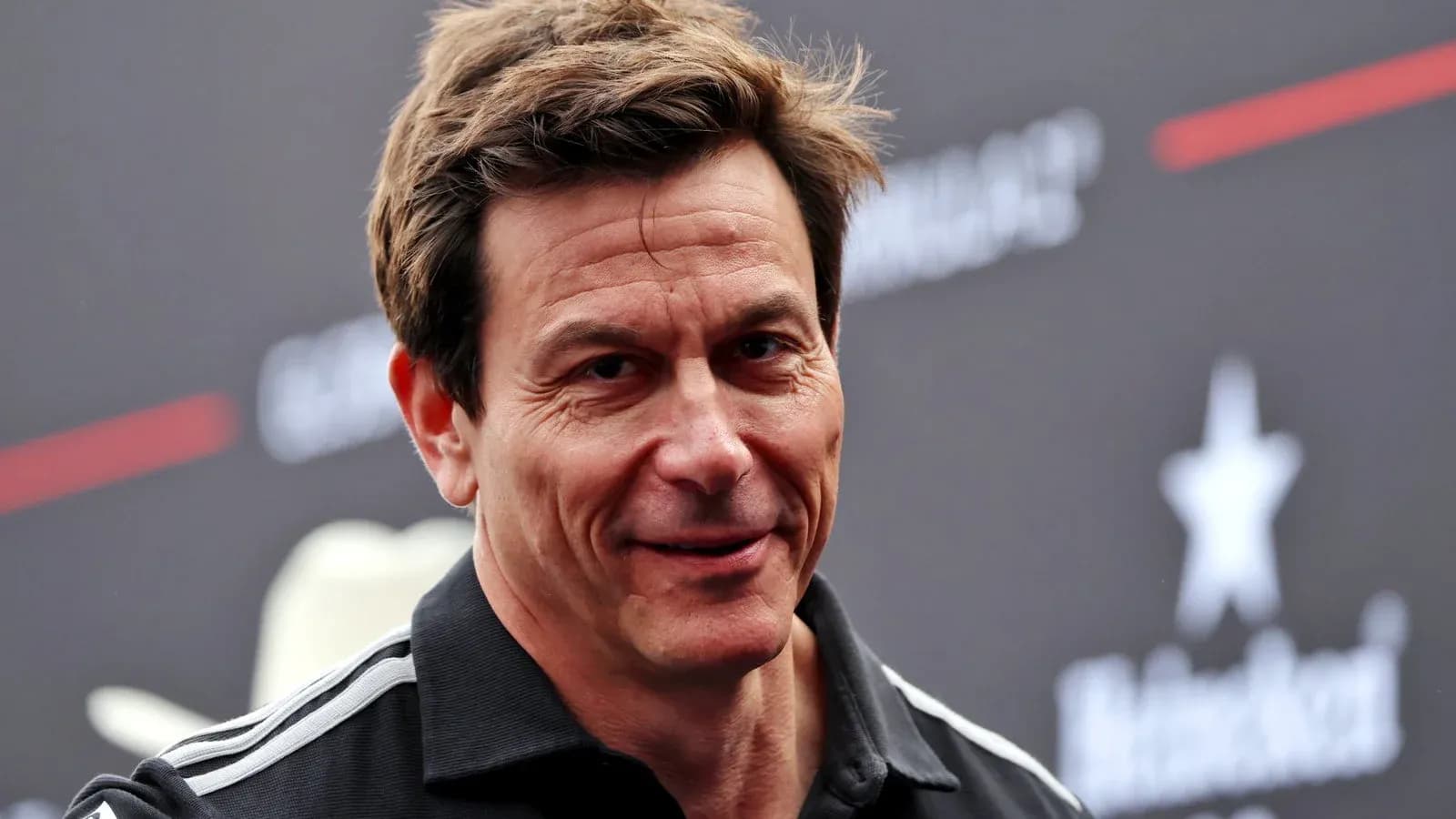
Toto Wolff has launched a fierce defence of Formula 1’s decision to press ahead with its Middle Eastern races, while taking a clear swipe at MotoGP riders over their Qatar stand-off.
The Mercedes team principal, speaking at the Sao Paulo Grand Prix, backed F1 and the FIA’s stance on racing in Qatar and Abu Dhabi later this year, and criticised what he sees as ill‑informed grandstanding from MotoGP’s stars.
Wolff: ‘Riders geopolitically know nothing’
MotoGP heads into its Qatar Grand Prix under a cloud after 19 of the 22 riders signed a letter saying they would not race unless the championship itself assumed personal responsibility for anything that might go wrong. Those demands are understood not to have been met, with MotoGP instead warning of sanctions – including race bans – for riders who refused to compete.
Yamaha took the most dramatic step, withdrawing its four riders entirely after refusing to bend its corporate travel policy for the Middle East. That move is expected to carry a heavy price: the manufacturer is set to face a substantial financial penalty and could lose constructors’ points for breaching its contract with the championship.
Wolff did not hold back when asked about the situation.
He pointed to F1 CEO Stefano Domenicali and FIA president Mohammed Ben Sulayem as the key decision-makers and insisted their approach is rooted in official guidance, not emotion.
“Stefano and Mohammed have been pretty clear about the situation, that Formula 1 follows what the international guidelines are, whether there’s travel restrictions, airlines not flying, any warnings in the region, the kind of feedback that local governments are making,” he said.
“So not only the promoters, but what the local governments are making, and this is what you need to rely on in my opinion.
“And I’m fully with that. I think that if riders stand up, who geopolitically know nothing about what’s going on, but have the audience that listens, I think that is something that creates media value.
“But I would have done the same as the MotoGP management has done.
“You want to ride or drive, go. If you don’t want to, don’t go, as simple as that. And everybody can take their personal decisions on that, and I respect that.”
Wolff’s characterisation of MotoGP’s stance is not entirely accurate. While he framed it as management leaving the decision to teams and riders, Yamaha’s looming punishment underlines that the championship has not simply allowed free choice.
F1 holds its line on Qatar and Abu Dhabi
Formula 1 is scheduled to race in Qatar and Abu Dhabi at the end of November and into the first week of December. Behind the scenes, a contingency plan is in place: Imola is ready as a back-up venue should the Middle Eastern rounds be cancelled.
A definitive call is expected within days, but Wolff made clear he trusts the series’ leadership to judge the risk.
“Of course, you’ve got to be wary of what’s happening in the next few days, a few weeks, and Stefano has the finger on the pulse to monitor that,” he said.
“If things were to get more dangerous and we would get that feedback, then he’s going to be the first one, together with Mohammed, to protect the people that were meant to travel.
“And so that’s why I’m following their guidance, for what I’m hearing.”
Reports have suggested that F1 drivers have been told not to air their concerns publicly about racing in the Middle East, a stark contrast to the very visible MotoGP rider revolt. In that context, Wolff’s comments land as a clear endorsement of the official line: trust the institutions, not the paddock’s loudest voices.
‘I would always respect’ staff who refuse to travel
Inside Mercedes, the picture is calmer. While several MotoGP teams have already confirmed that some staff chose not to travel to Qatar, Wolff says no one in his organisation has yet asked to skip the upcoming Middle Eastern races.
That does not mean he would block them if they did.
“Internally, it hasn’t been raised, hasn’t been a topic, but also there, if someone doesn’t feel comfortable, he or she doesn’t feel comfortable travelling, then that’s something that I would always respect, and maybe that’s another opportunity to give somebody else a chance,” he said.
“It wouldn’t change anything for the relationship. I’ve always respected that some people didn’t want to go to certain Grand Prix, and that’s how I see it at the moment.”
So the lines are drawn. MotoGP riders have pushed back, Yamaha has taken a costly stand, and sanctions are looming. F1, for now, stays locked on course for Qatar and Abu Dhabi, with Wolff firmly behind the championship’s direction – and unafraid to call out those in another paddock who choose a very different path.