Kimi Antonelli: The New Champion Not Meant to be Senna
At Interlagos, where Ayrton Senna’s legend hangs in the humid air as heavily as the São Paulo haze, Toto Wolff drew a firm line.
Kimi Antonelli, his new world champion, is not Senna. Not yet. Maybe never.
“Comparing Kimi to Senna? I was always not very keen in having this comparison because Senna is a giant of the sport,” the Mercedes team principal said. “Who he was as a person, who he was as a racing driver and I feel that setting these standards for a 20-year-old driver is a lot of pressure.
“That’s why I want to, how can I say, not compare him at this stage. He’s Kimi; Senna was Senna.”
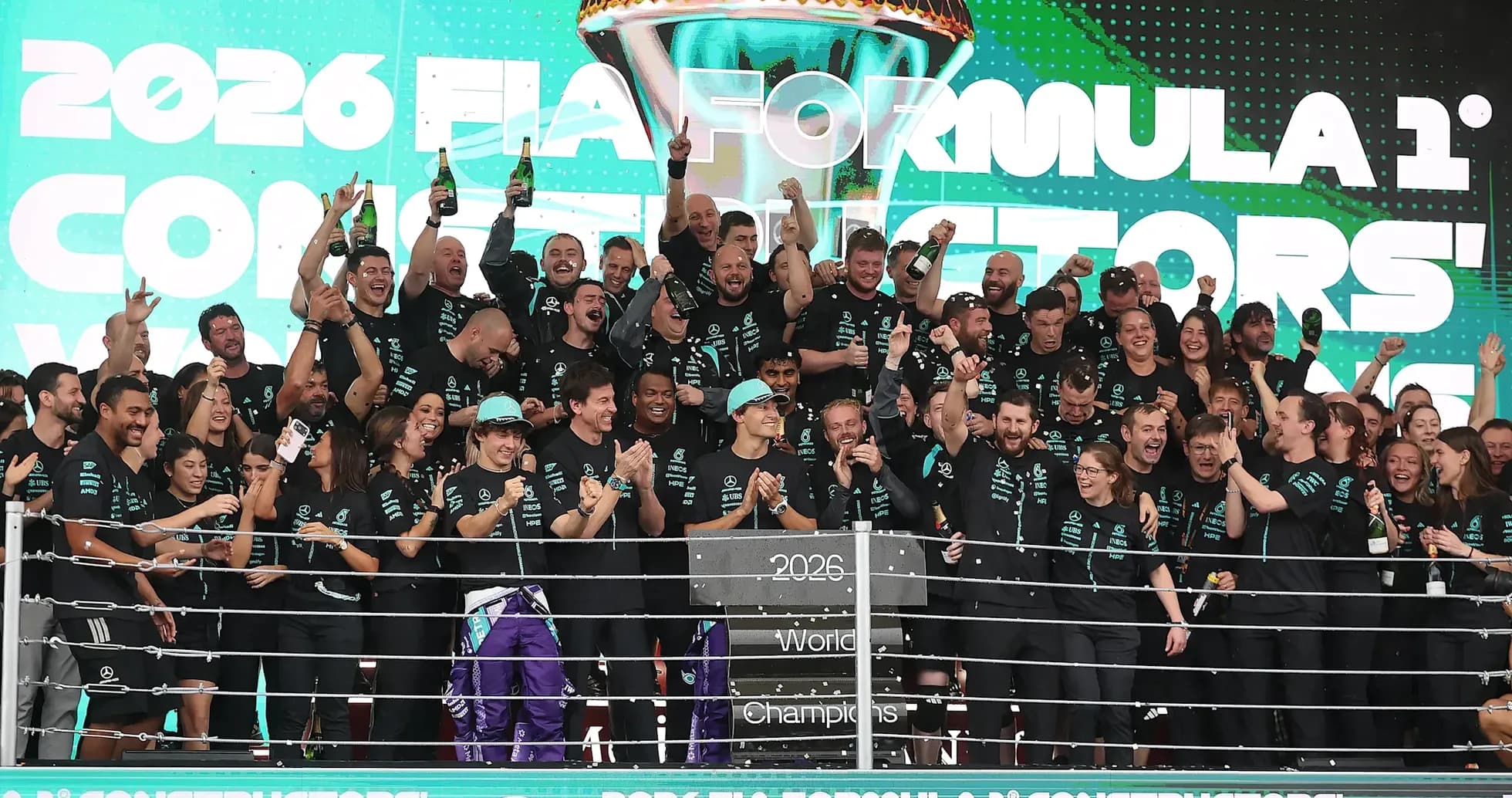
The timing of the conversation was inevitable. Antonelli arrived in Brazil as the freshly crowned Formula One world champion, his first title secured at the Mexican Grand Prix. On Sunday he added a measured fifth place at the São Paulo Grand Prix, a result that locked in Mercedes’ ninth constructors’ crown and their first drivers’ and constructors’ double since 2020.
A new champion. A team back on top. And all of it unfolding in Senna’s backyard.
A boy who grew up on Senna
For Antonelli, this is not some convenient PR alignment. The 20-year-old Italian grew up devouring footage of Senna’s races, studying the Brazilian’s aggression in the wet, his qualifying laps on the limit, the intensity that defined a three-time world champion whose life ended at Imola in 1994.
The homage is stitched into his car. Antonelli chose No 12, the number Senna carried in the early stages of his Formula One career, and has already decided he will keep it next season instead of switching to the champion’s No 1. It is a small act of resistance in a sport obsessed with status: keep the number that connects him to the hero on his bedroom walls, not the one that shouts from the timing screens.
Expectations, naturally, have swollen around him. A first title at 20, in a Mercedes that finally rediscovered its edge for much of the year, has triggered talk of an era, of multiple championships, of dynasties.
Wolff is having none of it.
He has seen what happens when a driver is loaded with mythology before his career has even properly begun. In Brazil, where Senna is still treated as a secular saint, the Austrian chose caution over romance.
Setting Antonelli against Senna, he argued, is not just unfair. It is unnecessary.
A pilgrimage to the source
Antonelli did not hide from the weight of the weekend. He walked straight into it.
Before the race at Interlagos, he visited the Senna family estate, met relatives of the man he idolised, and made the quiet journey to Senna’s grave. On social media he posted a photograph of himself sitting in Senna’s Lotus 98T, the black-and-gold machine that carried the Brazilian to victory at the Spanish and Detroit Grands Prix in 1986 – and, of course, bore the No 12.
“I will carry these memories with me forever,” he wrote.
For the Senna family, this was not a cold, formal encounter. Senna’s niece Paula presented Antonelli with a sculpture she had created of her uncle and spoke of her delight at discovering what “a special character” the young Italian is.
Inside Mercedes, that reaction resonated. Wolff was struck by the warmth of the welcome and by the nickname the family chose for his driver: “Senninha” – “little Senna” – a name Brazilians know well from the comic book inspired by the three-time champion.
“It’s sweet to see that how the Senna family embraces him. They say that it’s the first time that it looks like there is a second Senna,” Wolff said. “And that is the first time that you can say, OK, he’s a little bit like him. But maybe at that stage he’s a Senninha and not a Senna yet. So let the Senninha develop, let him become a Senna.”
That is the balance Mercedes are trying to strike. To allow the romance of the story without letting it harden into a demand.
A title, but no new empire – yet
On paper, this should feel familiar. Mercedes, constructors’ champions again. A young, ruthless world champion in one of their cars. Three races left and both titles already locked away.
The temptation is to file it under “beginning of another era” and move on.
Wolff does not buy that narrative either.
Despite having the fastest package through the first half of the season and wrapping up both championships with races to spare, he believes Formula One has moved beyond the sort of suffocating dominance Mercedes once enjoyed between 2014 and 2021, when they collected eight constructors’ and seven drivers’ titles.
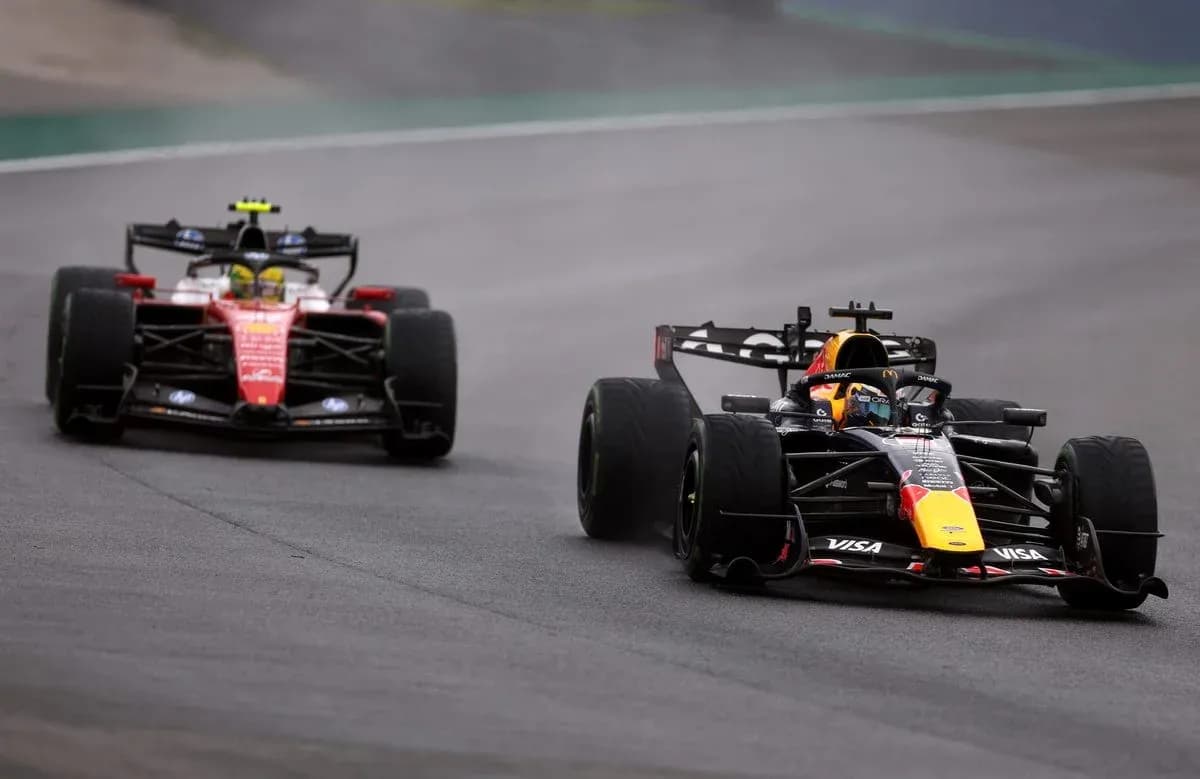
This year told its own story. Once Red Bull, McLaren and Ferrari hit their stride, the margins shrank. Mercedes still finished the job, but the field closed rapidly.
“It looks like the most maybe competitive era that is about to start, because the teams have become so professional in capability, in resource, that these kind of runaway seasons, I don’t see them any more,” Wolff said.
The warning is clear. One misjudged upgrade, one wrong turn in development, and the sport punishes you.
“You can see how quickly it goes from being dominant and within a few races you realise that your upgrade doesn’t work and you fall back and you’re just third on the road. It’s great for the sport. I wished it was the era of Mercedes and me running away with another few championships. I don’t think it’s the reality.”
So Mercedes stand at an intriguing crossroads. They have a 20-year-old world champion who grew up worshipping Senna, who carries his number and has now walked his paths in Brazil. They have a car fast enough to win titles again, but a grid armed and ready to strike back.
The legend of Senna was forged in a time when one man could bend a season to his will. The question now is sharper, more modern, and far less forgiving: in this new, crowded era, how far can “Senninha” really go?