Lando Norris Wins Again at Interlagos, Mercedes Secures Constructors’ Title
At Interlagos, the chaos came early and never really left. Through the spray and the safety-car interruptions, one constant cut through the noise: Lando Norris, on pole, in control, and utterly ruthless.
By the flag, McLaren had its first win since August and Norris had gone back-to-back in São Paulo, converting pole into victory at Interlagos for the second straight year. It was the kind of assured, measured drive that has started to feel routine from him. The kind that turns a quick driver into a title threat.
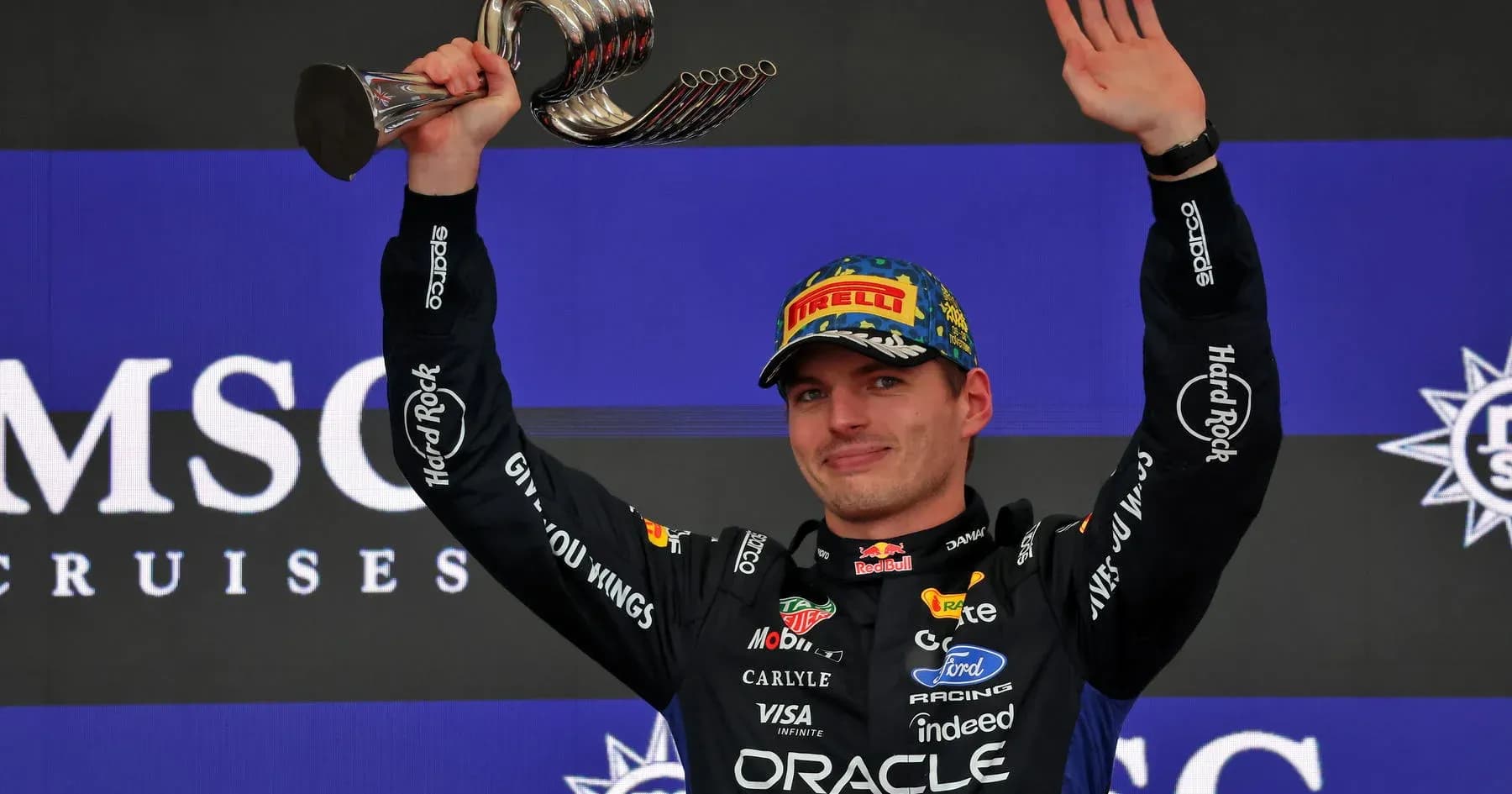
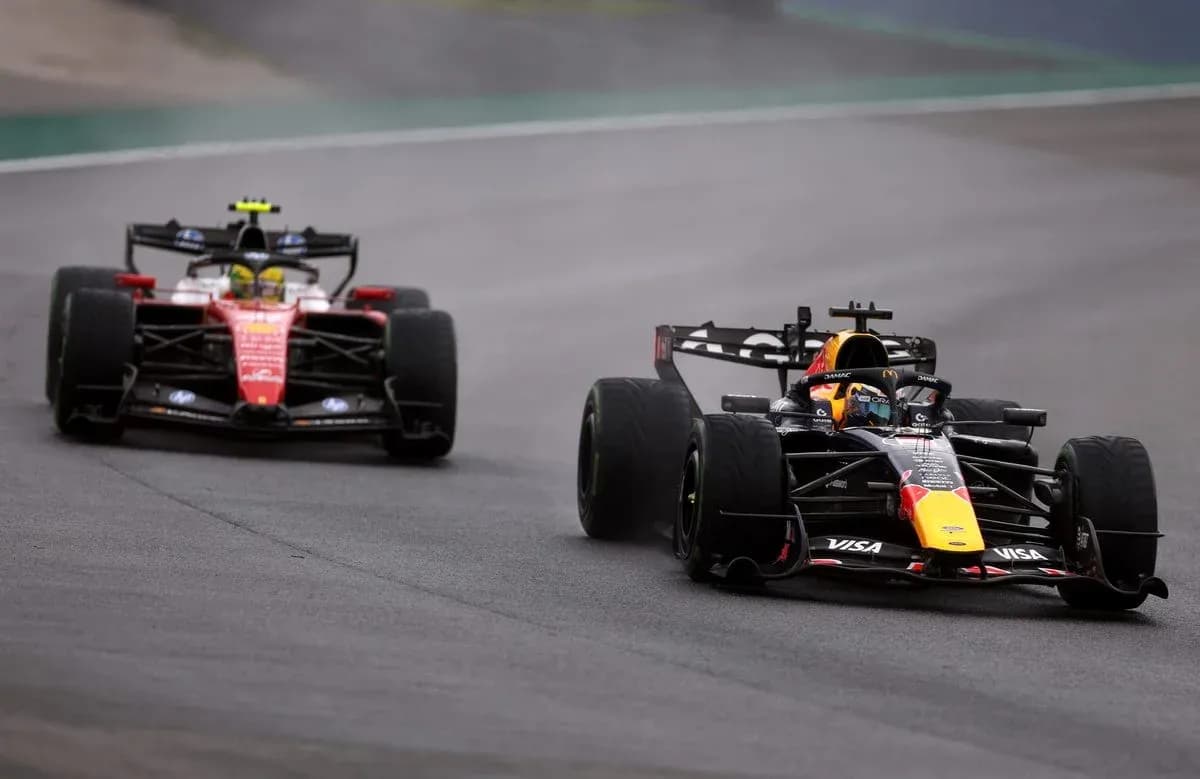
Behind him, the race turned into a rescue mission for Red Bull. Starting 21st, Max Verstappen ripped through the field with the sort of relentless pace that makes strategy models look foolish. Fourteen places in five laps at one stage, and a charge that no simulation at Milton Keynes had predicted. From last to second, and driver of the day for good measure. Isack Hadjar, calm and sharp, completed the podium in third, locking out the rostrum for Red Bull.
Mercedes, though, left Brazil with the trophy that mattered most to them.
Mercedes over the line, Ferrari stumble
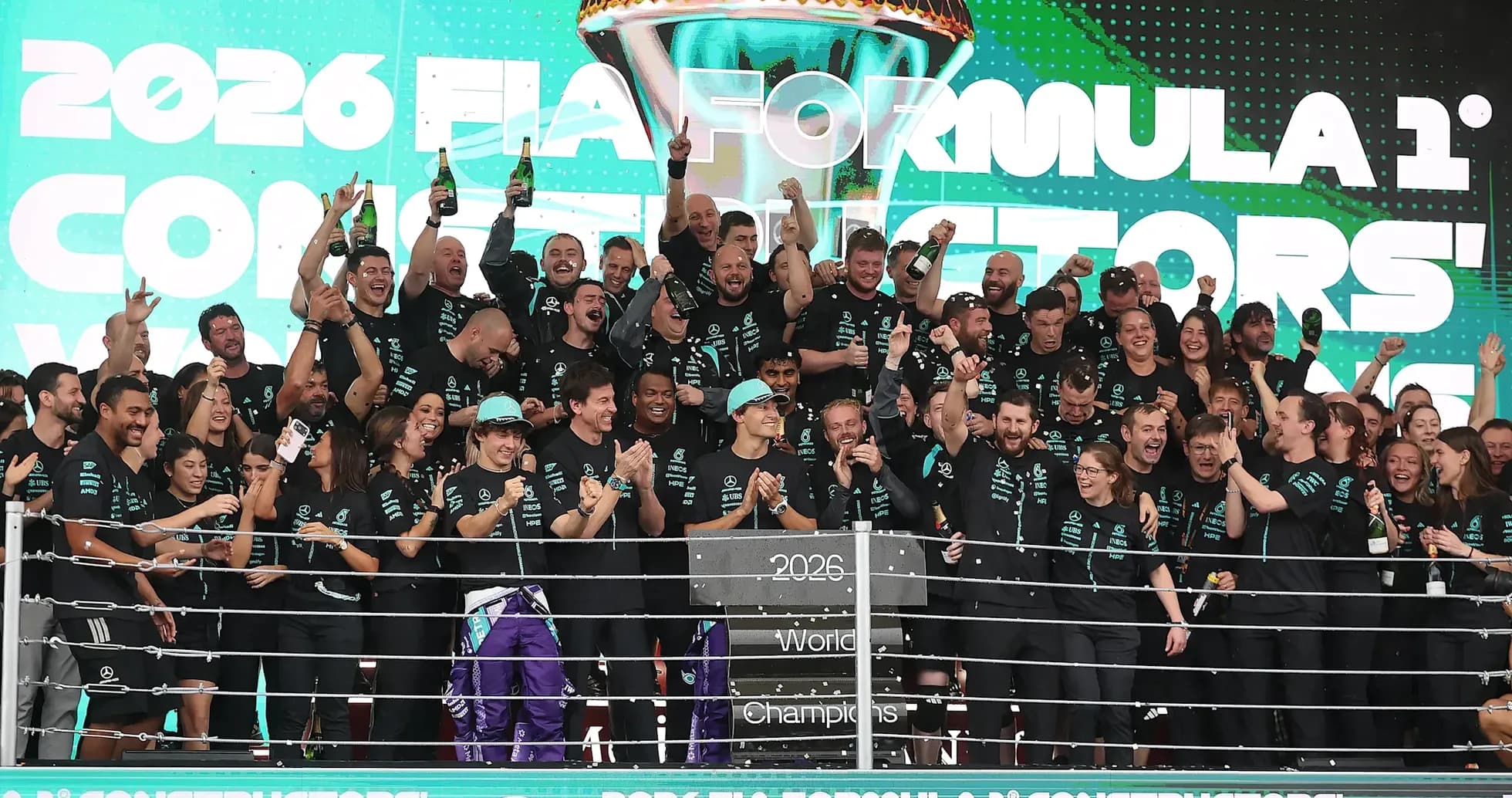
George Russell and Kimi Antonelli came home fifth and sixth, and that was enough. After three seasons of frustration, Mercedes are Constructors’ champions again, the title sealed at the scene of some of their most iconic days.
It wasn’t a champagne-soaked cruise. Russell’s race swung wildly, including a spin on the pit exit as he pushed to keep himself in the victory conversation. “I probably just took too much of a risk because I saw an opportunity to go for the win,” he admitted. The error cost him track position, but the points still counted, and Toto Wolff was quick to underline Russell’s role in the campaign, calling it “George’s championship today” as much as the team’s.
Antonelli’s afternoon was no less fraught. After the switch to slicks, the Italian reported that something was badly wrong.
“Something is weird with the car,” he said over the radio, first told it might be tyre temperature before insisting, “No mate it’s suspension.” Moments later, the frustration boiled over: he complained the car was “steering by itself” and that he couldn’t turn properly into left-handers. Somehow, through that unease and a late five-second penalty for an unsafe release into Franco Colapinto’s path, he still banked sixth.
Ferrari were the only team who could have delayed Mercedes’ celebrations. They never came close.
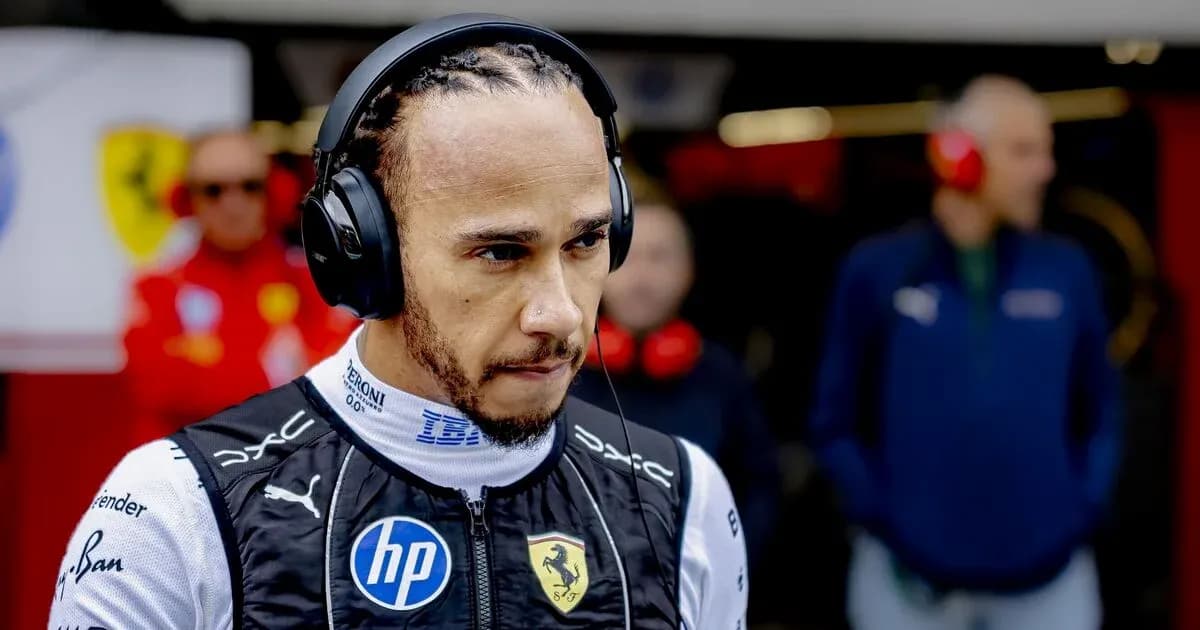
Charles Leclerc crossed the line seventh but was demoted to eighth after the stewards ruled he caused a collision with Liam Lawson while fighting for position. Lewis Hamilton, wrestling with oversteer and tyre degradation, finished ninth on the road and stayed there after a mid-race investigation cleared him of gaining an advantage when he ran off track while overtaking Oliver Bearman.
For a team that needed a statement, Ferrari delivered only headaches.
Hamilton’s heartbreak and relief
Hamilton’s relationship with Brazil is emotional, almost personal. That made this result sting.
He called himself “devastated” by how the race unravelled. The start had been promising, but the combination of massive oversteer and brutal tyre wear left him fighting the car instead of the frontrunners. He pushed, he said, as hard as he could, but the pace simply wasn’t there.
The stewards at least removed one cloud. During the race, Hamilton came under scrutiny for going off track while passing Bearman. The verdict: he gained no lasting advantage and gave the position back. No penalty, no further action.
Afterwards, Hamilton flew back to the UK alongside Russell and Wolff. The constructors’ title softened the blow, but not the sense that he’d wanted to deliver something far bigger for the Brazilian crowd that has adopted him as one of their own.
Penalties, pressure and a shattered bottle
The stewards were busy long after the chequered flag.
Leclerc’s five-second penalty for the clash with Lawson shuffled him from seventh to eighth. Antonelli’s identical sanction for the unsafe pit release didn’t change his sixth place. Nor did a similar five-second hit for Oliver Bearman, punished for Haas releasing him unsafely; he stayed 17th.
The race also doubled as a brutal education for Rafael Camara. The Brazilian rookie’s debut at home ended two laps down in 20th, last of the classified finishers. He called it “tricky” and admitted to mistakes he hadn’t expected to make, but framed it as a crash course in what Formula One really demands.
Up front, Norris had one last scare, and it didn’t come on track. On the podium, as he grabbed his Champagne, the bottle shattered in his hands. For a second, the race winner looked more startled than at any point in the grand prix.
“I was very, very worried,” he admitted. He put it down to the cold conditions, joking that the hardest part of the day turned out to be the celebrations.
Verstappen beats the numbers, again
Verstappen’s surge from the back was built on both aggression and honesty. He held his hands up for the sluggish launch, blaming the way he’d held the clutch for his slow reaction off the line. That mistake dropped him into traffic at the start and left him boxed in through the opening corners.
Once clear, he tore through the midfield, describing how he was “flying by cars, almost every corner” thanks to the grip advantage he felt over those around him. Red Bull team principal Laurent Mekies admitted their simulations simply don’t account for what Verstappen keeps producing on Sundays. No model, he said, has you going from P21 to P2 like that.
Yet for all the fireworks, Verstappen and Red Bull left without the big silverware. That went to Mercedes, whose consistency over the season finally outweighed the raw speed of their rivals.
Power and politics off the track
Away from the racing line, the sport’s power structures continued to shift.
FIA president Mohammed Ben Sulayem is pushing to scrap the rule that blocks candidates over 75 from standing for the presidency, only months after term limits were removed. The argument is that age caps restrict the pool of experienced figures who could lead the federation.
At the same time, Ben Sulayem reiterated the FIA’s stance that the Qatar and Abu Dhabi Grands Prix will go ahead as planned. The governing body, he stressed, is monitoring the security situation in the Middle East but will base any decisions on official advice, not speculation.
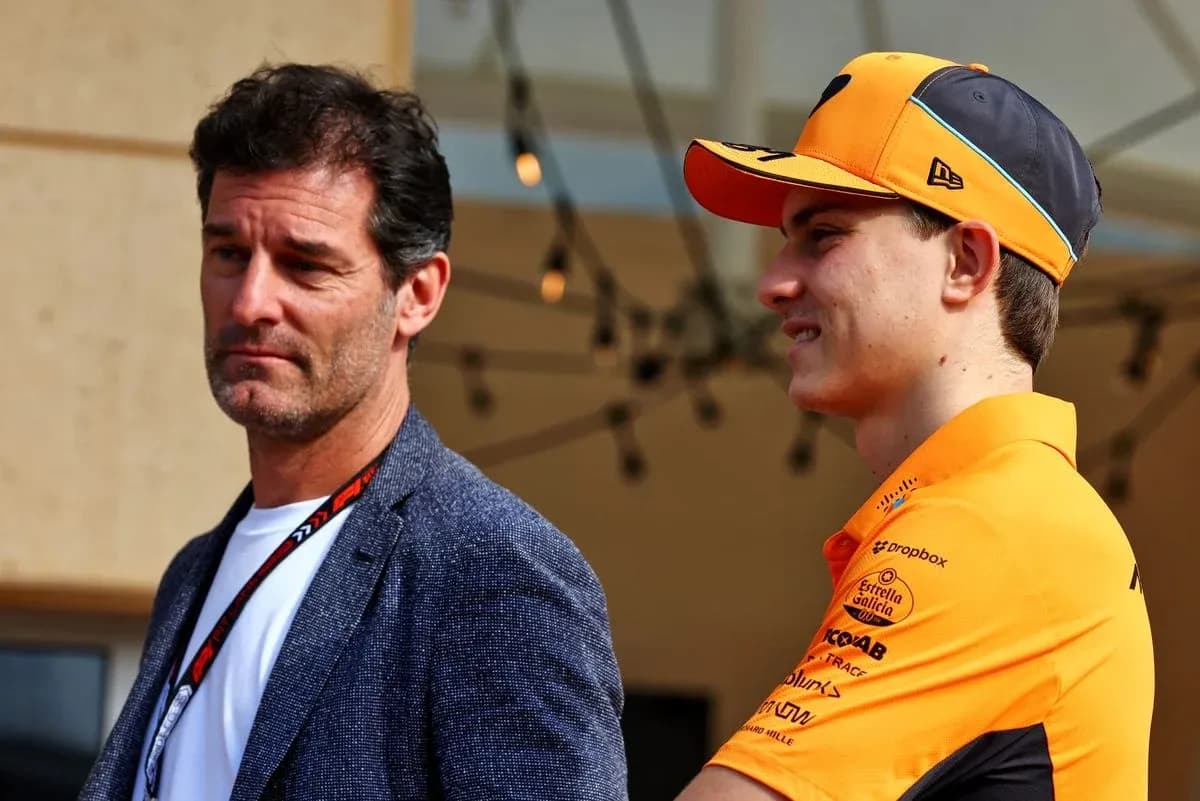
In the paddock, the driver market kept humming. Oscar Piastri confirmed his split from long-time manager Mark Webber, a partnership that had guided him from junior categories into McLaren and through last year’s contract storm with Alpine. The separation had been coming, with Webber already travelling less this season. Now, the break is complete.
Questions also swirl around Liam Lawson and Valtteri Bottas, both facing uncertain futures as teams weigh up their options for next year.
Norris the “master”, Hamilton under fire
Inside McLaren, Norris’ win only deepened the admiration. Team principal Andrea Stella hailed him as a “master” of adaptability, the key trait in a sport where cars are rarely perfect and conditions never quite stable. Stella wants to give Norris and Oscar Piastri an easier machine to drive, but he knows that, when the circumstances are messy, his lead driver thrives.
Over at Ferrari, the debate around Hamilton’s role has already begun. Ralf Schumacher argued that Hamilton is claiming a position within the team hierarchy that his pace against Leclerc does not currently justify. In Schumacher’s view, if Hamilton were clearly faster than his team-mate, there would be no discussion. Right now, there is.
That tension, between reputation and raw lap time, will follow Ferrari into the final races.
As the circus packs up from São Paulo, one team holds the constructors’ crown, another has the form driver of the field, and a third is wrestling with its own internal balance. Interlagos has a habit of shaping seasons. The only question now is whose year it has just rewritten.