Pierre Gasly Loses Monaco Podium Again After FIA Ruling
Pierre Gasly’s Monaco podium has vanished for a second – and final – time, after the FIA’s International Court of Appeal ruled that his pitlane speeding penalties must stand.
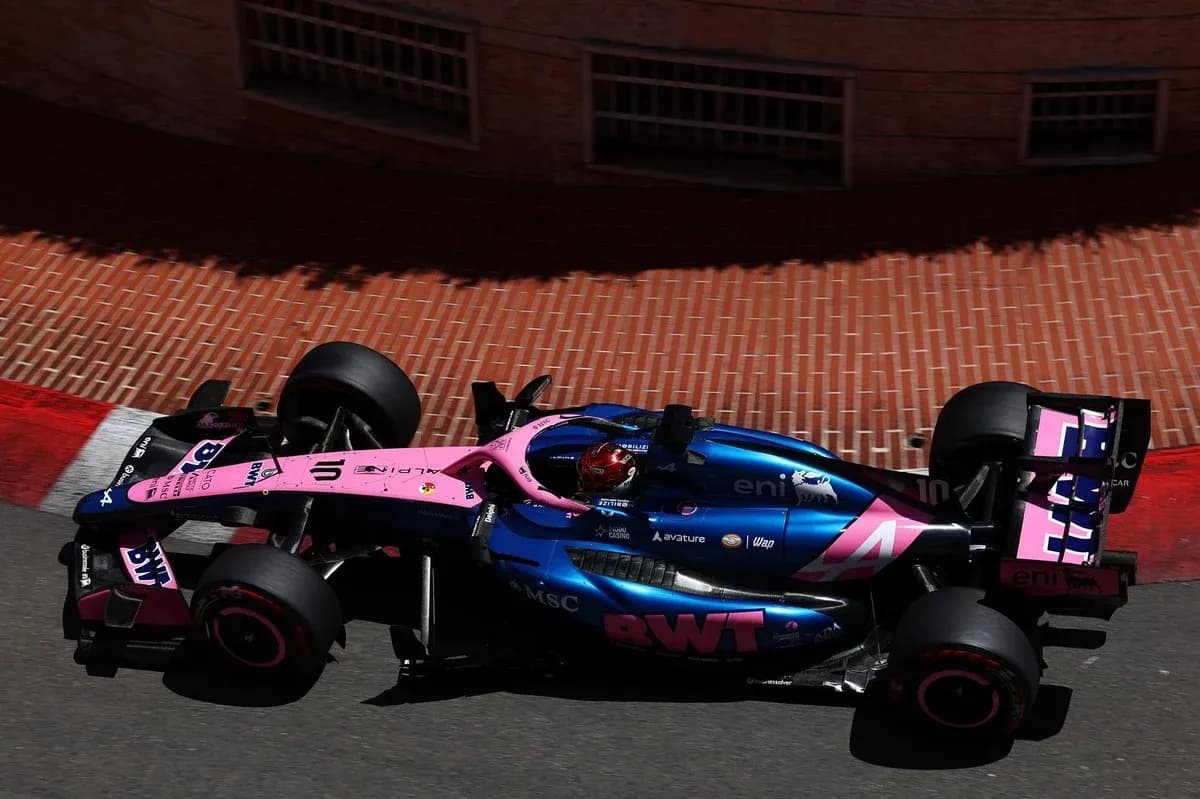
The Alpine driver had briefly been restored to third place by the stewards in June, weeks after a chaotic Monaco Grand Prix in which a string of drivers were hit for speeding in a pitlane later found to be inaccurately measured. Now the Court has stepped in, and the result has flipped again. Gasly drops back to seventh. Isack Hadjar gets his podium back.
A 77-centimetre problem
The controversy stems from a 77cm discrepancy between the first two timing loops in the Monaco pitlane. That small misalignment produced an unusually high number of speeding infringements, with several drivers – including Gasly, Oscar Piastri and George Russell – flagged for exceeding the limit.
For Piastri and Russell, the damage came in real time. They served their penalties during the race, Russell even taking an additional drive-through after Mercedes incorrectly handled his sanction. Gasly’s situation was different. His pair of five-second penalties were added to his race time, dropping him from third to seventh after the flag. The timing of those post-race penalties gave Alpine an opening: the right of review.
On 12 June, the stewards accepted Alpine’s case and scrapped Gasly’s penalties, reinstating him to third. That, however, created a fresh problem. Drivers who had already served their penalties – and therefore lost track position on the road – had no way to recover what they had given up.
Red Bull, McLaren push back
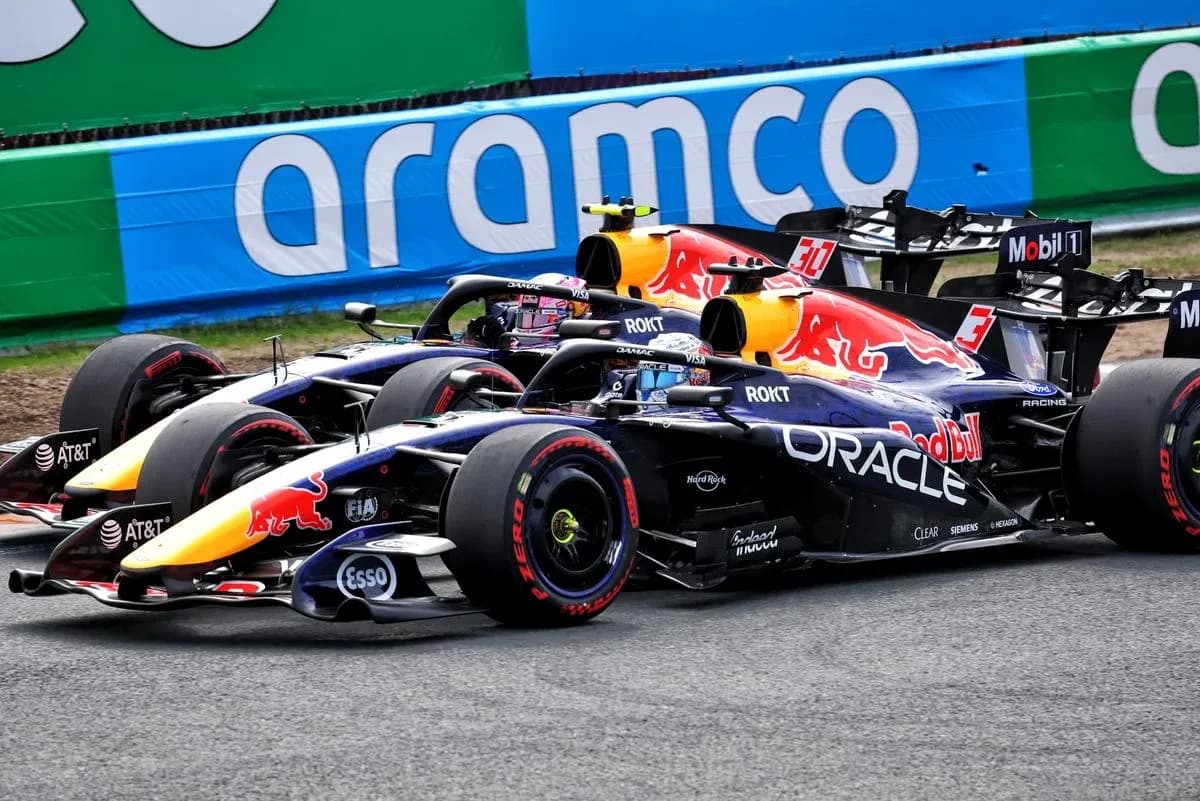
Red Bull and McLaren moved quickly. Isack Hadjar and Oscar Piastri had both slipped a place in the final classification as a result of Gasly’s reinstatement, Hadjar falling from third to fourth, Piastri from fourth to fifth. Both teams appealed to the International Court of Appeal, backed by Racing Bulls – whose drivers also lost positions – and Motorsport UK.
On Friday, the Court sided with the appellants. The original pitlane speeding penalties were ruled valid, and the stewards’ June decision to overturn Gasly’s sanctions was effectively struck down.
The reshuffle is significant. Gasly returns to seventh. Hadjar inherits the third place he had initially celebrated after the race. Piastri climbs back to fourth, with the rest of the order adjusted accordingly.
Why Alpine lost
Crucially, the ICA’s reasoning did not hinge on emotion or perceived fairness, but on proof. Alpine argued that because of the inaccurate placement of the timing loops, Gasly’s recorded speed was unreliable and the penalties should be cancelled. The Court was not convinced.
It concluded that Alpine could not demonstrate with certainty that Gasly had actually travelled a longer distance in the pitlane than the system recorded. The shorter time between the two loops, the Court noted, could be the result of “a shorter path, greater speed, or a combination of both.” Without conclusive evidence that the driver was disadvantaged by the measurement error, the penalties stood.
The judges also addressed the awkward imbalance between those who served penalties during the race and those whose sanctions were applied afterwards. In blunt terms, the Court stated that the fact other drivers had already taken their penalties “cannot be an obstacle to the cancellation of an illegitimate sanction, because those penalties were served at the discretion and choice of the team.”
Any attempt to argue that cancelling a wrongly applied penalty would be “unfair” to others, the Court added, would itself clash with the principle of sporting fairness.
Alpine “disappointed and frustrated”
Alpine’s reaction was swift and pointed. The team issued a statement expressing “disappointment and frustration” with the outcome, and remained adamant that Gasly never exceeded the pitlane speed limit.
“While we disagree with the decision, and still fully maintain that Car #10 did not exceed the Pit Lane speed limit at any point during the race, the team acknowledges the decision of the judging panel from the recent hearing in Paris,” the statement read.
The team described the verdict as unjust, insisting it had been “unjustly punished,” but stressed that its focus now returns to performance and a tightly contested championship campaign.
“This outcome will not deter the team’s efforts and motivation in achieving its objectives by the end of the season,” Alpine added.
FIA promises a deeper look at its systems
The FIA, for its part, defended its stewards while accepting that the wider system needs scrutiny.
In a statement acknowledging the ICA ruling – which upheld the appeals of McLaren and Red Bull and overturned the stewards’ Monaco document 99 – the governing body underlined the difference between the stewards’ working environment and that of the Court. Stewards make decisions in the heat of a race weekend, with limited time and information. The Court, by contrast, can draw on “extensive and additional legal counsel input, arguments and evidence.”
The FIA insisted it remains “fully supportive of the Stewarding process and the independence and objectivity of the diverse panels of Stewards who are an integral part of global motorsport.”
At the same time, it pledged to review how Formula 1’s timing system is run and regulated, as well as broader judicial procedures, including the right of review and the appeal process itself. The governing body emphasised that stewards already engage in “extensive professional development” and that every ICA decision feeds into a process of “continuous improvement.”
For Gasly and Alpine, though, the legal avenues are closed. The podium that briefly returned to the Frenchman’s record has gone again, this time under the full weight of motorsport’s highest court. The question now is not what happened in the Monaco pitlane, but how quickly the sport can rebuild trust in a system that turned 77 centimetres into a season-defining storm.