Monaco Grand Prix Appeals: McLaren and Red Bull Reclaim Podium
McLaren and Red Bull have won their Monaco Grand Prix appeals, ripping up a podium that had already been rewritten once and plunging the sport back into a debate about what “sporting fairness” really means.
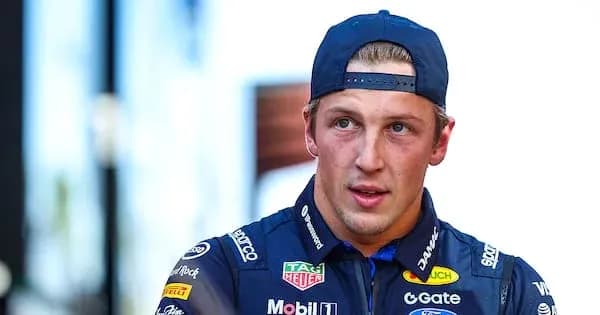
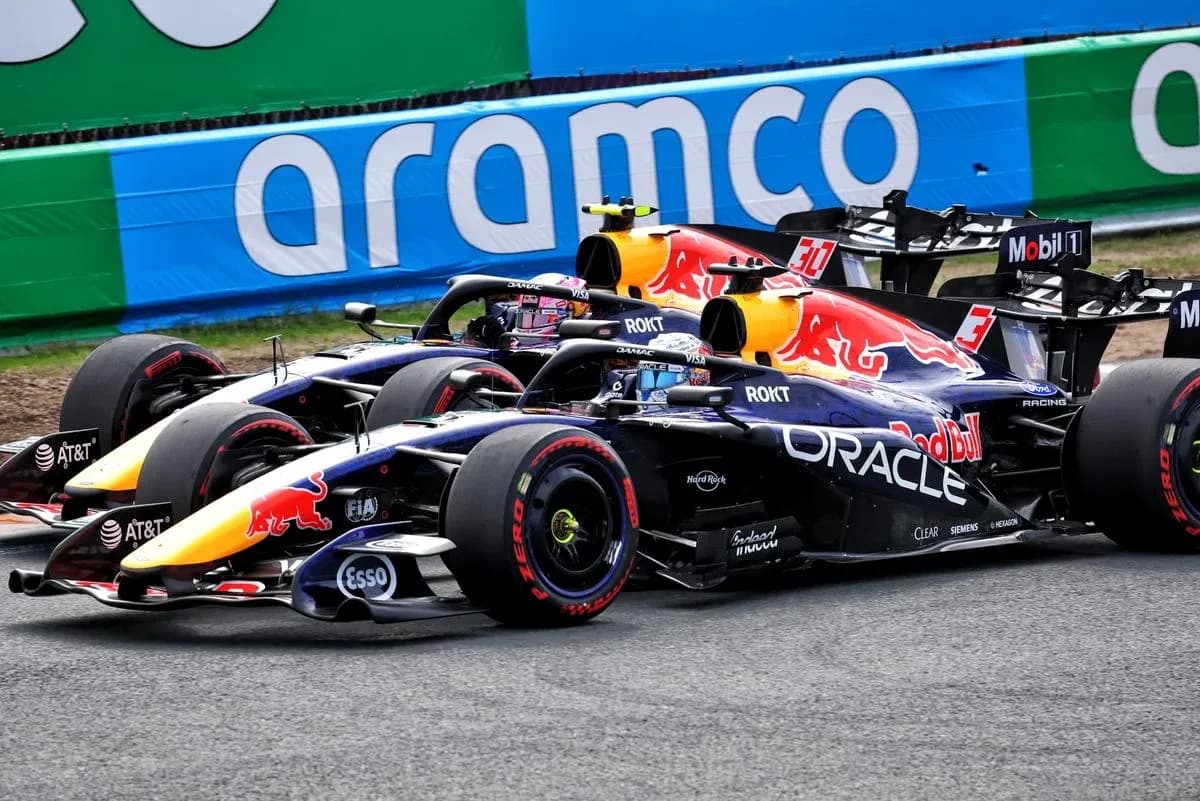
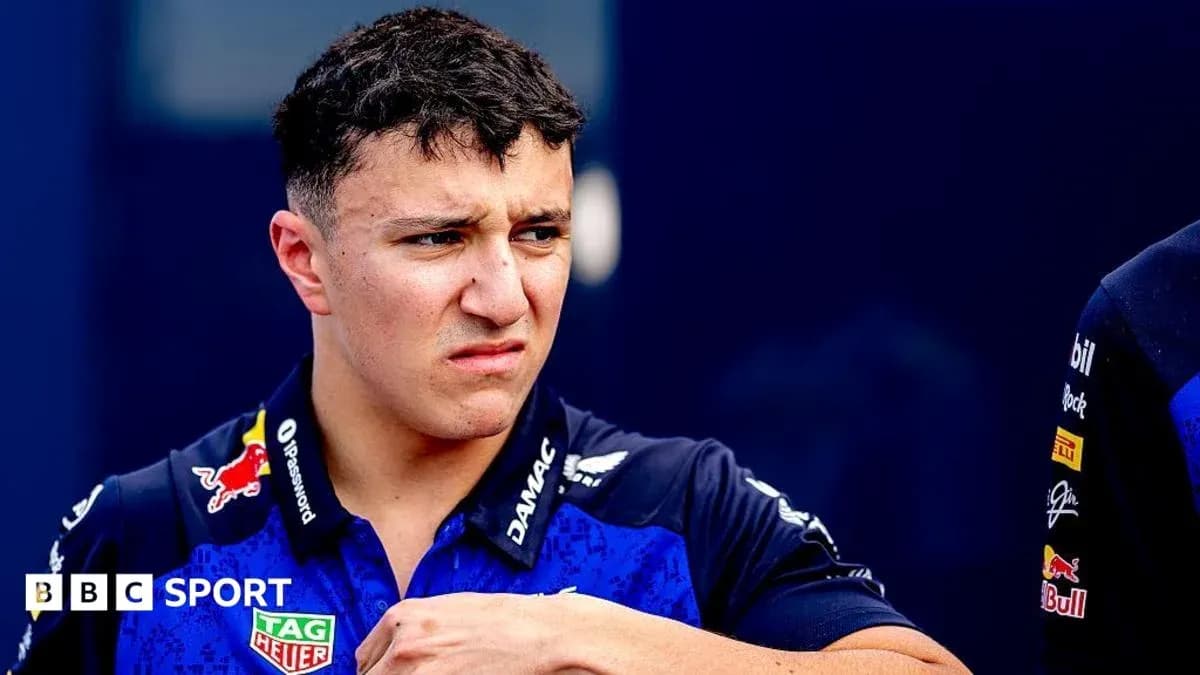
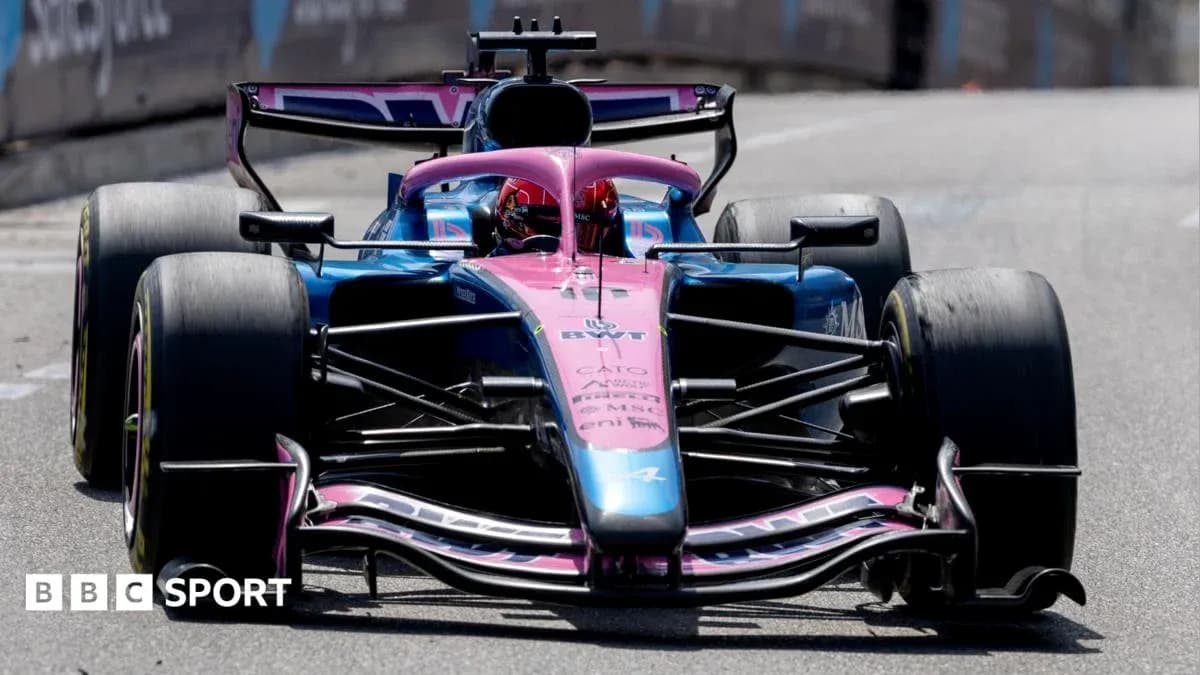
Pierre Gasly, who had celebrated a third place on the road, then reclaimed it in the stewards’ room after Alpine’s initial appeal, loses it again. He drops to seventh. The reshuffle restores Red Bull’s Isack Hadjar to third, puts McLaren’s Oscar Piastri fourth, and lifts Racing Bulls pair Liam Lawson and Arvid Lindblad to fifth and sixth.
A podium lost. A podium regained. Then taken away once more.
A 77-centimetre storm
All of this stems from 77 centimetres of tarmac.
That was the discrepancy between the officially measured length of the Monaco pit lane and the true shortest line a driver could legally take. Alpine’s lawyers seized on that gap. Using the shorter distance, they showed Gasly had not actually exceeded the pit-lane speed limit, which led to his two five‑second penalties being overturned and his jump to the podium.
But McLaren and Red Bull were never going to leave it there. Too much was at stake — not just points, but precedent.
Piastri had served a five‑second penalty for pit-lane speeding under the original parameters. Others had too. The Australian lost two points as a direct consequence. Alpine’s successful argument effectively created two different standards within the same race: one for Gasly, based on the recalculated distance, and one for everyone who had already taken their punishment under the original measurement.
McLaren pushed back, citing sporting equity and their own competitive damage. Red Bull joined the fight.
Court backs consistency over recalculation
The Court of Appeal sided with them.
Its ruling turned on a simple principle: once teams have been informed of the parameters for measuring the pit-lane limit, those parameters cannot be changed in the middle of a grand prix weekend and then used retrospectively to rewrite individual results.
The court accepted that a shorter line through the pit lane was possible. It did not accept that this made the official F1 measurement “wrong” in a regulatory sense. That official figure remained the reference point for the event.
In a key passage, the judges concluded that “what sporting fairness absolutely precludes is the retrospective replacement, after competitors have calibrated and competed against it, of the common event-wide calibration parameter itself by a different geometric or measurement approach for the purpose of re-adjudicating an individual competitor's result”.
In other words: you cannot move the goalposts after the final whistle and pretend they were always there.
That stance restores the original penalties that had shaped the Monaco order, undoing Alpine’s earlier courtroom victory and re-establishing the standings as they were first declared.
Collateral damage and lingering frustration
The fallout stretches beyond Gasly and Piastri.
Several drivers saw their races warped by the cascade of pit-lane speeding penalties and the confusion around how they were served. Among them was Mercedes’ George Russell, who dropped out of the points after being penalised for not correctly serving a pit-lane speeding sanction. His case underlines how far the ripples of a small measurement dispute can spread through a tightly packed midfield.
Alpine, for their part, remain unconvinced. In a statement, the team said it “disagrees with the decision” and “fully maintains that car 10 (Gasly) did not exceed the pit-lane speed limit at any point during the race”, but accepted the panel’s judgment from the Paris hearing. The team described the outcome as unjust, yet stressed its focus now lies on performance and on staying in what it called a “close and very competitive championship fight”.
The legal battle is over. The arguments are not.
Monaco’s result now stands with Hadjar on the podium, Piastri narrowly missing it, and Gasly shoved back into the pack — all because the sport chose consistency of rule over precision of line. The question lingering over the paddock is whether, next time, Formula 1 will measure more carefully before the lights go out.