Mercedes Dominates F1 Titles but Faces New Challenges
Mercedes have marched into Formula 1’s new rules era with a familiar double – drivers’ and constructors’ titles wrapped up with races to spare – but this doesn’t feel like 2014 all over again. It feels far more volatile. Far more dangerous. And, crucially for the sport, far more fun.
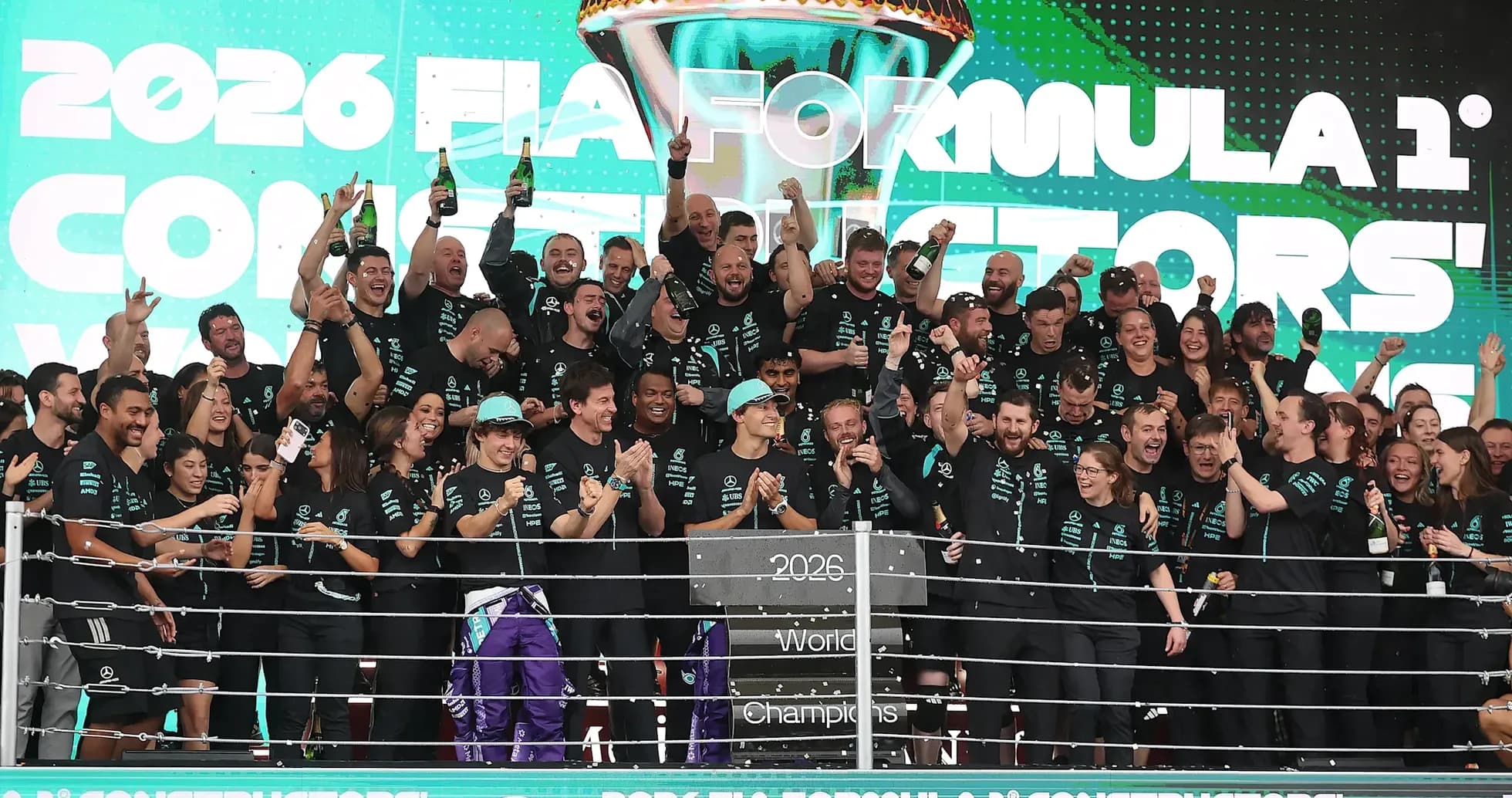
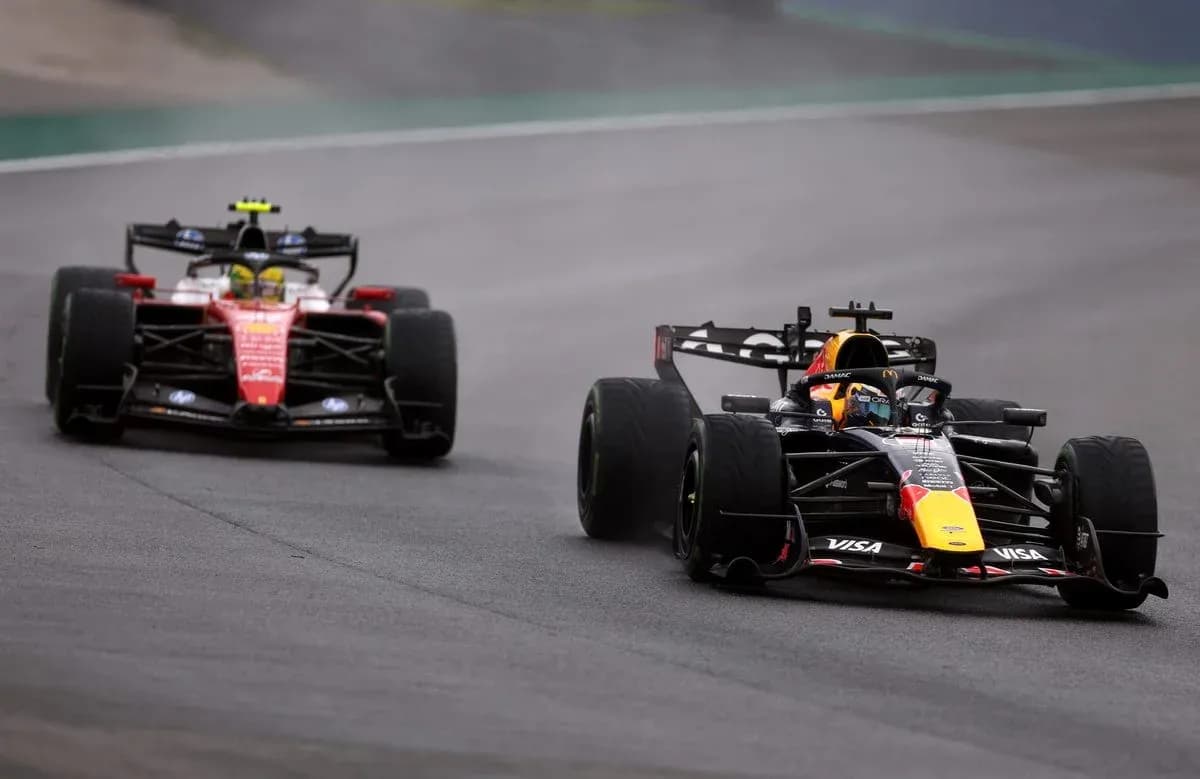
A week after Kimi Antonelli rewrote the record books in Mexico as F1’s youngest ever world champion, the 20-year-old’s fifth place in Sao Paulo was enough to complete Mercedes’ clean sweep. George Russell finished just ahead of him in fourth, but Lando Norris’ victory for McLaren meant the Silver Arrows ticked off the constructors’ crown in oddly muted fashion, with only one win from the last five races.
This is not the suffocating stranglehold of a decade ago. Back then, the hybrid era arrived and Mercedes crushed the field, winning eight straight constructors’ titles and turning 2014 into a procession: the first six races, then the final seven as well. This time, the numbers tell a different story.
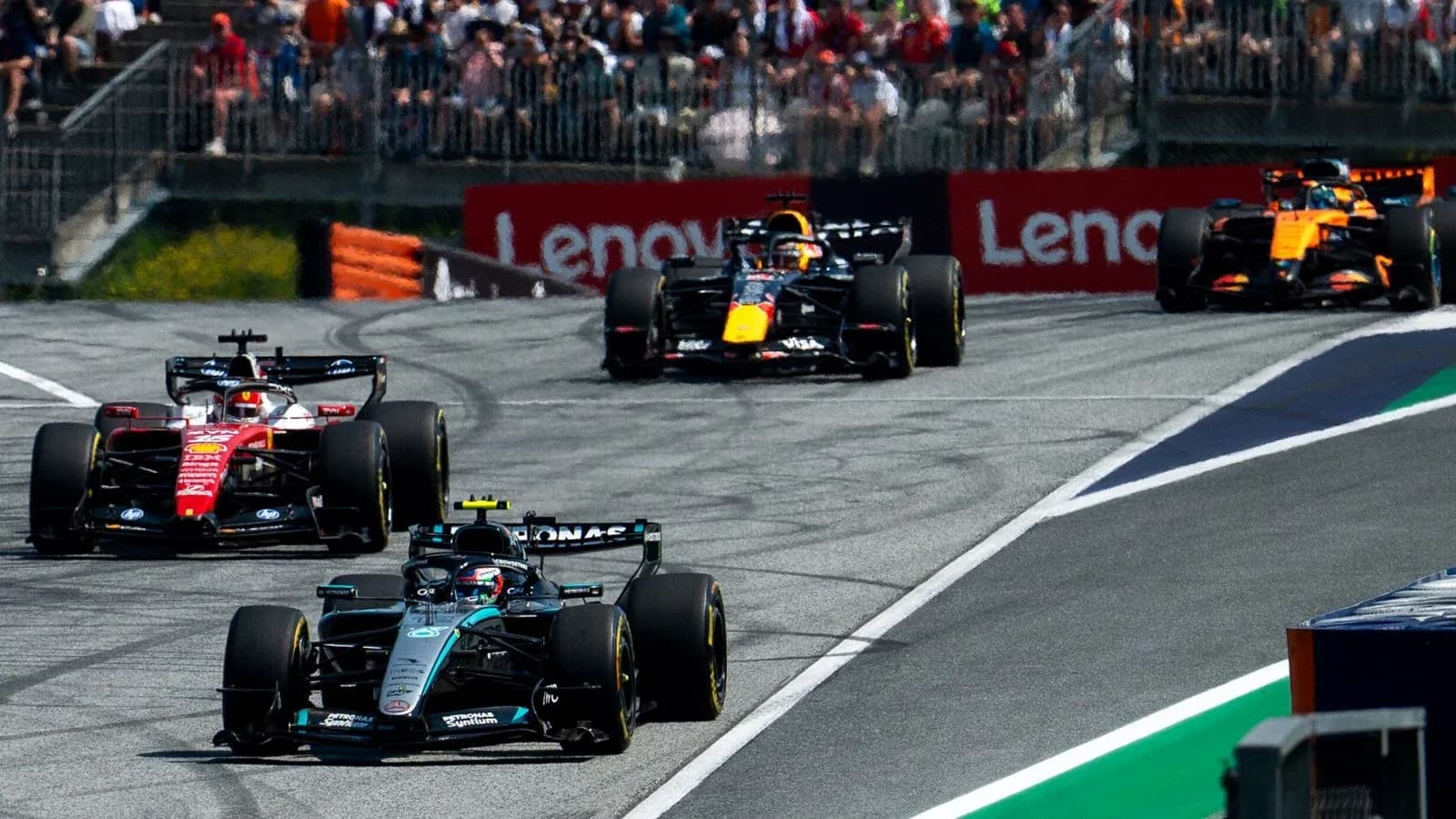
Mercedes still opened 2026 with six consecutive wins, but once the field began to understand the new rules, the gap closed fast. Since that early blitz, Mercedes have added six more victories. Norris and Max Verstappen have three apiece for McLaren and Red Bull. Ferrari’s Lewis Hamilton and Charles Leclerc have each stood on the top step once and could easily have had more. Four teams. Multiple winners. Genuine uncertainty.
Toto Wolff, who built the first Mercedes dynasty, can see the shift.
He talked in Brazil about an era where teams are simply too sharp, too well-resourced, to allow the sort of runaway seasons we’ve just lived through with Red Bull or a decade ago with Mercedes. One wrong turn on upgrades and you’re not just under pressure – you’re third-fastest, clinging on.
He doesn’t like that for himself. He loves it for the sport.
A power unit war without a runaway leader
The bedrock of Mercedes’ first hybrid era dominance was a monster power unit that left rivals gasping. This time, the landscape is more nuanced.
The FIA’s in-season testing of the new engines produced a surprise: Red Bull, in their first year as a full works manufacturer, were judged to have the strongest power unit. That verdict triggered controversy up and down the paddock, not least because Mercedes – already winning races comfortably – gained access to further development under the new ADUO (Additional Development and Upgrade Opportunities) system.
ADUO was created precisely for this ruleset: a safety valve to drag any struggling manufacturer back towards the front. Anyone more than two per cent down on the benchmark gets extra upgrade chances. Drop four per cent and the help ramps up again.
The argument over whether Red Bull truly had the best engine will rumble on, but the key point is clear: there is no repeat of 2014’s chasm. Red Bull’s power unit, born in Milton Keynes and still in its infancy, already sits in the same performance window as Mercedes. It will only get stronger.
That dynamic changes the equation. The title fight in this rules cycle is likely to hinge less on raw engine grunt and more on who nails the chassis, the aero, the tyre usage – and who can extract the most from their drivers when the margins are tiny.
McLaren add another twist. The Woking team run Mercedes engines and have already proved, with back-to-back titles in 2024 and 2025, that a customer outfit can win championships in modern F1. They insist that being a customer hurt them this year, especially under the first season of the new regulations, but they also know where they tripped up.
One example: gear ratios. McLaren’s shorter-than-intended ratios cost them performance, a detail that underlines the small but real disadvantages a customer team faces compared with a full works operation that controls every element of the package.
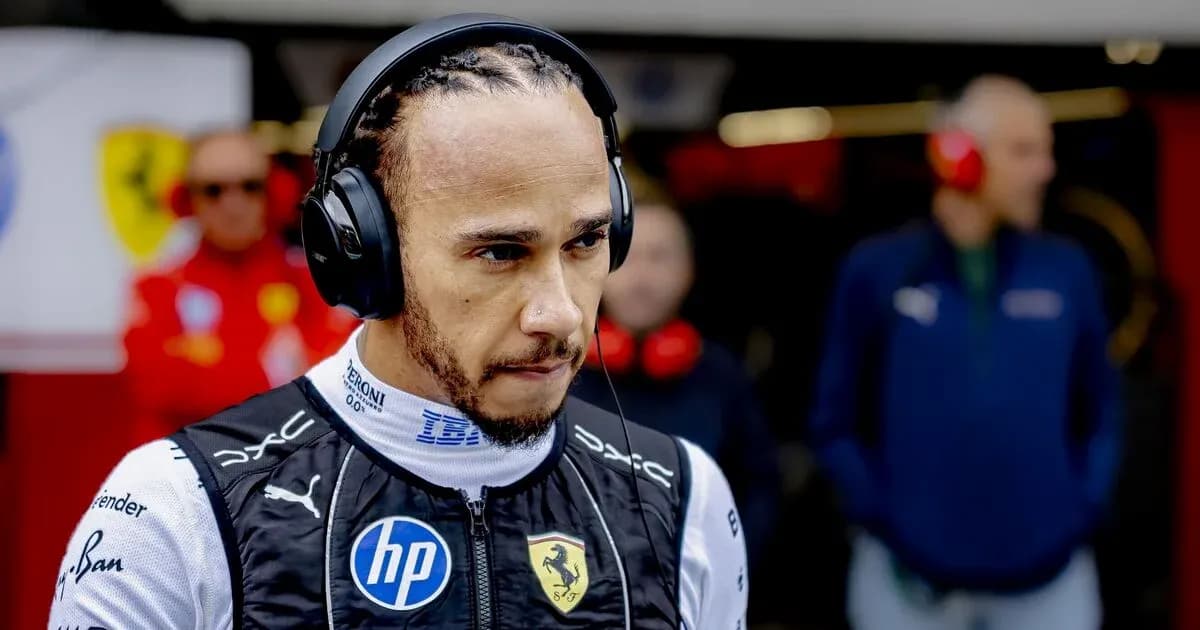
Ferrari, meanwhile, have been down on power all season compared to the other three heavyweights. Hamilton has been blunt from early on: closing that deficit is the priority heading into 2027. Maranello know that if they don’t fix the engine, all the strategy meetings in the world won’t matter.
Ferrari errors, McLaren trade-offs, Red Bull’s late charge
Strip away the engines and there is still plenty of low-hanging fruit for the three teams trying to knock Antonelli and Mercedes off their perch.
Ferrari’s story is painfully familiar. Raw pace that flatters to deceive, execution that frays under pressure. They have thrown away points through messy Q3 sessions when a front-row start was on the cards, strategic missteps, needless penalties and, at times, Hamilton and Leclerc fighting each other harder than the opposition.
Mexico was the season in microcosm: a likely one-two obliterated on the opening lap when their drivers collided. It is exactly the sort of self-inflicted chaos that keeps their title drought alive, no matter how quick the car looks on a Friday.
McLaren’s issues have been more strategic in the long term. They spent heavily – in both resources and focus – to make sure one of their drivers, Norris or Oscar Piastri, finished off the 2025 Drivers’ Championship. Norris did the job, but the hangover was a sluggish start to 2026.
Andrea Stella has since re-pointed the factory towards a full title assault under the new rules. The talent at Woking is not in doubt. Their capacity to balance short-term firefighting with long-term development will define whether Norris’ Sao Paulo win is a late flourish or a warning shot for 2027.
Red Bull, though, might be the most ominous of the chasing trio. Over the past couple of seasons they have reasserted themselves as development specialists, turning a slow start into a ferocious finish. This year, they ended the campaign with arguably the strongest car in pure performance terms.
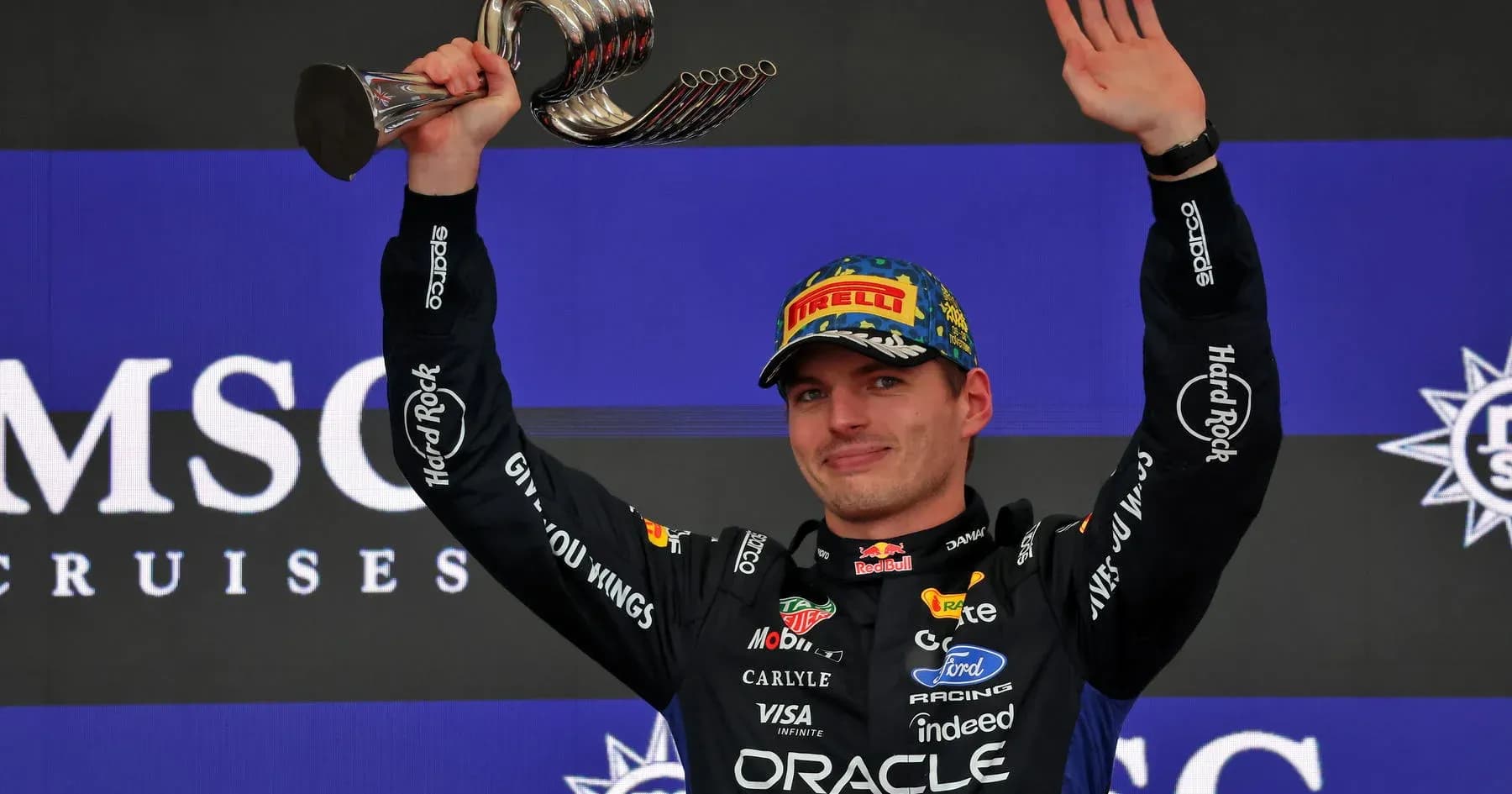
Verstappen’s form underlines it. He dominated the closing stretch of last season and came close to ripping the 2025 title from Norris’ hands. Now he’s on a run of eight straight podiums, stretching back to Monza in early September, and looks as relentless as ever.
The task for Red Bull is simple to state and brutally hard to deliver: stop starting on the back foot. If they roll into 2027 with a car as competitive in March as it tends to be in October, Verstappen becomes a terrifying prospect for everyone else.
Laurent Mekies, now at the helm of Red Bull, knows what this season has signalled. Turn up at a race weekend and you genuinely don’t know which of the four big teams will win. That uncertainty is the beating heart of this new era.
Did Mercedes blink – or are they hiding something?
For all the talk of a tighter field, Mercedes still won both titles. Yet the second half of their season has raised as many questions as it has answered.
The turning point came in Malaysia at the start of October, when the team rolled out a heavily trailed upgrade package for the rescheduled Bahrain Grand Prix at Sepang. Internally, they believed it would reassert them as the clear benchmark. On track, it fell flat.
Antonelli’s victory in Austin stands as the only win from five races with the new parts. While McLaren, Red Bull and Ferrari chipped away with frequent, incremental updates, Mercedes gambled on one big swing. It didn’t land.
If the team have truly been as surprised as they claim by the lack of performance, that misfire carries a sting. It suggests their development model – the very path they may be following for the 2027 car – could be built on flawed assumptions.
There is another reading. Mercedes know how to play the long game. In 2019, they started the year in crushing form, only for Red Bull and Ferrari to close the gap and fuel hopes of a classic 2020. Instead, Mercedes turned up with one of the most dominant cars in history.
So you have to ask: have they really stumbled with this upgrade, or have they quietly moved more resource onto next year’s machine than they are willing to admit?
Wolff cut a familiar figure in Sao Paulo: restless, already thinking ahead.
“There are three or four teams that will be competing for a championship next year, and it could go either way,” he said. The self-described “miserable half-empty guy” is already obsessing over the next race, the next title, the next threat.
He’s not alone. The trophies are already in the Mercedes cabinet, but the sense in the paddock is clear: this era is only just getting started, and the days of anyone running away with it might be gone for good.