McLaren and Red Bull Win Monaco Grand Prix Pit-Lane Penalties Battle
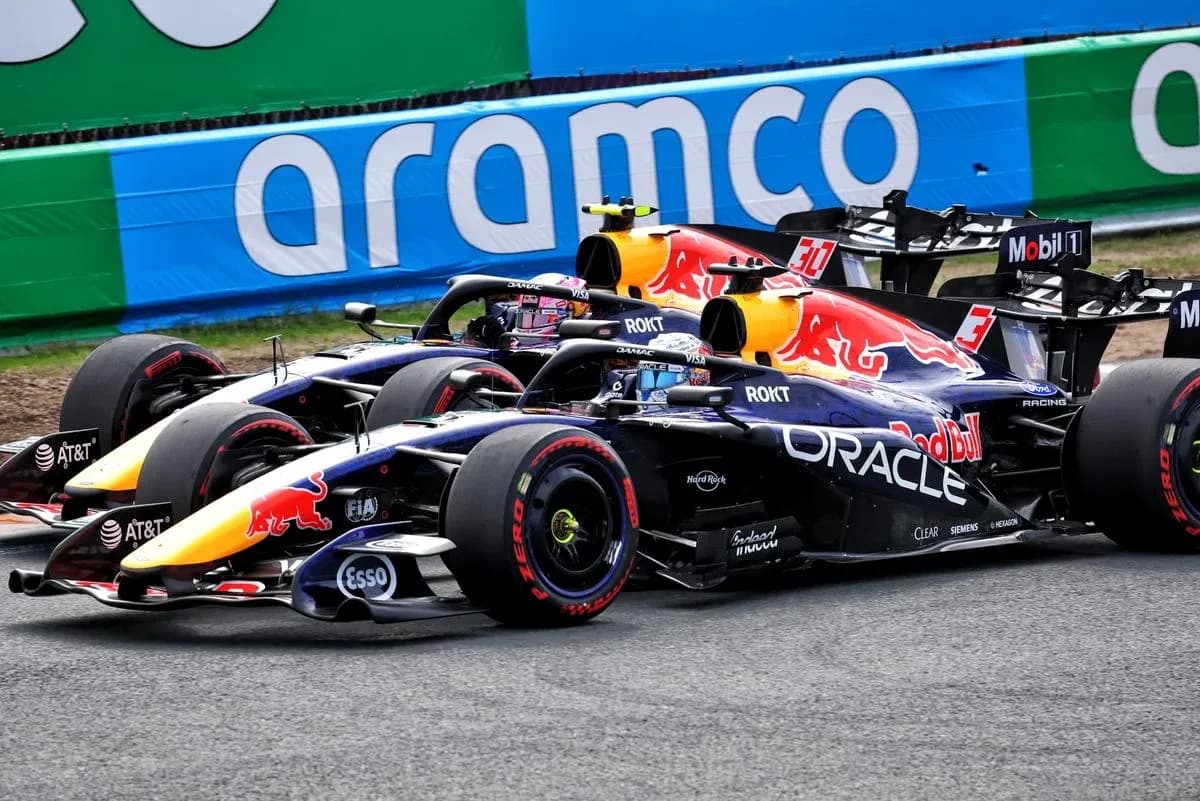
McLaren and Red Bull have won their fight over the chaotic Monaco Grand Prix pit-lane penalties, triggering a reshuffle of the podium and reopening an argument that cuts to the core of how Formula 1 polices itself.
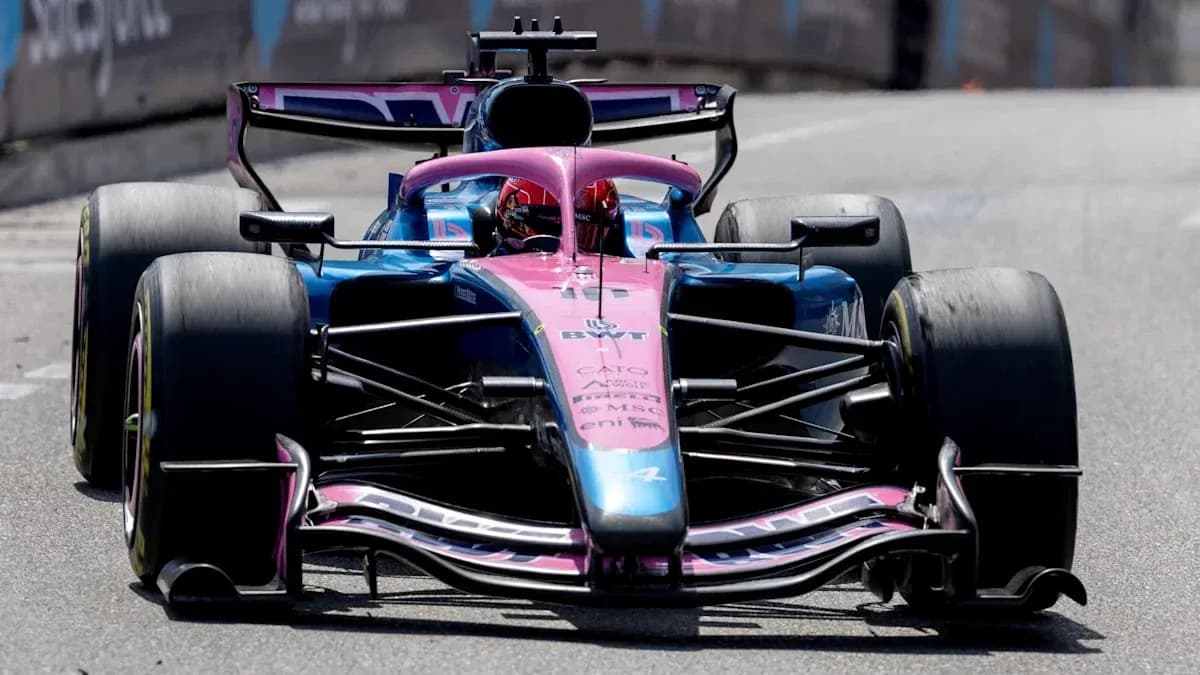
Pierre Gasly, who had already celebrated third place once after Alpine’s successful appeal in June, has lost it again. The Frenchman drops back to seventh – the position he held in the original official classification – as the FIA’s international court of appeal sided with McLaren and Red Bull and reinstated the penalties that were first issued.
Isack Hadjar is restored to third, Oscar Piastri to fourth. Racing Bulls pair Liam Lawson and Arvid Lindblad climb to fifth and sixth. Gasly falls behind them all.
For Alpine, it feels like whiplash.
A pit lane, 77 centimetres, and a storm
This entire saga grew from a strip of tarmac and a tape measure.
The controversy centred on a 77-centimetre discrepancy between the officially measured length of the Monaco pit lane and the absolute shortest line a driver could physically take. F1’s official timing system measures pit-lane speeding by average speed over a defined sector, not by instantaneous speed. That sector length – the distance used in the calculation – was established before the weekend, physically measured, checked, and communicated to the teams.
During Alpine’s original appeal, it was shown that by using a newly identified, slightly shorter “true” line through the pit lane, Gasly had never actually exceeded the 60km/h limit. On that basis, his two five-second penalties were overturned and the podium handed to him.
McLaren and Red Bull refused to let that stand.
Their argument was blunt: sporting fairness cannot allow the goalposts to move after the chequered flag. Teams had calibrated their pit-lane speed limiters and race strategies to the officially declared distance. That was the benchmark. Changing it retrospectively for one driver, even if a shorter line later proved possible, undermined the equality of competition.
The court agreed.
The judges’ line in the sand
The international court of appeal framed its decision around one principle: once a competition starts, the measurement standard must not shift.
F1, acting as the FIA’s designated timekeeper, had:
- Tape-measured the pit-lane length.
- Entered that value into the timing system.
- Used it throughout practice and the race.
- Rechecked it when concerns were raised before lights out.
- Reconfirmed it again when stewards asked for reassurance during the grand prix.
At no stage did F1 advise race control, the stewards, or the teams that a different distance should apply.
The court underlined that:
- The same distance parameter must apply to every car.
- The fact that a shorter geometric line was later identified did not make the original measurement “incorrect”.
- The benchmark cannot be retrospectively displaced for a single competitor after the event.
In a key passage, the panel ruled that “sporting fairness absolutely precludes the retrospective replacement” of an established calibration parameter “by a different geometric or measurement approach for the purpose of re-adjudicating an individual competitor’s result”.
In other words: you race to the rules you’re given. You do not rewrite the ruler on Monday.
Winners, losers, and lingering questions
McLaren emerge with what they wanted: clarity, points, and a statement about how the sport should be governed.
Piastri had served a five-second pit-lane speeding penalty in Monaco and lost two points as a result of Gasly’s reprieve. He now gets them back. Red Bull’s Hadjar, too, recovers a podium that had slipped away in the legal wrangling.
McLaren called the verdict an important step for “clarity” and “integrity”, stressing their appeal targeted neither Alpine nor the FIA, but the consistency of regulation for all competitors.
Alpine see it very differently.
The team maintains that Gasly did not, in reality, break the pit-lane speed limit at any point in the race. They insist they have been “unjustly punished”, even as they accept the panel’s ruling and talk publicly about focusing on performance and their tight championship battle.
They have already sent the third-place trophy to Red Bull’s Milton Keynes base. Symbolic, and painful.
The fallout stretches beyond the podium.
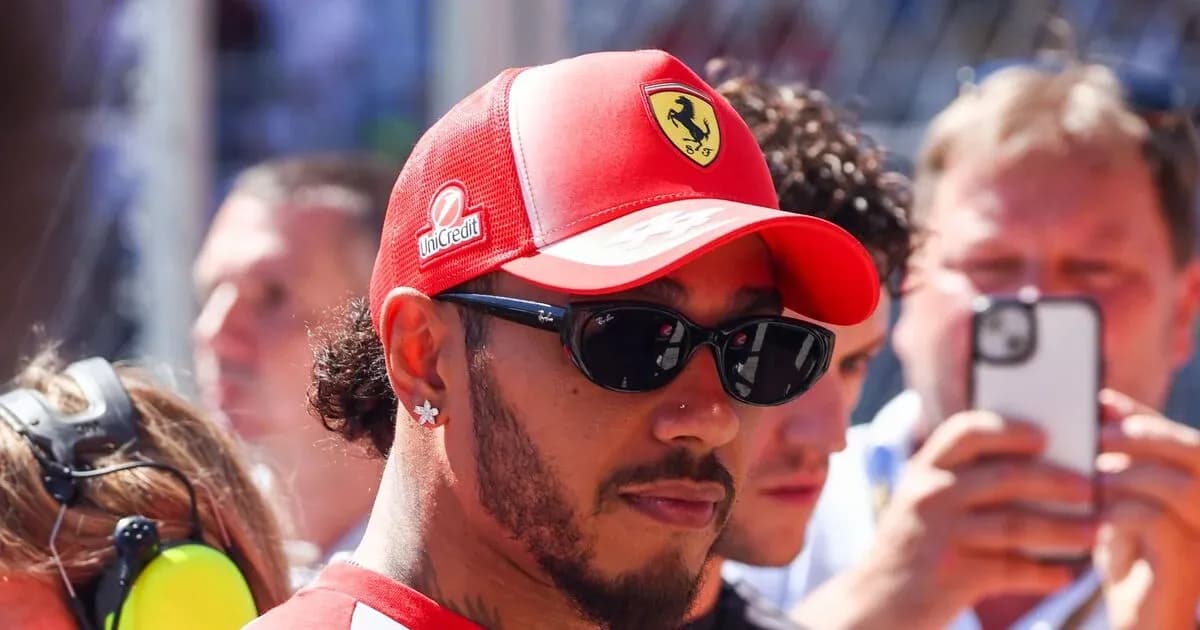
The pit-lane speeding saga also hit several other drivers, including Mercedes’ George Russell and Ferrari’s Lewis Hamilton, as well as Piastri. Russell’s case is particularly raw at Brackley. Mercedes argue he never exceeded 60km/h under the established measurement, yet his race was wrecked when the team failed to correctly serve a pit-lane speeding penalty. That mistake triggered a drive-through, dumping him from a points-paying position – ahead of Hadjar and Gasly at the time – down to 12th.
The court, though, did not touch those questions. It did not rule on whether the penalties for Hamilton, Russell or Piastri were correctly applied, nor whether their cars ever physically breached the 60km/h limit. Its remit was narrow: decide whether Gasly’s penalties could be rescinded based on a different post-race distance calculation.
On that, the judges were unequivocal. They could not.
What comes next?
The ruling closes one door and cracks open another.
The sport now has a clear legal precedent: once an official distance parameter is set and communicated, it stays fixed for that event, regardless of any later geometric refinements. Teams calibrate to a single, common benchmark. They live or die by it.
Alpine, though, are not entirely out of moves. The team says it is “considering its options” on whether to pursue the matter further. The only realistic path left would be to take the case to the Court of Arbitration for Sport.
Would that court be willing to challenge the FIA’s own appeal body over the philosophy of sporting fairness versus physical reality? That is the next battle Alpine must weigh – on paper, in courtrooms, and against the ticking clock of a season that will not wait.