Max Verstappen Prepares for Painful Experience at Monza
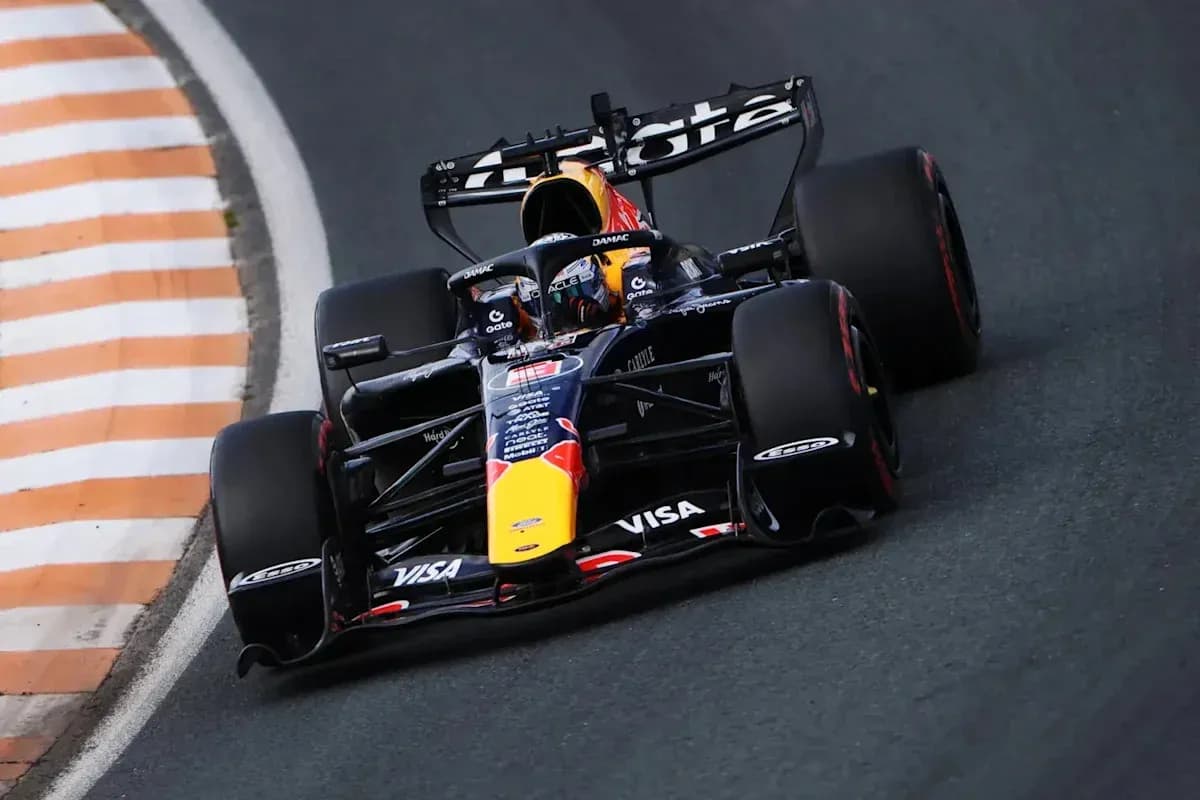
Max Verstappen has already braced himself for Monza. Not for the usual high-speed thrill of the Italian Grand Prix, but for what he calls a “really painful” experience in the 2026-spec Formula 1 cars around one of the sport’s most iconic circuits.
The three-time world champion has been one of the loudest voices against the incoming regulations, and the Temple of Speed is, in his eyes, where their weaknesses will be laid bare.
‘I accepted it mentally’
Verstappen has been warning about this weekend for more than a year. Back in 2023, he forecast that drivers might have to downshift on the straights at Monza under the new rules, thanks to the mandated 50:50 split between internal combustion and battery power on the 2026 cars. For a track built on flat-out running, that prospect cuts against everything Monza represents.
On Thursday, speaking to GPblog and other media, Verstappen did not bother to sugarcoat it.
“Really painful, it's very energy inefficient,” he said when asked how he expects the 2026 cars to feel at Monza. “But I also don't want to be too negative about it all.
“It's what it is, I accepted it mentally. Also, you know, just prepare for a weekend where it's a bit different. You cannot push flat out, you just have to be gentle with the throttle. Let's call it like that.”
The idea of a driver of Verstappen’s aggression “being gentle with the throttle” at Monza tells its own story. The circuit that once rewarded bravery and commitment through the Curva Grande and down to the Variante della Roggia could, under these rules, become an exercise in energy management and restraint.
‘Far from fixed’
Verstappen’s criticism of the 2026 framework has been a recurring theme this season, from his early “Mario Kart” jibe to repeated concerns over how the hybrid balance will distort racing at certain venues. He has, by his own admission, grown tired of repeating the same points, yet the looming test of Monza keeps dragging the conversation back.
He does at least acknowledge the effort behind the scenes.
Everyone involved, he said, is working to make the regulations as raceable as possible, but he is adamant that the job is nowhere near done.
Asked whether the mid-season tweaks to the 2026 rules might improve overtaking at Monza, Verstappen was blunt.
“It happens on a lot of tracks where changes are being made to try and make it better, but better doesn't mean that it's fixed,” he said. “It's far from fixed. But, I mean, everyone is trying to do the best they can, the FIA and F1, they are all trying to deal with the current situation.”
The message is clear: incremental adjustments will not magically transform how these cars behave at power-sensitive circuits. Monza, in his view, will expose the limitations rather than hide them.
No miracle cure for Red Bull
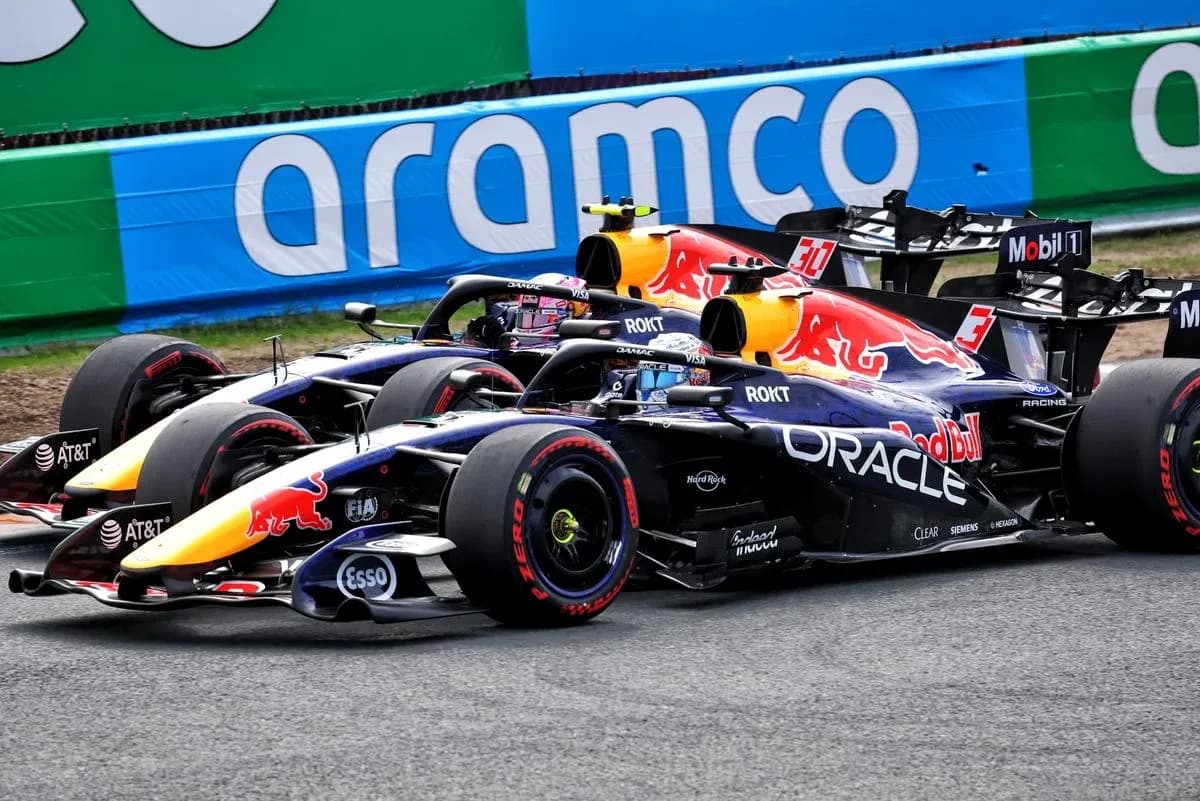
The conversation then swung from the future to the immediate challenge. Red Bull’s power unit has been widely praised, with the team from Milton Keynes labelled as having the best ICE package on the projected 2026 grid. That might suggest an advantage at a track where every scrap of efficiency matters.
Verstappen refused to buy into that narrative.
“I think on the inefficient tracks, we've not been particularly great with energy, so I don't expect miracles here. It will still be tough,” he said.
The Dutchman pointed to the development race around him. Rivals are rolling out upgrades, chipping away at Red Bull’s margin and, in some cases, overtaking them on specific layouts.
“Other teams around us are bringing upgrades at the moment, so they are making steps forward,” he added. “We were already behind before that, so I don't expect that to change now. But we just try to learn more about the car and the things that we want to do different for next year as well.”
So Monza, usually framed as a pure test of speed, becomes something else for Verstappen and Red Bull this weekend: a live laboratory. A place to suffer, to measure, to understand.
If the sport cannot find a way to make its new era thrive at the Temple of Speed, the questions facing F1 in 2026 will only grow louder.