Liam Lawson's Uncertain Future in Formula 1: A Red Bull Dilemma
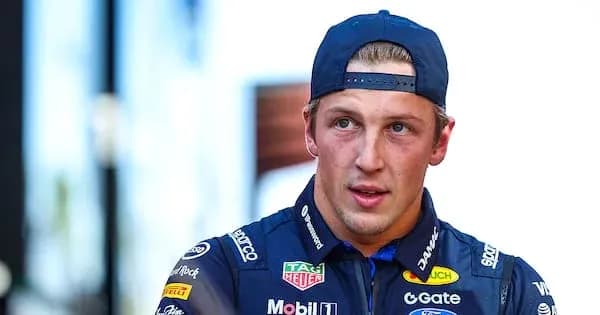
Liam Lawson’s Formula 1 future has become one of the sharpest talking points of the 2026 driver market, and the debate around his ceiling is getting louder with every race he starts.
On paper, next year’s grid looks relatively settled. Thirteen drivers already have contracts for 2026, and most of the remaining nine are widely expected to stay put. Stability is the theme almost everywhere.
Almost.
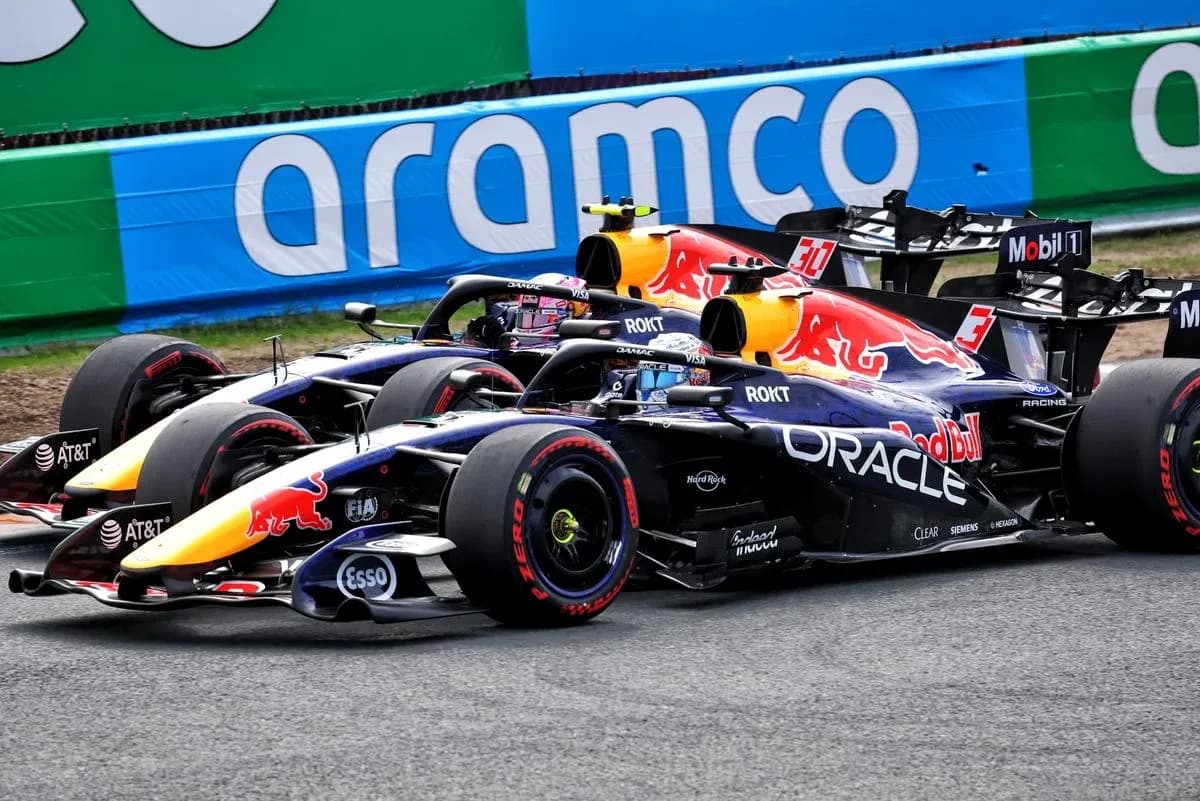
At Red Bull, the picture is far more volatile. Across the four seats in the main team and Racing Bulls, only Max Verstappen is locked in. The rest is a puzzle of talent, timing, and expectation that cuts right to the heart of what the company wants to be in this new era.
A likely plan – but an uncertain future
Current indications from within the Red Bull camp suggest continuity rather than revolution. The internal roadmap, as understood in the paddock, points towards Isack Hadjar stepping up to partner Verstappen at Red Bull, with Liam Lawson continuing at Racing Bulls alongside Arvid Lindblad.
It sounds neat. It isn’t.
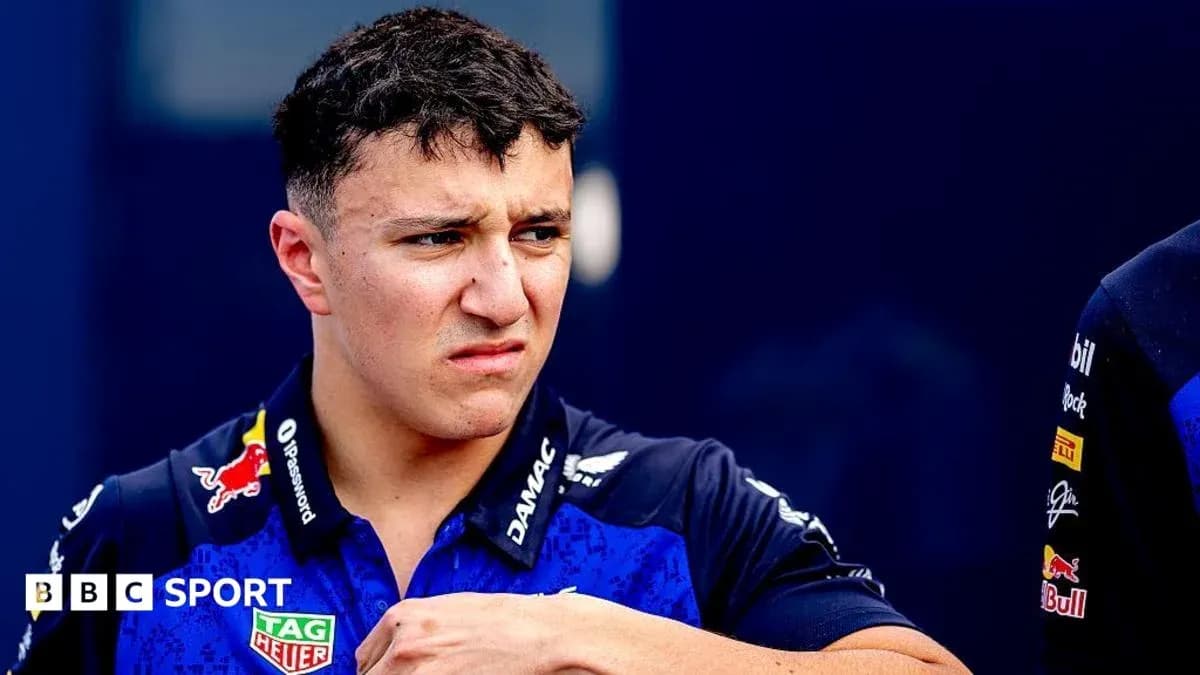
Lawson’s short-term role appears safe enough, but his long-term status is anything but. His name sits at the centre of a bigger question: is he a future Red Bull race winner, or a reliable stopgap in a system built to churn out superstars?
The New Zealander has been thrust back into the spotlight after stepping in for the injured Hadjar at the last three Grands Prix. He has responded with solid, if not spectacular, results: seventh in Zandvoort, 14th at Monza, sixth in Madrid. Respectable points, composed drives, no drama.
For some, that’s encouraging. For Nico Rosberg, it’s not nearly enough.
Rosberg’s hard line on Red Bull standards
Rosberg, the 2016 world champion and now a prominent voice in the paddock, did not sugar-coat his view of the situation when speaking on Sky F1.
"That's certainly a difficult decision," he said. "They do need to decide at some point.
"The thing for Red Bull, though, is they're looking for the next Max Verstappen and the next Sebastian Vettel.
"Everything else is just not good enough. At the moment, I'm not sure that Liam Lawson would be considered at that level with what he's been producing so far.
"With Lindblad and also Hadjar, it's still possible in the discussions for them."
The message is blunt. For Rosberg, Red Bull is not a place for merely competent performers. It is a factory for outliers, for drivers who bend championships to their will. In that context, steady points finishes don’t move the needle.
His comments tap into an old Red Bull truth: this is a team that has historically prized raw, explosive potential over safe hands. Under that philosophy, Lawson’s recent run sits in an awkward middle ground – good, but is it generational?
Mekies pushes back
Inside the Red Bull organisation, the tone is very different.
Laurent Mekies, Red Bull team principal and CEO, has been quick to defend Lawson’s contribution. For him, the performances of the last three races can’t be reduced to a simple comparison chart.
"I think he's done a very good job," Mekies said. "I think we all know how difficult it is to jump to a different team, to a different car, and I think that he has done that to the best of what could have been our expectations.
"He has taken some very important points today with the P6. He did the same in Zandvoort and in Monza he would have done something similar without the contact with Nico [Hulkenberg] and the front wing damage.
"So, I think he did a very good job, again very different pictures compared to the first two races of 2025 when he was in the team so we are thankful and happy with that."
Mekies’ argument is rooted in context. Lawson has been parachuted into a car that isn’t his, in a team that has evolved since his last stint in early 2025, and still delivered two strong points finishes in three outings. Strip away the Hulkenberg clash at Monza and the numbers could look even better.
This is not the language of a boss ready to move on from a driver. It sounds like someone willing to give Lawson room to grow.
A new Red Bull, a different kind of judgement
Rosberg’s critique still carries weight. His standards reflect the Verstappen-Vettel benchmark that defined the Christian Horner and Helmut Marko era. Under that regime, patience was thin, and the bar for “good enough” sat at a brutal height.
But this is not quite the same Red Bull anymore.
The structure has shifted, the leadership tone has softened, and the organisation appears more inclined to play the long game with its young drivers. That change could prove crucial for Lawson. Instead of being judged solely on whether he looks like “the next Max” after a handful of substitute drives, he might be given time to build a body of work.
For now, Lawson sits in a curious place: trusted enough to be thrown into the car when it matters, yet still fighting to convince some of the sport’s sharpest judges that he belongs at the very top of the Red Bull ladder.
The results are on the board. The defence from his team boss is strong. The question that remains is simple and ruthless: in a system built to find superstars, will consistency be enough to keep him there?