Lando Norris Leads FP1 at Brazilian Grand Prix
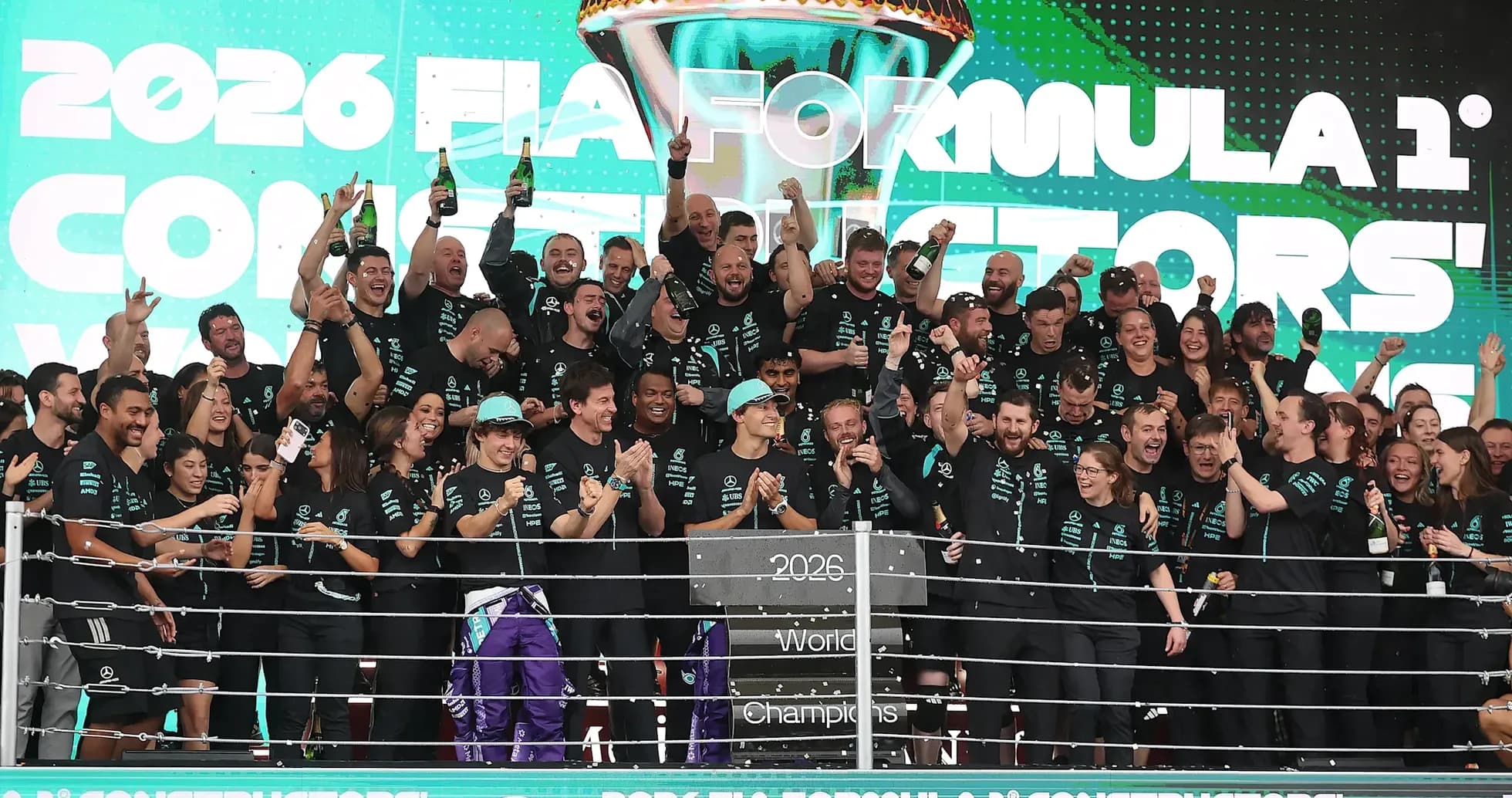
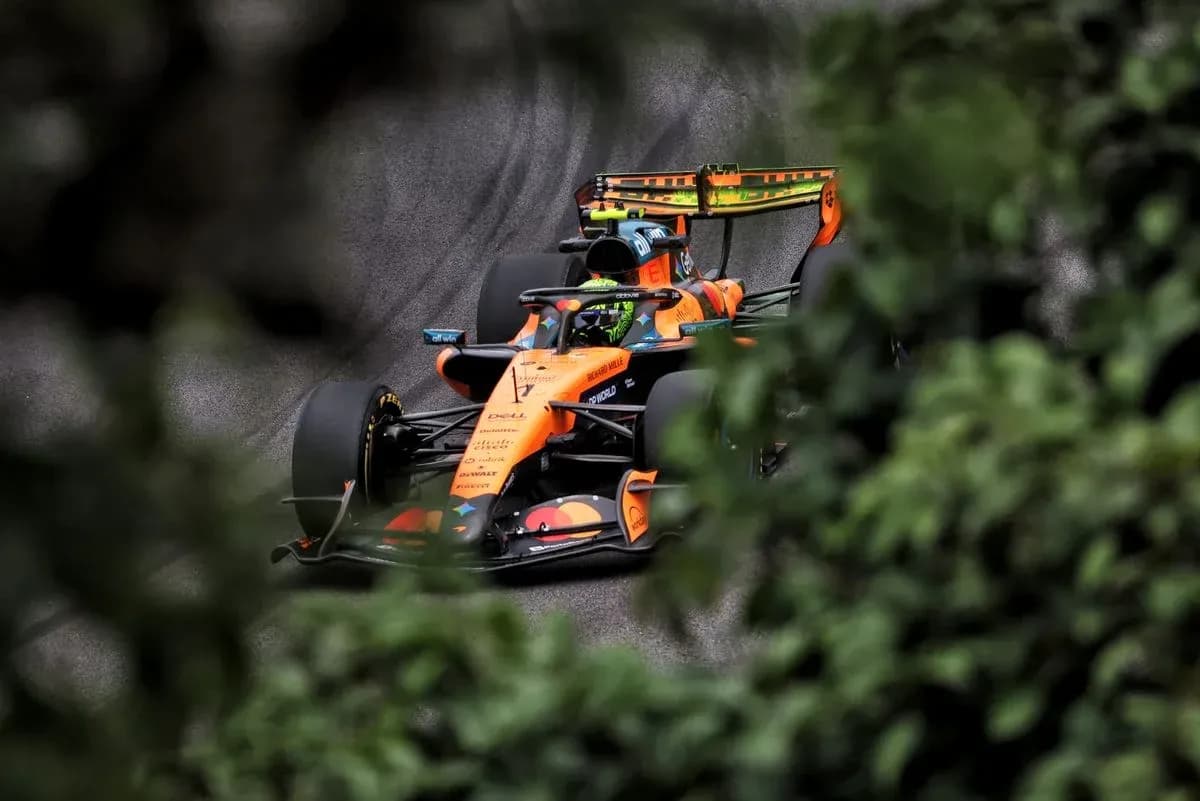
Lando Norris lit up first practice at Interlagos, edging freshly crowned world champion Kimi Antonelli in a tight Brazilian Grand Prix opener that also saw Colton Herta finally complete his long, winding road to an F1 superlicence.
McLaren arrived as the only team with a significant upgrade package – new front and rear wings, revised floor furniture and a tweaked beam wing – and Norris wasted no time showing there was bite behind the talk. His 1m11.717s lap set the early benchmark, just 0.082s clear of Antonelli, who looked every bit the champion easing into another weekend at the sharp end.
Four teams, four cars, one blanket
Behind that leading pair, the times compressed into a familiar modern F1 picture: different colours, same tiny margins.
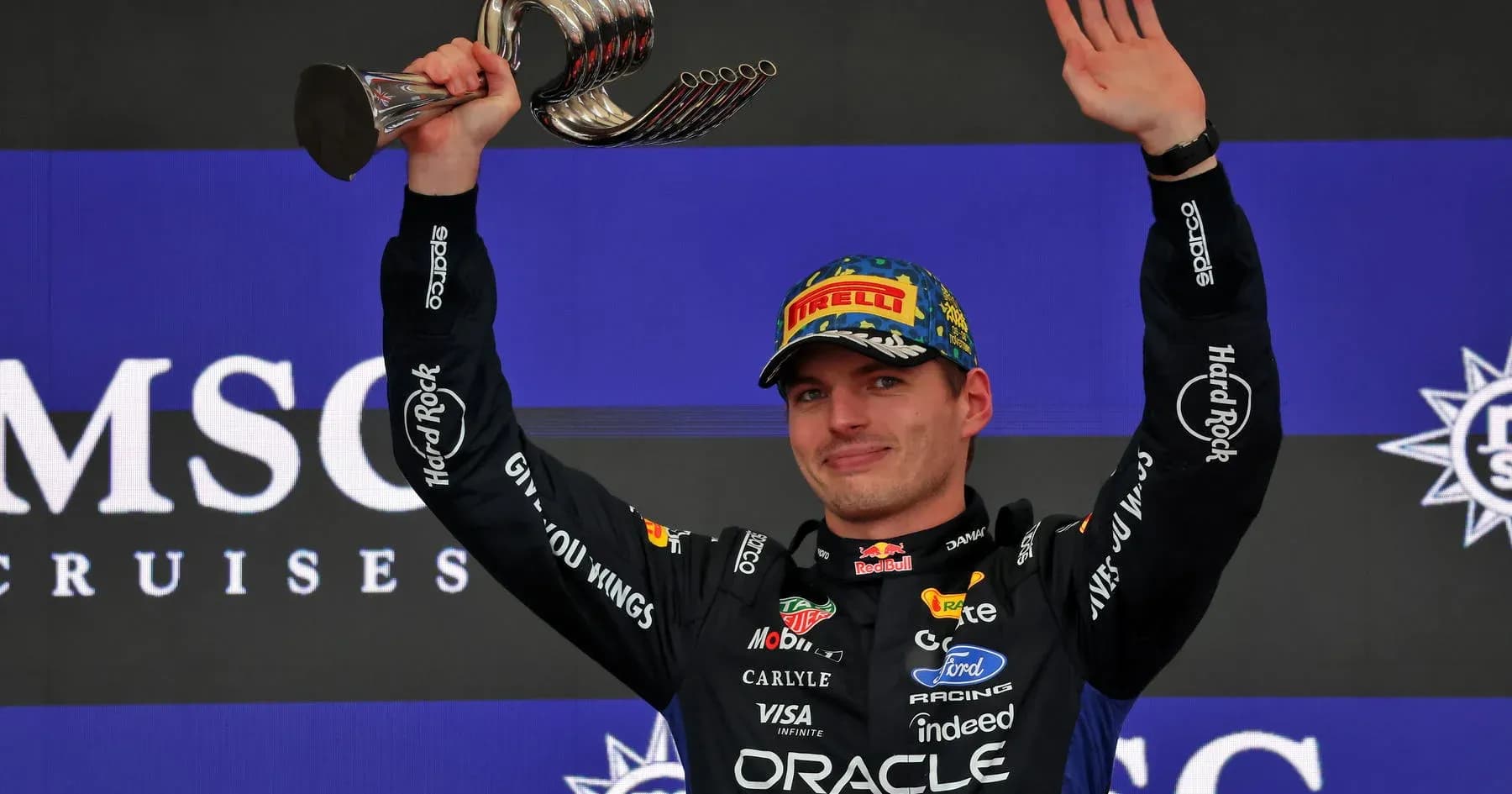
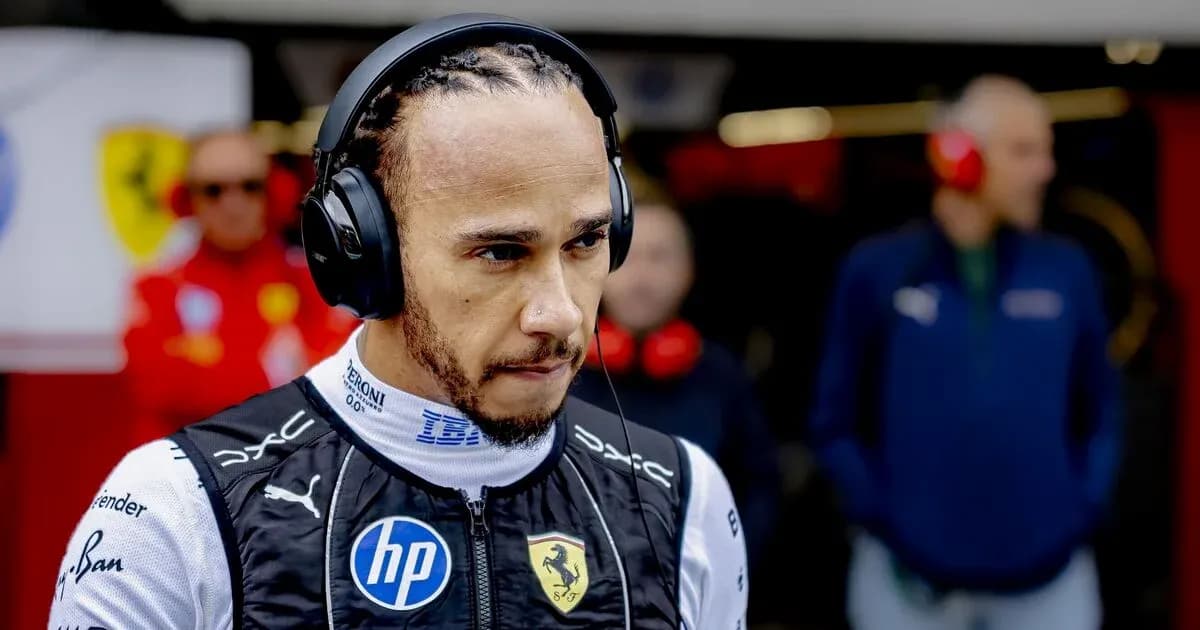
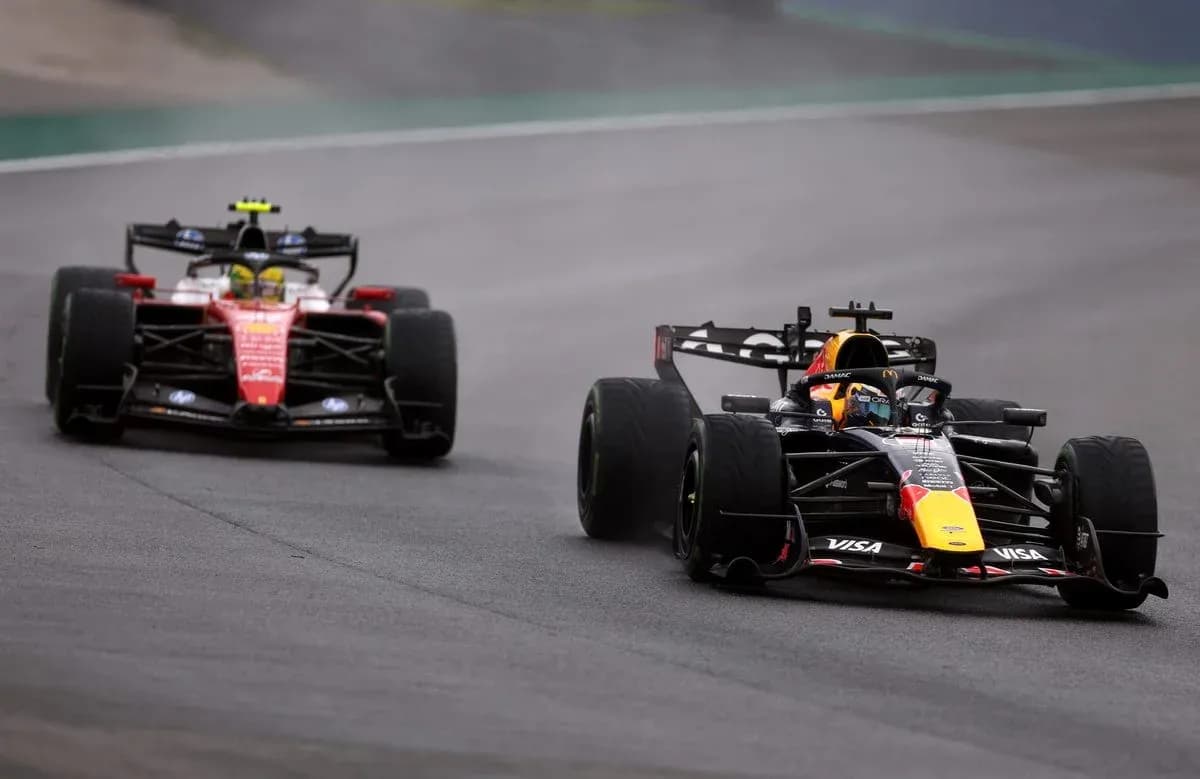
Max Verstappen slotted into third for Red Bull, though not without irritation. He complained over the radio about “unacceptable downshifts”, yet still ended up within a whisker of the top time. Lewis Hamilton, now in Ferrari red, made it four different teams in the top four, all covered by just over three tenths of a second.
George Russell backed up Hamilton in fifth, while Isack Hadjar continued his quietly impressive adaptation at Red Bull to take sixth. The gaps were small, but the intent from the front-runners was clear: this might be “only” FP1, but nobody was jogging.
Rookies, resumes and a home hero
This was a classic Brazilian Friday: hot track, busy timing screens, and a paddock full of rookies trying to make a point in a very short window.
Gabriele Mini led that particular charge. In his second consecutive FP1 for Alpine, he ended the session seventh, 0.852s off Norris and just under a tenth quicker than regular race driver Franco Colapinto, who finished ninth. Between them, on home soil, Gabriel Bortoleto planted his Audi in eighth, giving the crowd something extra to shout about.
Liam Lawson rounded out the top 10 for Racing Bulls, continuing to hover near the conversation every time he gets a chance in the car.
McLaren’s reserve Leonardo Fornaroli took 11th, ahead of Haas prospect Ollie Bearman, with Fernando Alonso’s Aston Martin in close company as the veteran worked through a more methodical programme.
Further back, Rafael Camara quietly ticked off an important milestone. Thrown into his first FP1 and into an unexpected grand prix debut this weekend as Esteban Ocon’s replacement, he finished 18th, eight and a half tenths behind Bearman. It was not about the headline time; it was about building up steadily to a race start he did not expect to make.
Herta’s long game finally pays off
For Colton Herta, this session was not about glory at all. It was about distance. Specifically, a little over 100 kilometres of it.
Cadillac believed they had already secured his F1 superlicence in Mexico, only for an FIA-verified check to uncover an error on IndyCar’s website that left Herta one point short. Brazil became his safety net – and his final exam.
By surpassing the 100km threshold in FP1 at Interlagos, Herta locked in the 40th and final point he needed when combined with his previous four FP1 outings and his IndyCar results. The stopwatch said he was nine tenths slower than Valtteri Bottas, who finished 15th, but that was almost incidental. The real result was bureaucratic, not sporting: one of the last formal obstacles to him potentially replacing Bottas in 2027 is now gone, if the team chooses to pull that trigger.
Mechanical misery and lost laps
Not everyone left FP1 with a sense of progress.
Freddie Slater’s second taste of F1 lasted barely longer than his first. After just seven laps, his Audi ground to a halt and triggered an early red flag. Across back-to-back FP1 appearances in Mexico and Brazil, he has managed only 21 laps in total – a meagre haul for a driver trying to compress learning into single sessions.
Dino Beganovic’s day never really flowed either. The Ferrari junior lost a chunk of time as the team changed his floor mid-session, and when he finally got a shot on soft tyres, he was told to abort the lap because of a car problem. Eleven laps, no representative run, and a notebook that will feel far lighter than he would have hoped.
As the sun dipped and the grandstands thinned, the timing screens told a simple story. Norris and McLaren’s upgrades drew first blood. Antonelli and Verstappen lurked menacingly close. Hamilton and Russell kept Ferrari in the mix. Behind them, rookies fought for futures, Herta secured his, and Interlagos did what it always does on a Friday – hint at a weekend that could yet explode into something far more dramatic.