Gasly Loses Monaco Podium as FIA Court Upholds Penalties
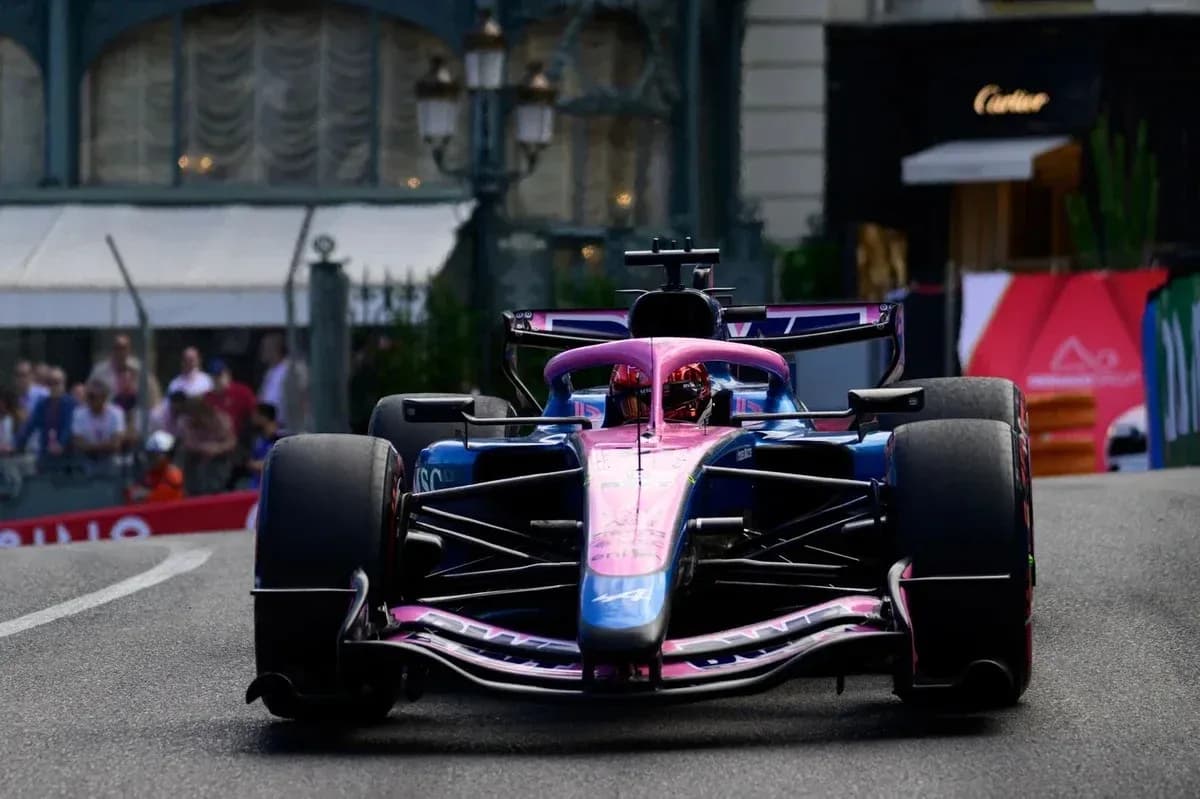
Pierre Gasly’s Monaco fairytale has been ripped up for a second time. The Alpine driver has lost his podium after the FIA’s International Court of Appeal ruled that his pitlane speeding penalties from the 2026 Monaco Grand Prix must stand.
What had briefly been one of Alpine’s few bright spots in a bruising season has turned into a legal and sporting tangle that now leaves Gasly back in seventh – and Red Bull’s Isack Hadjar officially on the podium in third.
A 77cm Error, a Grid Full of Penalties
The controversy was born not from a wild lunge or a clumsy collision, but from 77 centimetres of error in the pitlane timing system.
Several drivers were flagged for speeding in the Monte Carlo pitlane after the timing loops recorded unusually short intervals between the first two measurement points. Only later did it emerge that the distance between those loops had been inaccurately set, out by 77cm – enough to distort the readings and trigger a flurry of penalties.
For some, the damage was immediate. Oscar Piastri and George Russell served their five-second sanctions during the race. Russell’s case was handled incorrectly by Mercedes, which led to a further drive-through penalty and ruined his afternoon.
Gasly’s situation was different. His two five-second penalties were added to his race time after the chequered flag, dropping him from a hard-earned third place to seventh. Because the sanctions were post-race additions, Alpine had the right to request a review.
From Reprieve to Reversal
On 12 June, Alpine’s gamble appeared to have paid off. The FIA stewards, having reassessed the case, overturned Gasly’s penalties. The Frenchman was reinstated to third, the podium restored, the photographs and trophy finally matching the performance on track.
But that ruling created a new problem. Drivers who had served their penalties during the race – notably Hadjar and Piastri – had no way to “get back” the time they had lost. Red Bull’s Hadjar slipped from third to fourth in the revised classification, Piastri from fourth to fifth. Racing Bulls also saw both of their drivers drop a place. McLaren and Red Bull were never going to let that stand.
Both teams lodged appeals with the International Court of Appeal, backed by Racing Bulls and Motorsport UK. They argued that the Monaco stewards’ later decision to void Gasly’s penalties had created a fresh layer of sporting injustice.
On Friday, the Court agreed.
The ICA ruled that the original speeding penalties must be reinstated. Gasly falls back to seventh. Hadjar moves up to third, reclaiming the podium he had celebrated on the day. Piastri rises to fourth, and the rest of the order shifts accordingly.
Why Alpine Lost the Case
The key point in the Court’s reasoning was simple: Alpine could not prove, with complete certainty, that Gasly had actually driven a longer distance in the pitlane than the system had measured.
Because of the 77cm discrepancy between the timing loops, Alpine argued that Gasly’s shorter time between those points did not necessarily indicate speeding. The Court acknowledged that the gap in the data could mean a shorter path, a higher speed, or a mix of both. Without conclusive proof that the shorter time came only from the measurement error, the panel refused to throw out the penalties.
At the same time, the ICA addressed the broader fairness question. It confirmed that the fact other drivers had already served their penalties during the race “cannot be an obstacle to the cancellation of an illegitimate sanction, because those penalties were served at the discretion and choice of the team.”
In other words: teams chose when to serve those penalties. That decision cannot block the cancellation of another driver’s sanction, even if it looks unfair in sporting terms. To rule otherwise, the Court said, “would in return be inconsistent with sporting fairness.”
The nuance is stark. The Court accepted that some sanctions could be illegitimate in origin, but it also made clear that teams carry responsibility for how they respond to them in real time.
Alpine Furious but Forced to Move On
Alpine did not hide its anger.
In a team statement, it spoke of “disappointment and frustration” with the ICA verdict on the Monaco result, insisting it still “fully maintain[s] that Car #10 did not exceed the Pit Lane speed limit at any point during the race.”
The team believes it has been “unjustly punished,” yet it has no further sporting recourse. The Court’s decision is final. The message from Alpine is that, while the ruling stings, the focus now must return to performance and to what it describes as a “close and very competitive Championship fight.”
The statement closed with a defiant note: this outcome, it insisted, “will not deter the team’s efforts and motivation in achieving its objectives by the end of the season.”
Gasly, then, is left with a Monaco weekend that exists in two versions: the race he drove, and the result the record books will remember.
FIA Promises a Deeper Look at Its Systems
The FIA, for its part, moved to protect its stewards while accepting that its systems need scrutiny.
In its own statement, the governing body stressed that the ICA’s decision “upholds the appeals of McLaren F1 Team and Red Bull Racing against the decisions of the stewards contained in document 99 of the Monaco Grand Prix, effectively overturning those decisions.”
The federation confirmed it is “reviewing the methodology and operation of the current Formula 1 timing system and the related regulatory matters,” and will also look again at “other judicial procedures and operations including the right of review and the appeal processes.”
Crucially, the FIA underlined its support for the stewarding process and the independence of the panels that police grands prix around the world. It drew a sharp line between the environment in which stewards operate – fast-moving, under pressure, with limited time and information – and the more deliberative setting of the Court, which has access to “extensive and additional legal counsel input, arguments and evidence.”
The message is clear: the stewards are not being thrown under the bus, but their tools and the framework around them will be examined.
According to the FIA, its stewards already “constantly review their processes and take part in extensive professional development,” and every ICA decision feeds back into that loop, “ensuring a process of continuous improvement.”
For Gasly and Alpine, that improvement comes too late. For Hadjar, it delivers the biggest result of his fledgling Formula 1 career back into his hands.
And for the rest of the grid, Monaco 2026 now stands as a sharp reminder: in modern Formula 1, the stopwatch is only part of the battle. The rulebook, and the courts that interpret it, can rewrite the story long after the chequered flag falls.