Formula 1 to Shorten Grands Prix and Adjust Time Limits from 2027
Formula 1 is about to feel a little shorter – at least on paper. From 2027, the maximum race distance for grands prix will be cut from 305km (189.5 miles) to 290km (180.2 miles), a significant tweak to one of the sport’s longest‑standing parameters.
It is not a cosmetic change. It is a response to the next era of power units.
The hybrid balance is shifting. The current 53-47 split between internal combustion and electrical power moves to 58-42 next year, and then to 60-40 in 2028. More combustion, more fuel burn. That raised a very practical problem when some teams indicated they wanted to carry over their existing chassis to save costs.
The fuel tank sits inside the chassis. Its size is locked in. No redesign, no extra capacity. On some circuits, with the new fuel demands, that could have meant cars simply running out of fuel before the chequered flag. The answer: trim the race distance.
Time Limits Rewritten
The distance is not the only thing being tightened. The way F1 handles long, disrupted races is being reshaped as well.
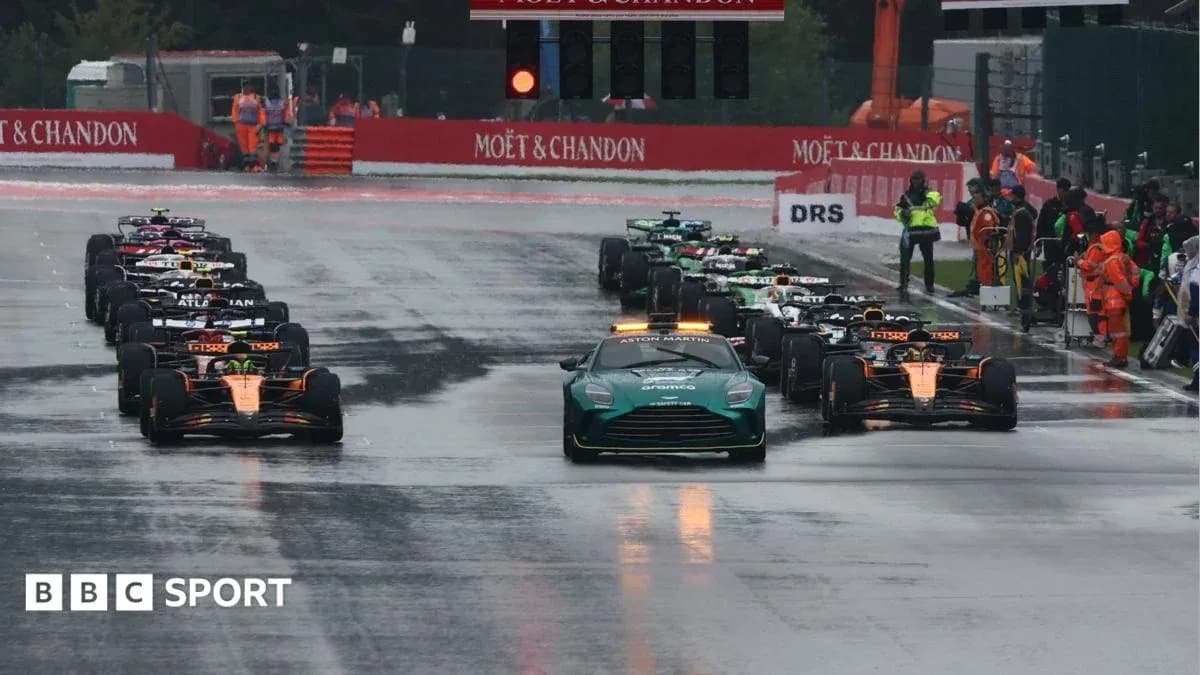
The two-hour limit for racing remains, but the old three-hour maximum event duration will be replaced by a new “hard stop time”. Once that cut-off is reached, the race ends, no matter what. The aim is clarity and a better chance of seeing a full contest when rain, crashes or lengthy red flags intervene.
That hard stop will not be a one-size-fits-all figure. It will vary from venue to venue, tuned to local conditions. Night races, with floodlights and no sunset to beat, will be able to run later. Day races, hemmed in by fading light, will have stricter limits.
In a statement, governing body the FIA framed the overhaul in simple terms: the changes are there “to ensure that the spectators have the best possible chance to enjoy a full race if disruptions occur.”
Practice Gets Breathing Space
The F1 Commission – the rule-making group that brings together the teams, the FIA and commercial rights holder F1 – also signed off on a quieter but important adjustment to weekends.
Free practice has long been the poor relation when it comes to stoppages. In qualifying and the race, a red flag halts the clock. In practice, it keeps ticking, slicing minutes off drivers’ preparation time whenever an incident or breakdown litters the track with debris.
That is set to change. The Commission has agreed to introduce greater flexibility to extend practice sessions if they are interrupted, giving teams a better chance to recover lost running and gather data in an era of increasingly compressed and high-stakes weekends.
Shorter races, sharper time limits, more adaptable practice. The calendar will look the same on the surface, but from 2027, the rhythm of a grand prix weekend – and the margin for error – will feel very different.