Formula 1: Anticipating the Sao Paulo Showdown
The titles are all but done. The paddock is not.
Kimi Antonelli has wrapped up the drivers’ crown, Mercedes stand on the brink of the constructors’, yet Formula 1 rolls into Sao Paulo with the restlessness of a sport that never really stops. Interlagos, with its bumps, its heat and its history, feels less like an epilogue and more like a prologue to 2027.
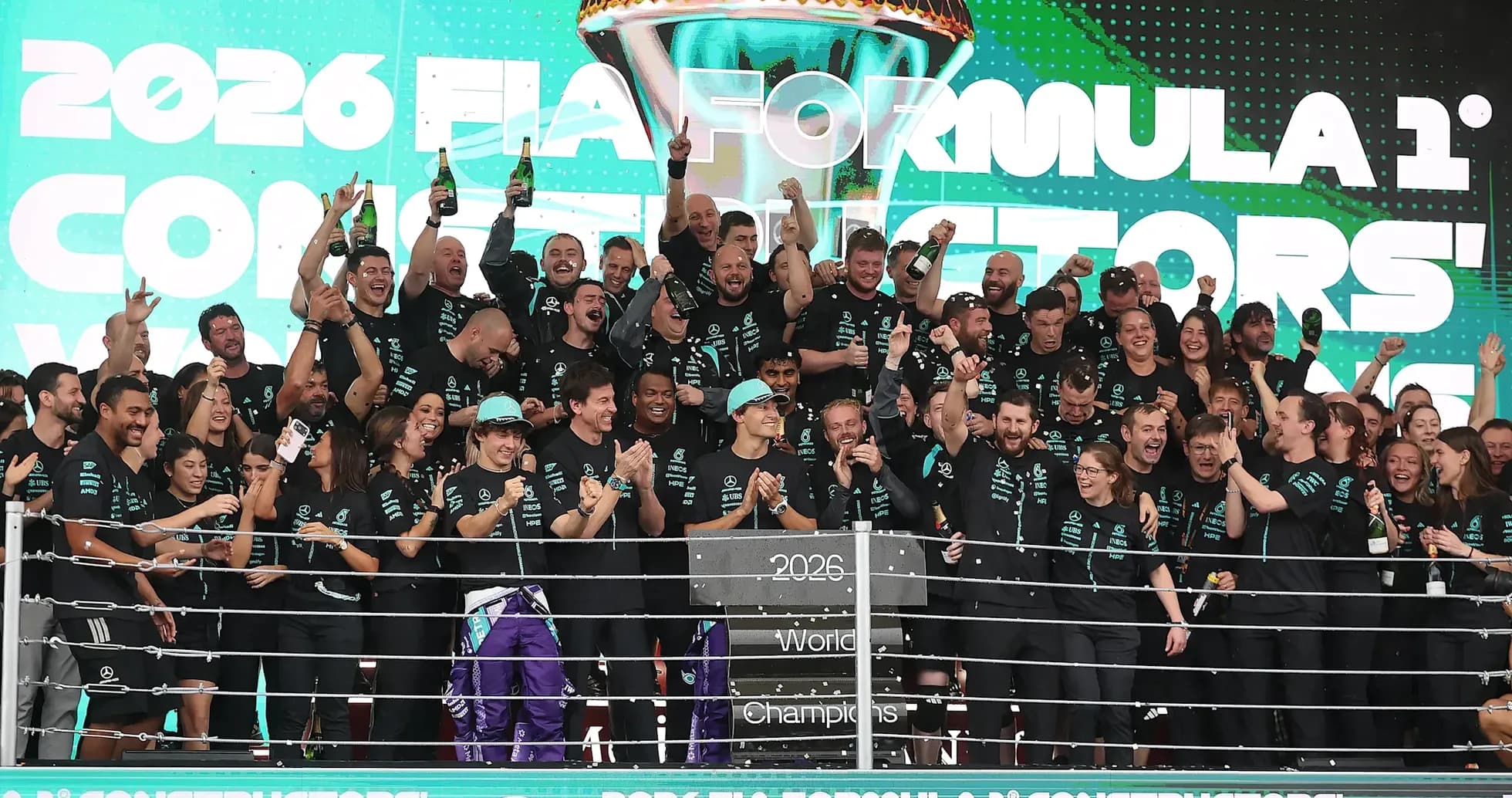
Antonelli has already framed the final races as pre-season testing for his title defence. George Russell, beaten but not broken, is combing through the wreckage of his campaign to understand where the year slipped away. Mercedes, though, have a simpler piece of business this weekend: score three more points than Ferrari and the constructors’ championship is theirs, a formal seal on their return to something resembling the dominance of the 2010s.
A season split in two
The first third of 2026 looked familiar. Mercedes crushed the field, taking seven wins from the first eight races and threatening to turn the season into a procession.
Then the script tore.
Ferrari, McLaren and Red Bull each found a way to the front. Across the last 12 races, Mercedes have still taken six victories, but Red Bull have three, McLaren two and Ferrari one. The chasm at the start of the year has shrunk into a four-team knife-fight.
Sao Paulo has offered only hints so far. Antonelli and an upgraded McLaren in the hands of Lando Norris looked sharp in Friday practice, but the real intrigue sits away from the timing screens.
Ferrari arrive carrying the heaviest baggage.
Ferrari’s civil war
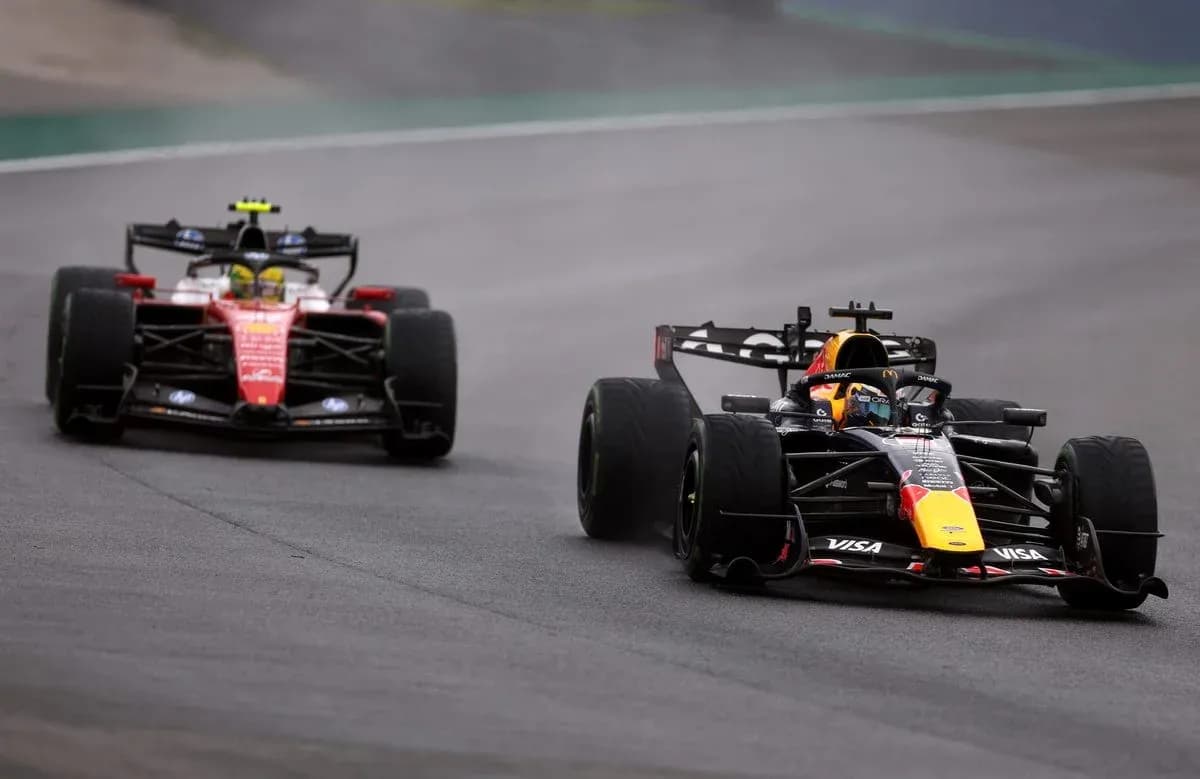
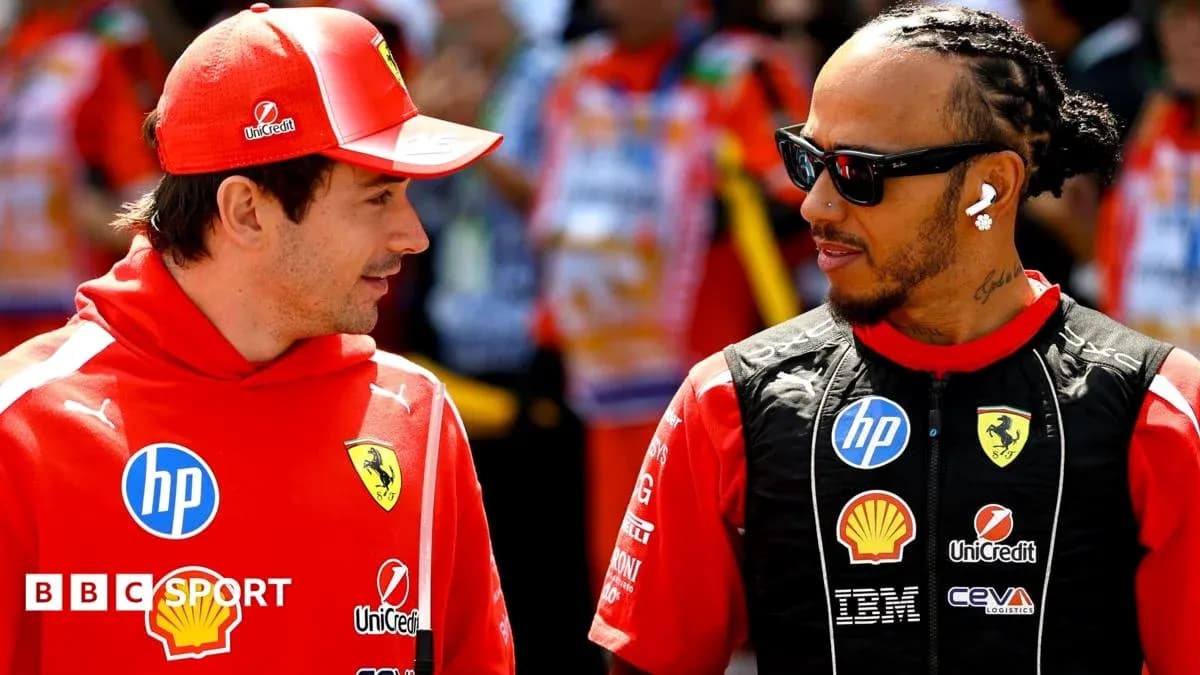
Mexico should have been a Ferrari one-two. Instead, Lewis Hamilton and Charles Leclerc managed to collide on the first lap, handing the race – and the headlines – to everyone else.
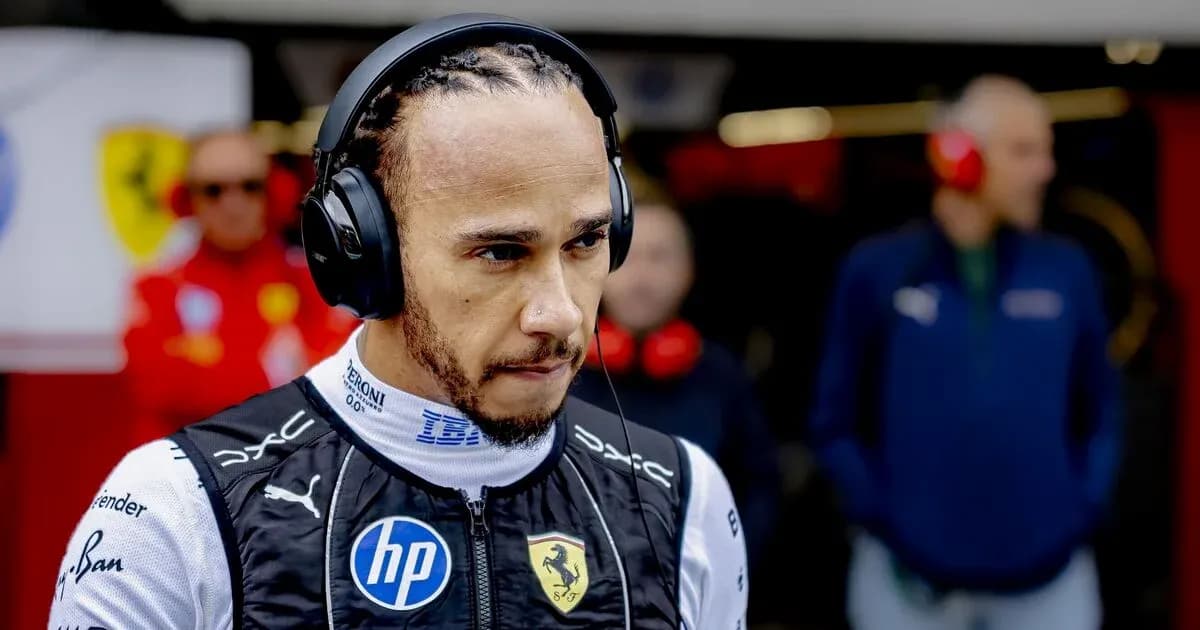
Hamilton did not hold back afterwards. He spoke of “big problems” and the need for “serious talks”. Those talks came on Thursday night in Brazil, when Leclerc and team principal Frederic Vasseur flew back from Europe and straight into a debrief that went far beyond telemetry traces.
“It went well,” Vasseur said on Friday. “It was good to discuss. It was good to clarify our positions and now we turn the page.
“The guidelines are still the same. They need to respect each other. They are competitive with fighting spirit but they need to respect the other one and the brand and the people working back home and on track.
“The message was clear and will stay clear. Overall it is true that they are working for the team and the team has to come first. It's clear we failed and we have to react but the meeting was a clear reminder that Ferrari comes first.”
The stakes are obvious. So is the volatility.
Hamilton has been particularly blunt. He has drawn a line between how Leclerc races him and how the Monegasque treats others, highlighting Singapore, where Leclerc yielded to Max Verstappen into Turn 1, and contrasting it with their clash in Mexico City.
“We could have easily had a one-two and so we definitely have to work towards making sure that doesn't happen again,” Hamilton said. He went further, suggesting this is part of a pattern in Leclerc’s relationships with team-mates, referencing Sebastian Vettel and Carlos Sainz.
He knows his words sting. He does not intend to soften them.
“Of course, there's some times you say things and maybe you might regret it afterwards, but I don't.
“I've never apologised for being authentic and real. And I'm not going to be silenced. I have not been asked to not say anything. And that's just the way it is.
“I wear my heart on my sleeve and I say how I feel in the moment.”
For Vasseur, this is not just about avoiding another messy first lap. It is about protecting Ferrari’s best chance in years to fight for a title.
If Ferrari can retain the chassis edge they’ve often enjoyed this season and drag their power unit up to the level of Mercedes and Red Bull, 2027 could be their shot. That is why Hamilton is pushing so hard.
“Naturally, it's not so easy having someone like me come into a team because I'm very outspoken and I push and push and push, push for so many changes and I'm going to be pushing for more,” he said.
“As long as I'm here, that's how it's going to be. I'm here to win. And to be able to win, you have to work with everyone around you.
“I truly believe that this team can be fighting for the championship next year.
“I'm in the process of working with the head of aero, the head of aerodynamics to make sure that we hold on to the goodness of the car we have this year and fix some of the small, subtle things that could be better.
“And obviously, the power-unit, they're doing their thing and I really hope that they're able to pull through.”
Ferrari’s internal peace, then, is not a luxury. It is a prerequisite.
Red Bull’s late charge
Across the paddock, Red Bull’s problems feel almost quaint by comparison.
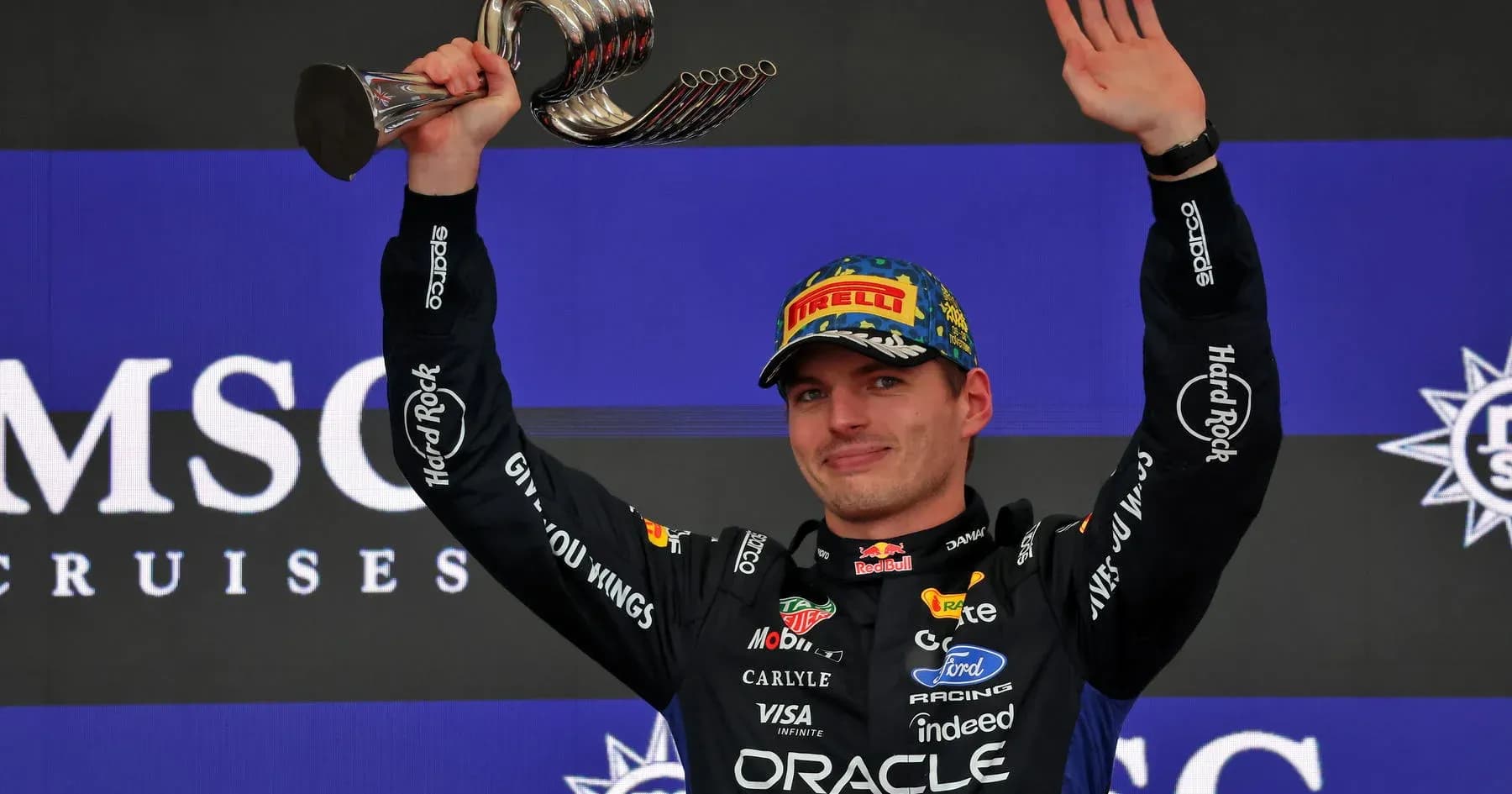
Max Verstappen has quietly turned a salvage job into a surge. His win in Mexico – profiting from Ferrari’s implosion – was his third victory in four races and has lifted him to second in the drivers’ standings, a position that looked wildly optimistic when Red Bull were nearly a second off the pace early in the year.
“It's a big surprise to be second in the championship, but we take it,” Verstappen said.
“We had a lot of difficulties as a team in the beginning. The car was not where we wanted it to be. Probably also we still had to learn quite a bit from the power units, and I think we really learned a lot throughout the season.
“From my side, it's just you never really give up or, in terms of, like, you just never really settle for P6 or P7, right?
“Even when I was in that position or fighting the midfield, I was still trying to do the best that I could get out of the situation.
“Sometimes that is a P6 when the car is not able to perform better. But then once the car is in a better window, then you can fight further up front and eventually, of course, win races.
“And, of course, when you win, you take points out of everyone else. So that's been the scene a bit the last races, and I'm, of course, very happy with that.
“But it also shows that the team never gave up and they were really pushing to find these improvements and understand the difficulties. I'm just happy that within a season we had such a big turnaround.”
The scrap for second is tight. Verstappen leads Hamilton by two points, Hamilton sits nine ahead of Russell, and Russell has five in hand over Leclerc.
None of them grew up dreaming of finishing runner-up. All of them know what comes with a top-three finish: a compulsory flight to Shanghai a week after Abu Dhabi for the FIA prize-giving. For some, fourth place and a quiet December might not be the worst outcome.
Yet for teams, there is nothing ceremonial about the constructors’ table. It decides prize money, and there are only 17 points between Red Bull and McLaren in the fight for third – a gap worth somewhere around $10m. That sharpens focus very quickly.
McLaren’s compromise season
McLaren’s year has followed a similar rhythm to Red Bull’s, only from a different starting point.
They opened the season a long way behind Mercedes, then hacked chunks out of the deficit. In the summer, when Norris won in Hungary and the Netherlands, they briefly looked like the class of the field. That spell did not last.
The team know why. They entered 2026 having deliberately compromised their long-term prospects to make sure they converted last year’s title. Now the bill has arrived.
The car carries structural flaws: gear ratios that are too short, too much drag, a wheelbase that is smaller than ideal. None of those can be fixed mid-season. All of them are on the list for 2027, when the steep learning curve with the new power units will have flattened.
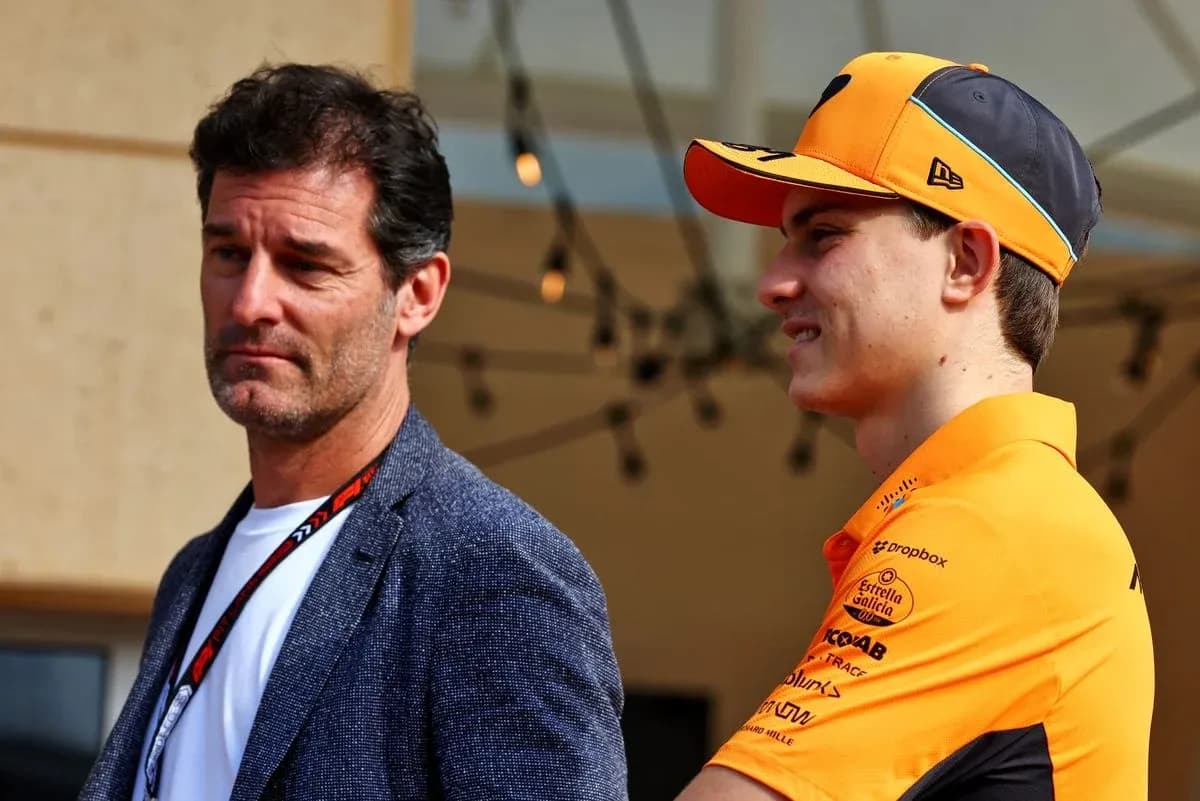
In the meantime, they are still swinging. Upgrades have arrived this weekend, and Norris senses an opportunity to edge back into the podium conversation.
“I certainly feel like the last few weekends, the pace has not been too bad on Sundays,” he said.
“I feel like if things were just a little, little bit better, talking small amounts, we certainly could have had better results. And I'm hoping that the upgrades and some of the things we have this weekend can maybe just shift us a little bit more in this direction.
“I certainly don't expect to go out and win races all of a sudden. But the last few weekends, we've certainly not been miles away. We certainly have some weaknesses in the car and just the drivability, the difficulty of driving it is certainly one of the biggest factors at the minute.
“But the potential has been there. So I hope if it just puts us a little bit more forward in qualifying, we just have a little bit better chance in the race. And of course, I would like to be back on the podium as soon as possible.”
McLaren know exactly what this stretch is: a live laboratory. Every lap now feeds into next year’s car, which in turn must bridge the gap to a Mercedes team that started these regulations far better prepared.
Racing under a shadow
On paper, Brazil is the first of four remaining races: Sao Paulo, Las Vegas, Qatar and Abu Dhabi. In reality, the calendar carries a question mark.
The war in the Middle East has thrown Qatar and Abu Dhabi into doubt. MotoGP, owned by the same US group that runs F1, is in Qatar this weekend, operating as a kind of test balloon for F1’s planned visit at the end of the month.
Personnel there have been handed an unsettling set of instructions on what to do in the event of a missile strike. It is a stark reminder that for all F1’s obsession with control – of data, of strategy, of marginal gains – some things sit entirely beyond its reach.
A decision on the Gulf races is close. F1 has consulted governments and security experts and believes it has sought every assurance available. That is the limit of its power.
Teams know the feeling. They can design, develop, simulate and refine. They can manage egos and rewrite run plans. They can’t dictate what happens when 20 cars funnel into Turn 1 or when geopolitics intrudes on a sporting calendar.
So they press on.
Mercedes chase three more points than Ferrari. Ferrari chase harmony before it costs them more than a race win. Red Bull and McLaren chase each other – and a slice of prize money that shapes budgets and ambitions.
The championships might be sewn up, but the questions that will define 2027 are being asked here, in the heat and chaos of Sao Paulo. Who learns fastest now, who holds their nerve, who keeps their team intact when the pressure spikes?
We are about to find out.