Ferrari’s Engine Upgrade: Progress or Just a Small Step?
Ferrari’s new engine arrived with a shrug from Fred Vasseur and a stopwatch that told a more complicated story.
The team principal, who treats upgrade hype like a contagious disease, called it a “step” but admitted there is still “a decent gap”. On Friday’s evidence, he is right on both counts. Ferrari has moved forward. Just not far enough to bully Mercedes off the top of the timesheets.
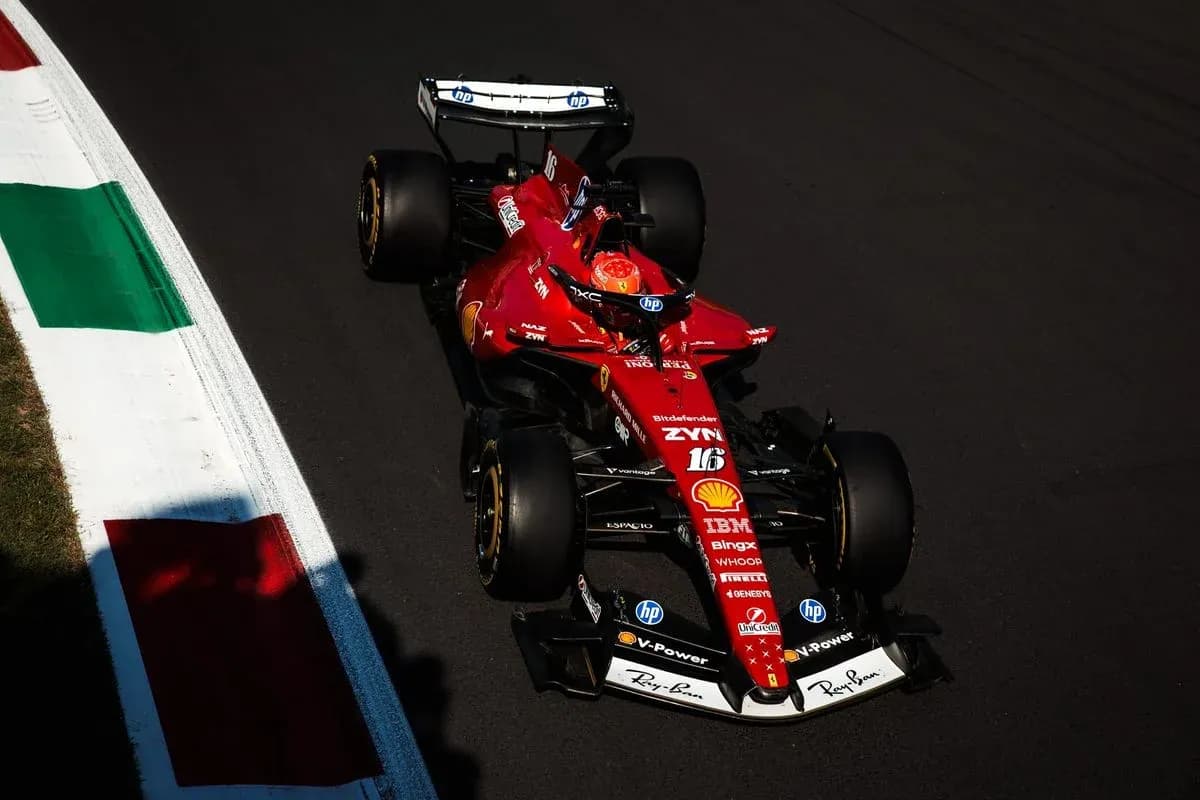
Charles Leclerc ended FP2 second quickest, 0.120s shy of George Russell, and looked sharp over the long runs. There was no sensation, no sudden red resurgence. What there was, under the FIA’s ADUO framework and with a second engine upgrade now bolted in after the first arrived in Austria, was proof that Ferrari has stopped standing still.
Vasseur was quick to point out the obvious: straightline speed is never just about horsepower.
“The performance in the straight line is the drag, the weight of the car, it's everything, it's not just the engine,” he said. The message: don’t judge the power unit in isolation. The reality: you still can’t miss the deficit.
Lewis Hamilton has called the gap to Mercedes “considerable”, and the traces back him up. Overlay Leclerc’s best FP2 lap with Russell’s and the picture is brutal in its clarity. The Ferrari bleeds time down the straights, then claws it back under braking and through the corners.
Over the first two-thirds of the lap, Leclerc drops roughly six tenths. Only on the final straight does he regain a chunk, helped by Russell suffering heavier clipping on the run to Parabolica. On an energy-hungry circuit, teams are still wrestling with how aggressively to harvest and when to deploy. Nobody looks close to perfect yet.
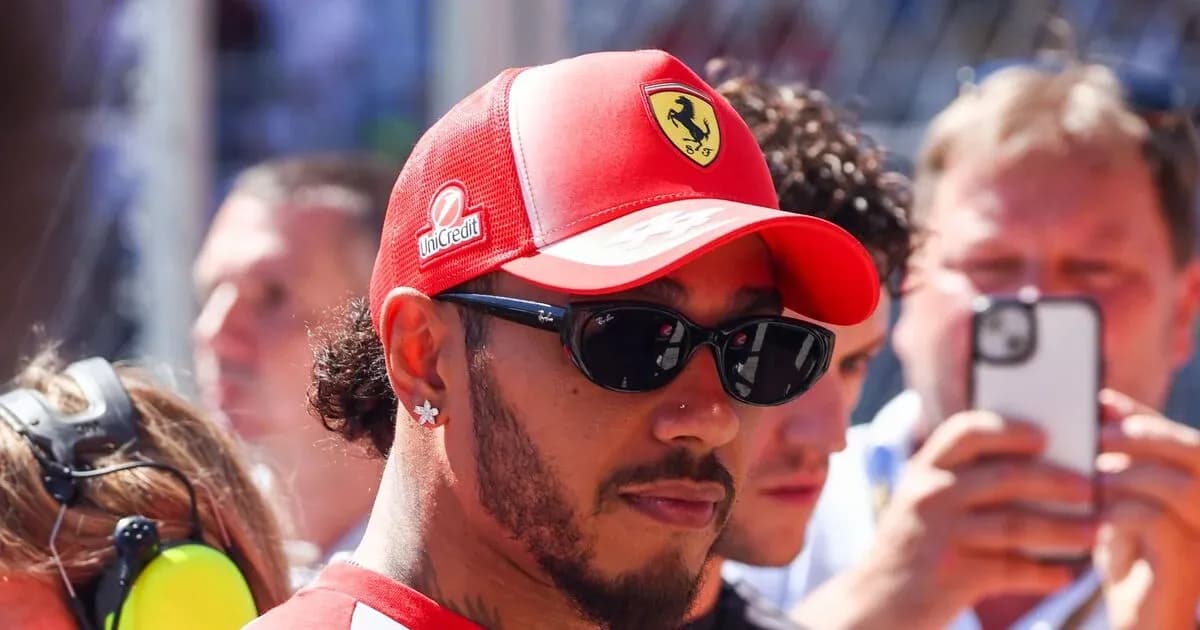
Hamilton, for his part, wrestled with a different problem. Set-up changes in FP2 left him unhappy with the car’s balance.
“It was really hard to pull the lap out of the car,” he said, calling it “not an easy one to drive”. But he sounded convinced there is more to come – from both set-up and energy management.
He knows the trade-offs. Less wing, less drag, more speed on the straights, but a nervous car in the corners. “That's what we need to look into,” he said when asked if trimming downforce could unlock gains. “But the engine is an improvement, which I'm really grateful for the guys back at the factory for working on. But our deployment schedule is different to the others… It seems like they maybe have less drag for the straights, so that's something we need to definitely look at.”
Hamilton did at least enjoy one aspect of the new unit, describing it as “really nice to drive in the low speed”. The problem for him is that, on Friday, it was Leclerc who turned that into something tangible.
The Ferrari driver not only led the Scuderia’s charge on single-lap pace, he also looked strong over the long run. On average, his stint was just three hundredths of a second per lap slower than Kimi Antonelli’s, though that comes with a major asterisk: Leclerc ran the softs, the Mercedes was on the hards. Tyre offset or not, the numbers suggest Ferrari could be the closest threat to Mercedes if the track and temperature swing their way. Most still expect the silver cars to hold the edge once overnight tweaks are done.
Red Bull, the usual benchmark, spent Friday chasing a car that didn’t want to cooperate.
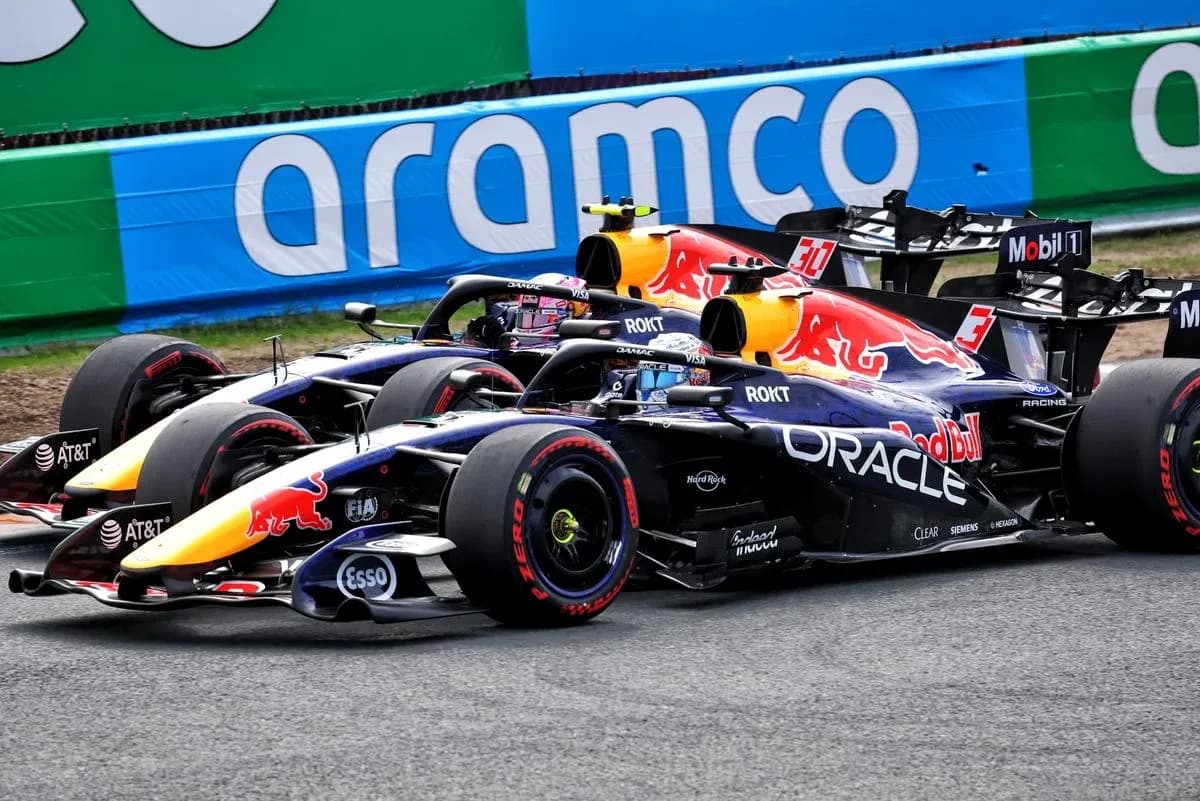
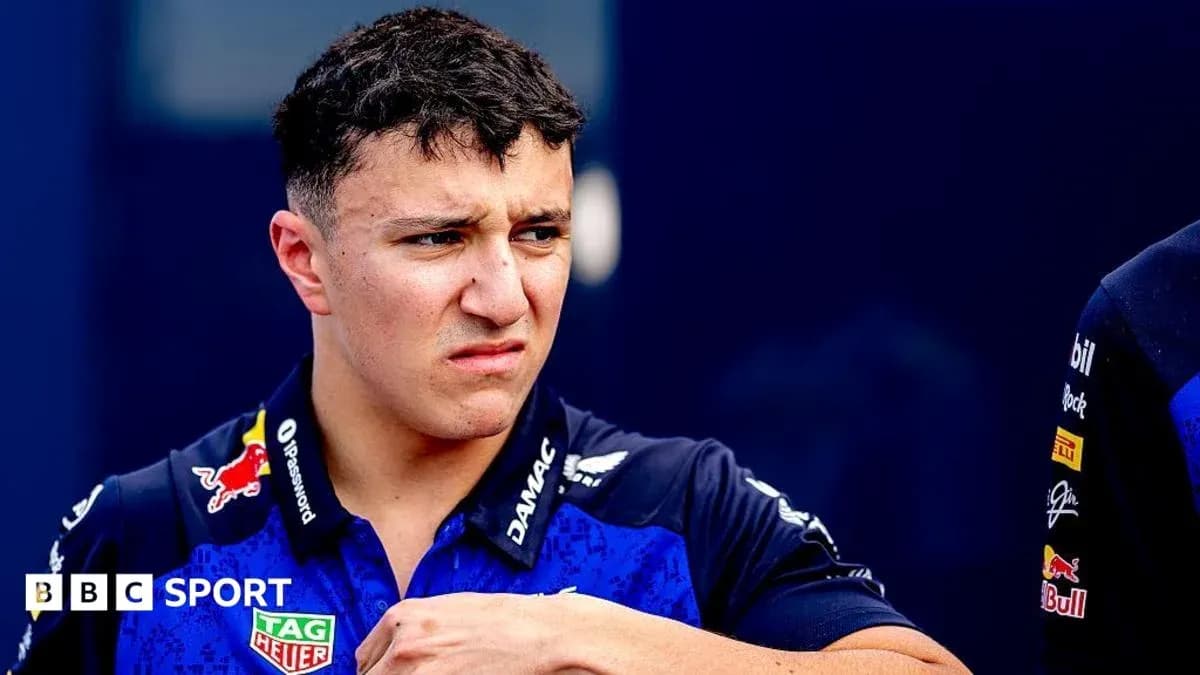
Max Verstappen sat out FP1 to give Ayumu Iwasa his run, then climbed into a car in FP2 that simply wasn’t in the window. He complained of balance issues and never looked fully at ease.
“Clearly we have a balance issue on the car,” said technical director Pierre Wache. “A little bit like Zandvoort, to be honest, and we try to understand what the issue is, try to fix it in a different way by setup and car components. It's the main thing we are working on. What doesn't help is when Max didn’t drive during FP1 and he jumped in the car there, we have less time to react and now we have to react for FP3.”
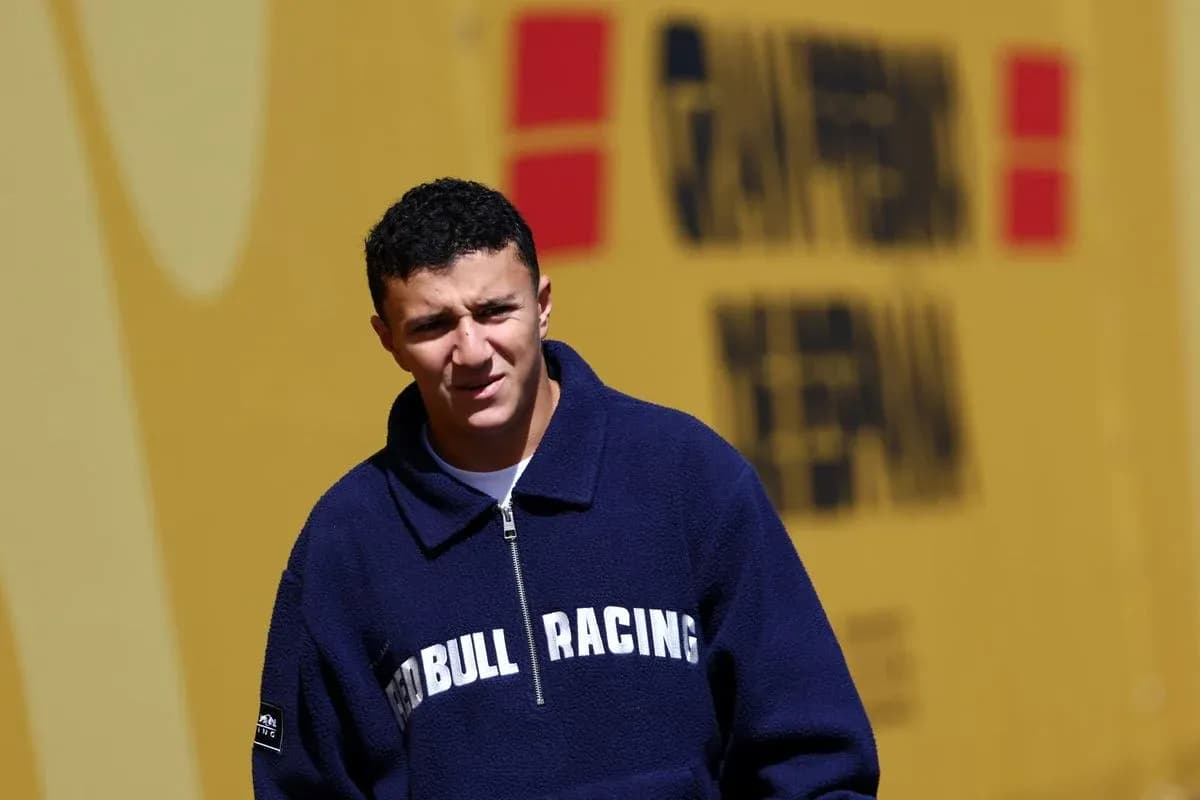
While Verstappen searched for grip, the other Red Bull delivered something far more convincing. Liam Lawson, juggling pre-weekend duties for both his own team and Racing Bulls amid uncertainty over Isack Hadjar’s fitness, put together an eye-catching long run on the hard tyre. His pace stacked up well against Antonelli’s, both quick and consistent.
The caveat? Traffic. Both Leclerc and Antonelli encountered it during their stints, which may have slightly flattered Red Bull’s picture. Still, Lawson’s work hinted that, once Verstappen’s side of the garage straightens the balance, Red Bull will not be far away.
McLaren, by contrast, found themselves off the sweet spot almost everywhere.
Lando Norris, winner of the last two grands prix, finished 0.443s down on the long runs on hards and 0.384s off on outright pace. By his standards, it was a flat, awkward Friday.
“It's a bit everywhere, honestly,” he admitted. “There's not one corner we're quicker than anyone else ahead of us. We're losing a bit in the straights compared to Mercedes, which we kind of expect, but also the high speed is where we lose most of our laptime, which is normally where we're quick. So we have to try and figure out a few things, but we're just off the pace everywhere at the minute.”
For a car that has lived on its high-speed strength, that is a warning sign. McLaren has work to do overnight just to rejoin the lead fight.
Behind the heavyweights, the midfield delivered its usual chaos in compressed form.
Arvid Lindblad topped the group on a strong day for Racing Bulls, with Haas springing a surprise thanks to Ollie Bearman, just 0.021s behind. Over the longer runs, Haas faded back behind Racing Bulls and Alpine, where Franco Colapinto went from delighted in FP1 to describing the car as “disconnected” in FP2. Even so, Haas could finally point to something positive.
Both VF-26s carried a major aerodynamic upgrade, but only Bearman enjoyed the new-spec Ferrari engine, with the team having just one unit available this weekend. Team principal Ayao Komatsu said it is “delivering in terms of characteristics”, a welcome sign for a squad that has not scored in six races. The sting in the tail is the familiar one: “inconsistency issues” continue to haunt both cars, with Esteban Ocon again running into problems.
Audi, which held fire on aero updates but played its joker on homologated gear ratios and final drive, underwhelmed. The team struggled more than expected against the midfield pacesetters and is banking on a step on Saturday. On single-lap pace, it sat only just ahead of Carlos Sainz’s Williams, and marginally behind over the long runs, despite the Williams running softs and treating Friday as a live test session ahead of a major upgrade due in Azerbaijan later in the month.
Right at the back, an early-season storyline resurfaced.
Aston Martin, even with Honda’s upgraded engine that arrived at Zandvoort, continued to struggle as predicted. The team did at least find some of the drivability gains it had targeted. Lance Stroll called it “a little bit better”, which is faint praise but progress all the same. The bigger problem lies in the mirror.
Valtteri Bottas reckoned Cadillac “have the upper hand on the straights”, a damning verdict for an Aston Martin package that still leans too heavily on Alonso’s heroics to scrape results. If the straightline picture does not change, a repeat of his Zandvoort points miracle looks remote.
Ferrari’s new engine, then, has not rewritten the pecking order. It has nudged it. The question now is whether that small step is the start of a march, or just another incremental gain in a season where Mercedes, Red Bull and McLaren refuse to stand still.