Ferrari's New Engine Sparks Hope at Monza
Monza belongs to the romantics. This year, it also belongs to the calculators.
An Italian championship leader in a Mercedes. A Ferrari still clinging to title hope on home soil. A wounded Red Bull. A Honda engine under the spotlight. And a teenager in a Haas dragging a midfield team back to life.
For a Friday, it was anything but quiet.
Ferrari’s new heart beats loud
Ferrari arrived at Monza with pressure baked into every red panel. Second ADUO upgrade, on home tarmac, with the Tifosi demanding more than platitudes about “long-term projects”.
Early signs? Not bad at all.
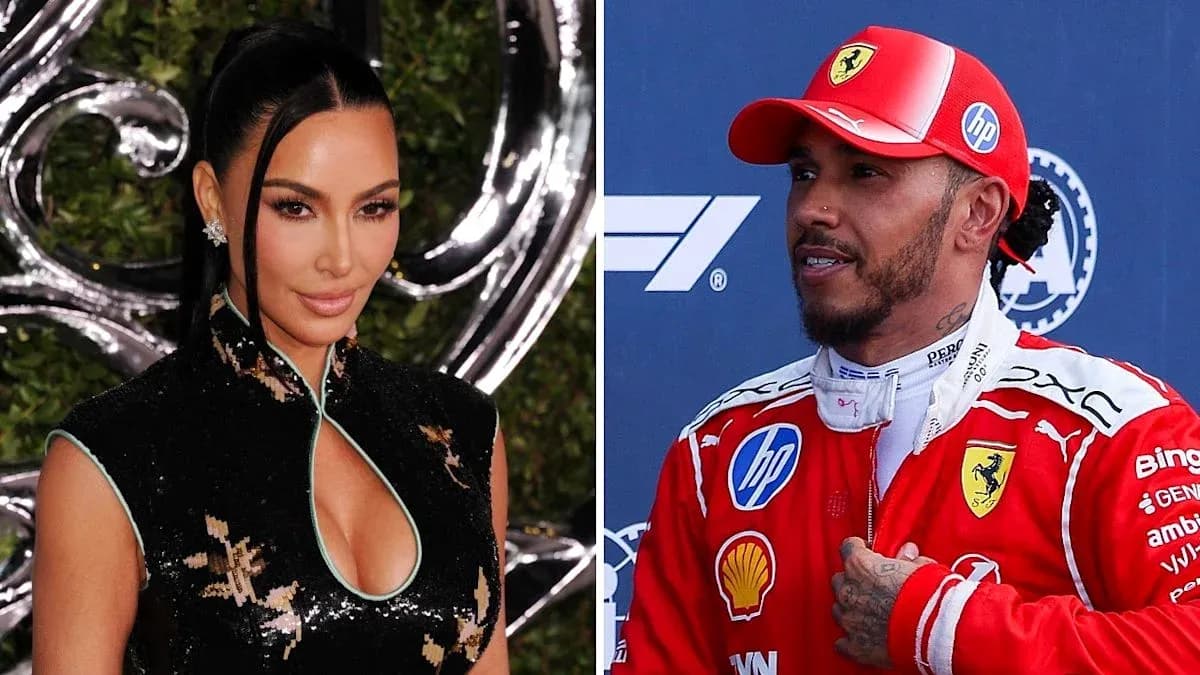
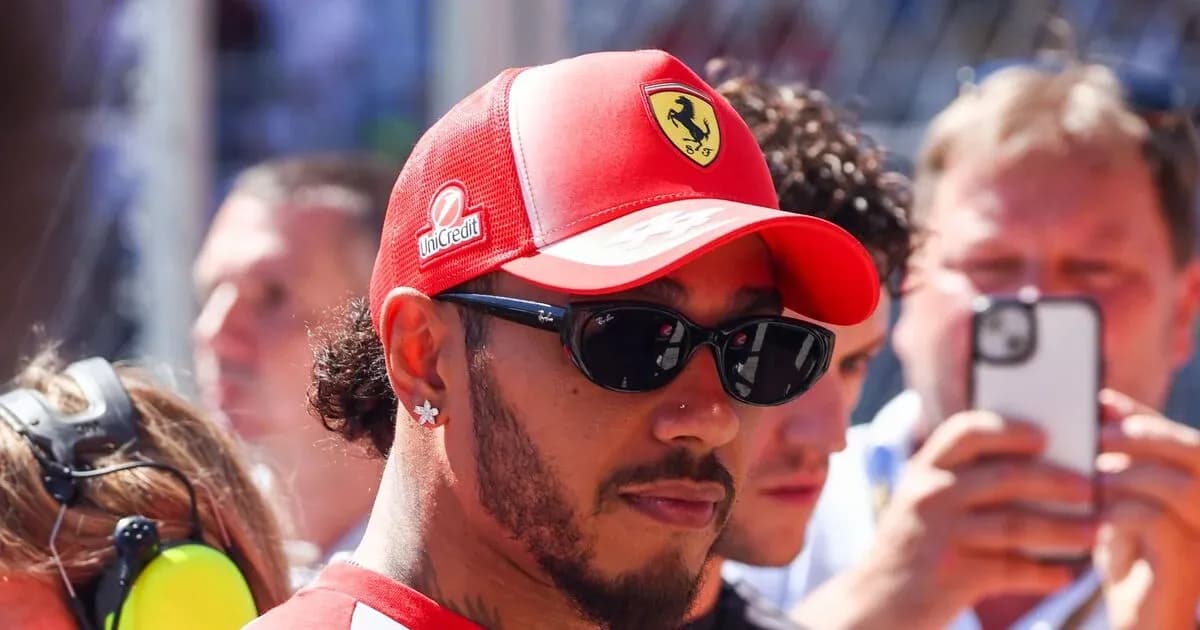
Charles Leclerc ended FP2 second fastest, just 0.120s off George Russell. That alone would have gone down well in the grandstands. The detail behind it will have intrigued the engineers even more: Leclerc set that time on soft Pirellis, while both Mercedes and the rapid Red Bull of Liam Lawson ran the harder compound.
On long runs, Ferrari looked properly in the game too. This is still only Friday, and Monza flatters brave engine modes and trimmed wings, but this is a circuit that usually exposes Ferrari’s power deficit. The new engine was never billed as a magic bullet, more a file to smooth away the rough edges.
So far, it looks like it has done exactly that. The deficit hasn’t vanished, but it’s been shaved down enough to make Ferrari dangerous again at a track where they’ve so often been on the back foot.
For a team still nursing “outside hopes” of a title, that matters. The numbers on the timing screens were one thing. The noise from the grandstands told the rest of the story.
Honda’s upgrade hits a harsh reality
Fernando Alonso warned that Monza, not Zandvoort, would be the real test of Honda’s latest F1 engine step.
He was right. Just not in the way he wanted.
Power is everything at Monza. There is nowhere to hide, no twisty second sector to disguise a lack of grunt. Honda knew this. Trackside general manager and chief engineer Shintaro Orihara had already called for realism and predicted a “challenging” weekend for the power unit.
The stopwatch was brutal.
Alonso and Lance Stroll slumped to the bottom of the order, split only by the Cadillacs, and sat more than a second off the next-slowest car once you discount Esteban Ocon’s compromised Haas running. For a fresh engine spec that was supposed to show its worth on the straights, that stung.
The straight-line drag race down to Turn 1 kept telling the same story: Honda, still exposed when the corners disappear.
Monza was supposed to answer questions. It has – just not with the answers Aston Martin and Honda wanted.
Russell seizes control
On Thursday, George Russell played it down.
“I don't know if we can say we're favourites this weekend,” he said, talking about the fine margins and the importance of that last tenth in qualifying. He talked about opportunity, not expectation.
Twenty-four hours later, he looked like the man to beat.
Russell topped FP2, overturning a three-tenth deficit to Ferrari from FP1 and edging Leclerc by that 0.120s margin. Around Monza, where Mercedes’ low-drag strengths and efficient chassis always tend to surface, the W15 finally looked like a car that could dictate terms rather than react to them.
There’s more in play, too. Kimi Antonelli, the first Italian in more than 70 years to lead the championship heading into a home grand prix, carries a grid penalty. Come Q3, Russell can lean on his team-mate’s slipstream without worrying about gifting away a front-row spot to his title rival.
The caveats remain. Ferrari’s new ADUO 2 engine may still have some headroom. Russell’s own Mercedes power unit is nearing the end of its life. But on Friday, in an energy-starved, power-sensitive Monza, Russell planted a marker.
If anyone wanted to wrest control of the weekend early, he just did.
Red Bull’s rough ride continues
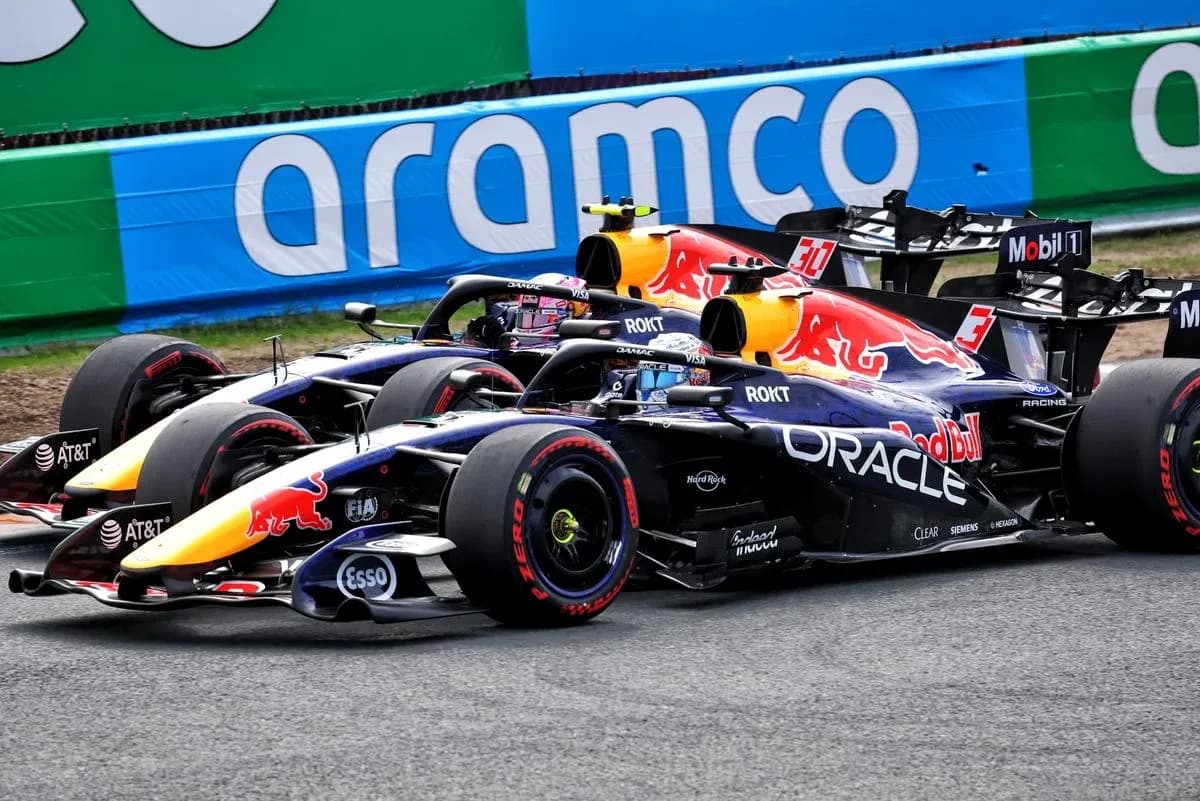
The mood music around Red Bull has shifted in recent weeks. Max Verstappen’s new deal brought a wave of optimism, but the car hasn’t followed the script.
Since that pre-Zandvoort announcement, the results have been scratchy: sixth in the Dutch sprint, a crash in the grand prix, and a car that keeps asking more questions than it answers.
Monza only deepened the unease.
Verstappen complained of a total lack of downforce. The team tried a wing change. Then came the lack of grip in slow corners, brake issues, and a car that “jumped” on the front axle in FP2. The final numbers were stark enough: ninth and 12th for the Red Bulls, mired in the pack rather than orbiting above it.
This is not a title fight for Verstappen and Red Bull this year. They know that. But when a four-time world champion starts needing heroics just to drag the car clear of the midfield, something is badly misaligned.
At Monza of all places, where Red Bull once redefined dominance, they now look like they’re scrambling for solutions.
Bearman lights up Haas
If Ferrari’s upgrade turned heads, Haas’s 2026 package turned a few more – at least on one side of the garage.
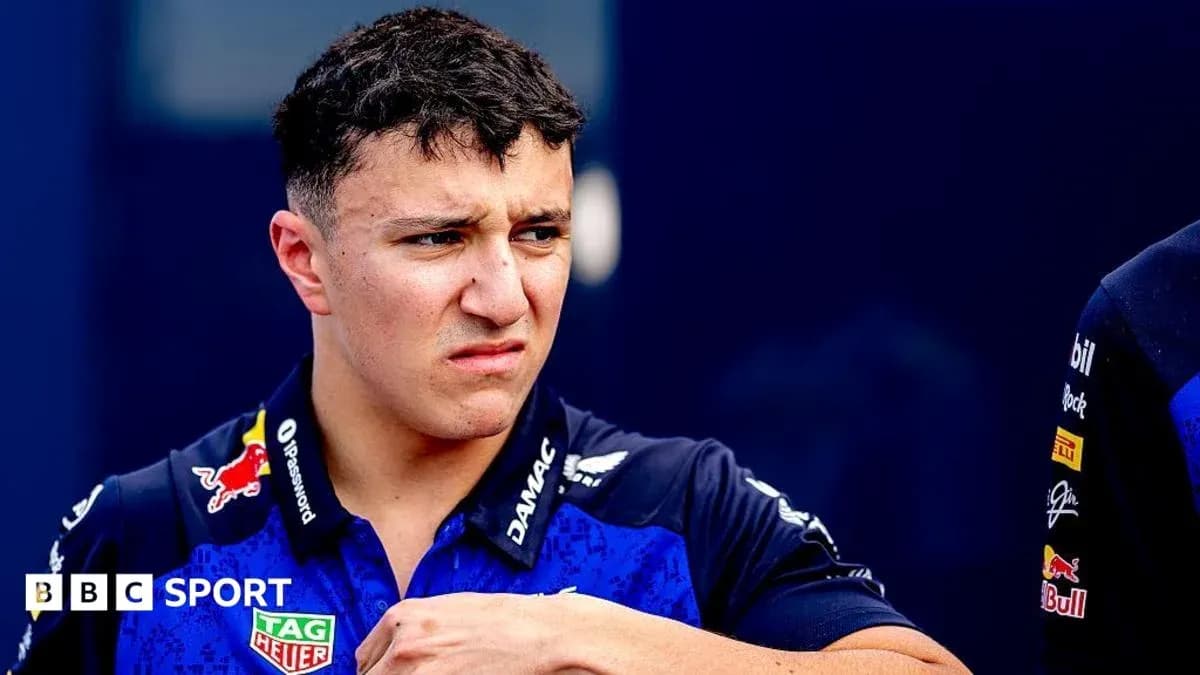
Ollie Bearman got the full treatment: the team’s biggest update of the season bolted onto his car, paired with the new Ferrari engine that team-mate Esteban Ocon does not yet have. The result? Eighth in FP2, just 0.8s off Russell’s benchmark and a mere 0.02s shy of Racing Bulls rookie Arvid Lindblad.
Bearman called it “our best Friday since probably March or that time of year” and you could hear the relief between the lines. Haas needed a lift after six straight point-less weekends. This looked and felt like one.
The new package has given Bearman more downforce and, crucially, more confidence. He did point out the obvious Monza caveat: Saturday will be a game of slipstreams and timing. He also admitted the car is a little more draggy than some rivals.
But the step is real.
Haas head of car engineering Hoagy Nidd didn’t hide the scale of the change: “It's a huge upgrade. We've updated all of the chassis. It's all of the bodywork rearwards of the cockpit pretty much.”
For once, the stopwatch backed up the rhetoric. Haas came to Monza needing a sign that their season hadn’t flatlined. Bearman gave them one.
Ocon left on the wrong side of the split
The flip side of Haas’s big gamble sat on the other side of the garage.
Ocon has the new bodywork but not the fresh Ferrari engine, thanks to the quirks of F1’s engine homologation rules. On paper, the difference shouldn’t be night and day. On track, the gap looked ugly.
He ended FP2 more than a second adrift of Bearman.
Nidd was quick to play down the discrepancy, pointing out that the engine alone doesn’t explain such a gulf and that Ocon didn’t get the cleanest run at his push laps. Traffic – the eternal Monza complaint – also cost him when it mattered.
Even so, with his team-mate making headlines and the upgrade story building around the other car, Ocon’s Friday felt like a missed step.
Friday at Monza rarely decides a grand prix. But this one has already drawn some sharp lines.
Ferrari’s new engine has given the Tifosi something real to believe in. Mercedes, through Russell, has grabbed early control while its Italian title leader starts on the back foot. Red Bull is still searching. Honda has hard truths to face. And a young Brit in a Haas has just changed the mood of an entire midfield team.
If this is how the weekend begins, what does Sunday look like when the lights go out under the old royal park’s trees?