Bahrain Grand Prix Relocated Amidst Gulf Turmoil
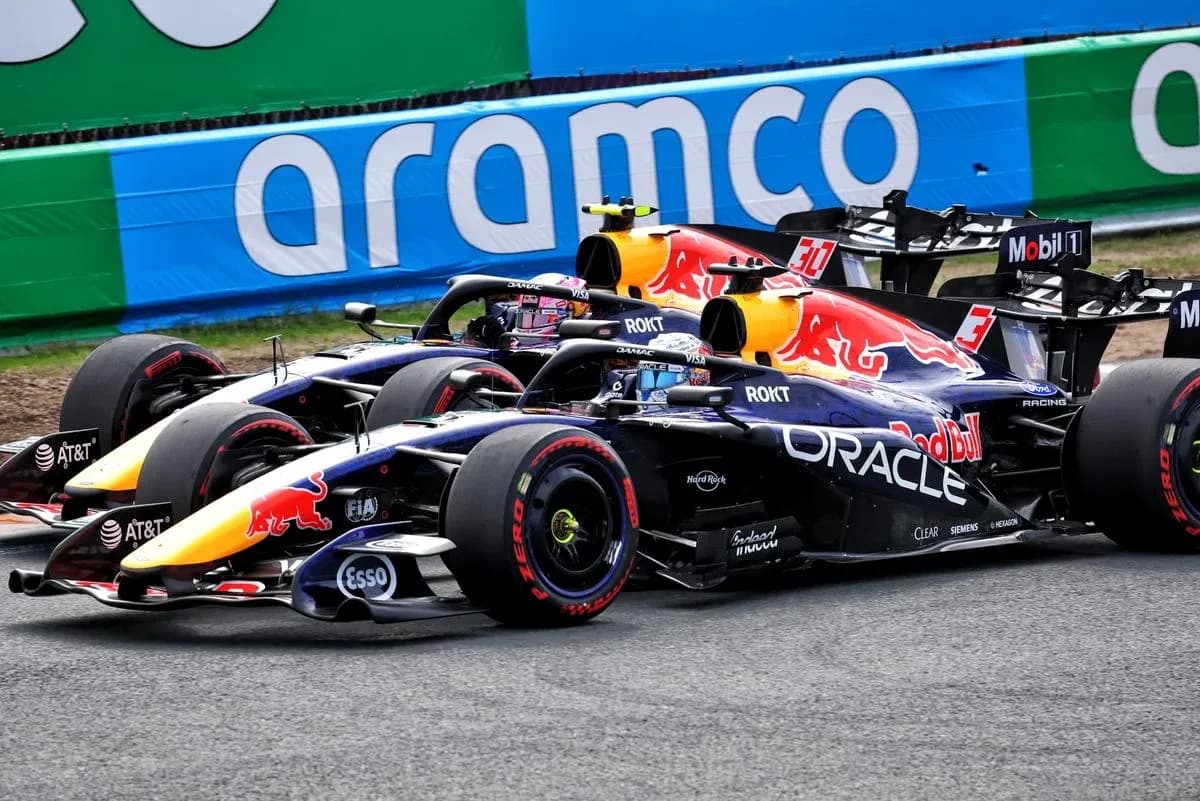
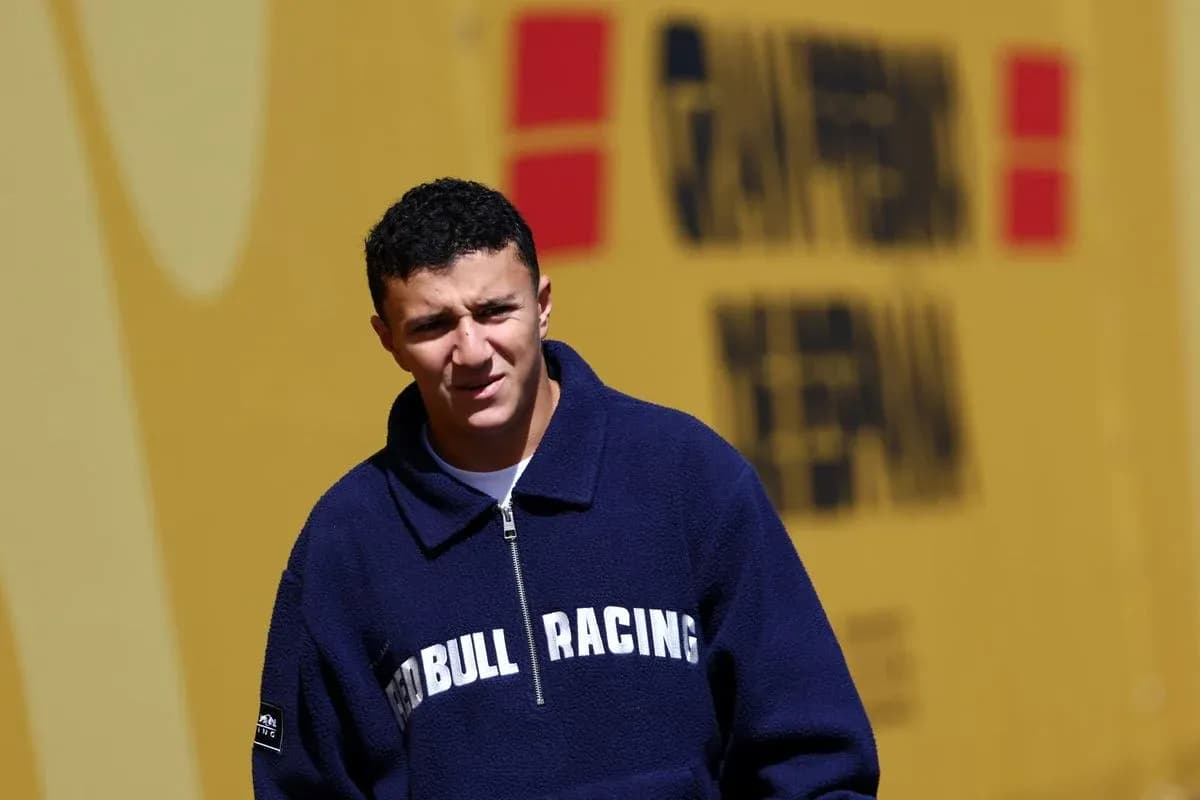
The grandstands will be full, the engines will scream, and the Bahrain Grand Prix will go ahead this October. Just not in Bahrain.
Instead, Formula One’s flagship Middle East race has been lifted out of the Gulf and dropped thousands of miles away in Malaysia, a symbolic rerouting that captures the region’s new reality: the risk is no longer theoretical, and the world’s biggest events are quietly heading for the exits.
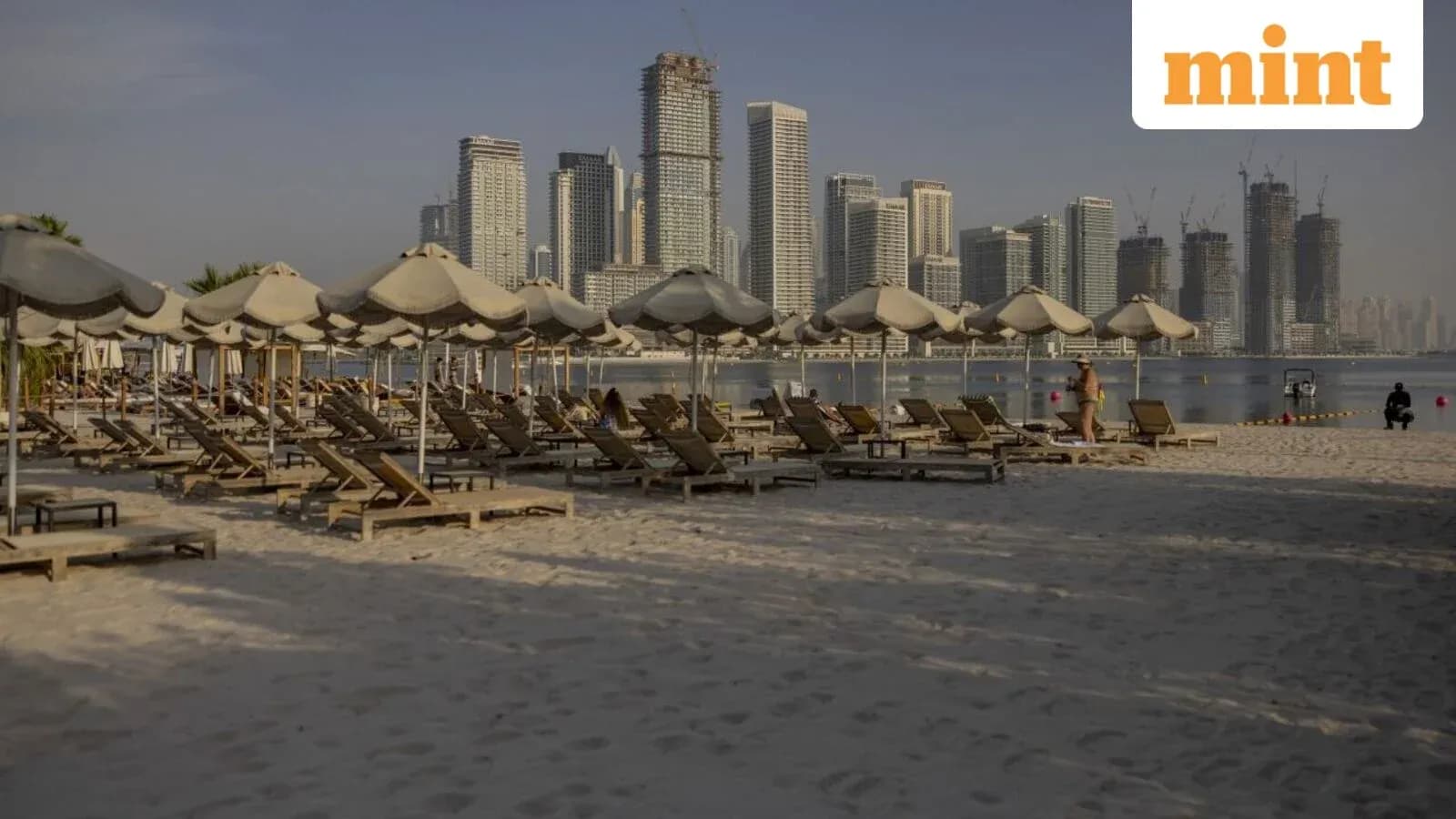
Across the Arab Gulf, the glittering showcase economy built on air travel, tourism and spectacle is being stress-tested by war. Luxury hotels that once sold out months in advance now sit half empty. Staff are being cut. High-end lobbies that usually hum with business chatter and suitcase wheels echo with the sound of nothing at all.
The cancellations keep stacking up. Saudi Arabia, which has poured billions into videogames and positioned itself as an esports superpower, shifted the E-Sports World Cup from Riyadh to Paris. Formula One scrapped April’s race in the kingdom. In the United Arab Emirates, a music festival that was set to be headlined by Shakira never made it to the stage.
The pain runs well beyond entertainment. Aviation, real estate, tourism, shipping and hotels are all taking hits. Companies face a double squeeze: fewer people coming in, and fewer goods getting through. Shipping bottlenecks have slowed deliveries of everything from heavy machinery to kegs of imported beer, choking off the supply chain that underpins the region’s service-heavy model.
“When this thing ends, it is still going to take six months for things to start to feel normal again,” said Rafael Khanoyan, chief executive at U.A.E. contractor Al Ryum Group. Shipment backlogs and rerouted containers, he said, have sharply driven up the cost of imported goods.
Gulf leaders had gone into the summer with a different script in mind. They expected the most violent phase of the conflict to ease, to be replaced by drawn-out talks over Iran’s nuclear program. That scenario would have allowed business to creep back toward normal. Those hopes have evaporated. Officials now see the rest of the year as largely written off, bracing for a prolonged, low-level conflict with no clear U.S. plan to close it down.
On the ground in Dubai, people whose livelihoods depend on the boom years are already adjusting their expectations. Real-estate brokers, hoteliers and tourism operators talk about recovery not in months, but in years. At the same time, the government has tightened control of war-related information, stopped publishing some data and launched an aggressive marketing campaign to project an image of life as usual.
The reality is harsher. Wynn Resorts, which is building the U.A.E.’s first legal casino resort at a cost of more than $5 billion, has pushed back its opening by months. The war has added hundreds of millions of dollars to the price tag.
“Look, I’m not going to tell you there’s no risk, but when we underwrote the project…we didn’t underwrite a region with zero geopolitical risk,” Wynn Chief Executive Craig Billings told investors in August. “We underwrote a country with a demonstrated ability to manage through it.”
Even that calculation is being tested. Many European and North American carriers, including Air Canada, KLM and Lufthansa, have extended suspensions of flights to Dubai, in some cases into next year. The skies are thinner, the options fewer.
Gulf-based airlines, by contrast, have kept flying, even routing through Iranian airspace. Their tolerance for risk is higher. Dozens of planes have landed at or taken off from Dubai International Airport within minutes of missile or drone warnings, according to reporting by The Wall Street Journal.
The numbers tell the story. Dubai International, usually among the busiest airports on the planet, reported a 31% year-over-year drop in passenger traffic in the first half of 2026. Cargo volumes fell 29% over the same period.
Hotels have been hit just as hard. Occupancy across Dubai slid to 56% in the first half of the year, down from around 80% in 2025, according to Cavendish Maxwell, a Gulf-based property consultancy. The steepest falls came at the top end of the market, where luxury and upscale properties once thrived on deep-pocketed tourists and business travelers.
For Saudi Arabia, the crisis cuts straight across its flagship economic project. Tourism was supposed to be a cornerstone of Crown Prince Mohammed bin Salman’s Vision 2030 plan to wean the kingdom off oil. That bet now looks more fragile.
“Vision 2030 was already a bit on the rocks, and they were already changing their priorities,” said Neil Quilliam, an associate fellow at Chatham House in London. “There seems to be a push now away from the softer sides of the business goals, more toward industrialization.”
Investors have noticed. Dubai’s real-estate index, tracking listed developers, has shed about a third of its value since just before the war. Residential sales dropped 31% in the spring. Deals for luxury homes above $4 million were hammered even more, plunging 59%, according to brokerage Betterhomes.
“This year went into the trash,” said Dubai-based property consultant Walid Abou Sabha.
His story mirrors Dubai’s recent arc. Originally from Lebanon, he moved to the city in 2023 to ride the post-Covid real-estate wave. His income rocketed from around $2,000 a month in other Middle Eastern markets to $65,000 a month selling property in Dubai, funding a lifestyle of fast cars, parties and expensive watches.
Then the war arrived at the city’s doorstep. After Iran began firing on Dubai on the first day of the conflict, Abou Sabha saw his spring sales collapse from seven a month to zero. He still backs the city to come roaring back.
“You cannot gamble against Dubai. Any time people did, they ended up losing,” he said.
For now, prices are proving stickier than demand. Average residential sales prices in Dubai rose 3% in the second quarter of 2026 compared with a year earlier, Betterhomes reported. Hotel room rates slipped only 7% in the first half of the year versus the same period in 2025, despite the empty rooms. Airfares remain high as competition thins out and jet-fuel prices climb.
That resilience has limits. Alistair Paine, chief executive of Peninsula, a consultancy that helps foreign firms set up in Saudi Arabia and the U.A.E., expects prices to bow to reality eventually, though not immediately.
“There is a time effect to be realized here,” Paine said.
While the Gulf wrestles with uncertainty, rivals in Asia are moving to seize the moment. Singapore in August announced a tax exemption on certain investment profits earned by fund managers. Turkey followed in June with a 20-year tax break on some foreign-sourced income for new residents and a reduced inheritance tax.
Both countries already offer a clearer path to citizenship than Gulf states, where naturalization remains tightly restricted.
“They are incentivizing companies to capitalize on what is going on in the Gulf,” Quilliam said.
Companies that rushed into the region to tap its wealth now face a dilemma. Bureaucratic hurdles and a tough stance on firms that pull out could make it difficult to leave—and even harder to come back if conditions improve.
“It’s a balancing act,” Quilliam said.
Gulf governments are working to steady nerves. In the U.A.E., senior Emirati officials who usually keep a low public profile have been meeting directly with investors and entrepreneurs. Dubai in the spring signed off on roughly $680 million in stimulus measures, including deferrals or exemptions on some government fees, targeted support for hotels and streamlined residency procedures.
The city has also turned to incentives that speak directly to tourists’ wallets. Authorities are distributing vouchers worth hundreds of dollars that bundle free tickets to water and theme parks, deep discounts on stays at Palm Jumeirah’s high-end hotels and three months of a premium food-delivery subscription.
The events calendar, too, is being kept alive. An Emirati-hosted international golf tournament is scheduled for November. Before the year is out, the country is due to host performances by Hans Zimmer, Imagine Dragons, the Chainsmokers, Russell Peters and Trevor Noah.
Yet even as they push to project confidence, U.A.E. officials accept that the war’s shadow still looms.
“A state of neither war nor peace cannot be a sustainable solution,” Anwar Gargash, a senior Emirati adviser, said this week.
The Gulf built its modern brand on certainty: safe skies, stable politics, guaranteed spectacle. The question now is how long that promise can hold in a region learning, again, that geopolitical risk is not just a line in a prospectus but a force that can empty hotels, ground planes and move entire Grand Prix races across continents.