Max Kruse Critiques Kimmich's Leadership Role in Germany
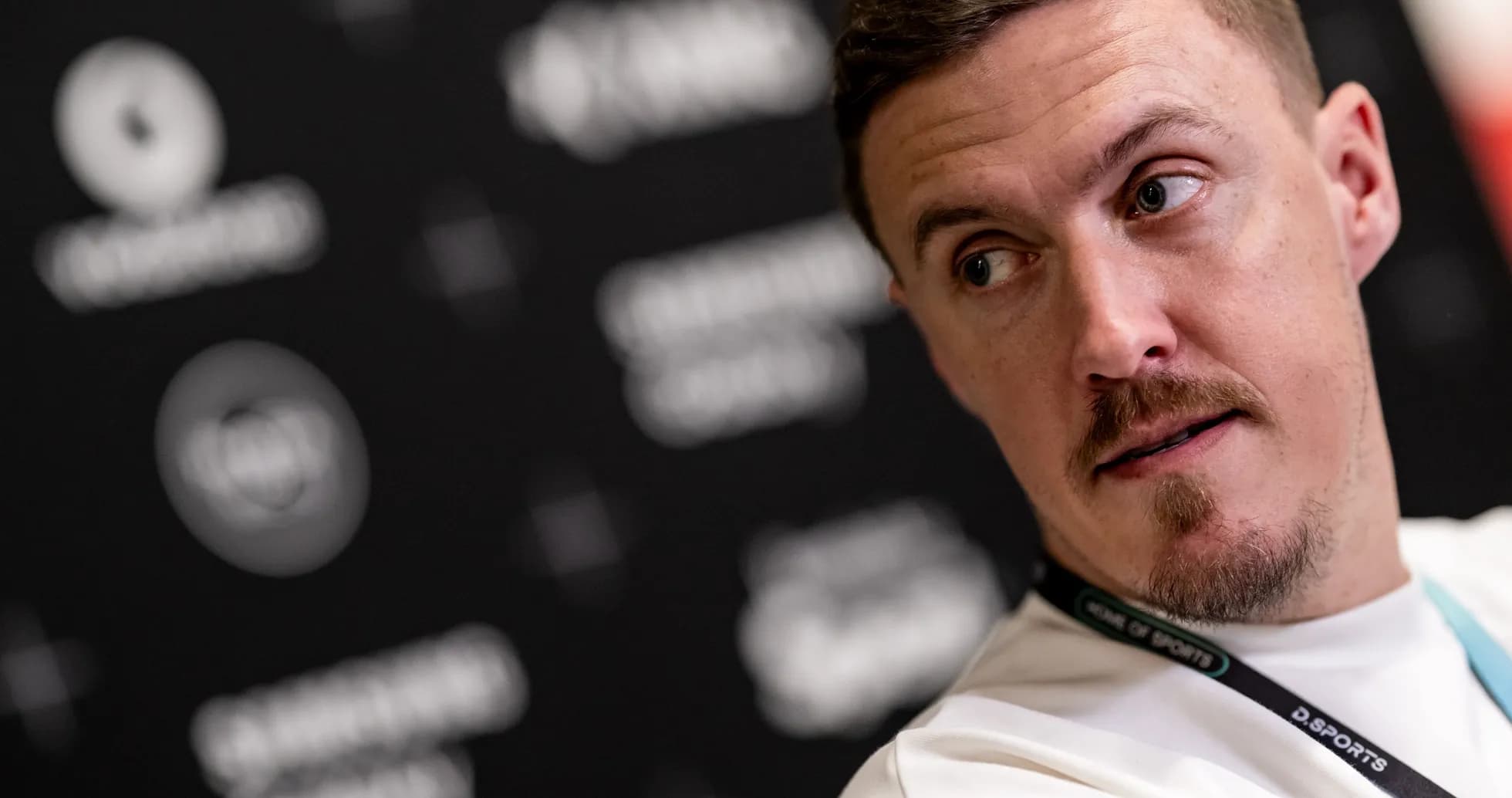
Max Kruse has never been one to whisper an opinion. At 38, the former Germany international has taken direct aim at what he sees as a soft centre in Jürgen Klopp’s new-look national team – and at the man wearing the armband at Bayern Munich.
For Kruse, Joshua Kimmich may be captain at club level, but he is not the standard-bearer a country should build around.
“For me, Joshua Kimmich is not a leader player either, despite the armband at Bayern,” said the 14-cap international, backing up the long-discussed criticism once voiced by former DFB boss Oliver Bierhoff about a lack of genuine, rugged personalities in the national side.
Kruse’s point is not about effort or technical quality. It is about what leadership actually looks like when the pressure tightens.
“Leadership is not shown only through the captain’s armband and hard challenges, leadership is so much more. For me, Kimmich is not the right man for that,” he explained, drawing a clear line between the symbolism of the band and the reality of commanding a team.
In his eyes, the current DFB squad has been stripped of edge. Too polished. Too smooth.
The group Klopp has called up is XXL in size – 44 players – but, Kruse argues, light on distinctive characters. “Everything has been smoothed out,” he says, and that, for him, is the core problem. Not the tactics. The personalities.
Klopp nails colours to Kimmich’s mast
Inside the Germany camp, the view is very different. Klopp has walked through the door and immediately planted Kimmich at the heart of his plans, both as a footballer and as a central figure in the dressing room.
Where others see a debate, Klopp sees his midfielder.
“We see him as a midfielder,” the new Bundestrainer stated plainly. “We have not had a single conversation in which we spoke about him as a right-back.”
That is a significant line in the sand. At the World Cup, Kimmich had been shunted to right-back out of necessity, a move that blunted his influence in the middle and reopened old arguments about his best role. Under Klopp, that uncertainty disappears. Kimmich will again organise the defensive midfield, the position he has long claimed as his own.
The decision does more than settle a tactical question. It hands Kimmich clear responsibility in the zone where games are controlled and where leaders either emerge or get exposed.
Klopp, though, is not handing out guarantees. He is demanding.
“Stability only comes from the defence, from how you work defensively – and for that I need every single one,” he said, making it clear that status and reputation will not shield anyone from scrutiny. “The point now is that we commit ourselves to that. That applies to Jo just as it does to everyone else.”
The message is sharp. Kimmich will be trusted in his preferred role, but he will also be judged by the same defensive standards as the rest of the squad. No free passes for the captain-in-waiting of the national side.
So the stage is set. On one side, Kruse’s blunt assessment that Germany lack rough-edged leaders and that Kimmich is not the man to fill that void. On the other, Klopp’s unwavering commitment to build his midfield and his hierarchy around the Bayern star.
The next games will not just test Germany’s new structure. They will test whether Kimmich can turn the armband, the role, and Klopp’s faith into the kind of leadership even his fiercest critics can no longer question.