Callum Connor Secures UFC Deal Despite Loss to Piero Guaylupo
On a night built on jeopardy, it was the loser who walked into the big league and the winner who was told to wait.
Callum Connor, battered, bloodied and beaten on the scorecards, left Dana White’s Contender Series with a UFC contract. Norbert Novenyi Jr, composed, victorious and almost flawless on paper, did not.
It was that kind of night in Las Vegas.
Connor and Guaylupo go to the brink
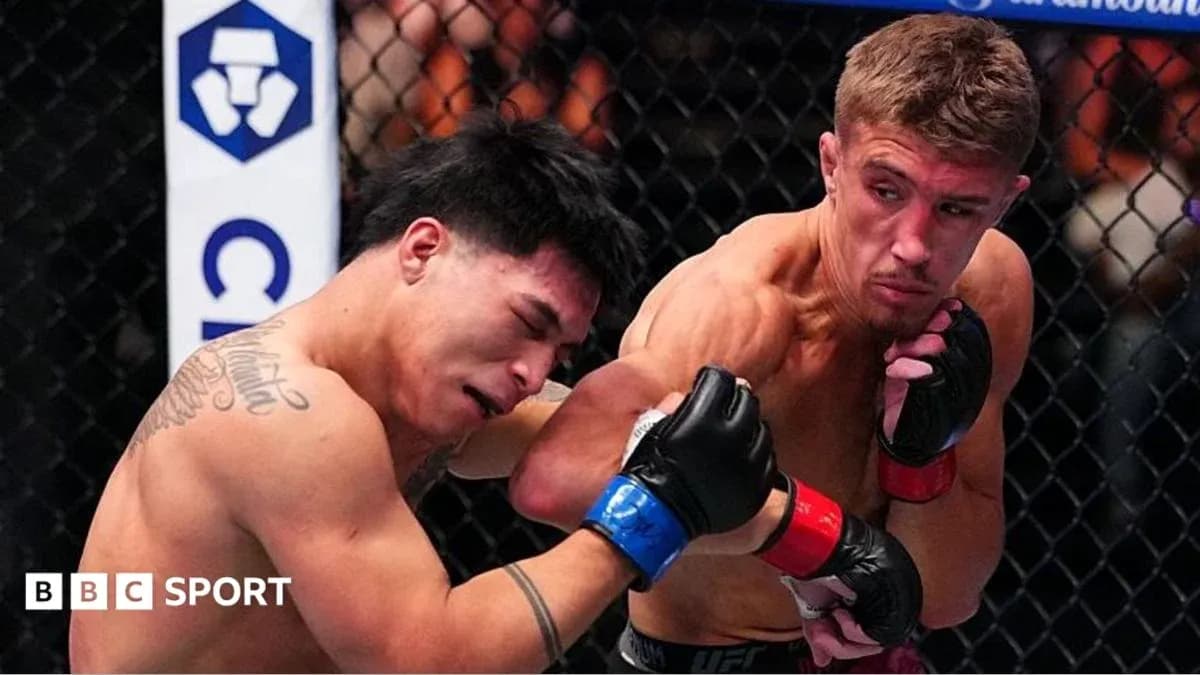
Connor, the 26-year-old lightweight from Manchester, arrived unbeaten as a professional and riding a four-fight streak from UK promotion Full Contact Contender. He left with his first loss – and the biggest deal of his life.
Peru’s Piero Guaylupo, just 21, outpointed Connor via unanimous decision, handing him an 8-1 record. On any other Tuesday, that might have been the end of the story for the Brit.
Instead, the fight detonated into something else entirely.
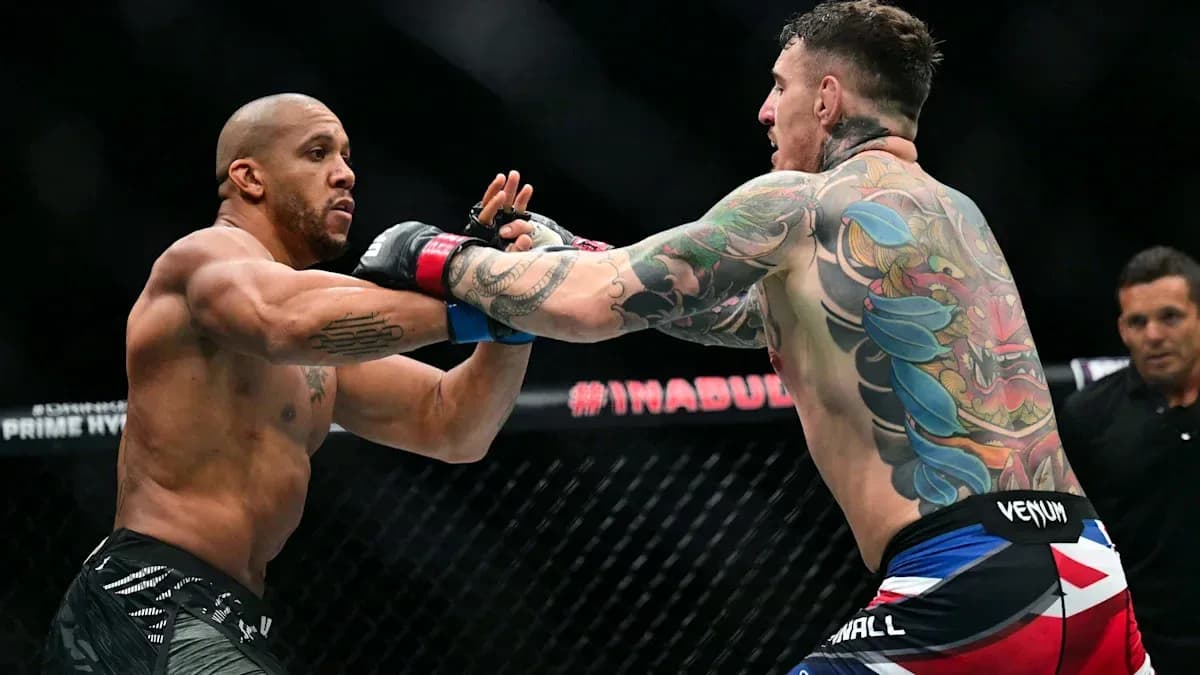
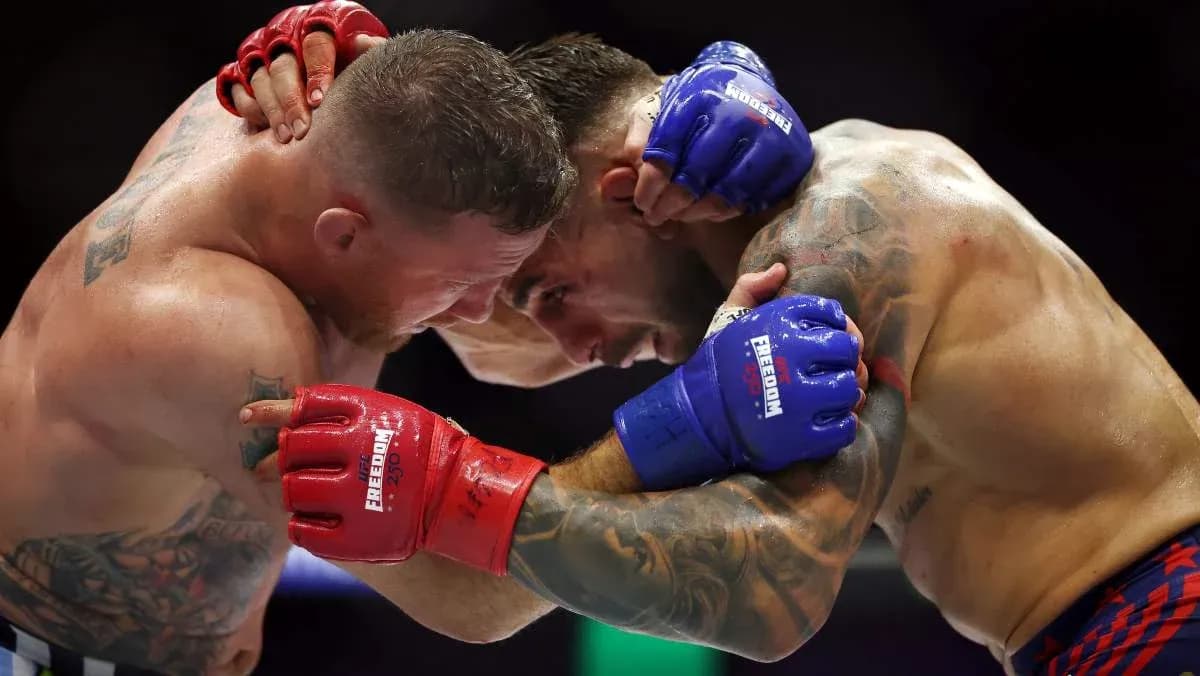
They traded until neither could stand comfortably, a three-round firefight so wild that Dana White could barely contain himself. The UFC president revealed the bout produced more significant strikes than any three-round lightweight fight in UFC history.
"Both of these guys are in the hospital right now, as they should be," White said, still buzzing in the aftermath. "One of the greatest fights you'll ever see on Tuesdays or Saturdays or any other day."
The numbers backed up the chaos. The tape will, too. But the decision in the cage didn’t matter as much as the impression both men left.
"For Piero to be 21 years old and fight the way he did, the fight was incredible. But it takes two guys to make a great fight. I'm taking them both," White added.
Guaylupo got his contract. Connor, despite the loss, got his as well. In the end, the damage they inflicted on each other became their ticket into MMA’s biggest stage.
Six contracts, one big omission
Across five fights, six fighters earned deals with the UFC. Four winners, two losers. The headline chaos belonged to Connor and Guaylupo, but the most jarring moment of the night came when Norbert Novenyi Jr’s name was read without a contract attached.
The middleweight, born in Hungary and now based in London, did exactly what Contender Series hopefuls are told to do: win, and look good doing it. He outworked American Theo Haig over three rounds, took a unanimous decision, and moved his professional record to an imposing 11-1.
Then came the sting.
At the desk, White acknowledged the quality. He liked the records. He respected the performance. But he didn’t sign him.
"Norbert, both of you guys have great records," White said. "You came in, fought a good fight.
"Unfortunately, I didn't see anything tonight that makes me say, 'I got to have this guy in the UFC'."
For a fighter with one loss in 12, it was a brutal verdict. The kind of line that lingers.
White did leave the door open. "Whatever you decide to do here, we would like to take another look at you," he added, hinting that Novenyi’s story with the promotion may only be paused, not ended.
Risk, reward, and what the UFC really values
The contrast could not have been sharper. Connor, 8-1, coming off his first defeat, but dragged into the UFC on the strength of a war that had both men sent to hospital. Novenyi, 11-1, with a clean, controlled win, told that "tonight's not your night, my friend".
On Contender Series, the message has always been clear, but nights like this etch it in stone: the UFC does not just reward winning. It rewards jeopardy, risk, and the kind of chaos that makes a promoter lean forward in his chair and say, I need that on my card.
Connor found that out the hard way – and still came out ahead. Novenyi did almost everything right and walked away with a lesson instead of a contract.
The question now is simple: when the call comes again, who’s willing to gamble more to make sure there’s no doubt next time?