Max Verstappen's Sao Paulo Podium: A Race of Triumph and Mystery
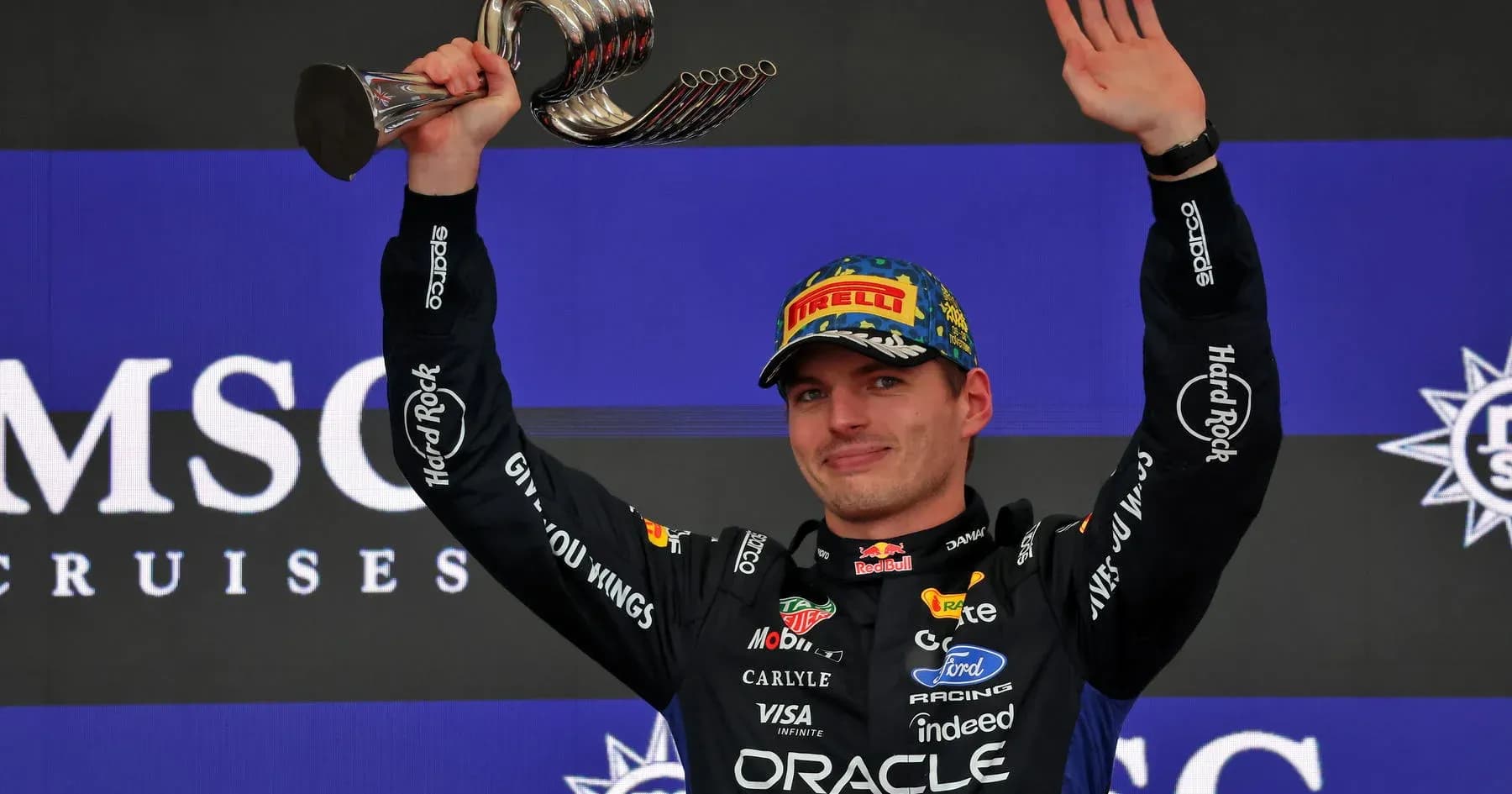
Max Verstappen left Sao Paulo with another podium, a haul of points and a nagging sense that something on his Red Bull simply didn’t add up.
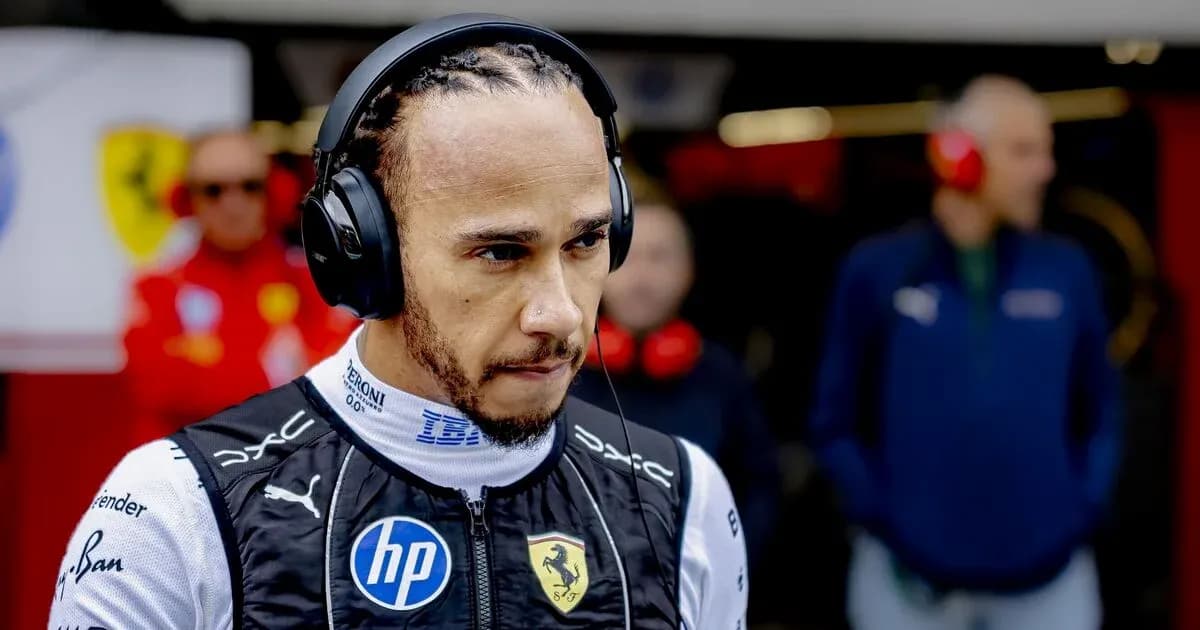
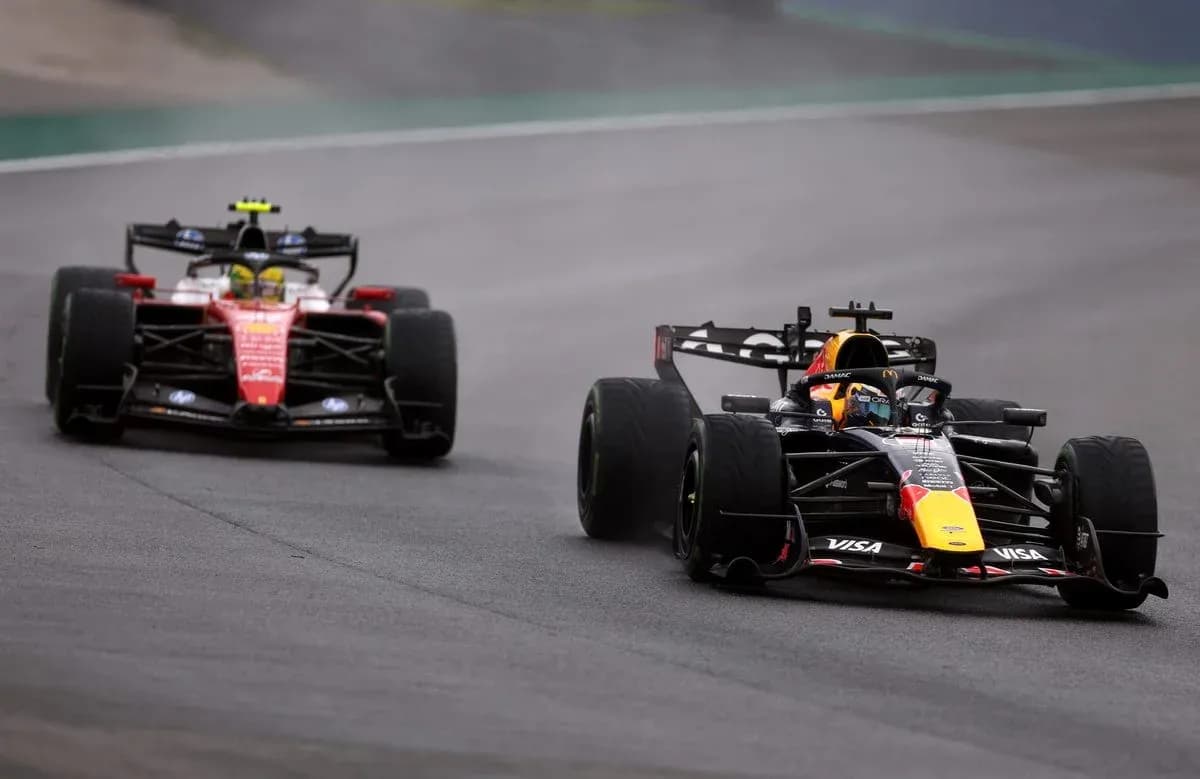
From 21st on the grid after a power unit change, Verstappen turned the early chaos at Interlagos into a charge. In the greasy opening laps, with spray hanging over the circuit and grip at a premium, he carved through the pack in familiar, ruthless style. Lewis Hamilton was coming from 20th, but it was Verstappen who made the heavier weather look like his natural habitat.
By Lap 8, the Dutchman had already muscled his way into sixth, clearing Alex Albon, Oscar Piastri and Nico Hulkenberg as if they were standing still. The risk was obvious. One misjudged move and the recovery drive would have ended in the barriers. He walked that line with precision.
“The first laps were fun and hectic,” he told Sky Sports F1. Fun for him, nerve-shredding for everyone else.
A charge, then a mystery
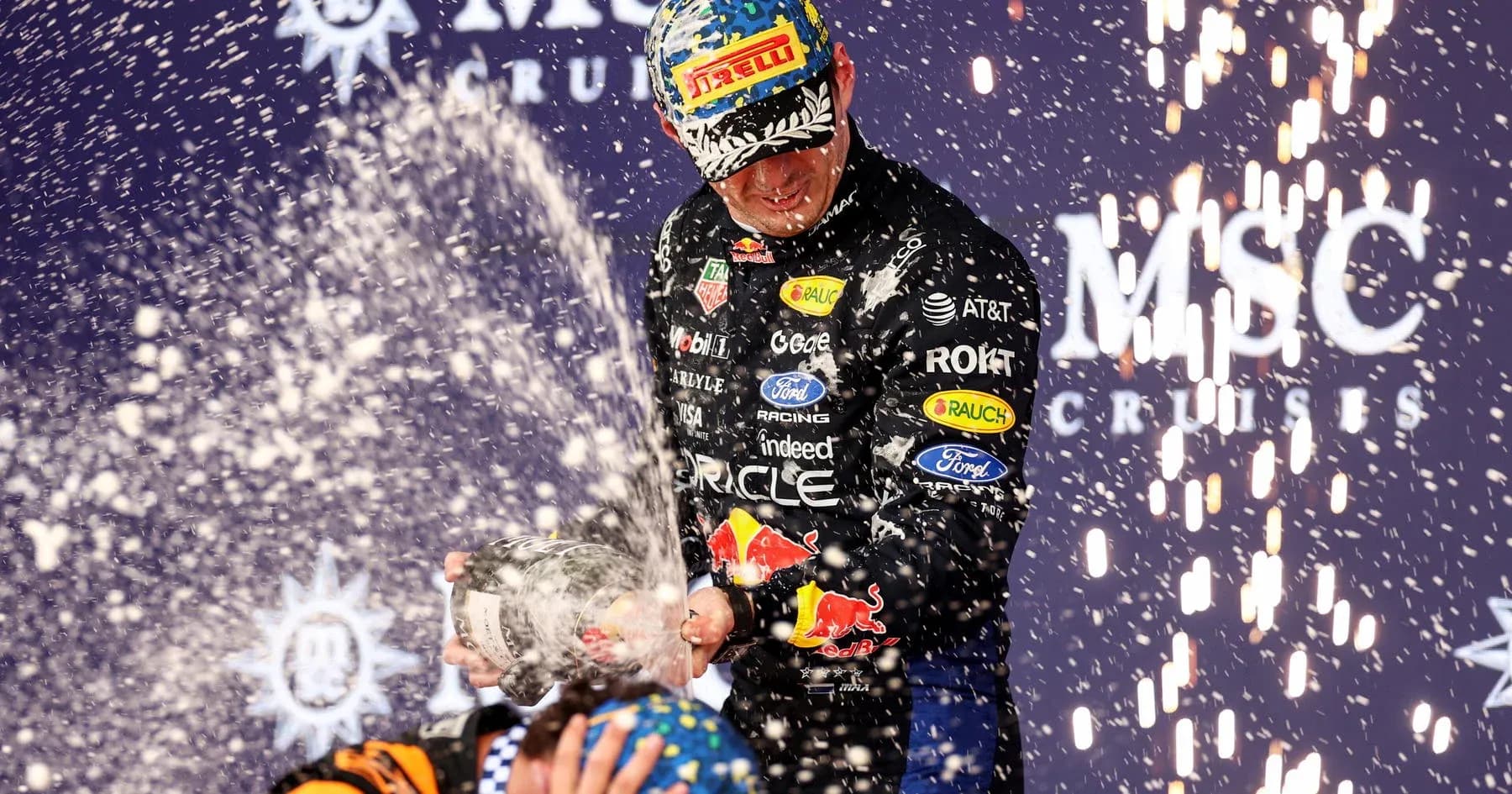
The race evolved with the track. Intermediates gave way to slicks, then back to intermediates again as the weather turned. Through that sequence of stops, Verstappen kept climbing, eventually locking into second behind a dominant Lando Norris, who controlled the afternoon at the front.
Second place meant 18 points and a third consecutive podium at Interlagos, each time after starting from the back or the pit lane. It also tightened his grip on second in the drivers’ standings: 17 points clear of George Russell, 18 ahead of Hamilton. Seven podiums in the last eight races. Eleven in 13 since Austria. On paper, it looks like a season finishing with authority.
The story inside the cockpit was very different.
The moment Red Bull switched Verstappen from intermediates to soft slicks, his RB22 turned into something he barely recognised.
“I had extreme amounts of oversteer in the high-speed corners,” he explained. The rear of the car snapped and slid where it should have been planted. To survive, he had to dial in more front wing and change the balance on the fly. That quick fix came at a heavy price.
“You try to rebalance that, but it kills your front tyre,” he said. The cure shredded the rubber he needed to attack.
The rhythm of his race changed. The early aggression gave way to management, calculation, damage limitation. He still had enough pace and racecraft to hold second, but the feeling that there was “much more in it” never left him.
“Normally not possible”
The final act only deepened the mystery. When the rain returned and Red Bull called Verstappen back in for intermediates, the car transformed again.
“Because when we switched back to the intermediates at the end, the car was completely the opposite balance of what I had in the beginning – and that is normally not possible.”
From wild oversteer to a car pulling the other way on balance, all within one race, on the same chassis, with no obvious explanation. This wasn’t the familiar story of tyre degradation that has surfaced in recent rounds. Verstappen was clear about that. This felt like something else.
“I don’t want to say [something] failed,” he cautioned, choosing his words carefully, “but what actually went missing or broke on the car… something probably fell off or broke.”
For a driver who reads a car as instinctively as Verstappen does, that kind of swing in behaviour is a red flag. The data at Milton Keynes will tell its own story in the coming days, but the suspicion is already there: this was not just a set-up quirk or a temperature window missed.
Norris may have owned the top step in Sao Paulo, yet Verstappen still walked away with a result that strengthens his season. The question now is not whether he can keep finishing on the podium.
It’s what Red Bull will find when they strip down that RB22 – and whether the next time he slices through the field, the car underneath him will stay the same from first lap to last.