Red Bull Engine Ruling Controversy in Formula 1
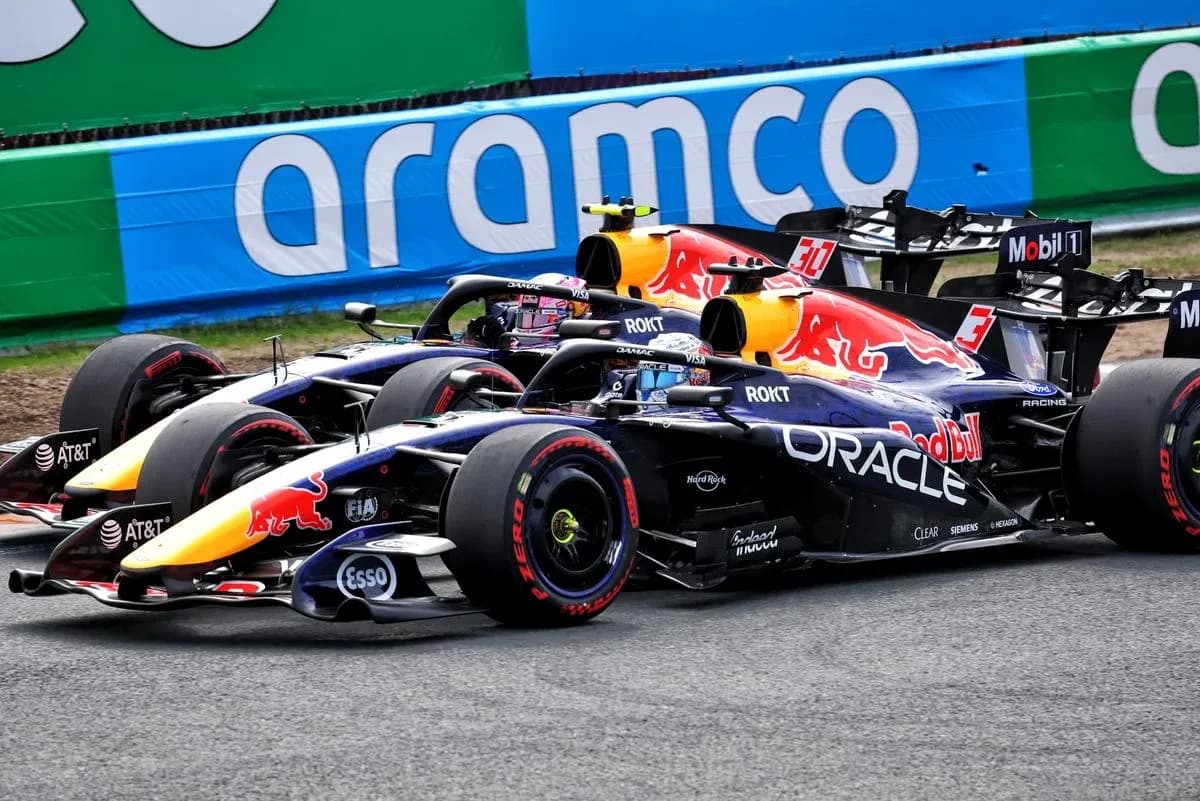
Red Bull still have the most powerful engine in Formula 1. And that is exactly the problem.
The latest rankings from the FIA have once more placed the Red Bull power unit at the top of the pile for internal combustion engine performance, repeating the verdict delivered three months ago. On paper, it sounds like a compliment. Inside the team, it lands like a setback.
Under F1’s new hybrid-era framework, the governing body has introduced a balancing mechanism designed to stop any manufacturer being left behind for years on end. If a power unit is judged to be significantly weaker, that manufacturer can be granted extra development opportunities to close the gap.
Red Bull had been hoping the door might open for them. Instead, it has been slammed shut twice.
The FIA’s so‑called Aduo (additional development and upgrade opportunities) programme looks only at one part of the power unit: the internal combustion engine. That is the old-school heart of the car – the traditional engine that burns fuel and generates raw horsepower.
On that metric alone, Red Bull sit at the top of the charts. Strongest combustion engine. No deficit. No extra upgrade freedom.
Yet the story of modern Formula 1 power is far more complicated. Nearly half of the total performance now comes from the electrical side of the hybrid unit – the energy recovery systems and battery deployment that define how aggressively a car can attack on straights and out of corners. Those elements are not included in the Aduo calculation.
That omission is exactly where the controversy lives.
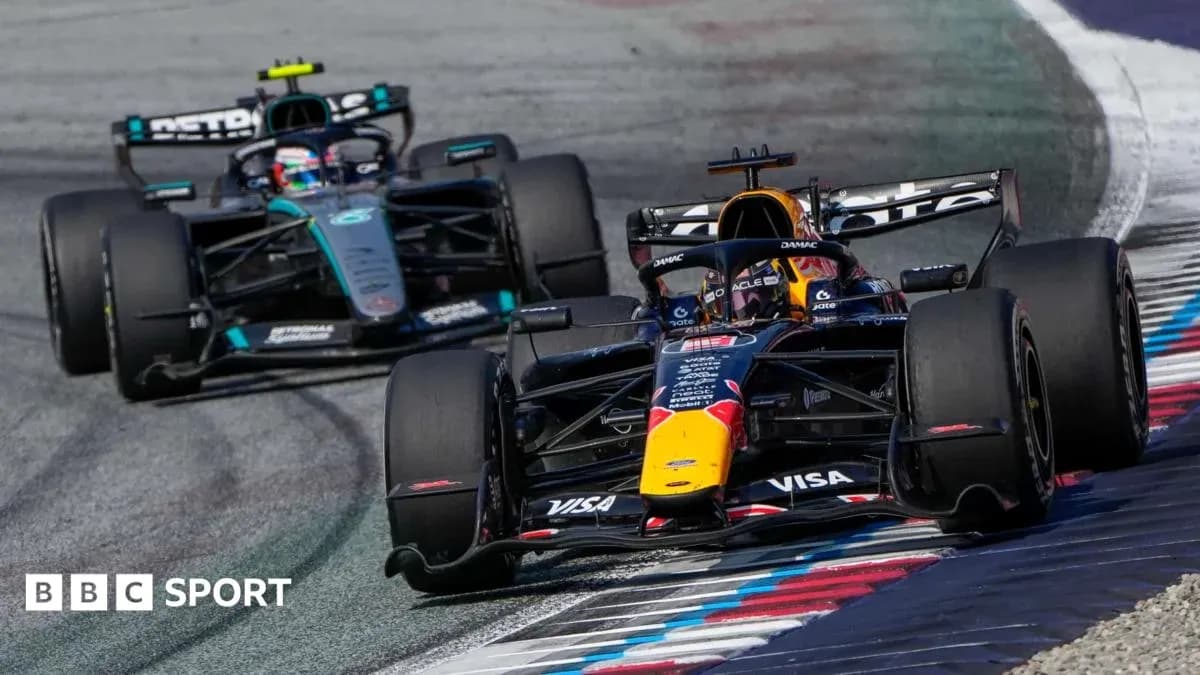
Within the paddock, Mercedes are widely regarded as having the most complete engine package overall – not just the combustion unit, but the way the electrical systems blend with it to deliver lap time. The FIA’s method, agreed by all manufacturers, deliberately strips that away and isolates only the combustion numbers.
So the rankings say Red Bull are strongest, even as many insiders point to Mercedes as the benchmark for overall power-unit performance. The tension between those two realities fuels the debate.
Red Bull, caught in the middle, now face the rest of the season knowing they will have to fight with what they already have under the engine cover. The rules give chasing manufacturers a ladder. For the current leaders on paper, there is only a ceiling.