Ralf Schumacher Critiques Hamilton's Ferrari Outbursts
Lewis Hamilton left Zandvoort with more than just points and frustration. He left with a debate trailing in his wake, and Ralf Schumacher has stepped right into the middle of it.
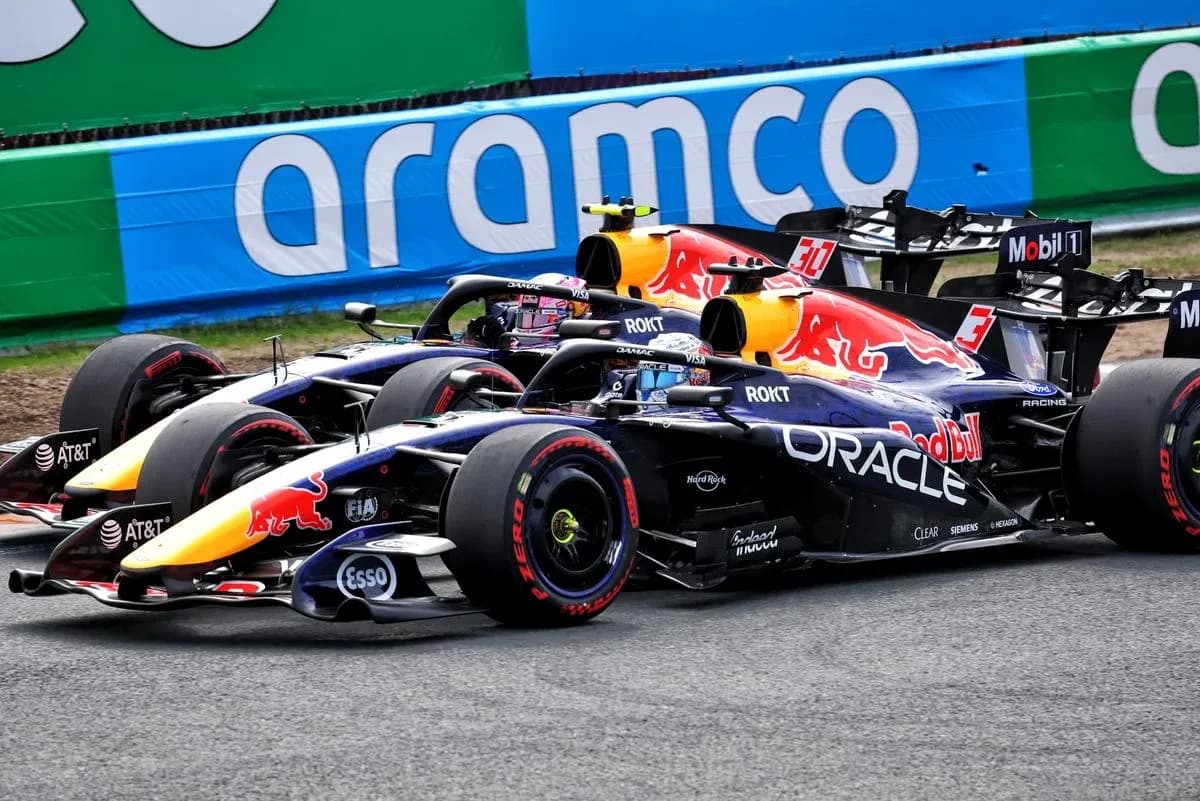
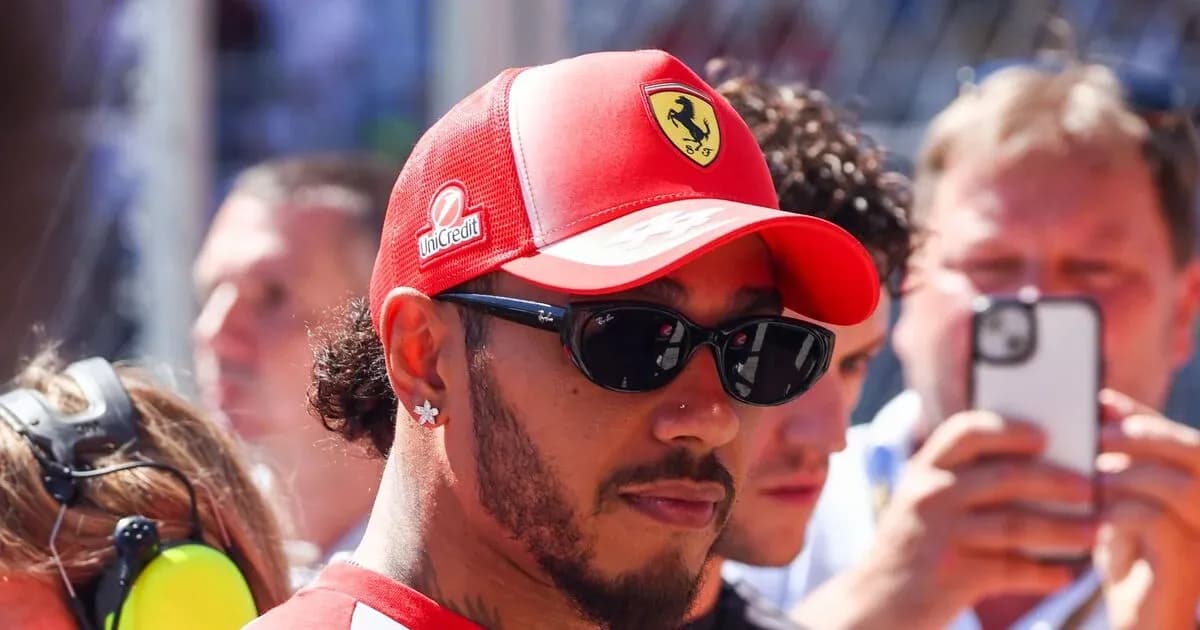
The seven-time world champion’s radio outbursts during the Dutch Grand Prix, fired off as he sat behind Charles Leclerc and questioned Ferrari’s strategy, have become one of the defining storylines of the weekend. Lando Norris may have taken the win, but Hamilton’s anger lit up the airwaves.
Hamilton later tried to cool it all down. The day after the race, he took to social media to apologise for the tone of his messages, admitting that the heat of the moment had got the better of him. He underlined his faith in Ferrari, stressed his commitment to the project, and framed the complaints as the reaction of a driver desperate to squeeze every last result out of a difficult afternoon.
For Schumacher, that wasn’t quite enough.
“At his age and with his standing…”
Speaking on the Backstage Boxengasse podcast, the former Formula 1 driver said he understood the raw emotion that spills out when a race goes wrong. Every driver knows that feeling. The visor comes up, the heart rate is still sky-high, and the words sometimes run ahead of the brain.
But Schumacher argued that Hamilton, of all people, should have drawn a line.
“I can understand a certain amount of frustration. That's always there as a driver, and especially immediately after the race, the emotions are still there,” he said. “But at his age and with his standing, you could handle it a little differently. Especially when it comes to criticising the team publicly.”
That was the crux of it. Not the frustration itself, but where Hamilton chose to point it — and how loudly.
Schumacher went further, suggesting that, right now, Hamilton owes Ferrari more patience than Ferrari owes him. The first season of their partnership has been bumpy, and in Schumacher’s eyes, Hamilton hasn’t yet delivered enough to start blasting the team in public.
“I think that particularly applies to him, considering that last year he really didn't help the team. I think the team still has a little more credit in the bank than he does. You can handle that differently,” he added.
Then came the pointed paddock remark. Schumacher referenced whispers in the Italian camp, hinting that Hamilton’s presence at Maranello carries a different weight to those who came before him.
“As you know yourself, in the paddock – and I'm talking particularly about the Italians – there are one or two rumours that this is the first driver where the Italians have the feeling that he is more important than the brand.”
At Ferrari, that is a dangerous perception. No one is supposed to be bigger than the Scuderia.
How “one lap more” lit the fuse
Behind the radio drama sat a simple but costly sequence of calls.
Ferrari team principal Frederic Vasseur offered his own post-race breakdown of what went wrong on the pit wall. In his view, the strategy itself wasn’t the disaster; the communication was.
Ferrari initially expected Hamilton to pit as soon as he caught Leclerc. That was the working plan. But the track picture shifted as Hamilton closed in, with traffic complicating the timing. The team then asked him to stay out for one more lap.
That single extra tour of Zandvoort changed the equation.
By extending Hamilton, Ferrari boxed themselves in. They couldn’t realistically keep him out again and, at the same time, orchestrate an immediate position swap with Leclerc. The window to tidy things up on track closed almost as soon as they tried to stretch it.
Vasseur admitted that, looking back, a different decision around lap 46 might have produced a cleaner result. The kind of call that always seems obvious when the chequered flag has already fallen.
For him, the real failure lay in the message to the cockpit. Hamilton, Vasseur said, was never clearly told that the team wanted him to run to the end of the race in that phase, rather than simply push harder and expect a stop or a quick shuffle in track position. The misunderstanding fed the anger. The anger spilled onto the radio. The radio clips circled the world.
Ferrari now finds itself managing more than tyre wear and pit windows. It must manage the expectations and emotions of the most decorated driver in Formula 1 history, in a season where both sides still need each other to prove this partnership can truly work.
The next time Hamilton feels the red mist rising, will he bite his tongue – or will Ferrari’s most high-profile signing keep testing the limits of how much noise Maranello is willing to tolerate?