Monza Weekend Alters Monaco Verdict and Sparks Audi's Protest
Formula 1 turned up at Monza expecting slipstreams and strategy. It got that – and another chapter in this season’s rulebook drama.
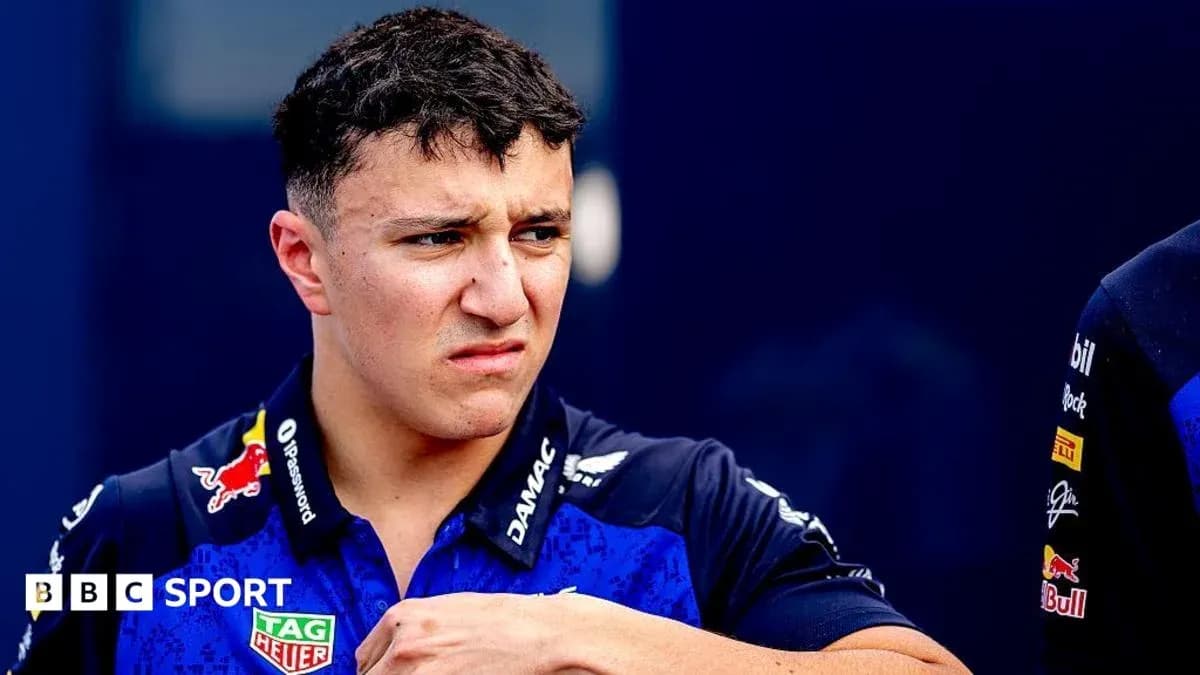
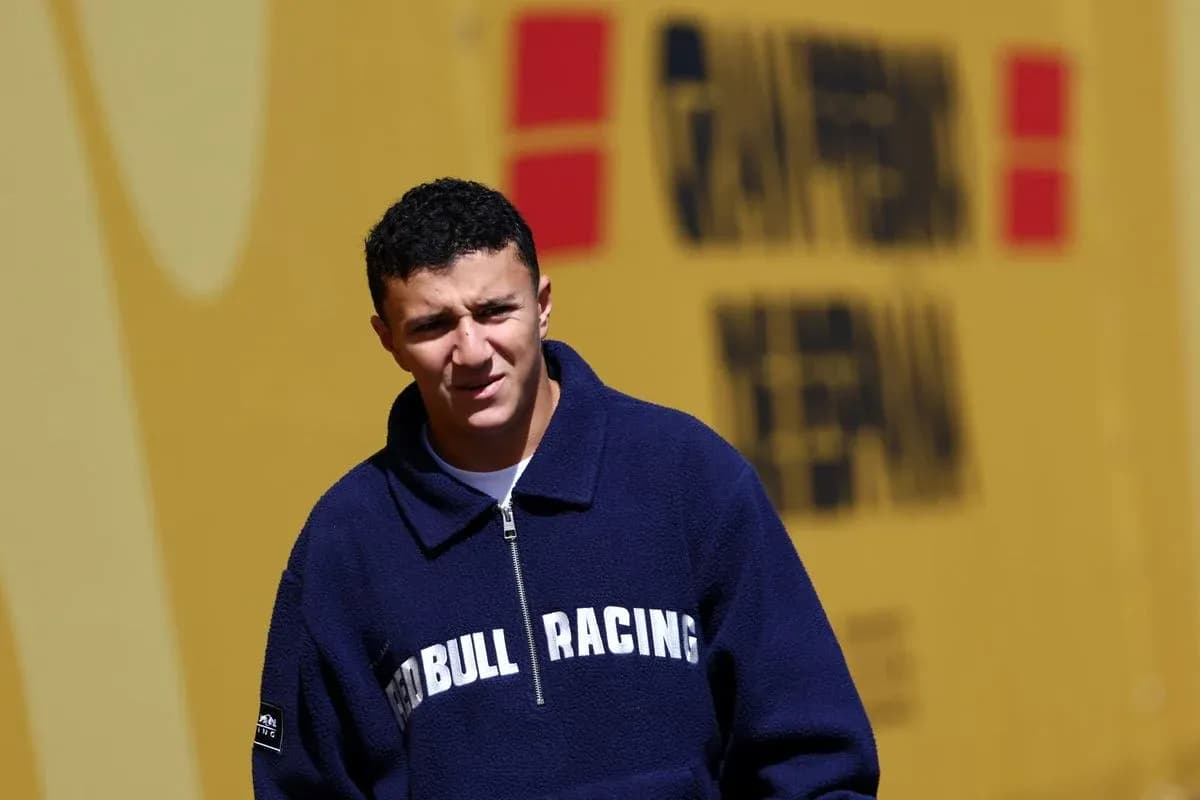
Almost three months after the chequered flag fell in Monaco, the result of that race finally changed again during the Italian Grand Prix weekend. Pierre Gasly, who had clung to his Monaco podium through protests and counter-protests, lost it. Isack Hadjar, the Red Bull Racing rookie, was moved up to third.
Gasly’s story in Monte Carlo has become a case study in procedural chaos. He crossed the line third, dropped down the order after a penalty related to pit-lane speed measurements, then won his place back when an initial protest went in his favour. Now, with the latest ruling, the Alpine driver has seen that hard-earned podium stripped away once more. Hadjar, who had watched the saga from the shadows, finally inherits the trophy.
Just as that long-running dispute seemed to be closing, another row began to brew – this time on home soil for Audi.
Audi furious over Monza restart call
After the Italian Grand Prix, Audi confirmed it had formally notified the stewards that it may protest the result. Not over a sanction that was applied, but over one that never came.
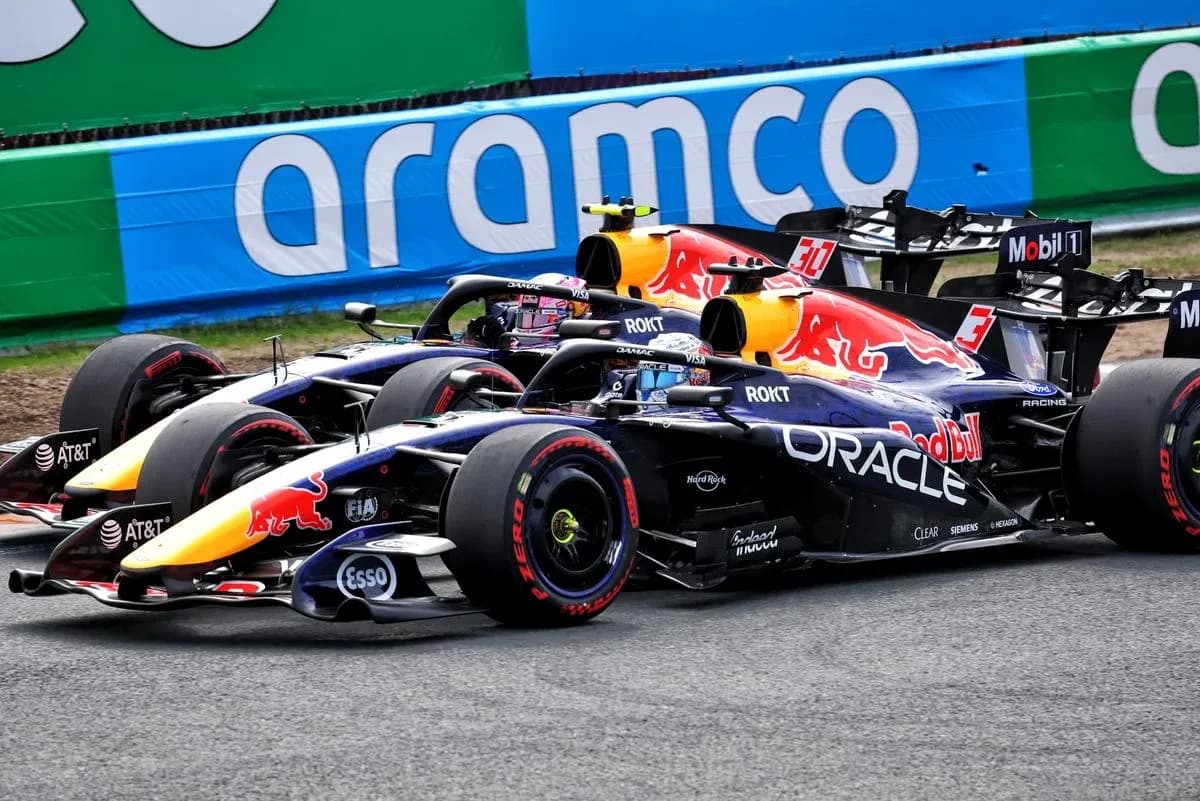
The focus is Yuki Tsunoda, driving for Racing Bulls at Monza in place of Liam Lawson, who himself is standing in for Isack Hadjar at Red Bull Racing. Tsunoda finished tenth, grabbing the final point on offer. Right behind him, in 11th and 12th, came the two Audi entries: Gabriel Bortoleto and Nico Hülkenberg.
For the German-Swiss squad, that single point is the difference between going home empty-handed and salvaging something from a bruising afternoon. The dispute centres on what happened at the restart after Charles Leclerc’s crash brought out the red flag.
The restart that changed everything
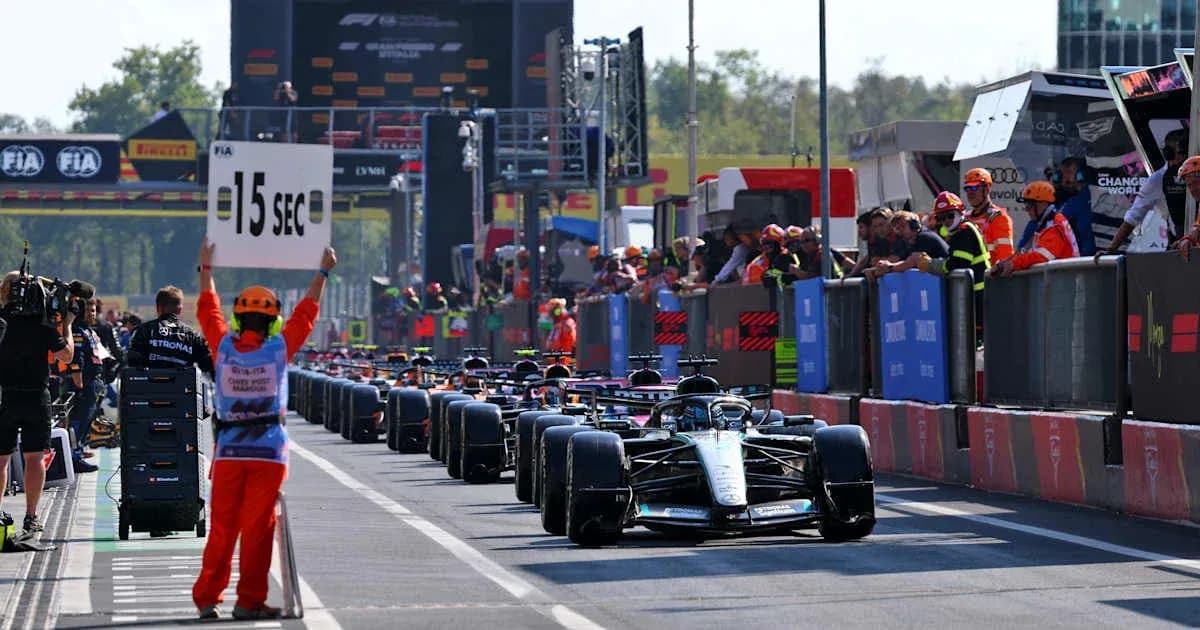
As the field formed up for the restart, Tsunoda made a costly-looking mistake. On his way to the grid, he initially lined up on the left-hand side, even though his designated slot was on the right. Realising the error late, he cut across and slotted into his correct box, but his car sat slightly askew.
Race director Rui Marques took no chances. The start was aborted and another formation lap was ordered.
Under the regulations, a driver who causes an extra formation lap is normally required to start from the pit lane. Tsunoda did not. He lined up on the grid again for the second restart attempt, with no instruction to peel into the pits and no penalty handed down.
The stewards did investigate him for a possible breach of the starting procedure. Their conclusion was blunt: no stop-and-go penalty.
Their reasoning? Team and driver were not made aware they were being treated as the cause of the additional formation lap. Tsunoda’s final position in the grid box was not officially classified as incorrect. The extra lap, they said, was called in the name of safety and in good faith. On that basis, they opted against imposing the standard sanction.
For Audi, that explanation cuts little ice.
What Audi wants – and what’s at stake
The manufacturer moved quickly after the race, filing its intention to protest within the mandatory one-hour window. That step doesn’t guarantee a full appeal, but it keeps the option alive. From Sunday evening, the team has 96 hours to decide whether to go all-in or quietly let the matter drop.
If Audi presses ahead and the protest succeeds, the consequences on paper are clear. Tsunoda would likely receive a retrospective time penalty equivalent to a stop-and-go – typically 30 seconds added to his race time. That would drop him out of the points, promote both Audi drivers by one position and hand Bortoleto a valuable point.
For a midfield team, that single point can reshape a constructors’ battle and, with it, budgets and leverage for next year.
So Monza leaves Formula 1 with a familiar question. After Monaco’s drawn-out wrangle and now this potential appeal, how many races this season will be decided not by the flag, but by the courtroom?