Mercedes Strategy Call Leaves George Russell Exposed in Monza
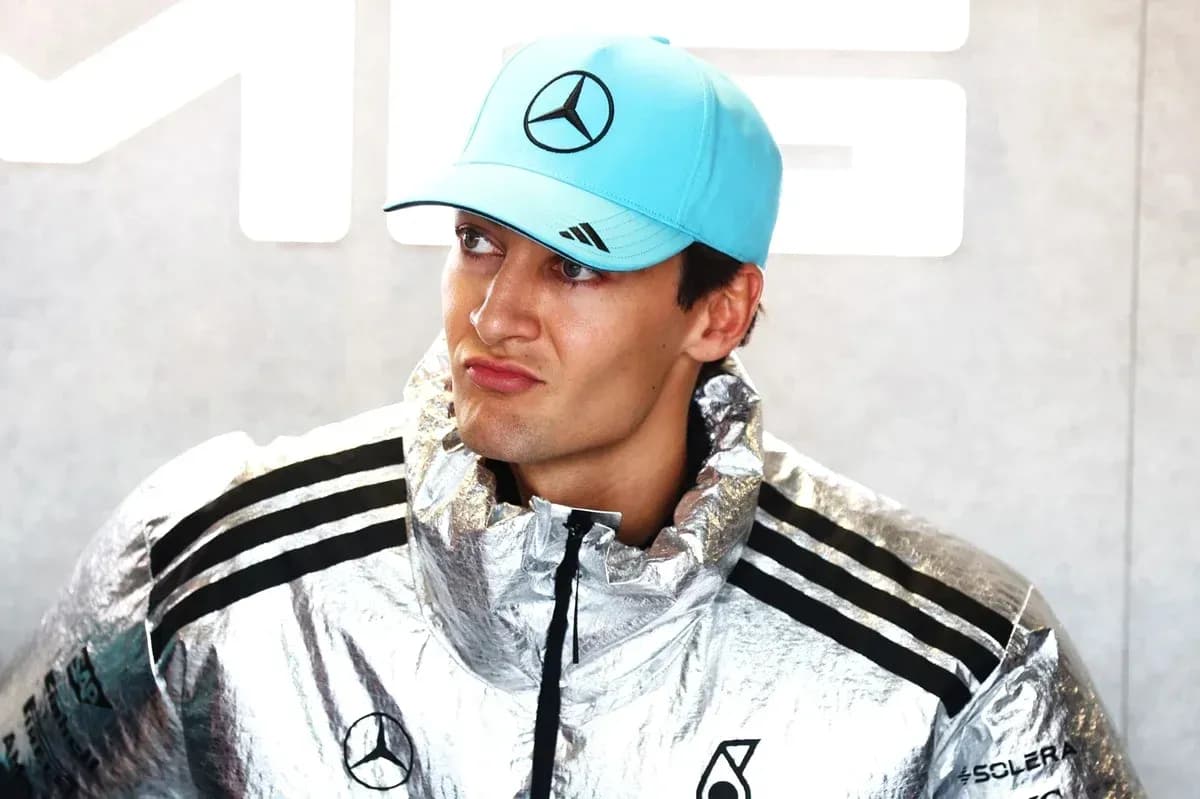
George Russell walked out of Monza with a podium, a second place, and a hollow feeling that refused to shift. According to Sky Sports F1 lead commentator David Croft, he has every reason to feel that way.
Russell had done the hard yards. After the early red flag, Mercedes committed him to the long game on the hard compound, asking him to manage, to stretch, to turn a risky one-stop into a race-winning platform. He responded. He led the Italian Grand Prix on merit, controlling the pace, nursing the tyres, doing exactly what the pit wall had asked.
Then came the moment that changed everything.
A late Virtual Safety Car threw strategy into chaos. With Red Bull’s Max Verstappen lurking, Mercedes chose to pit Kimi Antonelli for a fresh set of mediums, a move designed to cover the reigning world champion and give the Italian a shot at a fairytale home victory. Russell, still leading on the road, was told to stay out.
The call split the garage. It also split the race.
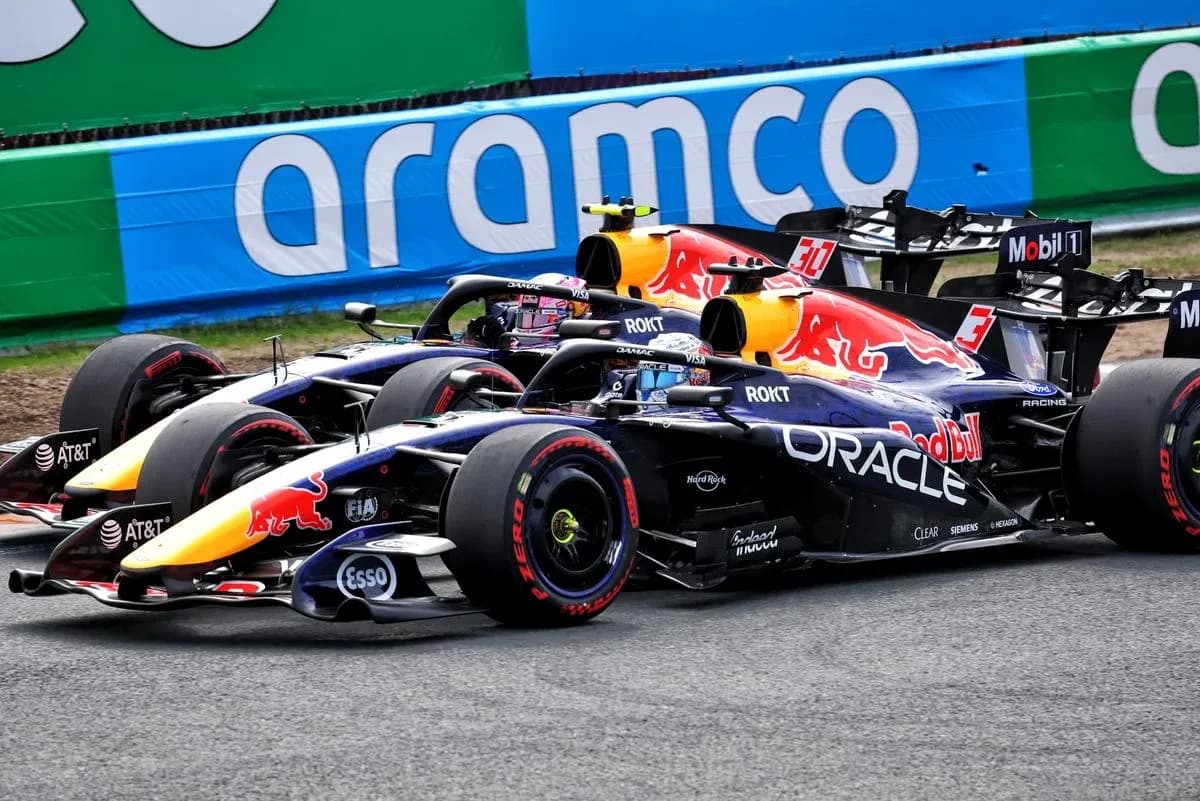
On newer, softer rubber, Antonelli carved into Russell’s advantage. The tyre offset was brutal. With three laps to go, the Italian made the decisive move, swept past his team-mate, and surged away to win his first home grand prix — from 19th on the grid. The tifosi roared for one of their own. Russell, who had led the race into its closing stages, could only watch him disappear up the road and settle for second.
From the commentary box, Croft saw a different storyline unfolding: a team that failed to protect the car in front.
“He should feel aggrieved,” Croft said on the Sky Sports F1 Show, laying the blame squarely at Mercedes’ strategy. The plan for Russell was clear: go to the end on the hards. He’d made that work. His pace held up. The problem, in Croft’s eyes, came the moment Mercedes chose to react to Verstappen with Antonelli alone.
“The minute Mercedes are thinking, ‘Well, we should bring in Kimi to cover off Max,’ they should also be thinking, ‘We’ll bring in George as well,’” Croft argued.
The option was there: a cheap stop under the VSC, a double stack that might have cost Antonelli a couple of seconds but would have put both Mercedes drivers on equal footing for the final sprint. Instead, one car got the golden ticket, the other was left to defend on ageing tyres against a team-mate with a huge grip advantage.
“You’ve got a cheap pitstop. You’ve got an opportunity there,” Croft said. Russell himself suggested the timing of the VSC wasn’t ideal, believing the medium runners could have faded late on. But that wasn’t how it played out. With the fresh tyres and the shortened green-flag run to the finish, Antonelli never came back to him.
For Croft, this wasn’t about emotion. It was about principle.
“Give your lead driver, who's out there and is doing a fine job, the opportunity to compete on equal terms if you've got equality within the team, which they have,” he insisted.
Russell didn’t hide his surprise in the immediate post-race interviews. He admitted he hadn’t expected Antonelli to pit at all, let alone be given the strategic hand that would ultimately beat him. Croft believes that surprise is justified.
“I would feel a bit aggrieved if I was George,” he said. “If they thought Kimi needed a change of tyres, they should have done the same with George.”
Mercedes left Monza with a famous home win for Antonelli and a one–two finish on paper. On the timing screens, it looked like a triumph. Inside the cockpit of the No. 63 car, and in the eyes of one of Formula 1’s most experienced commentators, it felt like a victory that slipped away on the pit wall, not on the track.