Madring Surgery: Enhancing F1 Racing in Madrid by 2027
The Madring arrived with a roar. It left with a shrug.
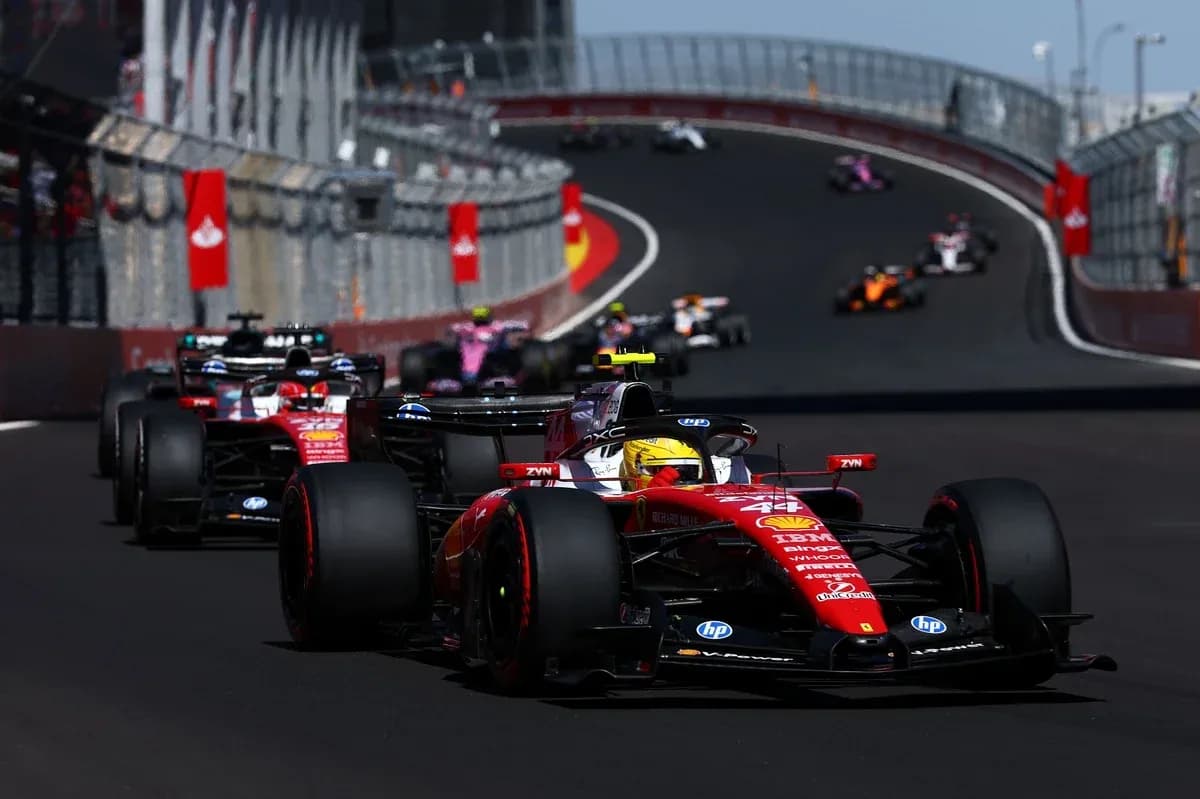
Formula 1’s newest venue, a 5.4km loop wrapped around Madrid’s IFEMA fairgrounds, impressed the paddock with its slick infrastructure and demanding, flowing layout. Drivers loved the challenge. Teams praised the organisation.
The racing, though, never really turned up.
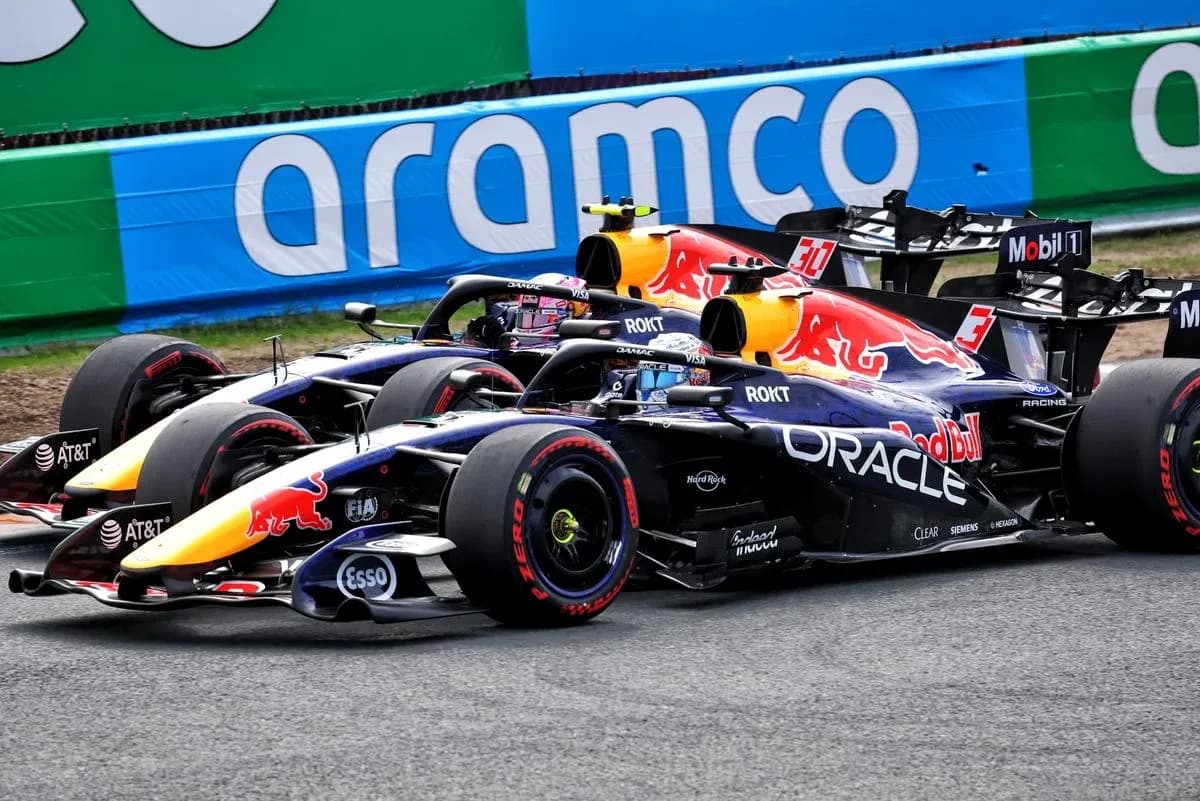
Across F1, F2 and F3, the same complaint echoed through the garages: too few chances to pass, too many corners that killed momentum and protected the car in front. For a track built to showcase a new era of Spanish Grands Prix, the spectacle fell short.
Organisers have heard the verdict – and they are already preparing the scalpel.
FIA recommendations in, Madring open for change
Luis Garcia Abad, managing director of the Spanish Grand Prix in Madrid, confirmed that the circuit will not stand still. Speaking after Sunday’s race, he revealed that the FIA has already issued a clear set of recommendations to improve overtaking for the 2027 event.
“Being honest with you, the FIA defined clearly which is the way to improve the track layout, and we will be open because we will have to reinstall the track for the next year,” Abad said.
His message was blunt: qualifying might have been thrilling, but the race product must catch up.
“I really believe that the drivers enjoyed qualifying a lot. But for sure we will try to make an improvement for next year.”
The Madring’s maiden race is the first of a 10‑year contract. That long runway gives organisers room to be bold, and crucially, the northern half of the circuit was drawn on a blank canvas over largely empty land. In circuit design terms, that’s a luxury.
“We have the space, we have a venue, we have the facilities, we have the capacity to do it,” Abad said. “I’m sure that FOM, FIA, and ourselves, we will try. If we can improve something, we will do it.”
The will is there. So are the ideas.
Turn 5 under fire and a pitlane problem
On paper, Turn 5 was meant to be the circuit’s big overtaking hotspot: a chicane at the end of the longest straight, the classic recipe for a lunge under braking. In reality, the corner’s awkward geometry strangled the move.
Drivers complained that the design forced them to brake and turn simultaneously, a “combined corner entry” that favours the defender. When you can’t brake in a straight line and commit, you can’t throw the car down the inside with any conviction.
That theme ran through several parts of the lap. Multiple sequences demanded that drivers steer and slow at the same time, making it far too easy for the lead car to control the pace and block any attack before it even started.
The frustration didn’t end there. The pitlane, long and punishing, scared teams away from creative strategy. With such a big time loss for a stop, the incentive to gamble on an extra tyre change or an undercut evaporated. On a day when overtaking was already scarce, strategy could not rescue the show.
The result: a track that asked a lot of the drivers over one lap, but not enough of them wheel-to-wheel.
Norris points to a new line of attack
World champion Lando Norris, who left Madrid with strong views on the layout, outlined a set of changes he believes would transform the race.
“To me, it’s not a great racetrack. It’s great in qualifying,” he said, before sketching out a more aggressive design.
His headline idea: scrap the fiddly end to the lap and replace it with a long, clean run into a big braking zone.
A “straight line from Turn 17 straight to Turn 20” with a much wider entry – something in the mould of Austin’s Turn 1 or Turn 10 – would, in his view, create a genuine overtaking platform, a proper hairpin that invites risk and rewards bravery.
“You’ll create much better opportunities for everyone and you’ll be able to enjoy the race,” Norris argued.
He also highlighted the Turn 5–6–7 complex as an area crying out for a rethink. The current requirement to turn and brake at the same time, he said, “basically defeats the whole object of racing.” When the car behind can’t line up a move because it’s already at the limit just keeping the car on the racing line, the duel dies before it begins.
Some of the fixes Norris floated sound simple. Others, like reworking an entire complex, will demand heavier construction work and detailed simulation. But they all point in the same direction: fewer awkward compromises, more clear-cut braking zones.
A decade to get it right
The Madring’s debut weekend told organisers exactly what they needed to know. The venue works. The logistics work. The atmosphere, with Madrid wrapped around it, will only grow.
Now the layout has to earn its place on the calendar.
With FIA guidance already in hand and a contract that runs to 2034, Madrid has time and flexibility to reshape its new toy. The northern sector’s blank-slate nature gives designers freedom that older, more constrained tracks can only envy.
The message from drivers, fans and officials is aligned: keep the challenge, sharpen the racing. If Madrid can turn its one-lap thriller into a wheel-to-wheel arena by 2027, the Spanish Grand Prix will not just look modern. It will race like it belongs in F1’s future.