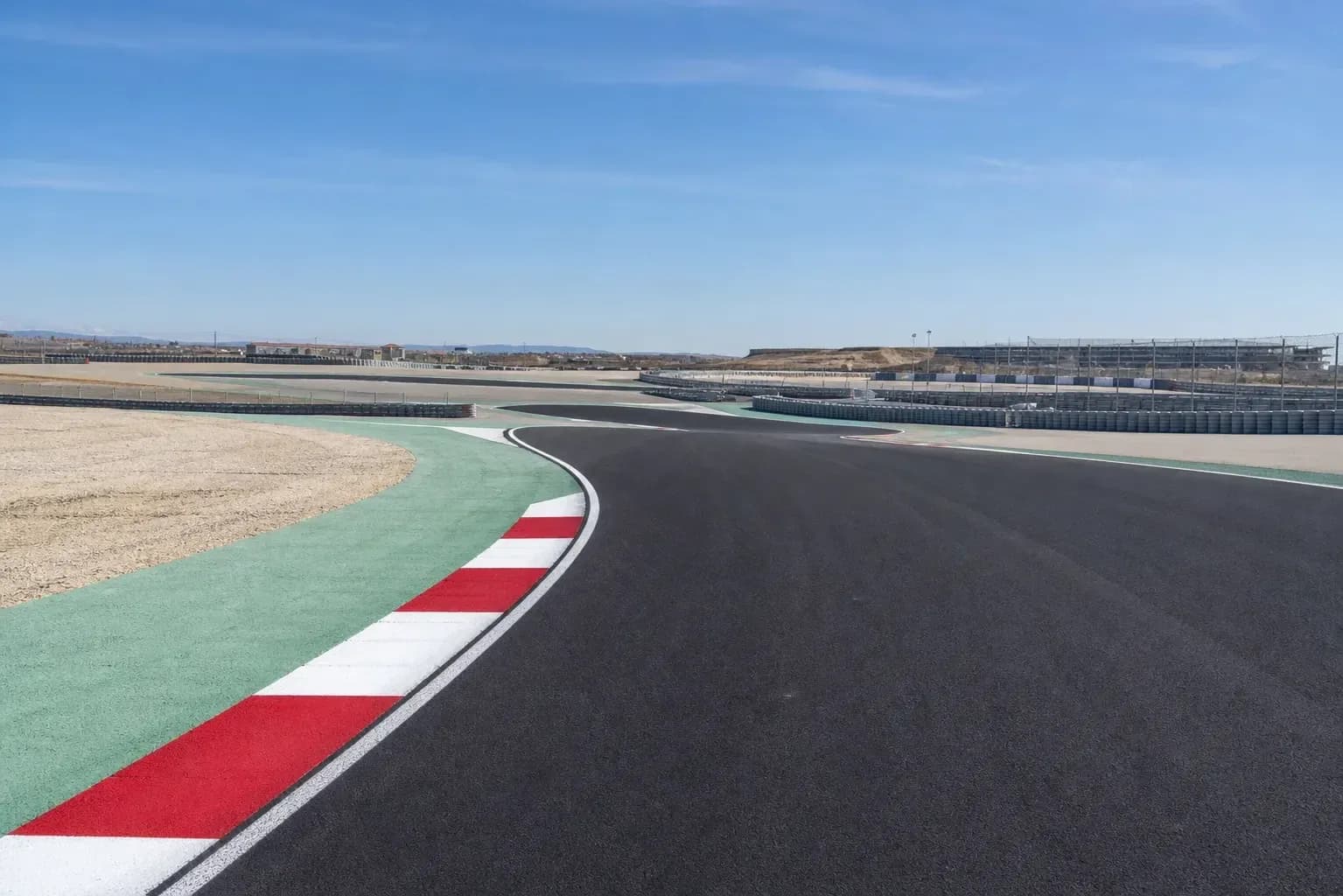
Madring Circuit Set to Transform Spanish Grand Prix
Formula 1’s long relationship with Barcelona is winding down. The future of the Spanish Grand Prix now belongs to Madrid – and to a brand‑new, hybrid-style circuit that promises to look and race like almost nothing else on the calendar.
From 2026, the Spanish round shifts from the familiar sweep of the Circuit de Barcelona-Catalunya to the freshly designed Madring layout in the capital. The deal is locked in until 2035, giving Madrid nearly a decade to make this race its own.
A Street Track That Isn’t Just a Street Track
Madring stretches through a mix of city roads and private land, carving out a 22‑corner lap that sits somewhere between a classic street circuit and a permanent race track.
Some sections will feel tight and hemmed in, with walls close and margins thin. Others will open out into more traditional racing territory, with proper runoff and higher-speed arcs. It’s a split personality by design, built to test everything from traction out of slow corners to bravery through long, loaded turns.
La Monumental: Madrid’s Answer to Zandvoort
Turn 12, La Monumental, is the headline act. A vast, banked hairpin with a 270‑degree arc and a maximum banking angle of up to 13.5 degrees, it will be the circuit’s visual and sporting centerpiece.
For context, Zandvoort’s most aggressive banking hits 18 degrees. Yet Formula 1 engineers expect cars to attack La Monumental at even higher speeds, exploiting the longer radius and modern aero to stay pinned for longer.
Williams driver Carlos Sainz has already sampled the layout in a Ford Mustang GT. His verdict on La Monumental is bold: he believes F1 machinery could take it flat out. If that proves true, the corner won’t just be a spectacle; it will become a tactical weapon.
Sainz also sees a rare opportunity for drivers to play with lines. The banking should let them choose higher or lower routes through the turn, hunting for clean air while chasing a rival. Hugging the inside could generate a powerful slipstream effect, echoing the kind of side‑by‑side runs seen at Zandvoort, but over a much longer sustained load.
The real sting comes immediately after. A tight left-hander follows La Monumental, and that’s where Sainz expects the main overtaking chance. Nail the line, stay flat, surf the slipstream, and then throw the car down the inside. The corner sequence has been drawn up to reward commitment, not caution.
Title Battle Rolls Into Madrid
All of this theatre will frame a championship fight that already leans Mercedes’ way.
Heading into the Spanish Grand Prix, Kimi Antonelli sits on top of the drivers’ standings with 267 points, the young Mercedes driver setting the pace in a season that has tilted towards the Silver Arrows. Just behind him, teammate George Russell holds second on 201 points, giving Mercedes a formidable one‑two at the sharp end.
Lewis Hamilton, now in Ferrari red, lurks in third with 191 points. The seven-time world champion knows Spain well from his years of dominance in Barcelona, but Madrid’s unfamiliar tarmac and unusual layout will test even his encyclopedic racecraft.
The constructors’ picture tells the same story. Mercedes lead the way on 468 points, with Ferrari on 346 and McLaren on 287. The gap is significant, yet a new circuit often throws up new winners and new problems. Setups can miss. Tyres can misbehave. Strategy calls can unravel in a single safety car period.
Sunday, September 13, will be the first real examination of how Madring races under pressure, with a full field, full fuel, and full stakes. If La Monumental delivers the kind of wheel‑to‑wheel drama its design suggests, Madrid won’t just be inheriting Spain’s Grand Prix. It will be redefining what it looks like.