Madrid's First Formula 1 Grand Prix: A Missed Opportunity
Madrid finally got its first Formula 1 grand prix. It just forgot to give the drivers anywhere to race.
What should have been a flagship debut in 2026 turned into a familiar modern F1 story: huge effort on the show, too little on the substance of Sunday. The Madring looked good, sounded good and gave the drivers a qualifying lap to savour. Once the lights went out, it locked the field into formation.
A blank sheet, wasted
The most damning part is how avoidable it all felt.
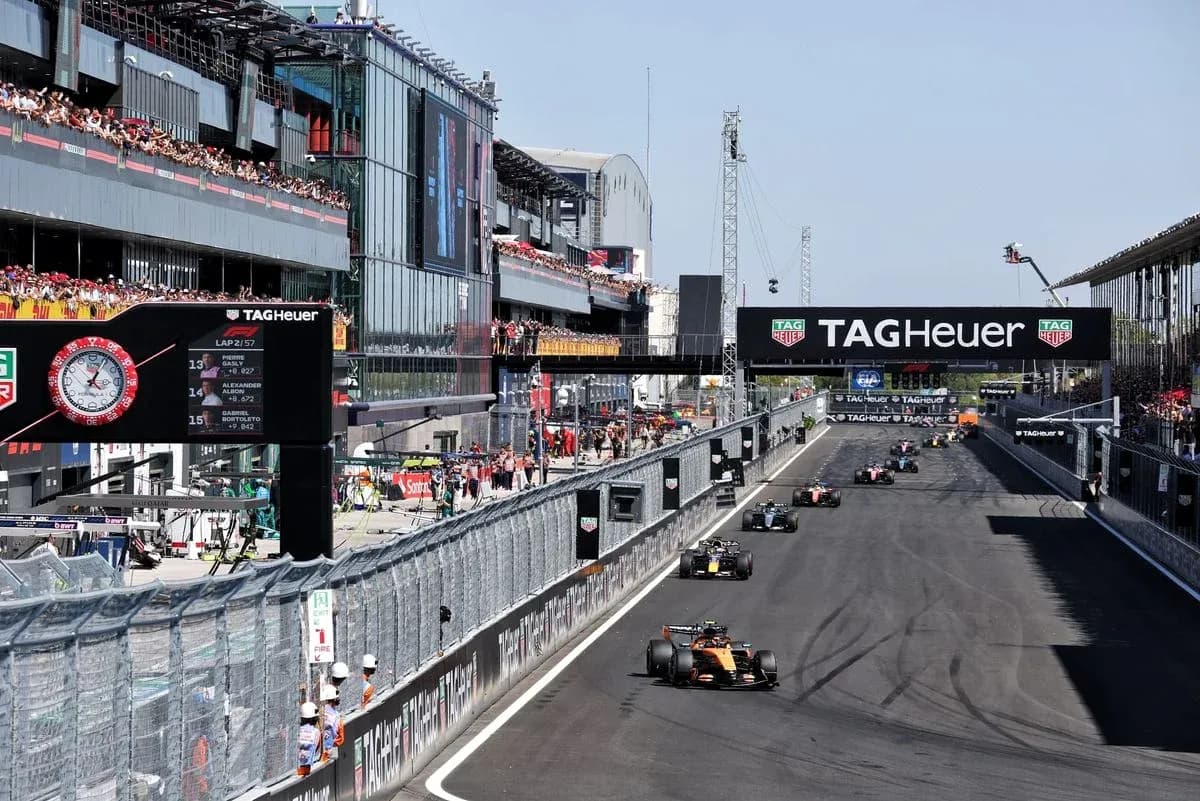
New circuits are supposed to be a designer’s dream – no history to respect, no legacy corners to tiptoe around. Madrid had a blank sheet and used it to draw a fast, flowing, technically demanding layout that worked brilliantly over one lap and for junior series chaos. For F1 racecraft, it was a dead end.
There was no obvious, repeatable overtaking zone. No long, clean braking area where a driver could throw the car down the inside without juggling steering and braking at the same time. The track narrowed in exactly the wrong places. The areas where you might have a go were either too tight, too curved, or too compromised by walls.
You can build the most spectacular event in the world – packed grandstands, a skyline backdrop, slick transport, a festival in the paddock – but if the circuit itself strangles the race, the whole thing collapses where it matters most. That’s what happened here, and the warning signs were flashing from the moment the layout was revealed.
Nobody can say this came as a surprise. They just let it happen.
The new tradition: no overtaking
Madrid didn’t just join the F1 calendar. It joined a club.
Once again, a modern venue has managed the perverse trick of being almost impossible to overtake on. At this point, it feels like a grim tradition. It’s actually hard to keep missing the mark this consistently, yet somehow F1’s newest additions keep finding ways.
From the cockpit, it looked fun. Drivers relished the challenge in qualifying. The race didn’t descend into the crashfest some had predicted, either. When incidents did happen, another problem emerged: how slowly the circuit could clear them.
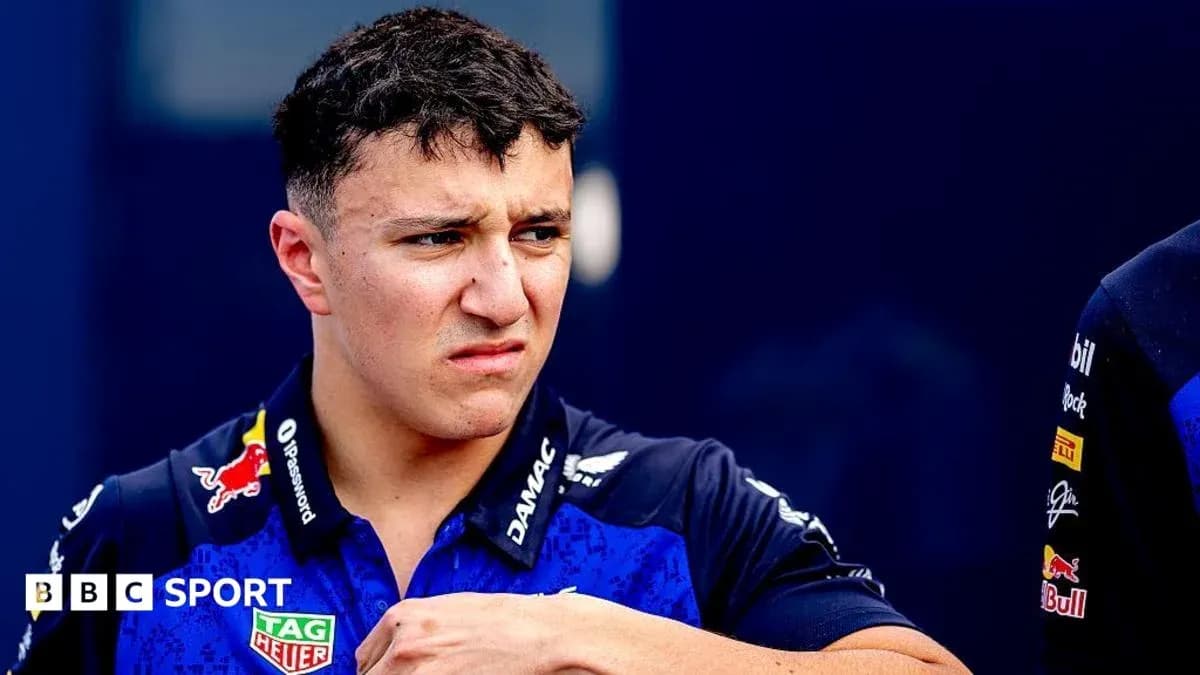
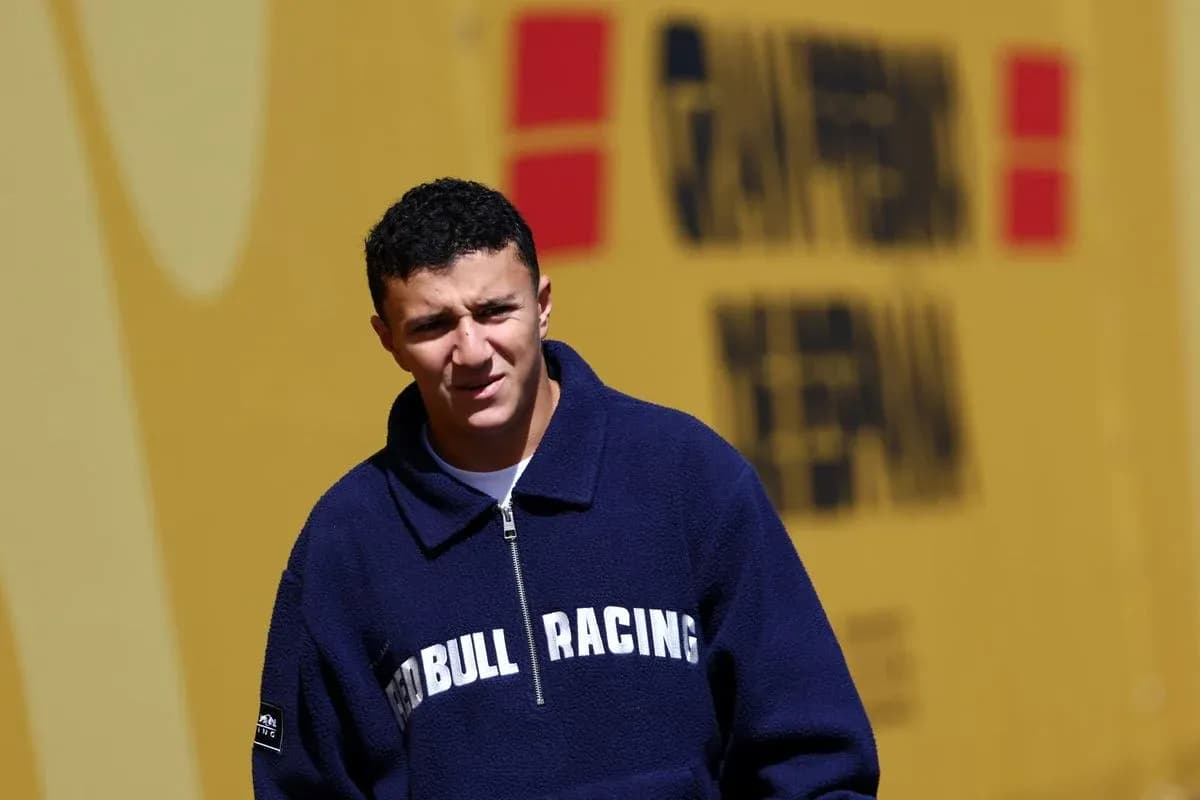
Ollie Bearman’s FP3 crash exposed that flaw brutally. Removing the car was straightforward. Repairing the Tecpro barriers was not. Watching a couple of marshals try to manhandle a barrier designed to absorb a 900kg F1 car at high speed was almost slapstick. The clock kept ticking, the session bled away, and the question lingered: why wasn’t this thought through?
Then came race day and the other modern lottery: the timing of the VSC and safety car. Lance Stroll’s off triggered the VSC that swung the race away from Lando Norris. By common consent in the paddock, Norris had done enough to win. The system took it out of his hands.
That’s not a Madrid-specific issue, but this race underlined it. It is fixable. It is simple. And still, the rule-makers leave it untouched.
A few walls away from greatness
The real frustration is how close this circuit feels to being genuinely good.
As a pure driving test, the Madring delivered. It asked questions of commitment, precision, and confidence. It rewarded those who could lean on the car and dance with the walls. Onboards made it look ferocious in qualifying trim.
But so many of the decisions that ruined the racing didn’t need to compromise that challenge. A couple of moved walls. A few wider entries and exits. One or two flatter, more conventional braking zones. None of that would have dulled the thrill of a qualifying lap, yet all of it could have opened the door to real racing.
Street circuits are never easy to make wide, but they don’t have to be this tight in the wrong areas. Madrid was designed with F1 in mind, not as a legacy track repurposed from another era or category. This wasn’t about squeezing a race into existing roads like Macau. The Madring had more freedom than that, and still ended up with fewer genuine passing chances.
That’s why it feels like a missed opportunity of the highest order.
When strategy is the only weapon
Some street tracks get away with limited overtaking. They lean on strategy, tyre wear, and the occasional moment of madness to create drama. Across a 24‑race calendar, a couple of places like that can add variety.
Madrid pushed that idea too far.
A car as quick as Norris’s McLaren, once delayed, should at least have been able to threaten a charge back through the pack. It never really did. Charles Leclerc, running a radically different race with no pitstop for so long, should have been under siege. Instead, he sat there, protected by the layout and the dirty air, a rolling reminder of how little could be done behind him.
Too many drivers were simply stuck. Not out-thought. Not out-driven. Just parked in traffic they had the pace to escape, with no realistic way to turn speed into position. Any hope of late-race intrigue was slowly suffocated.
Tyre choice might offer one lifeline. A more aggressive compound selection could force more stops, bigger pace deltas, and some desperation. It might be enough to shake this layout into life without touching a wall. But that would be papering over the cracks of a circuit that should never have needed rescuing.
A spectacle that left you bored
There was plenty to like around the edges. Reports from the ground praised the organisation and the atmosphere. On TV, the Madring looked fast, unforgiving and spectacular on a single lap. From some angles, it evoked the great concrete canyons of the past.
Then the race settled, and the mood changed.
Lap after lap, the same cars, in the same order, separated by gaps that looked small but felt enormous in terms of opportunity. The sense of jeopardy drained away. The event kept roaring; the racing never caught up.
You could enjoy the track. You could admire the drivers. You just couldn’t escape the nagging thought that, for all the noise and novelty, this grand prix was fundamentally flat.
Madrid has the bones of something special. The question now is whether F1 and its new showpiece city are brave enough to tear into those bones and rebuild – or whether this is what the sport is willing to accept from its future.