Liam Lawson's Strong Drive at the Spanish Grand Prix
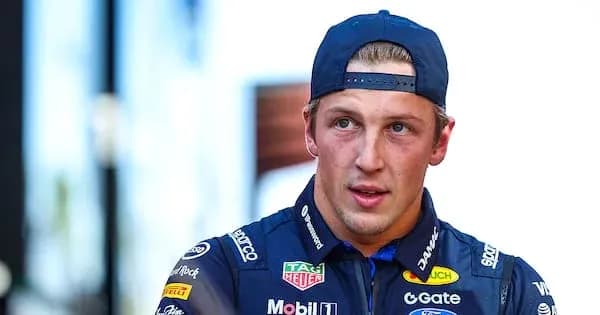
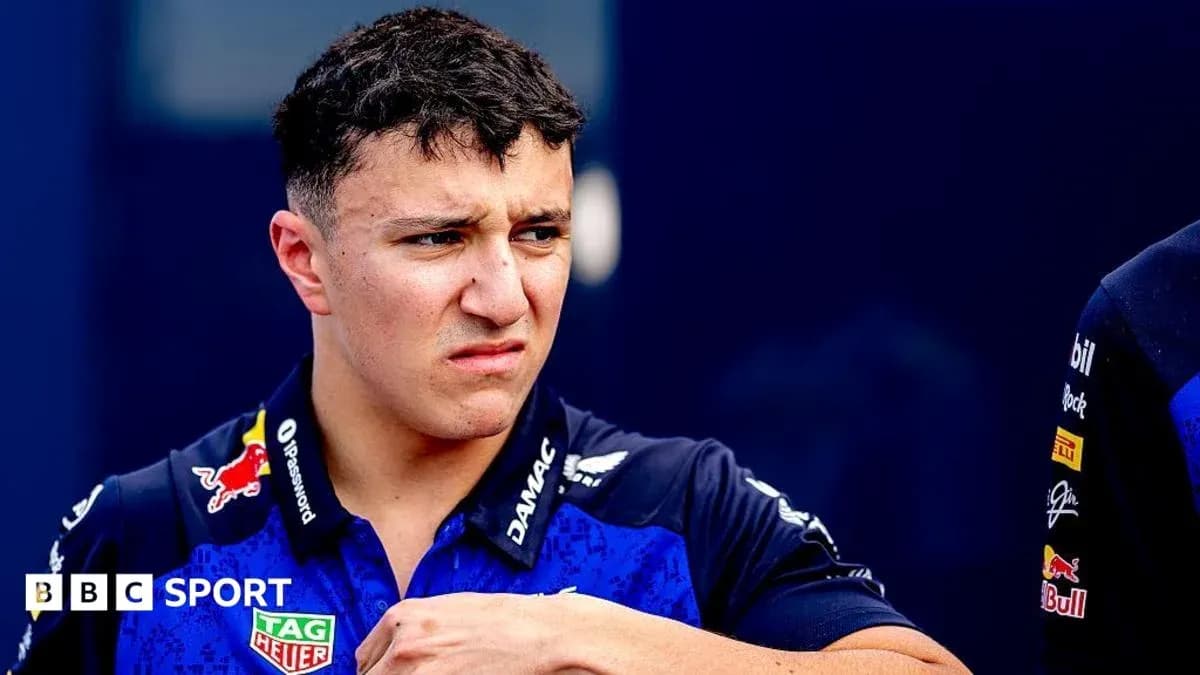
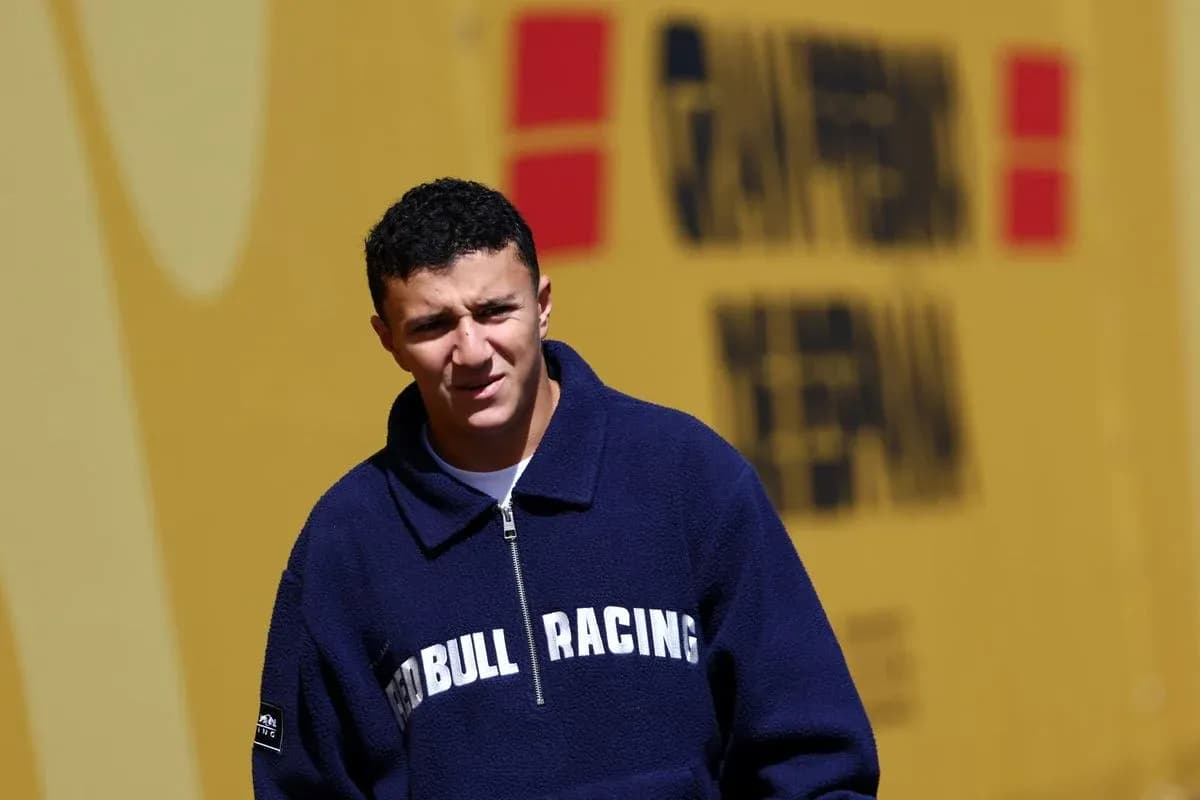
Liam Lawson’s sharp, disciplined drive to sixth at the Spanish Grand Prix will not dominate the headlines. It should not be ignored either.
On a tight, unforgiving new Madring layout that punished hesitation and offered precious few chances to pass, the 24-year-old New Zealander turned eighth on the grid into sixth at the flag, matching his best results of the season from Monaco and Silverstone. No fireworks, no drama – just clean execution on a day when others with faster cars and bigger reputations tripped over strategy or reliability.
While Lawson quietly banked another strong haul, the front of the race turned on a single moment.
Antonelli pounces as Norris’ luck turns
Kimi Antonelli left Madrid with another winner’s trophy and a bigger lead in the world championship, but even he knew how thin the margin was between glory and frustration.
The Italian, fresh from a stirring comeback victory at Monza, lined up behind Lando Norris on the front row and attacked immediately into Turn 1. He dived down the inside, cut the corner to avoid contact and briefly snatched the lead, only to be ordered to hand the place back. Norris survived that first assault. He would not survive the second.
The race flipped on Lap 15 when Lance Stroll’s Aston Martin stopped with a brake problem and triggered a virtual safety car. Norris had already swept past the pit entry. Antonelli had not.
Mercedes rolled the dice and nailed the call. Antonelli ducked in, took fresh tyres and emerged ahead. Norris, forced to wait until racing speed resumed, pitted a lap later, lost time with a slow right-front change and tumbled to fifth. In a few brutal minutes, what had looked like Norris’ race to control became Antonelli’s to manage.
“Lucky for the virtual safety car, feel a bit bad for Lando,” Antonelli admitted over the radio, before adding: “Really strong race, strong weekend, let’s keep pushing.” He later repeated the sentiment: “It’s good to win, but it doesn’t feel as good because I think Lando today deserved to win. But overall, you know, we’ll take it.”
He did more than just take it. He controlled it.
With overtaking at a premium on the narrow Madring layout, track position was everything. Once Antonelli had it, he used the car’s pace and the durability of the hard tyres to lock the field behind him, picking off lap after lap with the composure of a veteran, not a young driver still in his first title fight.
It was his eighth win of the season and his second in as many weekends. The championship gap to teammate George Russell is now a commanding 81 points with nine races left. Russell’s own run to fifth underlined Mercedes’ strength, but there is no doubt which silver car is setting the pace of this title chase.
Norris and Verstappen left to count the cost
For Norris, the race became a study in controlled anger. He had done everything right in qualifying, nailed the start, and initially absorbed Antonelli’s early pressure. Then the virtual safety car arrived at the worst possible second.
“I was the only one who didn’t get a chance to do the pit stop there. Of course I feel like I deserved more,” he said. “There was nothing I could do. Congrats to Kimi and Max, they drove a good race today. Just luck not on our side. Rough race, one that just got away from us.”
Max Verstappen, who finished second, kept his nose clean in a race that could easily have gone sideways in the opening laps. He, too, had to give a position back early on after gaining an advantage off track in a skirmish with Lewis Hamilton, but once things settled, the Red Bull slotted into a familiar role: not quite fast enough to bully the Mercedes, quick enough to punish any mistakes. None came.
Norris eventually salvaged third, but the sense of a missed opportunity hung over McLaren. A strategy call that looked marginal in real time became costly the moment the virtual safety car ended and the timing screens told the story.
Leclerc’s gamble fades, Hamilton’s misery deepens
Charles Leclerc briefly threatened to rip up the script. When the virtual safety car came out, Ferrari split their options. Leclerc stayed out, inherited the lead and tried to make an offset strategy work.
For a long stretch, it did. He controlled the pace, managed his tyres and forced Antonelli and Verstappen to sit in his mirrors, waiting. The hard rubber held up well for the front-runners, though, and the rules demanded a stop. When Leclerc finally pitted late, the façade of a potential upset disappeared. He dropped back to fourth and stayed there.
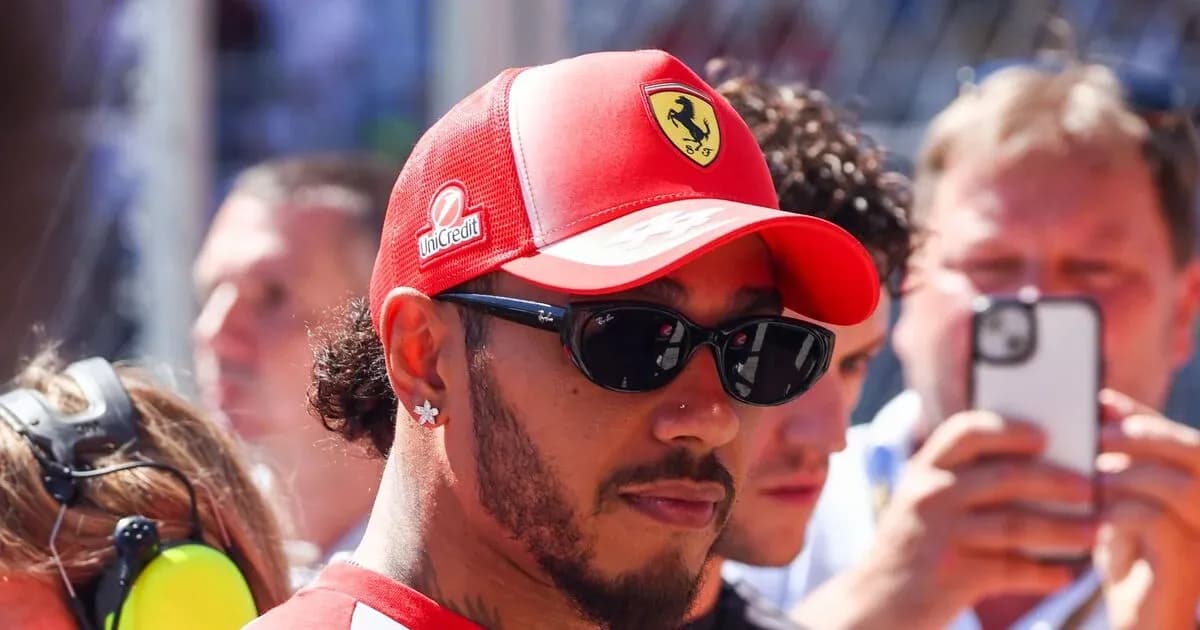
On the other side of the Ferrari garage, the weekend was even more brutal. Lewis Hamilton’s race lasted just seven laps before a brake problem forced him out. It followed a bruising Italian Grand Prix, where an early clash with Leclerc left him fighting from behind and only sixth at the flag. Two races, one mechanical retirement, one compromised result – not the form a seven-time world champion expects or accepts.
Home heroes collide, Madrid divides
For the Spanish fans, the return of Formula 1 to Madrid after 45 years brought noise, colour and a painful subplot.
Fernando Alonso and Carlos Sainz, the country’s two standard-bearers, started at the back and managed to find each other almost immediately. They touched in the early laps, adding another layer of frustration to a scrappy opening from Sainz, who had already tangled with other cars.
“He squeezed me into the wall,” Alonso said. “(At) the start, he crashed into two people, now he squeezed me into the wall on breaking.”
The stewards handed Sainz a five-second penalty for the incident. His race never recovered; a later car issue forced him to retire. Alonso limped on in a grand prix that will not linger fondly in Spanish memory.
Away from the track, the event itself split opinion. Organisers projected a weekend attendance close to 350,000 as the sport’s return to the capital drew fans, dignitaries and spectacle – Spanish King Felipe VI among them. Yet hours before lights out, a few hundred residents from northern Madrid neighbourhoods marched in protest, many in bright yellow shirts and carrying signs reading “Stop Formula 1 in Madrid.” Their complaints were pointed: noise, road closures, environmental impact, and a 10-year contract that will keep the race in the city long after this first novelty has worn off.
Lawson’s quiet statement
Amid the noise, politics and title narratives, Lawson’s sixth place might look like a footnote. It is not. On a new circuit with a narrow margin for error, he again showed he belongs in the thick of the midfield fight, matching his best results of the year in three very different arenas: the streets of Monaco, the high-speed sweeps of Silverstone, and now the technical confines of Madrid.
The championship picture at the front feels increasingly clear with Antonelli in this kind of form. The real question, as the season heads into its final nine rounds, is who else will use days like this – tricky, tactical, unforgiving – to quietly shift their own future.