Liam Lawson Achieves Best Finish for Red Bull in Madrid
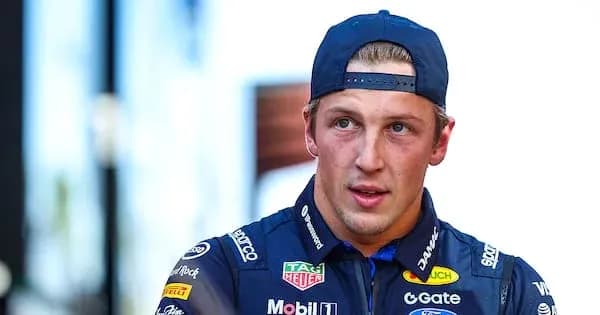
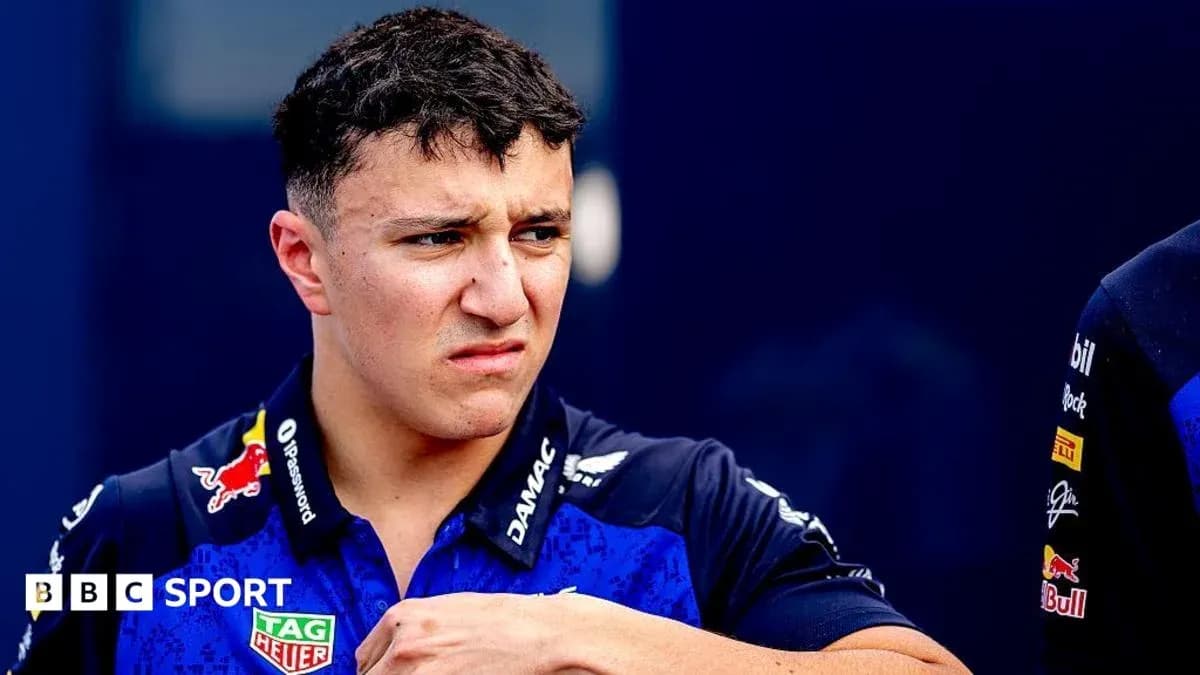
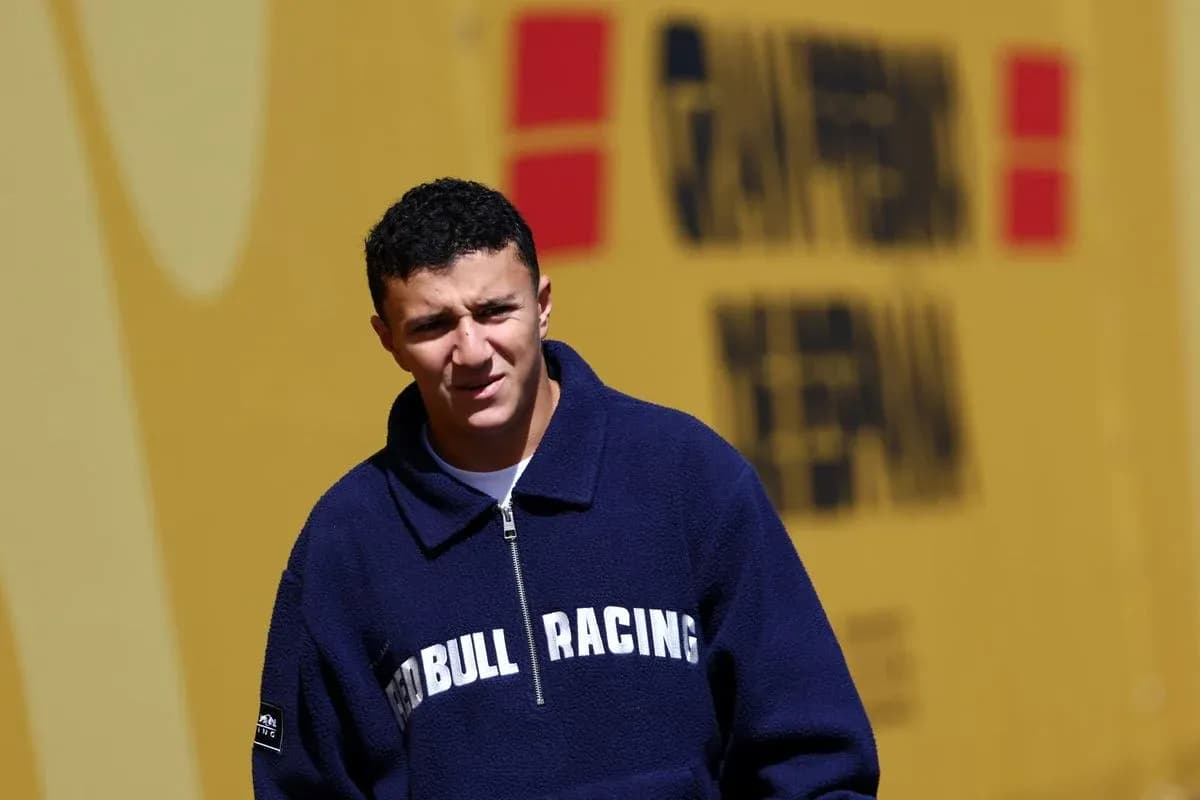
Liam Lawson walked away from Madrid with the sort of result that sticks in a team’s memory.
Sixth place at the new Madring circuit might not grab the headlines in a race decided by a slice of virtual-safety-car luck, but for the 24-year-old Kiwi it marked his highest finish in Red Bull colours and another step in a season that is quietly gathering weight.
He started eighth, ended sixth, and matched the position he claimed at Silverstone earlier in the year. Different country, different circuit, same message: Lawson belongs in this fight.
“From where we started, it was an okay race,” he said afterwards. “It was just super hard to overtake.”
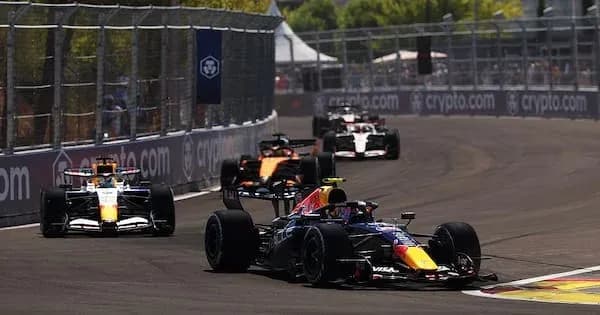
Red Bull rolled the dice with an alternate strategy on the hard tyre, hoping the race would come to him. The VSC did him no favours.
“We went for an alternate strategy on the hard, but I think the VSC didn’t help. I was honestly on my own a little bit,” Lawson admitted. “I think it would’ve been nice to qualify higher, but from where we started it was an okay race.”
Eight points for sixth lifted him to ninth in the World Drivers’ Championship on 59 points, 12 shy of Isack Hadjar’s 71. In a season dominated by the title scrap at the front, Lawson is building something more subtle: consistency, credibility, and leverage.
Antonelli pounces as Norris loses out
Up front, the race swung on one moment. Lap 15. Lance Stroll’s Aston Martin rolled to a halt with a brake problem, the virtual safety car was deployed, and the Spanish Grand Prix turned on its axis.
Kimi Antonelli, running second at the time, dived in. Lando Norris could not. The McLaren had already swept past the pit entry and, with the VSC window gone by the next lap, his stop cost him dear.
From there, the script was brutal.
Antonelli emerged ahead, the Mercedes pit wall having nailed the timing. Norris, delayed not just by the VSC but also by a slow stop caused by an issue on the right-front wheel, dropped to fifth and spent the rest of the afternoon trying to salvage what he could.
The Italian didn’t hide how much fortune played its part.
“Lucky for the virtual safety car, feel a bit bad for Lando,” he said on the radio. “Really strong race, strong weekend, let’s keep pushing.”
It was his second straight victory after a come-from-behind triumph at home in Italy the previous weekend, and his eighth win of the season. The numbers are starting to look ominous: Antonelli now leads Mercedes teammate George Russell by 81 points with nine races to go. Russell came home fifth in Madrid.
Even in parc fermé, though, Antonelli’s tone stayed measured.
“It’s good to win, but it doesn’t feel as good because I think Lando today deserved to win,” he said. “But overall, you know, we’ll take it.”
They all would.
Norris left fuming at “insanely unlucky” call
Norris had done the hard part. He’d converted pole, held off Antonelli’s early charge into Turn 1, and kept control of a race that offered few overtaking chances on a tight, technical layout that punished hesitation.
Antonelli had tried to wrestle the lead at the start, even cutting the corner to avoid contact, but had to hand the place back. Max Verstappen did the same with Lewis Hamilton, returning the position after gaining an advantage off-track.
The real damage came later.
When the VSC arrived, almost the entire front group took the cheap stop. Norris didn’t get the chance. By the time he pitted a lap later, the VSC had ended, the pace was back to full, and the race had slipped through his fingers.
He rejoined in fifth and fought his way back to third, behind Antonelli and Verstappen, but knew exactly what had happened.
“I was the only one who didn’t get a chance to do the pit stop there. Of course I feel like I deserved more,” Norris said. “There was nothing I could do. Congrats to Kimi and Max, they drove a good race today. Just luck not on our side. Rough race, one that just got away from us.”
From a strategic masterclass in qualifying to a tactical gut punch in the race. McLaren will replay that VSC moment for weeks.
Leclerc’s gamble fades, Hamilton’s misery continues
For a while it looked like Charles Leclerc might steal it.
When the VSC came, the Ferrari stayed out. While Antonelli and others pitted, Leclerc took track position and moved into the lead on a different strategy, trying to stretch his tyres and control the tempo.
On a circuit where overtaking proved scarce, it was a bold call. For a time, it worked. Leclerc led most of the race, managing the gap, hoping the hard tyres would hold.
They didn’t quite. The mandatory stop eventually dragged him in late, and with the front-runners able to run long on durable rubber, he dropped to fourth, off the podium and out of the argument for victory.
Lewis Hamilton’s day was worse. Much worse.
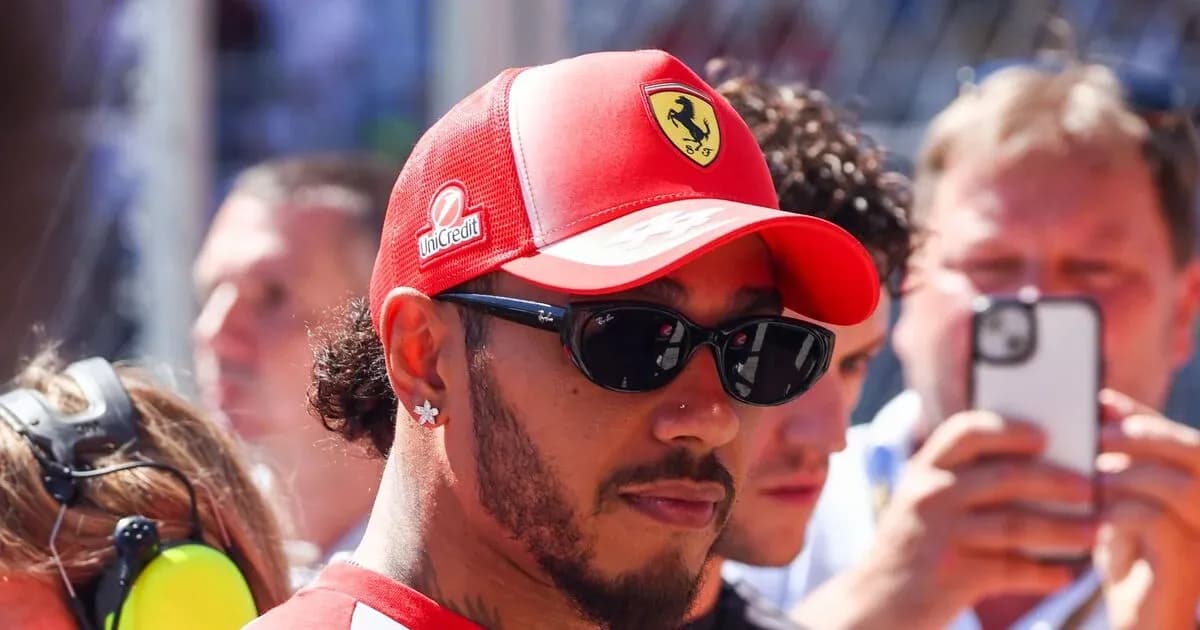
The seven-time world champion lasted only seven laps before a brake problem forced him out. It capped a grim back-to-back run after his scrappy sixth place at the Italian Grand Prix, where an early clash with Leclerc had already underlined how hard this season has become.
At Madrid, the car beat him before the race even settled.
Home heroes collide on a day to forget
Spain waited 45 years for Formula 1 to return to the Madrid region. The last time the championship raced here, at Jarama in 1981, the sport looked and sounded very different.
This homecoming will not sit fondly with the locals’ favourite sons.
Fernando Alonso and Carlos Sainz both started near the back, both attacked the opening laps with aggression, and both saw their races unravel almost immediately. They touched early on, Alonso furious at what he saw as needless risk from his compatriot.
“He squeezed me into the wall,” Alonso said. “(At) the start, he crashed into two people, now he squeezed me into the wall on braking.”
Sainz had already tangled with others in an over-committed opening, earning a five-second penalty for the clash with Alonso before retiring later with a car issue. For the only two Spaniards on the grid, a home grand prix framed as a celebration became a slow-motion write-off.
In the grandstands, the picture was more mixed.
Organisers expected close to 350,000 spectators across the weekend, and the Madring delivered the spectacle and noise Formula 1 craves. Spanish King Felipe VI watched from trackside, lending royal gloss to a race that felt like a statement of intent for the capital.
Not everyone welcomed it. Hours before lights out, a few hundred residents from northern Madrid neighbourhoods gathered in protest, many wearing bright yellow shirts and carrying signs reading “Stop Formula 1 in Madrid.” Their complaints were clear: noise, road closures, and the environmental footprint of a race contracted to remain in the city for the next decade.
On track, though, the new venue did what Liberty Media wanted: it staged a strategic, tense grand prix where a single VSC call decided the winner.
For Antonelli, it was another stride towards the title. For Lawson, it was a quiet breakthrough, his best finish yet for Red Bull and another eight points in the bank.
Next stop is Baku, a street circuit that rarely does subtle. If Madrid was about timing and margins, Azerbaijan will test nerve, precision, and who really dares to thread the walls when the championship pressure starts to bite.