Leclerc and Hamilton: A Unique Rivalry Without a Championship
At Monza, the names were familiar, the script less so.
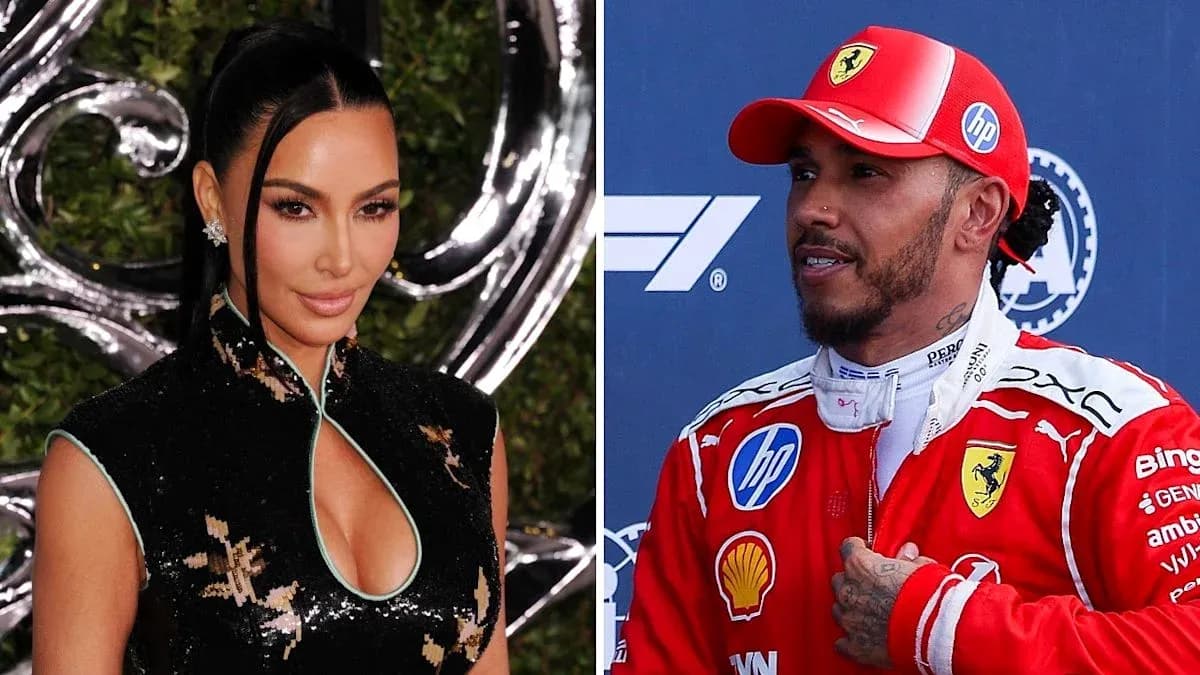
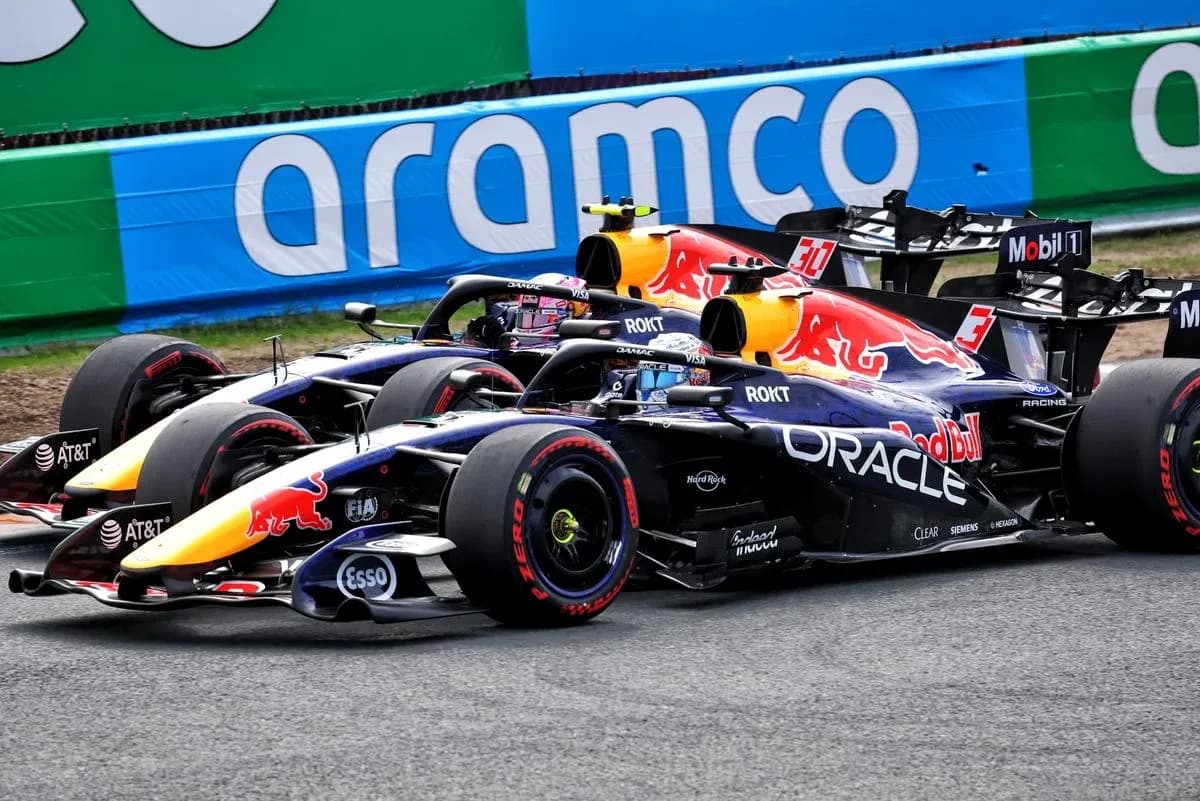
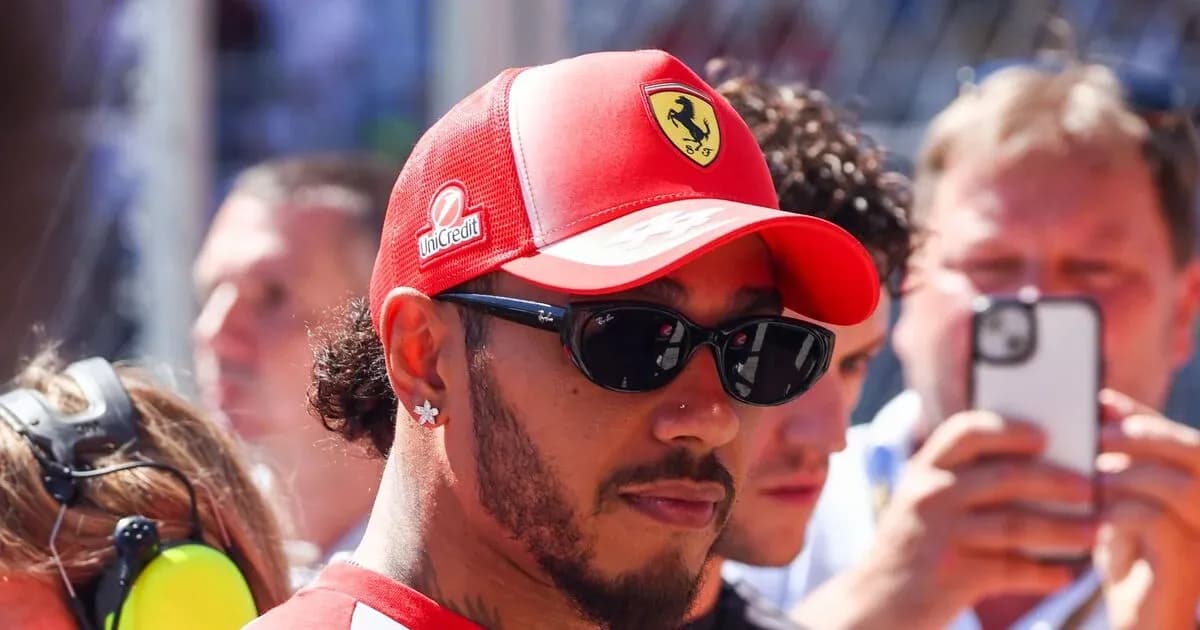
Charles Leclerc and Lewis Hamilton clashed on and off the track on Sunday, yet not in a way that fits any of Formula 1’s classic patterns. The tension was obvious, the irritation barely disguised, but the stakes? That’s where the story starts to feel strange.
Teammate wars are nothing new in this sport. They usually come with a clear prize attached.
Senna vs Prost. Mansell vs Piquet. Webber vs Vettel. Rosberg vs Hamilton. Those battles exploded only when there was a title-winning car under them, when the world championship depended on beating the man in the next garage more than anyone else on the grid. The animosity had a brutal logic: one team, one dominant car, one real rival.
In 2013, Hamilton’s first season at Mercedes, he and Nico Rosberg had a quick car but not a dominant one. Hamilton won once, Rosberg twice, and the W04 never truly threatened the title. The atmosphere stayed friendly. They shared dinners in Monaco, joked in the paddock, and talked like long-time friends.
Then came 2014 and the first dominant Mercedes hybrid. Everything changed overnight. The same two drivers, the same garage, but with a championship now on the line, the relationship turned into a cold, relentless duel that spilled far beyond the racetrack.
That story makes sense. The one unfolding at Ferrari does not. Not yet.
A fight without a title
Leclerc and Hamilton are not in a championship fight. No matter how loudly Ferrari talks about ambition, the numbers and the shape of this season say otherwise. This is not a team on the brink of a title run; it is a team trying to stop the gap from growing.
There is no contract drama either. No seat under threat. No looming renewal battle. Both drivers know where they will be in 2027. Both earn the kind of money that makes any joke about “fighting over crumbs” sound tone-deaf in the Monza paddock.
They are paid, handsomely, to deliver for Ferrari. Not for themselves. Not for a future employer. For the Scuderia.
That is what makes their behaviour so jarring. These are not two young hopefuls clawing for survival in the midfield. These are established, elite drivers in a car that cannot yet carry them to the crown. You would expect them to protect the team first, especially when the big prize is clearly out of reach.
Status, pride and a shifting balance
Hamilton spent last season swallowing frustration. Week after week, he watched Leclerc extract more from the car, stack up results, and build a reputation as Ferrari’s reference point. Hamilton, the seven-time champion, looked like the one still searching.
This year the dynamic has flipped. Hamilton has rediscovered his edge. The standings show it. He sits comfortably ahead of Leclerc, and every strong weekend adds another layer to that turnaround. For a driver of his calibre, that matters. He is not just racing the field; he is proving a point – to the paddock, to Ferrari, and to the man across the garage.
Leclerc, on the other hand, came out of last year with his status enhanced. He had outperformed a legend over a season and looked like the long-term pillar of Ferrari’s future. Now, 12 months on, the ground has shifted. The internal hierarchy that seemed clear has blurred, and that never passes quietly in a top team.
The need to beat your teammate is baked into the DNA of every driver. But the urgency is usually fiercest in the midfield, where one podium can define a career and a single bad run can cost you your seat. There, “beat your teammate at any cost” can feel like a survival strategy.
Leclerc and Hamilton are not fighting for survival. Their futures are secure. Which brings us back to the central puzzle: why risk turning a prestigious partnership into a problem when there is no title at stake?
Vasseur’s problem to solve
Now the responsibility lands squarely on Frédéric Vasseur’s desk.
Ferrari’s team principal already brought both drivers into his Monza office before the race. The fact that another meeting now seems necessary tells its own story. The first conversation did not settle enough.
The principle he must enforce is brutally simple: the team comes first. Always. Especially when the battle is for pride, not for a world championship.
A sharp internal rivalry can be a weapon when a team is winning. It drags everyone to a higher level, forces the factory to keep up, and turns every debrief into a search for more performance. But when the car is not a title contender and the rivalry starts to cut across the team’s interests, it stops being an asset.
It becomes another headache for a team that already has plenty.
Ferrari can live with a car that is a step short of Red Bull and McLaren while it works to close the gap. What it cannot afford, in a season like this, is for its two star drivers to turn that gap into a stage for their own private war.