Lando Norris Triumphs at Wet-Dry São Paulo Grand Prix
Lando Norris mastered the chaos of a wet-dry-wet São Paulo Grand Prix to turn pole into victory at Interlagos, while the bigger storylines of the weekend stretched far beyond the chequered flag.
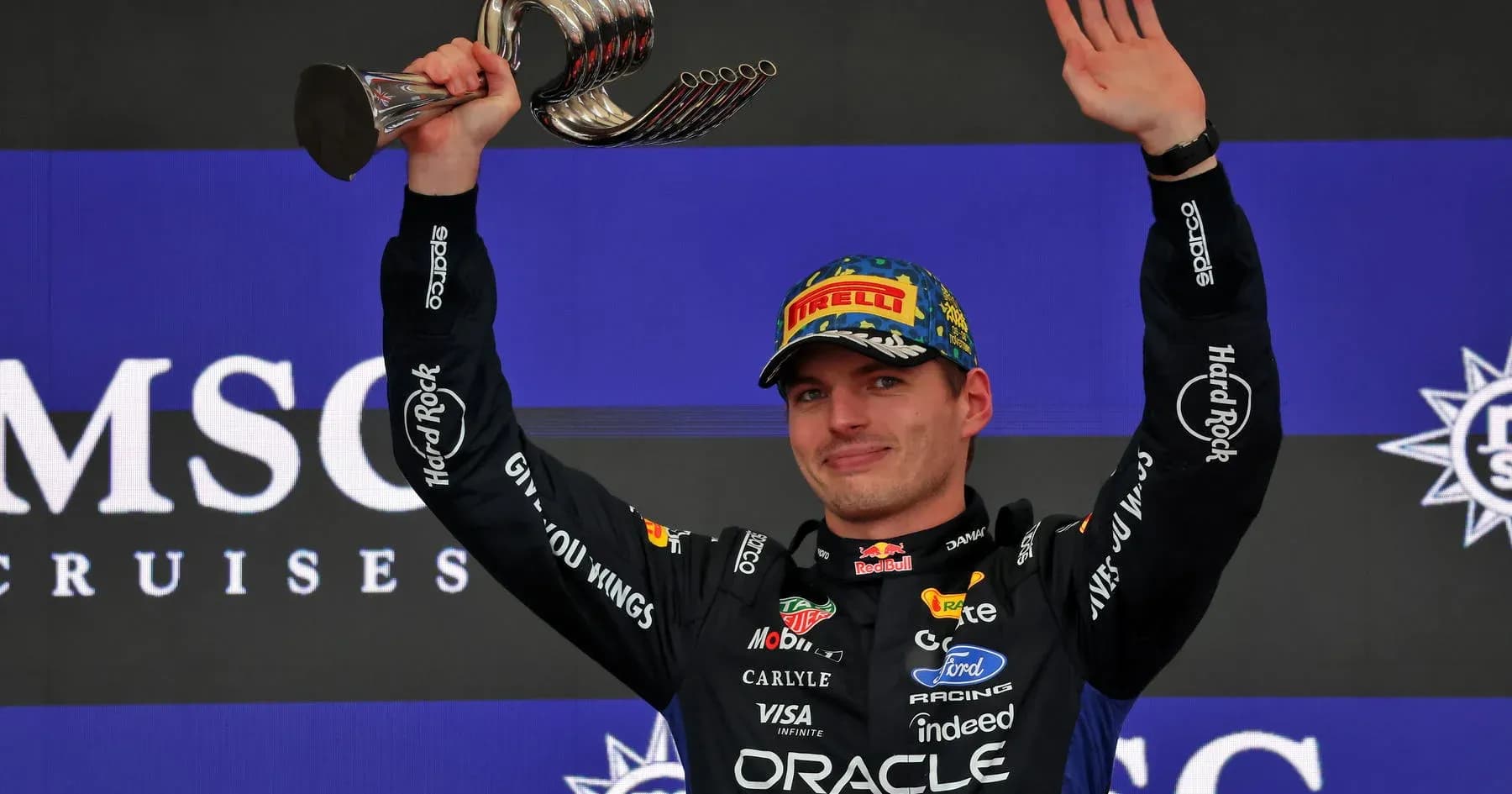
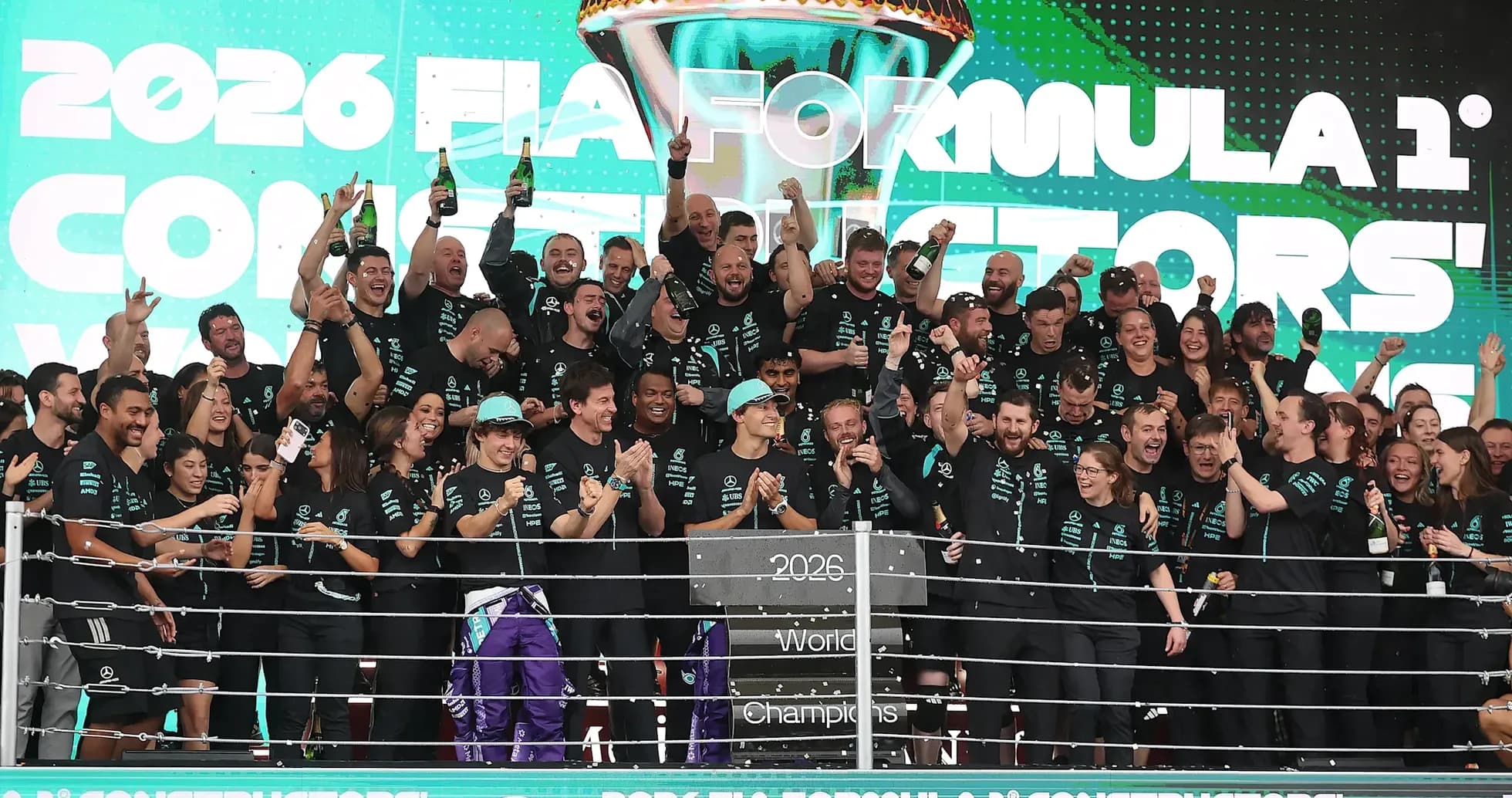
Behind the McLaren, Max Verstappen charged from the very back of the grid to second after an engine penalty, with Red Bull team-mate Isack Hadjar joining him on the podium. Mercedes, steady rather than spectacular, banked exactly what they needed: fourth for George Russell and fifth for newly crowned world champion Kimi Antonelli, enough to seal their first constructors’ title since 2021.
Around it all, the sport wrestled with its past, its future, and the uncomfortable middle ground in between.
Hamilton at 400: Still a benchmark, still a flashpoint
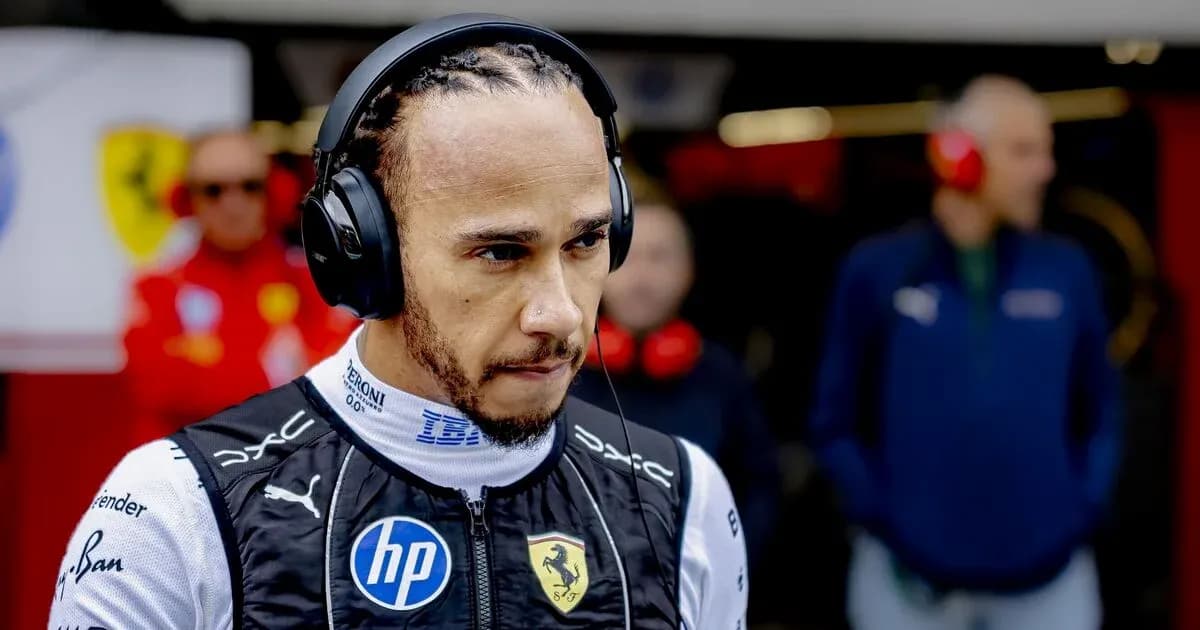
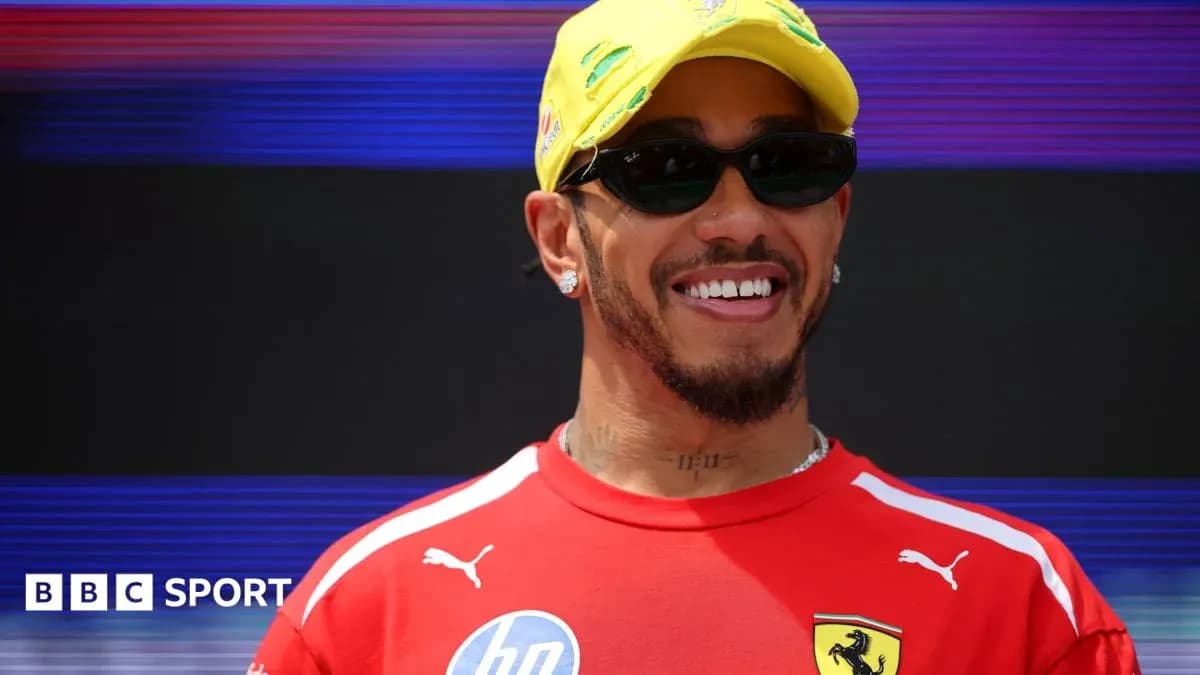
Lewis Hamilton arrived in Brazil on the brink of an extraordinary landmark and left with another layer added to an already towering legacy. Four hundred grands prix. More than 100 poles. More wins and poles than anyone in history. Seven world titles, level with Michael Schumacher, and a widely held belief that Abu Dhabi 2021 should have delivered an eighth.
The numbers alone are absurd. But Hamilton’s greatness has never been just about arithmetic. It lives in specific afternoons that still feel raw and vivid: the 2008 British Grand Prix, where he drove in the wet as if on a different planet; the 2021 Brazilian Grand Prix, where he carved through the field in a weekend that felt like a defiant manifesto.
He has won races in almost every season he has contested. The outliers – 2022, 2023 and 2025 – sit like stains on an otherwise pristine record, coinciding with the arrival of the ground‑effect era.
Those four years changed the conversation around him. Hamilton, once the byword for adaptability, suddenly looked less at ease. George Russell beat him in two of their three seasons together at Mercedes. In 2025, Charles Leclerc made him look, at times, oddly ordinary. The question sharpened: was this about driving style, or the simple march of time? Hamilton is 41 now, an age at which most drivers are long gone or gently fading.
He knows those doubts exist. He hears them. In Brazil, as his 400th race was marked, he leaned straight into the narrative.
"I never ever thought that I would be reaching numbers like that," he said. "It's crazy because I still feel young, and regardless of the things that people say, you saw my pole last week, I still have the pace, I still have the speed and I still have the dedication, which is most important and the focus. For me, that number is kind of irrelevant."
This year’s cars have brought him back to something that feels like home. The balance, the feedback, the way the rear talks to the front – all of it has put Hamilton in a more natural window. The result is a rejuvenated figure, running neck-and-neck with Leclerc at Ferrari and looking far more like the driver who once bent seasons to his will.
Longevity in elite sport is not a simple equation. Bodies age differently. Motivation ebbs or hardens. But the age argument alone does not close the door. Fernando Alonso, 45, proved again at Interlagos that reflexes and racecraft can survive long past their supposed sell-by date.
Hamilton has been clear about one ambition: he wants to still be on the grid when Formula 1 returns to Africa. That will not happen before 2030. By then, he too would be 45. To get there, he will need at least one more contract beyond his current Ferrari deal, which is believed to end next year.
The clock is ticking. He seems intent on outrunning it.
The rise and fall of ‘yo-yo racing’
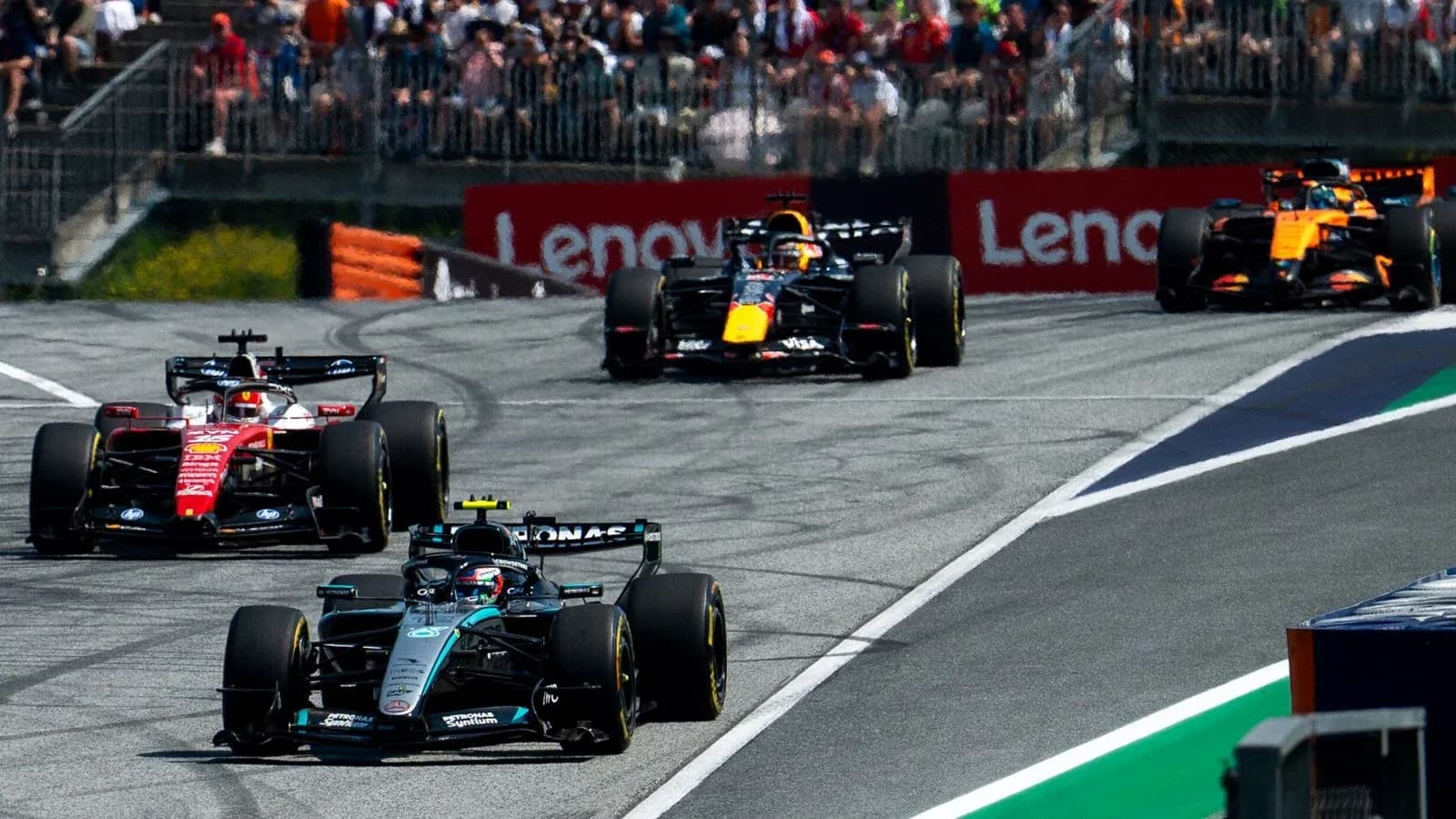
Earlier this season, a new phrase slipped into the paddock vocabulary: “yo-yo racing”. It described a new kind of duel, one born from the complex hybrid power-units introduced this year, with their near 50-50 split between internal combustion and electrical power.
Races turned into energy chess. Drivers attacked, drained their batteries, then suddenly found themselves vulnerable as the car behind, now richer in electrical deployment, swept back past. Position changes came in flurries, lap after lap, as if the field were on elastic.
Two tools drove it: ‘boost’ and ‘overtake’ modes. Boost gave a driver instant extra electrical shove whenever the battery allowed. Overtake handed any car within one second of a rival an extra 0.5MJ of energy recovery and deployment per lap.
In the early grands prix, with teams still learning how to live with power-units that were fundamentally energy-starved, the result was wild. One driver would spend his energy to pass. The next lap, the hunter became the hunted, armed with more deployment and a slipstream. Back and forth they went.
The spectacle has faded in recent races. Not by accident.
First, the calendar moved away from the most punishing, energy-hungry circuits. The more a track forces drivers to choose between saving and attacking, the more dramatic the swings in battery state – and the more likely that yo-yo effect becomes. At venues where drivers cannot simply run flat-out with full deployment, the tactical extremes show up.
Second, teams and drivers have caught up. A season of data has sharpened their understanding of how not to leave themselves exposed. They now know when to defend, when to hold back, and how to manage the battery so that they are not a sitting duck the following lap.
On top of that, the rule-makers have stepped in. Energy limits have been imposed at tracks where starvation was becoming a dominant factor, smoothing out the peaks and troughs that created those violent swings in performance.
The direction of travel is clear. By 2028, the energy split is set to shift to 60-40 in two stages, making the engines feel more “normal” to the drivers. The likely side effect? Less frequent overtaking, but more predictable, more natural-feeling cars.
Drivers will welcome that. Whether fans will miss the chaos is another question entirely.
Ocon’s crossroads: better invisible in F1 than visible elsewhere?
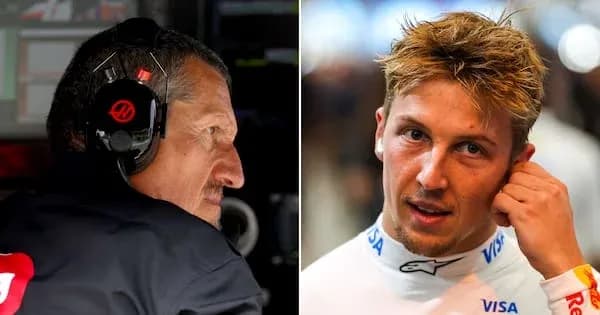
Esteban Ocon is living a different kind of tension. Once it became clear Haas would not retain him for next year and the remaining race seats evaporated, the Frenchman faced the dilemma every displaced F1 driver eventually confronts.
Stay in the paddock as a reserve, or leave and race somewhere else as a star?
On paper, the lure of being a hero in IndyCar, Formula E or endurance racing is obvious. Race every weekend. Fight for wins. Collect trophies. Hear your name cheered, not whispered in the margins.
But Formula 1 operates on brutal logic. Out of sight quickly becomes out of mind. A move away can look, and often feels, like an admission that the F1 dream is over.
Ocon insists his career at this level is not finished. If he can secure a reserve role, he keeps a foot in the door. He remains on standby if a race driver is sidelined. He stays sharp in the simulator, learns the quirks of the latest machinery, and, crucially, keeps his name on the list when team bosses talk about options.
Go elsewhere and the narrative shifts. You become the driver who used to be in F1. The one who tried, then left. In a sport where perception often moves faster than reality, that can be fatal.
It is not the romantic choice. But for a driver determined to claw his way back to a full-time seat, it might be the only realistic one.
Lawson, Lindblad, Tsolov: Red Bull’s slow play
Liam Lawson’s form this year has reignited an old Red Bull debate with a new twist.
Under the old regime of Helmut Marko and Christian Horner, the script would have been familiar. Lawson had his shot in the lead team. He was then shuffled back down the order. Historically, that tended to mean one thing: the end of the Red Bull road. The next young hopeful – in this case F2 front-runner Nikola Tsolov – would be ushered in, the production line rolling on.
This time, the decision rests with Red Bull shareholders Chalerm Yoovidhya and Mark Mateschitz, and the company’s ultimate F1 boss Oliver Mintzlaff. They must choose which two of Lawson, his current Racing Bulls team-mate Arvid Lindblad, and Tsolov get the seats for 2027.
One school of thought inside the camp is ruthless and familiar: Lawson has been measured against the very top and found, in their eyes, short of the standard required for a long-term future at the main team. Cut him now, elevate Tsolov, and let the next generation fight it out.
The counter-argument is more cautious, and more analytical. Pairing two unproven drivers – Lindblad and Tsolov – would leave Red Bull with no reference point. If one beats the other, what does that really say? Is the winner a future star, or just the better of two unknowns?
Keep Lawson, and the picture changes. He becomes the benchmark, the known quantity. With him alongside Lindblad, Red Bull can read the younger driver’s true level. At the end of 2027, they can then decide who to retain and where to place Tsolov.
Racing Bulls team boss Alan Permane leaned heavily towards that logic in Brazil, outlining a more measured approach.
"Red Bull's had a very successful young driver programme," he said. "And I don't want to be critical of it, but I think if you guys are critical of it, maybe sometimes the drivers haven't been able to have enough time to settle, or maybe some snap decisions have been made.
"We're trying to apply a little bit of science, and that takes some time.
"So we are looking at everything and studying, analysing, and time is on our side. We're not in a rush to do anything, and I'm very confident the right decision will be made.
"I realise it's frustrating for our drivers. I realise it's frustrating for everyone else, but we want to get it right, and we will get it right."
For once, Red Bull’s famed conveyor belt is slowing down. The question is whether patience will serve them better than the ruthless churn that built their empire in the first place.
Interlagos, the classics, and the calendar tug-of-war
Interlagos did what Interlagos almost always does: delivered a race that felt alive. The changing conditions, the compressed field, the unforgiving layout – it all fed into another grand prix that justified the circuit’s status as one of Formula 1’s essential stages.
The problem for F1 is that the heart of the sport and the economics of the sport do not always agree.
The championship wants to be truly global. It wants variety: street circuits, high-speed temples, technical complexes, old-school rollercoasters like São Paulo. It wants spectacle that plays on television and in person. It also wants, and needs, serious money.
That is where the classic circuits struggle. Many of them sit in countries that cannot, or will not, pay the kind of hosting fees offered by autocracies eager to use a grand prix as a gleaming shop window. Those governments can write cheques that traditional venues simply cannot match.
Yet the sport understands what it risks losing. Monaco, Silverstone, Spa, Suzuka – these are not just race tracks. They are part of Formula 1’s identity. They carry history, jeopardy, and a sense of place that no brand-new street layout can fake.
So compromises are made. Deals are cut on different terms. Spa may not be guaranteed a place every season, but the intent is to keep it in the rotation. Silverstone and Suzuka are treated with a flexibility newer venues do not enjoy. Monaco, despite all its limitations as a racing circuit, remains untouchable because of what it represents.
At the same time, the sport is trying hard to ensure that new additions are not just cash cows. Some succeed more than others. Las Vegas, for instance, was never going to be a driver’s favourite – a flat street track carved through an American city rarely is – but it compensates with sheer theatre and global attention.
The next wave of permanent circuits will test that balance again. Former F1 driver Alex Wurz, now a respected track designer, has been tasked with creating layouts in Qiddiyah, Saudi Arabia, and Rwanda, both due to join the calendar in the coming years. His brief is clear: build tracks that challenge drivers and encourage racing, not just circuits that look good on a skyline shot.
Interlagos has set the standard once more. The real test lies ahead: can Formula 1 protect the soul of days like Sunday while chasing the money that keeps the whole show on the road?