Lando Norris Takes Pole in São Paulo Chaos
Lando Norris walked away from qualifying in São Paulo drenched, exhilarated and grinning. This was his kind of chaos.
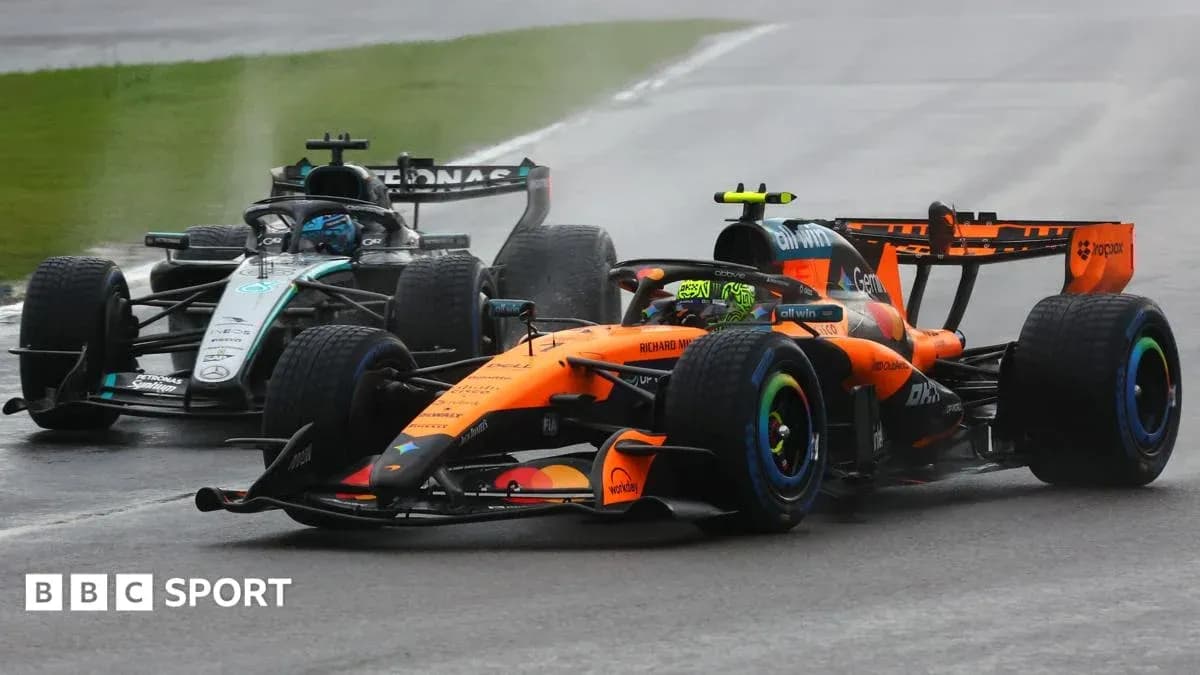
Rain lashed Interlagos so hard the session was stopped for nearly 90 minutes, visibility collapsing to almost nothing, cars skating on rivers that had once been a racetrack. Out of that storm, Norris produced another Brazil masterclass to take pole – his third consecutive in the country – and then promptly asked for more of the same on Sunday.
“We’re lucky it’s wet, because if it was dry, I wouldn’t be sitting here,” he admitted, blunt as ever. McLaren’s upgrades have helped, but he knew this pole belonged to the weather and to a driver willing to dance on the edge.
A grid turned upside down
The rain didn’t just reshuffle the order. It threw the deck in the air.
Penalties for four of the usual heavy hitters, combined with conditions many described as “borderline”, left the grid looking like an alternate reality.
Behind Norris, George Russell pushed his Mercedes to second in qualifying, only to carry a five-place grid penalty into Sunday. Liam Lawson, still unsure if he even has a seat next year, seized the moment to put his Racing Bulls on the second row. Beside him, Nico Hülkenberg planted the Audi in the top four, another beneficiary of the storm.
Oliver Bearman lined up sixth for Haas, while Fernando Alonso and Alex Albon – eighth and ninth – both reached Q3 for the first time this season. Drivers who have spent most of the year fighting in the shadows suddenly found themselves in the spotlight.
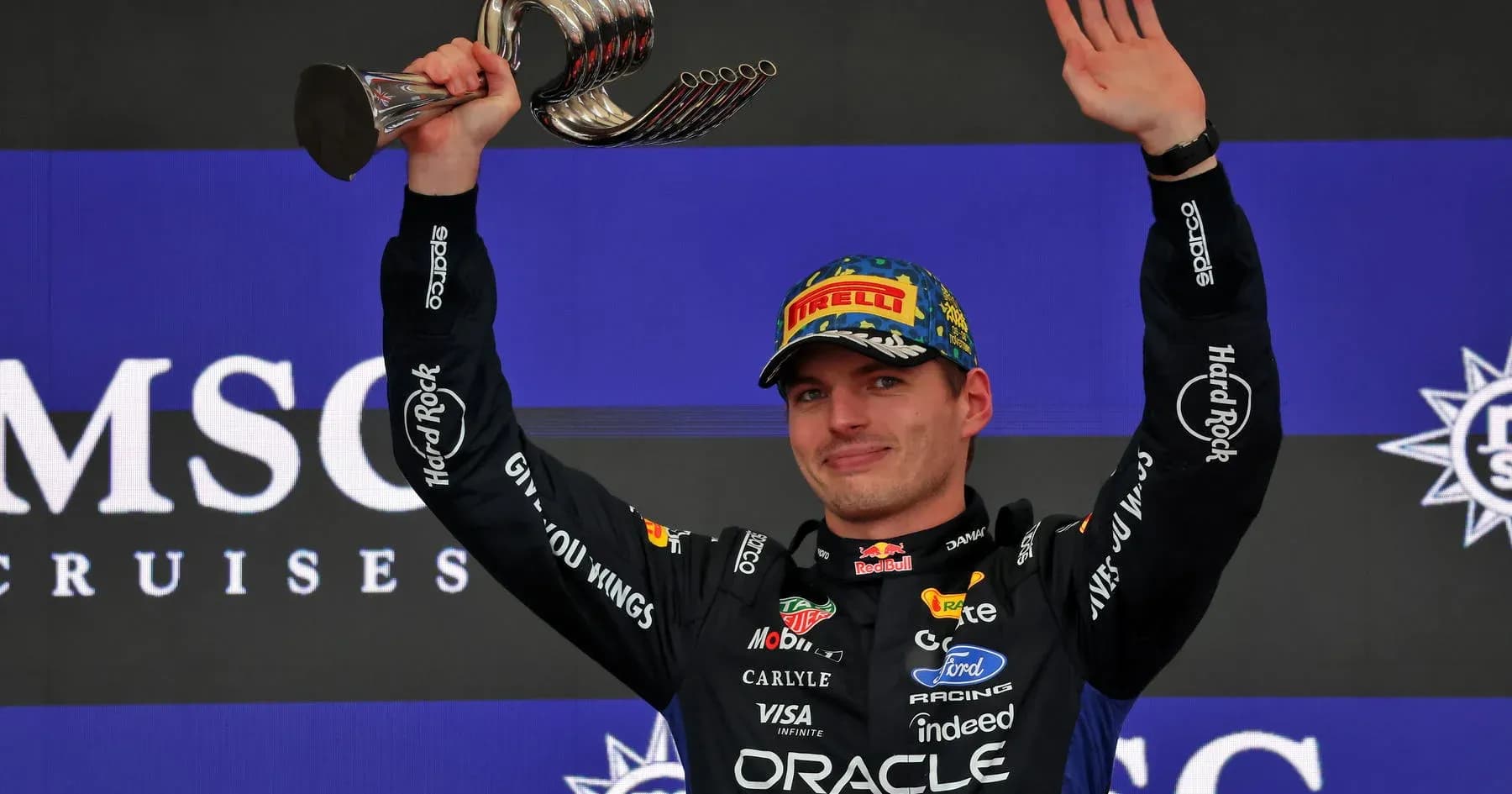
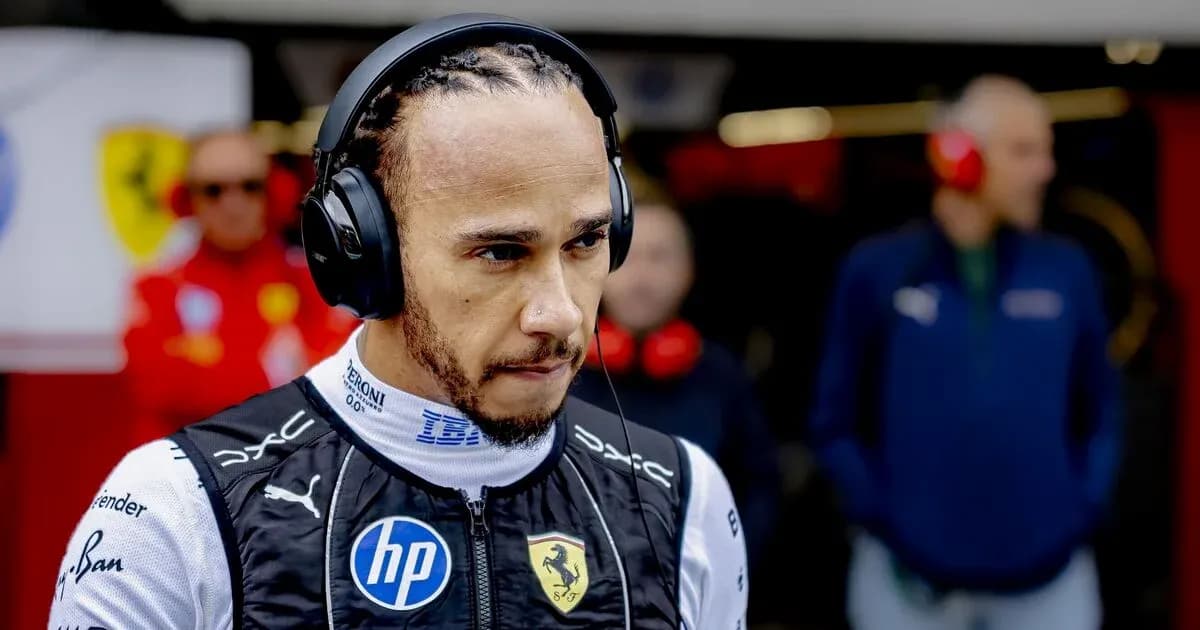
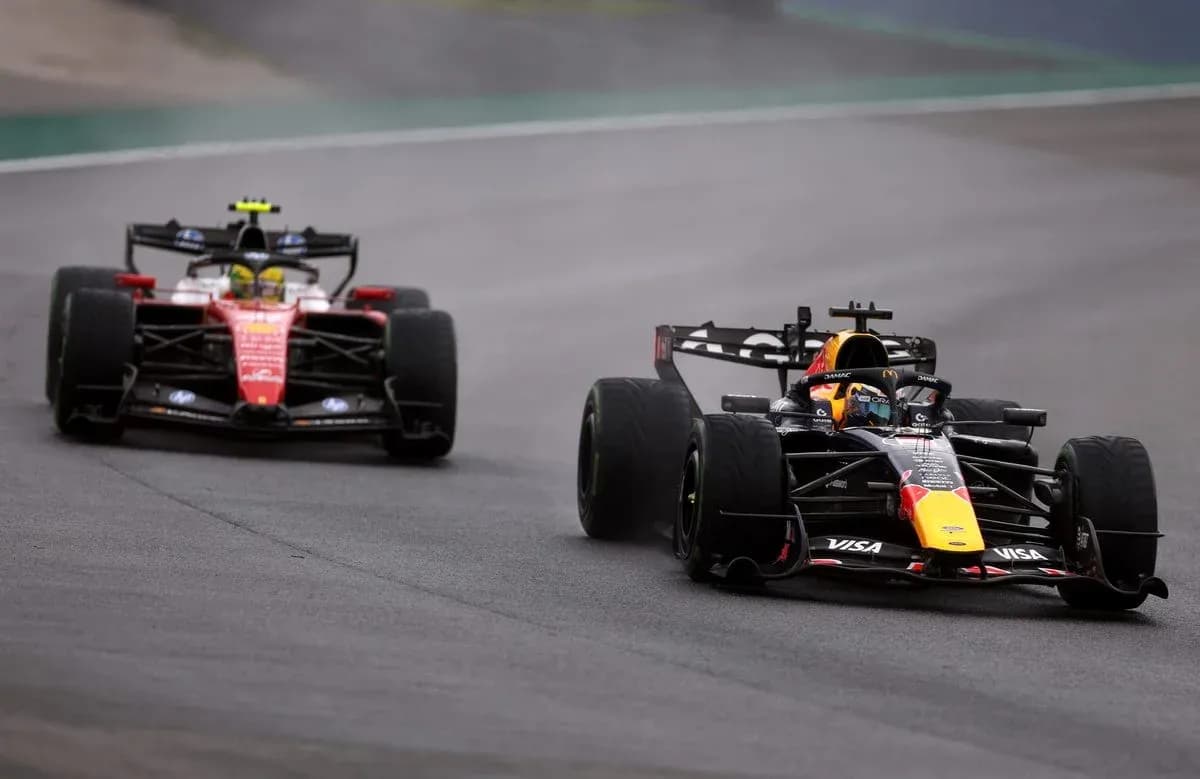
At the back, the roll call was surreal. Ferrari’s Lewis Hamilton and Red Bull’s Max Verstappen, the man who won here in the wet from 17th two years ago, start 20th and 21st after engine changes pushed them beyond their season allowance. Charles Leclerc, fourth on raw pace, also tumbles 10 places for the same reason.
Interlagos has seen some strange grids. This one belongs on the list.
“Crazy” rain and razor-thin margins
Russell’s description of Q1 painted the true picture. Zero visibility down to Turn 4. Wheelspin in fifth gear at more than 200km/h. Aquaplaning on the straight. Drivers leaning on instinct, memory and faith.
“When you’re aquaplaning on the straight and you can’t see in front of you, it does seem a bit crazy,” he said. He loves the rain, especially here, but even he drew a line: if that had been a race, he felt they should not have been running.
The pressure told everywhere. One misjudged puddle, one over-optimistic brake marker, and the lap was gone. Norris thrived on it.
“These are conditions where you feel like you can make a little bit more of a difference,” he said. He knew Mercedes had the edge in the dry. In the wet, it was about nerve and execution. He strung together two clean, aggressive laps while others faltered, managing the risk and the visibility as the light faded and the track changed corner by corner.
Q3, he said, was the trickiest part of the day. Puddles, half-dry patches, and the low light made reading the surface almost as hard as driving it. That only made the result sweeter.
Russell’s frustration, and a season of near-misses
For Russell, second in qualifying felt like another punch to the ribs in a year full of them.
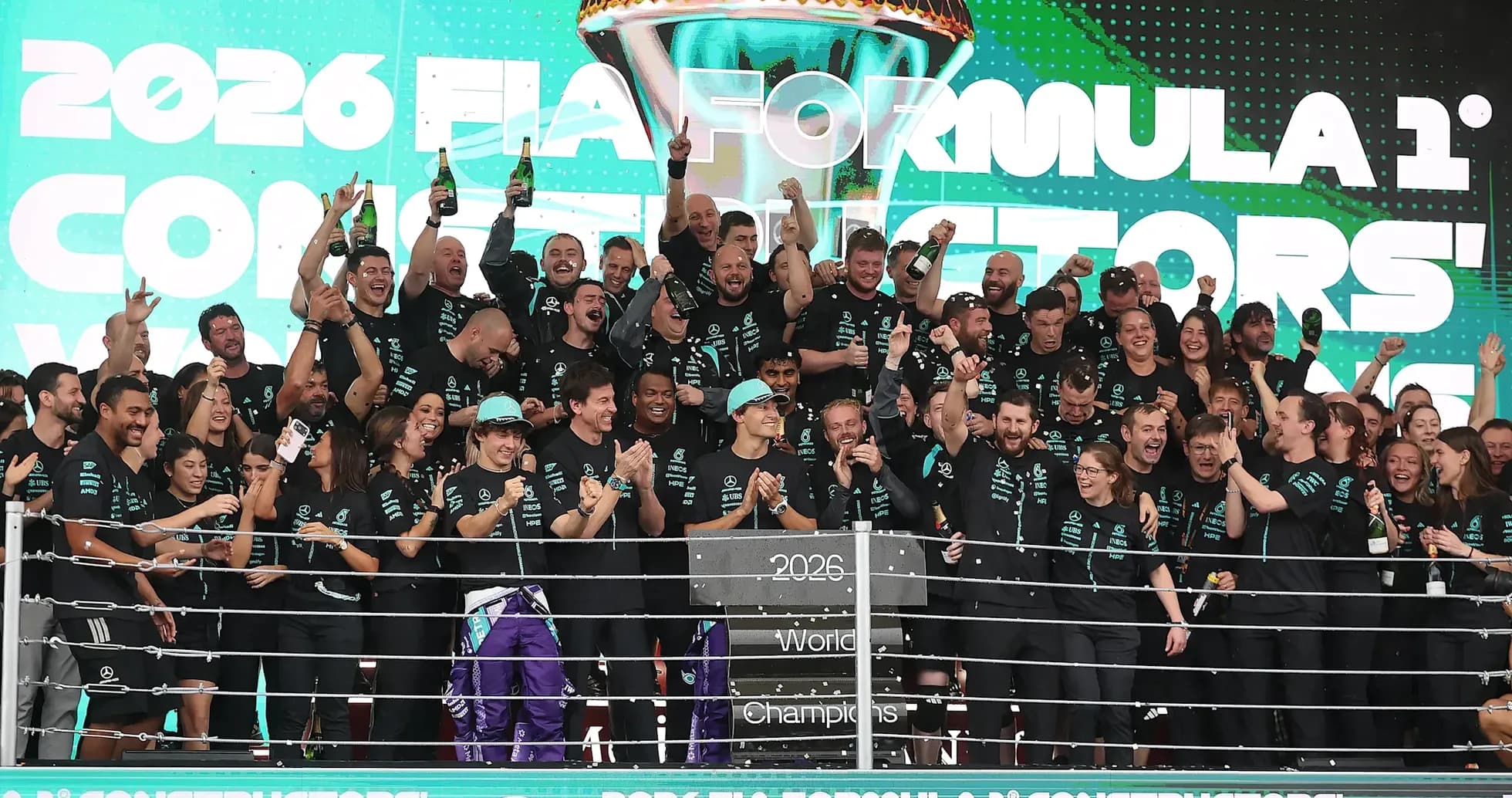
Last weekend, he watched team-mate Kimi Antonelli clinch the world title and become the youngest champion in history. Here, in conditions where he felt his pace matched Norris’, he believed pole was on his.
Then came the call.
On what he thought would be his best lap, Russell was told to back off after catching Albon in the middle sector. Mercedes calculated that the heavier rain would hold off long enough for another shot. It didn’t. The window slammed shut, and Russell’s radio response was unfiltered fury.
Toto Wolff reminded him he was still P2. Russell snapped back that he wasn’t there to be second. On paper, it was academic – his five-place grid penalty meant pole was gone regardless – but this was about something deeper: proof to himself that the speed is still there.
“It gives me the confidence and reminds me again that I haven’t forgotten how to drive,” he said. In a year where Antonelli has taken the title and the headlines, Russell needed that reassurance. He left qualifying convinced that, alongside Norris, he had been one of the class acts in the rain. Like Norris, he wants Sunday wet. He senses his chances improve the darker the clouds get.
Alonso’s reminder of what’s been wasted
If the rain gave Norris a stage and Russell a lifeline, it handed Fernando Alonso a rare chance to show what has been missing all season.
The Aston Martin-Honda package has been underpowered, awkward and unforgiving. Alonso has spent most of the year wrestling an engine that doesn’t deliver on the straights and a car that rarely lets him fight where he believes he belongs.
In São Paulo, the rain levelled the field just enough.
He took risks in Q1 and Q2 when nobody truly understood where the grip was, and he made them count. Q3 brought Aston Martin’s first appearance in the final segment of qualifying this year, a small but telling reward.
There was still frustration. Alonso led the queue out of the pit lane for Q3, desperate to bank a lap before the weather turned. The downside: his tyres were stone cold. No grip, no temperature, no chance to chase the front. By the time they were working, the window had gone.
He looked at the times and saw the gap ahead – more than 1.8 seconds to sixth – and knew a higher place had never really been on. Even in the wet, the car’s limitations and engine behaviour in the corners still held him back.
Yet this was a rare day when the car didn’t completely bury the driver. Alonso, too, wants a wet race. If it dries, he expects gravity to drag Aston Martin back to their usual level, especially down that long pit straight where Honda power, or the lack of it, will leave him exposed.
Hamilton, Leclerc and Verstappen from the back
Behind the fairy-tale stories and the soaked pole-sitter lies a brutal reality: three of the sport’s biggest names are starting deep in the pack, and all of them will be on the attack.
For Ferrari, the weekend began with clear-the-air talks between Hamilton and Leclerc after their first-lap fight in Mexico cost them a shot at victory. Both insisted on Thursday that the air had been cleared, that respect remained, that they were ready to move on.
Leclerc had flown back to Europe between races for the birth of his first child, a daughter named Bianca, and only now felt able to sit down and address the fallout. He called the discussion necessary, the reaction to Mexico overblown, and the matter closed.
Hamilton echoed him: they spoke, they “squashed it”, and they move forward. No demands, just two drivers laying out their views and how they can support each other better.
On track, the script turned harsher. Both took new internal combustion engines, triggering 10-place penalties. Then Hamilton’s fresh unit failed in final practice. Ferrari fitted another, dumping him right at the back alongside Verstappen, who is also serving an engine penalty.
Leclerc, with his own 10-place drop, at least starts ahead, six places up the road from his new team-mate. Quietly, Ferrari might not mind that separation after last weekend’s fireworks.
The race now offers a different kind of spectacle: two multiple champions and a reigning force in Verstappen, all charging from the rear on a circuit where, in these new cars, overtaking is expected to be tougher than in previous years. Every move will count. Every misjudged lunge could end a recovery before it begins.
Waiting on the sky
Sunday’s forecast hints at light rain, but this is Interlagos. Forecasts here are suggestions, not guarantees.
Teams will walk the line between wet and dry setups, unsure which way the weather will break. Drivers like Norris, Russell and Alonso are openly praying for another downpour. Others, with more to lose and faster cars underneath them, might quietly hope the clouds hold off.
The grid is scrambled, tempers have been tested, and the championship storylines now share the stage with something purer: who can survive, and who can thrive, when the sky opens over São Paulo again.