Lando Norris Claims Stunning Pole Position at Madring
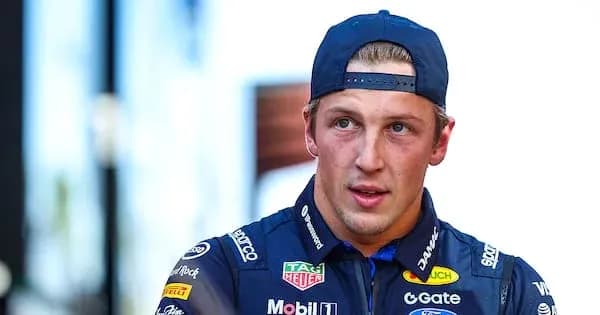
Lando Norris snatches stunning Madring pole as title cast shuffles behind him
The Madring promised a procession. Qualifying refused to play along.
Just 0.011s split first from second in the first-ever Formula 1 qualifying session at Madrid’s new street-style venue, and four different teams locked out the first four places on the Spanish Grand Prix grid. The gaps were tiny. The storylines were not.
Some maximised everything. Others walked away wondering how a lap – or a weekend – slipped through their fingers.
Norris turns “out of nowhere” into pole
For most of the afternoon, Lando Norris was a background presence, not the headline act.
Mercedes and Ferrari traded blows through Q1 and Q2. Max Verstappen hovered, not quite at full menace but close enough to matter. Norris? Fifth in Q1, seventh in Q2. Quick, yes, but not the kind of pace that screams pole position.
Then Q3 flipped.
Kimi Antonelli had laid down the marker with the first lap in the 1m31s, nicking provisional pole back from Lewis Hamilton. The session looked set: Mercedes in control, Verstappen lurking, McLaren and Ferrari trying to hang on.
Norris had other ideas.
On his final run he hurled the McLaren at the Madring. The lap was all risk and razor edges, a full-send effort that left no margin. The last corner was scruffy – Andrea Stella reckoned three tenths went missing there – but the rest was so sharp it didn’t matter.
When the timing screens froze, Norris had taken pole by a hundredth of a second from Antonelli. A lap he himself called probably the best qualifying effort of his career. Not perfect, but devastating where it counted.
On a circuit where overtaking is expected to be brutal, that single hundredth could define his Sunday.
Piastri adrift as Norris shines
The contrast on the other side of the McLaren garage could hardly be starker.
Oscar Piastri’s day never quite started. Eighth in Q1, ninth in Q2, and a laboured seventh in Q3 – nowhere near the kind of pace Norris found when it mattered. His first flying lap in Q1 had to be aborted, and from there the session unravelled into what he called a “messy” run. His own verdict on Q3 was even harsher: “pretty crap”.
He did at least feel more at one with the car, likening the weekend to Monza in that respect. This wasn’t a set-up disaster or a fundamental issue. It was simply one of those sessions where the lap refused to come together.
The real sting lies in the context. Norris proved the McLaren had the speed to take pole. Piastri starts seventh on a track where passing is expected to be rare. His “middling run” continues on a day when his team-mate turned opportunity into something far bigger.
Mercedes split: Hamilton delivers, Russell falters
Mercedes leave qualifying with mixed emotions and a familiar imbalance.
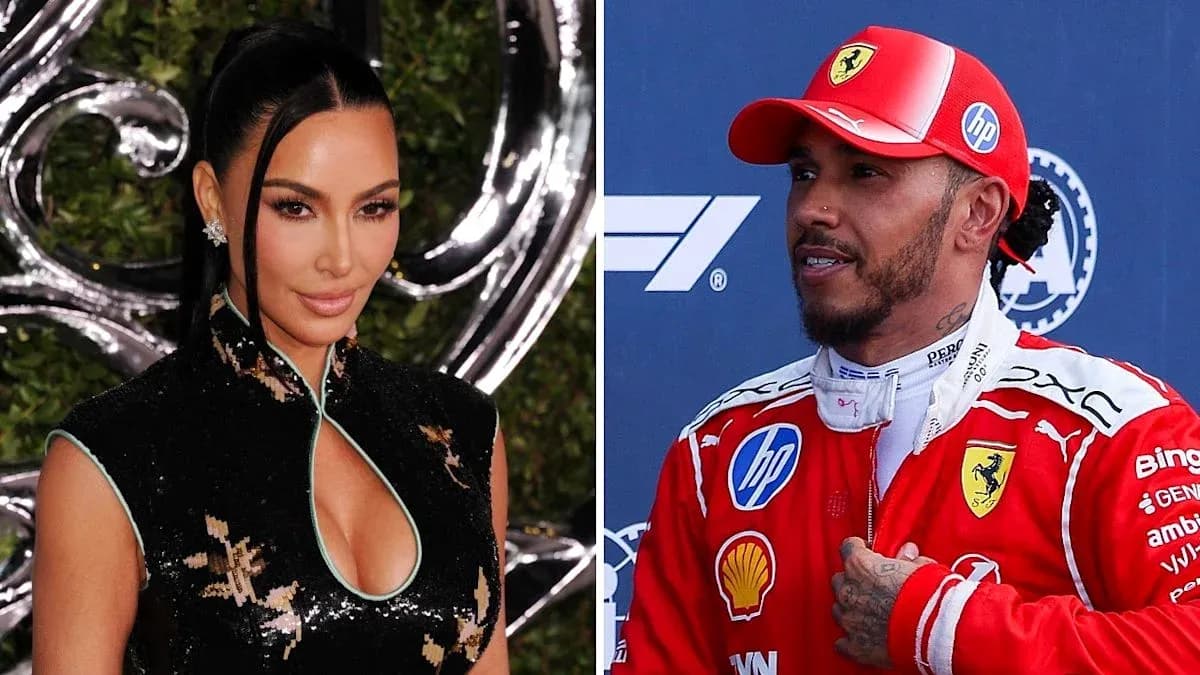
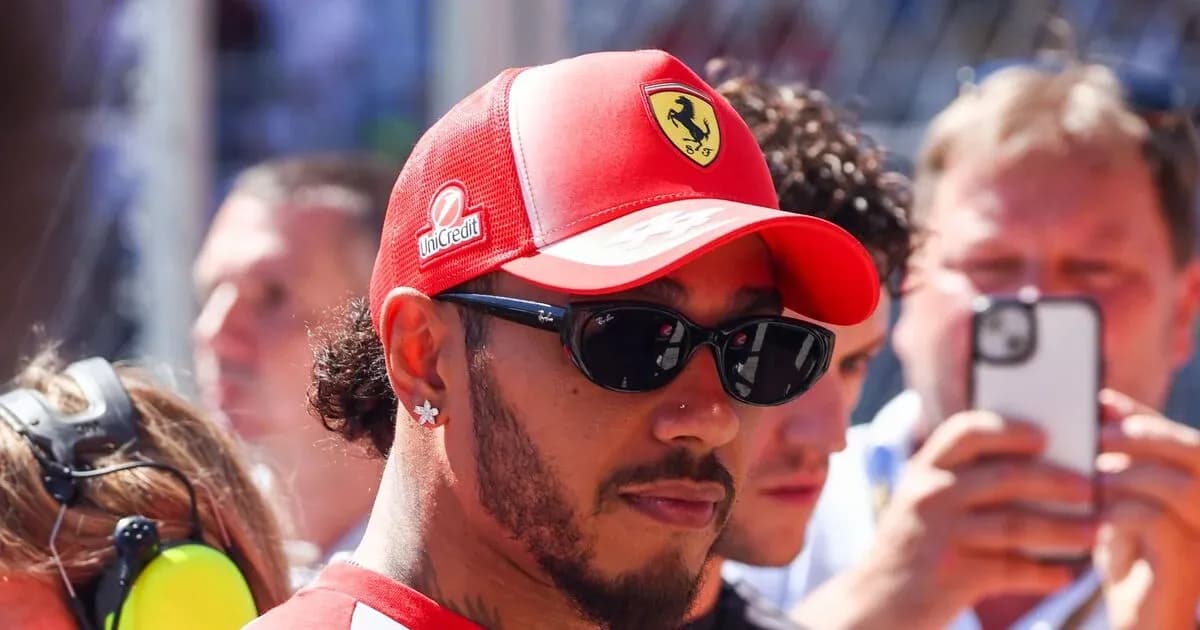
Lewis Hamilton, still carrying the scars and lost time from a crash in FP3, pieced together a clean, controlled session. He outqualified Ferrari’s Charles Leclerc by just 0.006s and will line up fourth, a strong recovery after his disrupted build-up.
His assessment was clipped and businesslike. A “pretty straightforward” qualifying, “good execution” from the team. No drama, no big claims. Just a solid platform and a promise: “I’m going to have fun… I’m not going to put too much pressure on it.”
George Russell’s story ran in the opposite direction.
He brushed the wall in Q1, then regrouped to top that opening segment and spoke of feeling in a “good place”. By the time Q3 came around, he reckoned he was about three tenths up on his previous best midway through his final lap.
Then he overreached.
Russell pushed too hard into Turn 11, the tyres cried enough, and the time bled away all the way to the line. He ended up sixth, 0.314s off Antonelli’s benchmark and four grid spots behind his younger team-mate.
In a season where he needs to plant a flag inside Mercedes and keep faint title hopes alive, this was another qualifying where Russell finished a step behind.
Verstappen drags Red Bull back into the fight
On Friday, Red Bull looked out of sorts. Technical director Pierre Wache was talking about set-up tweaks, mechanical grip, ride quality, energy deployment – the full menu of problems that usually signals a long night of work.
By Saturday, the familiar script had returned.
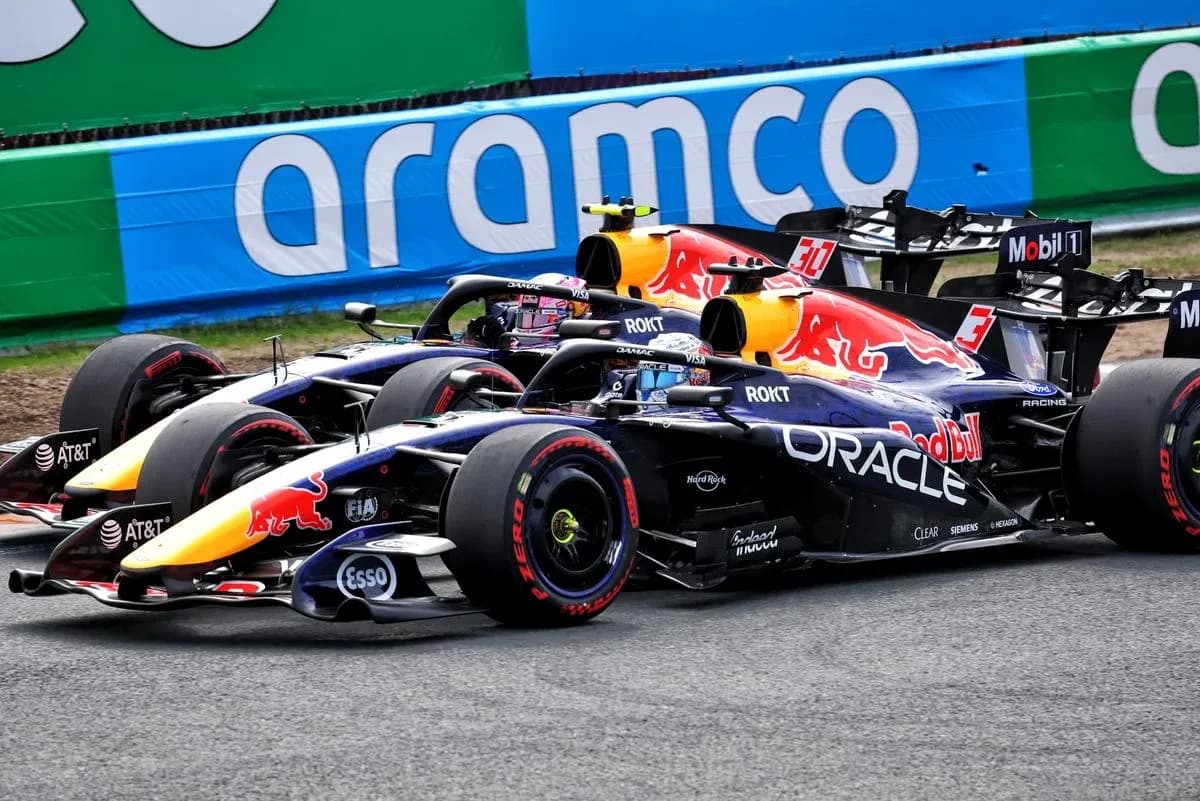
Verstappen closed to within four tenths in FP3, then crept ever closer as the track evolved. In Q1 he sat just 0.170s off the pace. In Q2, he went fastest of all. When it mattered in Q3, he was one of only three drivers to break into the 1m31s, and that was enough for third on the grid.
He starts ahead of both Ferraris, a Mercedes and one McLaren, with only Norris and Antonelli in front. Liam Lawson, who had run within a tenth of Russell’s Mercedes in Q1, faded to eighth when the pressure rose.
Verstappen credited the car for finally doing what he wanted in the corners. Even so, there was a sense that the last few tenths came from the driver rather than the set-up sheet. Red Bull may not be dominant here, but with Verstappen starting third, they are right in the race.
Ferrari: fine margins and old engines
Ferrari’s front row hopes fizzled into the second row and beyond.
Hamilton edged Leclerc by 0.006s, a margin small enough to be painful but big enough to shift the narrative. The Monegasque is carrying an older-spec engine after his Monza crash, and he felt the deficit most acutely in sector one.
Others have brought fresh or newer power units. Leclerc hasn’t. “That’s on me obviously for last week,” he admitted, accepting that he hadn’t enjoyed the same step forward as his rivals.
Even so, he felt the lap itself was largely clean, with only minor moments that cost time. On a day when the field was compressed, those tiny errors hurt. Ask any driver, he suggested, and they’d all say they left something out there.
After their clash at the start in Monza, the Ferrari pairing will once again be under the microscope when the lights go out in Madrid. The car looks quick enough to threaten. The question is whether the drivers can keep it clean long enough to exploit it.
Bearman’s weekend collapses at Turn 10
Ollie Bearman’s Madrid hopes disintegrated in a single mistake.
Right at the end of FP3, he crashed at Turn 10. The damage was heavy enough to rule him out of qualifying entirely and condemn him to 21st on the grid.
The timing could hardly have been worse. Haas team-mate Esteban Ocon made it through to 13th, proof that the car had the pace to play in the midfield. Bearman knew it too.
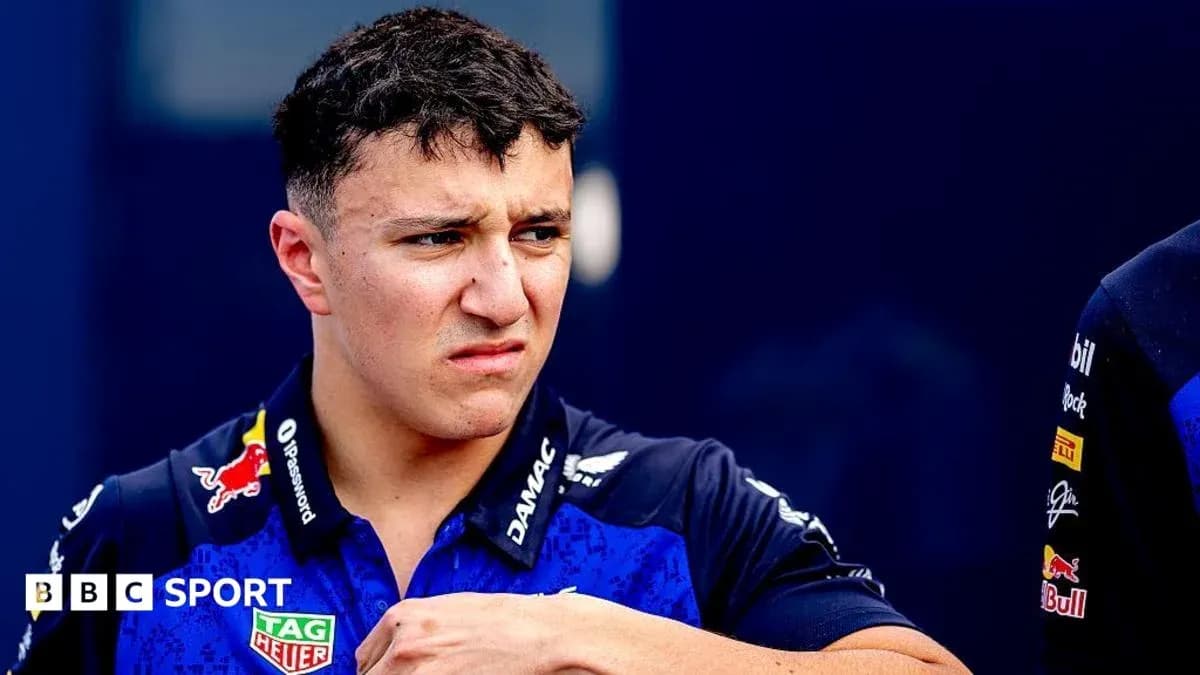
“The car was quick,” he said, standing in civvies as qualifying unfolded without him. Overnight changes had transformed a tough Friday into a promising Saturday morning. Then worn tyres and a gust of wind caught him out on that final lap, and the opportunity vanished into the barriers.
Sunday threatens to bring more pain. This could be Bearman’s ninth straight grand prix without points, and Haas’s eighth, as Audi keeps nibbling away at its advantage in the fight for seventh in the constructors’ championship.
Colapinto shines as Gasly searches for answers
Alpine left qualifying with one car at the sharp end of the midfield and another buried in frustration.
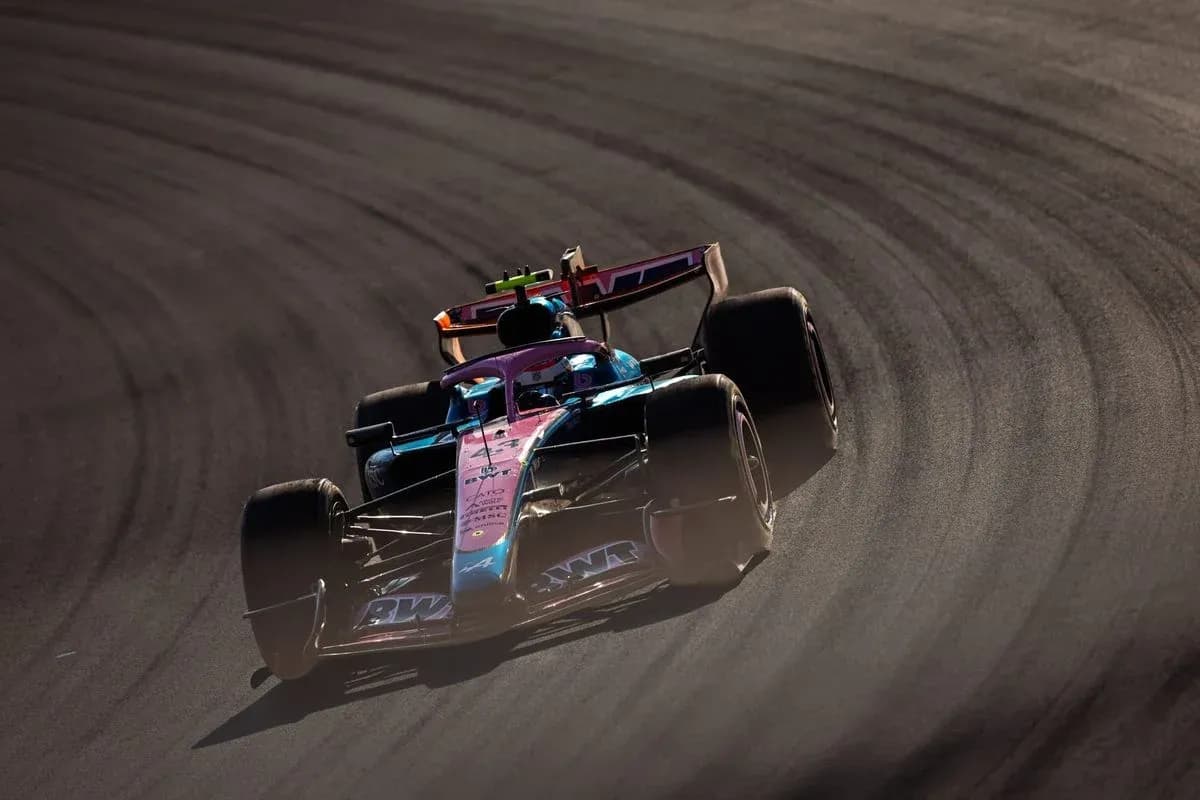
Franco Colapinto took ninth, one place worse than at Monza but in many ways a stronger performance. After catching a wild moment at La Monumental on his first Q2 lap, he regrouped and delivered what he called an “amazing” effort to reach Q3.
This track, he felt, should have suited Audi and Racing Bulls more than Alpine. The weekend’s form backed that up. Yet Colapinto dragged the car to the front of the midfield and then repeated – even improved – his time in Q3. On a day when Alpine had no right to lead that group, he put it there.
Pierre Gasly, by contrast, was left baffled.
He qualified 14th, a full seven tenths off Colapinto in Q2. On Friday, the car had filled him with confidence that the top 10 was realistic. By Saturday, that feeling had evaporated.
“Something doesn’t add up,” he admitted, describing huge traction issues, laying rubber out of every corner and fighting the car through the high-speed sections. He tentatively agreed it might be a deeper, set-up-related problem, but had no firm answers yet.
Talk of whether Sunday will bring chaos or a procession meant little to him. Gasly’s priority is simpler: get back to the engineers’ office and find out what went wrong.
Aston Martin exposed by Honda power
Aston Martin’s recent chassis gains have rattled some of their midfield rivals. The Madring, though, laid bare a different weakness.
This temporary, street-style circuit may be lined with walls, but it’s fast and demanding enough on the power units to expose any deficit. Fernando Alonso wrung everything he could from the car in Q1, yet still fell short. He needed just 0.081s more to jump both Williams drivers and escape the drop.
Instead, he was left estimating a loss of “probably more than one second” thanks to the Honda engine.
At least he got to fight. Lance Stroll didn’t even manage that much. Fresh engine, water pressure problems, session over. He starts 21st, sharing the back row with Bearman.
On a day when four different teams locked out the top four, Aston Martin watched from deep in the pack, undone not by strategy or driver error, but by the simple, brutal arithmetic of power and pace.
The grid is scattered, the gaps are microscopic, and overtaking is expected to be a nightmare. Norris has the best seat in the house. Verstappen lurks. Mercedes and Ferrari are poised to pounce or collide.
If this really is a circuit built for processions, someone on that front few rows is about to find out what it means to control one.