Lando Norris Dominates Madrid's Formula 1 Qualifying
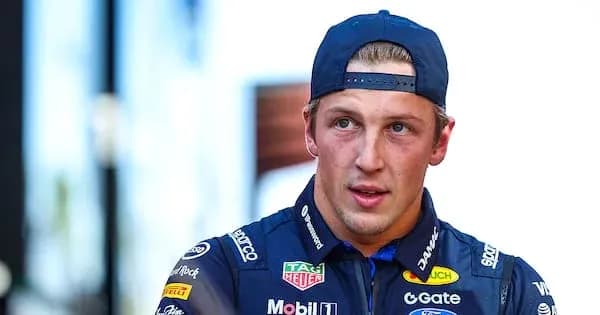
Lando Norris owns the streets of Madrid. At least for now.
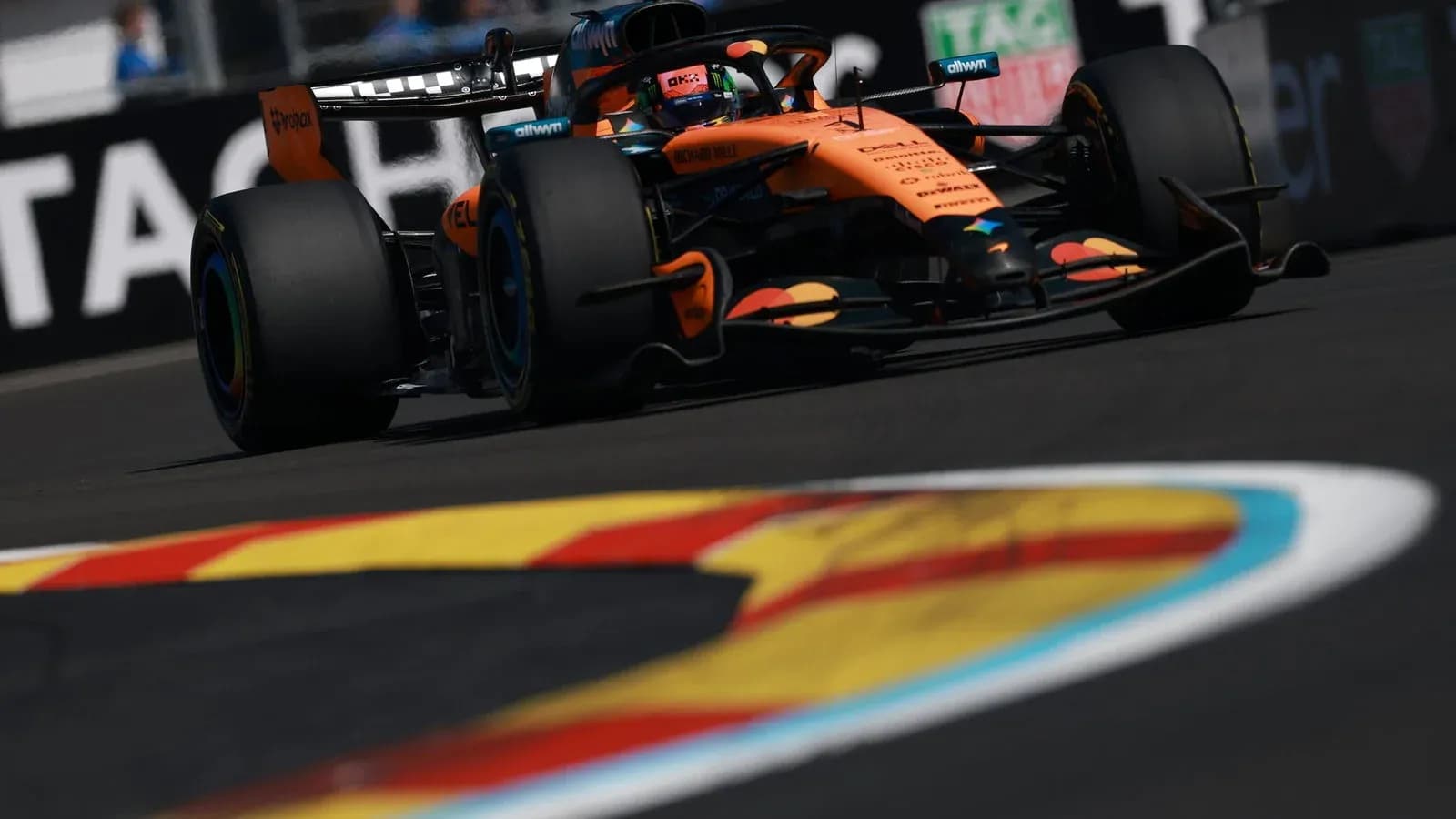
On Formula 1’s first qualifying day at the Madring, the McLaren driver seized pole with the kind of authority that instantly rewrites a circuit’s history. New venue, new layout, same sharp edge from a driver who knows that on a tight street track, track position is everything.
Behind him, the championship picture twists again. Kimi Antonelli, already 66 points clear of George Russell, lines up second and perfectly placed to turn a healthy lead into something close to suffocating. Russell, down in seventh, has work to do on a day when the walls sit close and the margins for recovery are thin.
A new beast in Spain
Barcelona is gone from the calendar, replaced by a very different kind of Spanish Grand Prix. The Madring is a 5.414km street circuit with 22 corners crammed into its length, crowned by a banked Turn 12 that has already become the visual centrepiece of the lap.
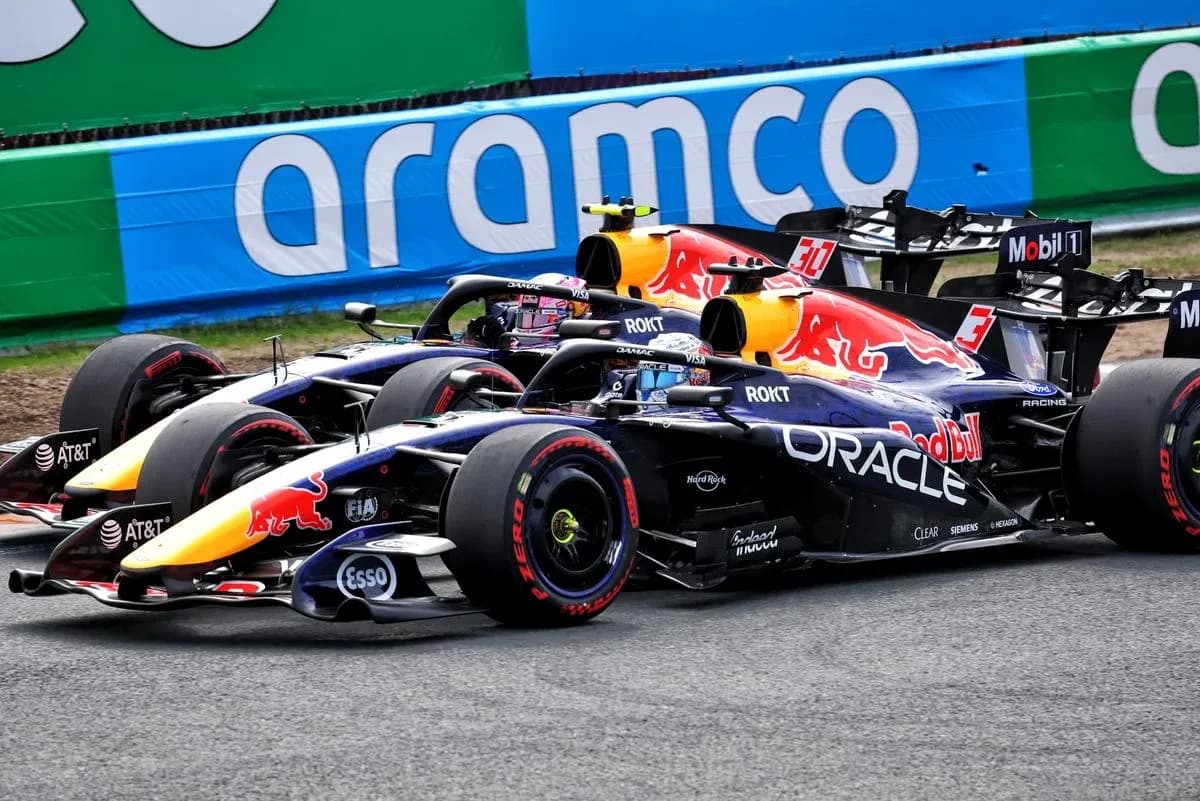
It is narrow, complex, and unforgiving. Drivers arrived braced for chaos: red flags, safety cars, opportunistic lunges from those with little to lose and everything to gain. Many in the midfield spoke openly about using carnage as their best strategy tool.
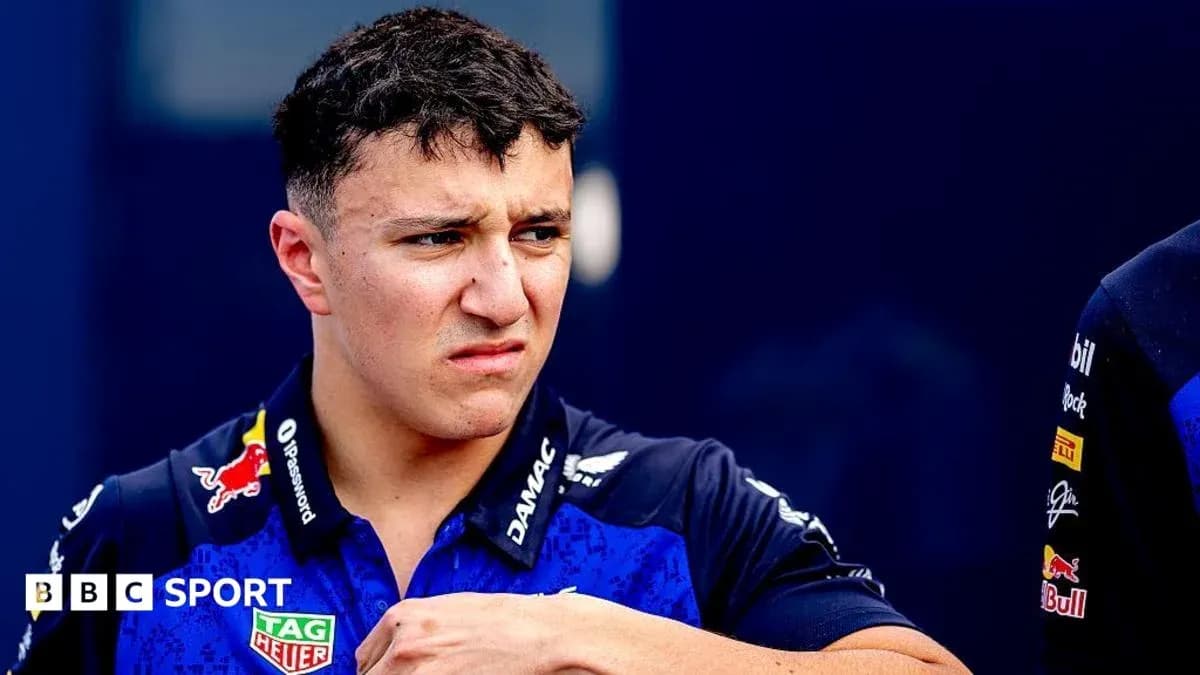
Yet Friday refused to play to the script. Only one red flag interrupted practice, when Arvid Lindblad lost control of his Racing Bulls at Turn 13 in FP2. One mistake, one car in the wall, one reminder that on this circuit, a lapse of concentration carries a price.
The relative calm only deepens the sense of uncertainty. Was that the quiet before the storm, or a sign that drivers will dial back the risk when the points are on the line?
Strategy in the dark
What is clear heading into Sunday’s 2:00pm–4:00pm BST race window is that strategy calls will define the afternoon as much as outright pace. Teams are peering into the unknown.
On paper, the logic is simple: the fewer pit stops, the better. Every trip down the pit lane on a street track is an invitation to lose track position you may never get back. That nudges strategists toward getting the soft tyres out of the way early, banking that the opening laps will be messy, safety-car heavy, and full of chances for a cheap stop.
But the trap is obvious. If the race runs green for a long stretch, an early switch off the softs could dump a frontrunner straight into traffic and hand control to those who gamble on a longer first stint.
So the hard compound comes into play. Start on it, go long, and wait for the race to come to you. If the safety car appears on lap 20 or 30, you are suddenly in the box seat, able to swap to a quicker tyre while rivals are already locked into their plans.
The catch? You then have to survive the start on the slower tyre, off the line against rivals who are armed with more grip and more aggression into Turn 1. On a circuit where overtaking will not come easily, that is a daunting compromise.
Every option carries risk. Every tyre choice is a statement of intent.
Pressure at the front, opportunity in the pack
For Norris, the equation is deceptively simple: launch cleanly, control the pace, and keep the chaos in the mirrors. Pole on a street circuit is a powerful weapon, but it also paints a target on the rear wing. Any safety car, any poorly timed stop, any hesitation can turn control into vulnerability in a single lap.
Antonelli, starting alongside him, has a different kind of freedom. With a 66-point cushion over Russell, he can afford to think like a champion: minimise risk, maximise points, and let the season bend his way. Yet a new track offers a rare chance to stamp authority on a venue that will live on the calendar for years. Win here, and your name becomes part of the place.
Russell, from seventh, sits in the uncomfortable middle ground. Too far back to dictate the race from the front, too far forward to gamble wildly without consequence. He needs the sort of race the paddock has been whispering about all week: safety cars, interruptions, and the kind of broken rhythm that lets a clever call from the pit wall rewrite the order.
Behind them, the rest of the field circles like sharks sensing blood in unfamiliar water. A new street track, a first Spanish Grand Prix in Madrid, strategy models built on incomplete data, and a grid that knows one thing for certain:
This is a trip into the unknown. And on Sunday, someone is going to get it spectacularly right.