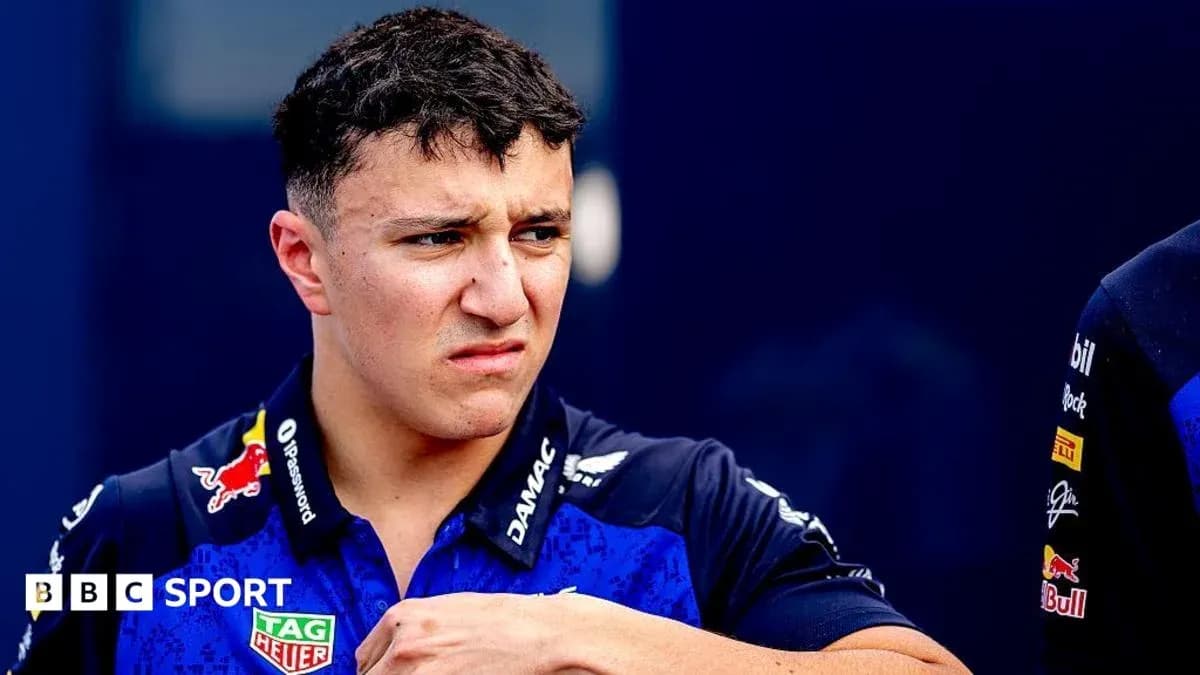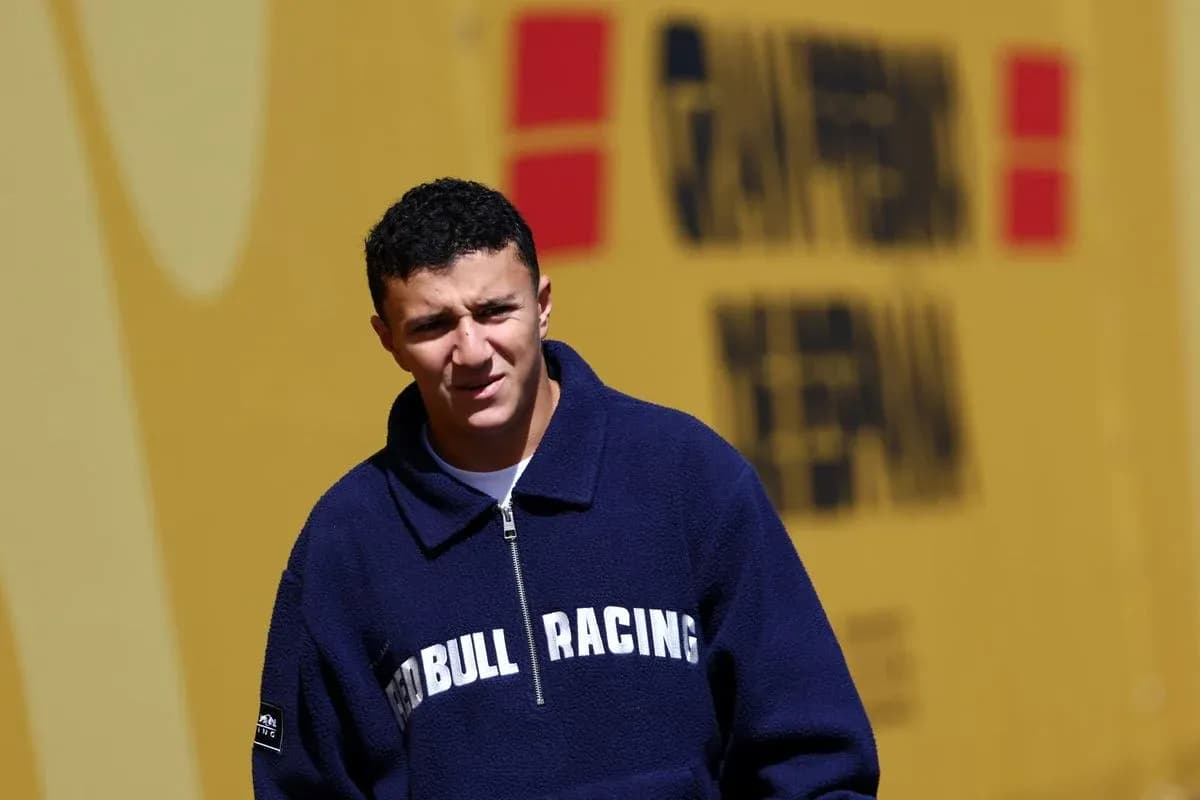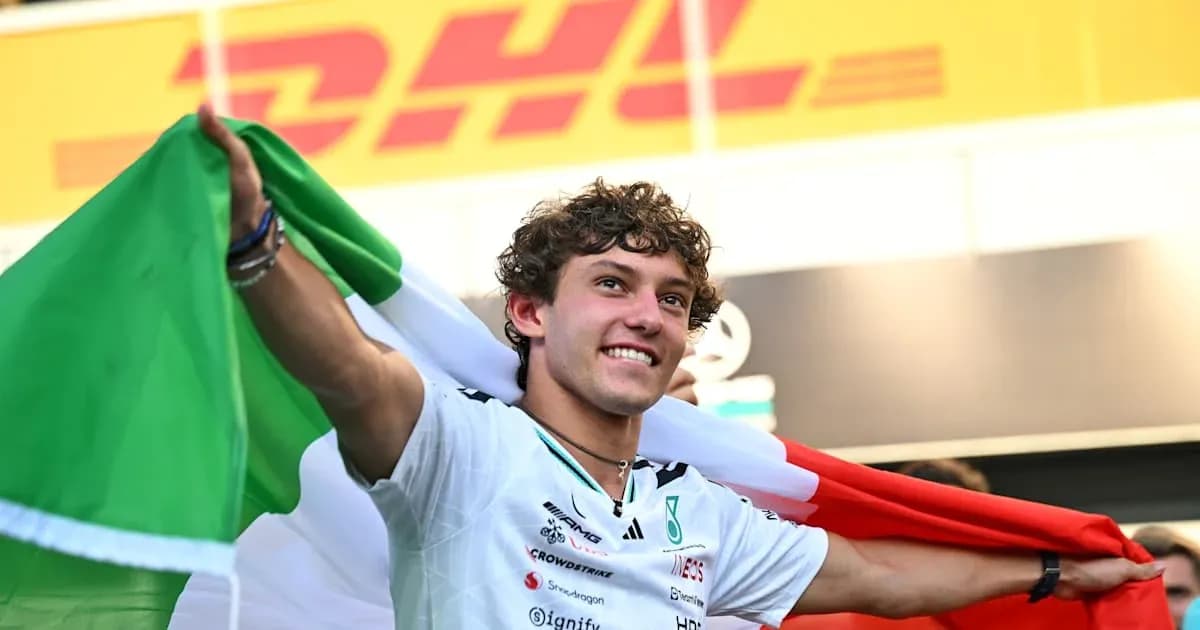
Kimi Antonelli's Dominance at Monza: From 19th to Victory
Kimi Antonelli came home to Monza and tore the place apart.
From 19th on the grid to the top step of the podium at the Italian Grand Prix, the 20‑year‑old turned what should have been a damage‑limitation Sunday into a statement of dominance. Seven wins for the season now, and a World Championship lead that stretches to 66 points over team‑mate George Russell. On a circuit that has made and broken reputations for generations, Antonelli looked untouchable.
A champion’s drive from the back
The day began with a penalty and a problem. An engine change dumped Antonelli down to 19th, Mercedes bolted on the hard tyres, and the plan was simple: one stop, long first stint, brutal pace.
Then Charles Leclerc crashed on lap 3. Red flag. Strategy shredded.
The stoppage forced everyone back to the pits and flipped the race on its head. What had been a carefully drawn one‑stop blueprint suddenly looked fragile. Antonelli, shuffled onto the medium compound, no longer had the comfort of a long opening run. He had traffic, risk, and 18 cars between him and the win.
Toto Wolff, though, had sensed something brewing long before the lights went out.
“I thought one of the two would win. Either George or Kimi, because he’d be flying here at Monza. I could sense that yesterday,” the Mercedes team principal admitted afterwards. He was watching a driver in a different rhythm to the rest.
Mercedes’ strategy tools initially pointed one way. One stop on the hard tyres looked marginally stronger. The models suggested a two‑stop could claw back time late on, but not enough to seal it. The numbers leaned conservative.
Reality did not.
Beating the traffic, not just the timing screens
For Wolff, the algorithms only told part of the story.
“The decisive factor was the ability to fight through the traffic,” he said. That, in his eyes, separated Antonelli from the rest. It is what Lewis Hamilton used to do in his prime on days when a race seemed lost by lap one. Cut through the pack, lap after lap, without hesitation and without wasting time.
Antonelli did exactly that. Car after car fell away in his mirrors as he threaded the Mercedes through the field with a mix of aggression and precision that Monza’s old banking ghosts would have approved of. Once driver and machine clicked into the same gear, there was a sense of inevitability about it.
“There’s simply no stopping him now. When driver and car are one, nothing can hold them back,” Wolff said, drawing the parallel with the greats he has already worked with.
The red flag that had threatened to ruin the afternoon ended up sharpening Antonelli’s edge. The medium tyres, the traffic, the pressure of a home race – all of it became fuel.
A father’s prediction, a team boss’s conviction
By the time Wolff took his seat in the press conference, the focus was almost entirely on one man. Russell, solid and consistent all season, barely featured in the conversation. This was Antonelli’s weekend, and Wolff did not hide his admiration.
“It’s been a while since I’ve seen a driver with this kind of energy, attitude, mentality or behaviour,” he said. The Austrian had even discussed it with Antonelli’s father the previous day. Both felt something was building.
“His father saw it coming too,” Wolff revealed. As the sessions ticked by, as sector times and race runs came together, there was a growing sense inside the garage that Monza could deliver a defining moment. The only caveat: this is still a technical sport. One fault, one failure, and everything collapses.
It did not. Instead, the weekend crystallised what Mercedes believe they have on their hands.
From “deer in the headlights” to title favourite
This version of Antonelli – ruthless, composed, relentless – is not the one who first walked into Formula 1.
His debut year had been jagged. Flashes of brilliance, then long, empty Sundays. “Last year went according to plan,” Wolff insisted, but it did not always feel that way from the outside. The team boss had warned there would be “brilliant moments, but also more difficult ones,” and the start of that campaign delivered both.
Back then, Wolff said, Antonelli was “like a deer in the headlights”. Inside the cockpit, the raw speed was there, the mindset was right, but the consistency was missing. Then came a brutal stretch: nine races without a single point. Spa, in particular, cut deep. The young Italian left Belgium drained, deflated, and doubting.
Monza, ironically, had already been the scene of a turning point. It was here that Wolff first sat him down and delivered a blunt message: “Listen, you need to wake up.” The words were sharp, but the belief never wavered. “I never doubted him. That’s why we gave him the chance,” Wolff said.
That chance has now been repaid with interest.
The “AI agent” in a racing car
The real shift came with the winter of 2025 into 2026. Antonelli returned after the break as if someone had flipped a switch.
“And then he came back after the winter break and got off to a start that nobody had expected,” Wolff said. The media glare had intensified, the scrutiny grew, and the weight of expectation settled on his shoulders. Rather than crack, he absorbed it.
“In a way, the system processed and stored that,” Wolff explained. The pressure, the criticism, the mistakes – all logged, all converted into learning. The results that followed stunned even those inside Mercedes who had backed him from the start.
“To me, he’s like an AI agent who’s constantly improving himself and learning. That’s the speed,” Wolff said. At 20, Antonelli is still developing cognitively and intellectually, still adding layers to his craft while many rivals are already fully formed.
On a hot afternoon at Monza, that evolution was laid bare: a driver once overwhelmed by the scale of Formula 1 now dictating a Grand Prix from the back of the grid.
The championship gap stands at 66 points. The home crowd has found a new hero. And the rest of the field, watching that silver car slice through traffic, will have left Italy with a sobering thought: if this is what Antonelli looks like at 20, what will he be in three years’ time?