Kimi Antonelli's Epic Win at Monza: A New Era in F1
Kimi Antonelli ripped up the script at Monza and took a giant stride towards history, turning his home grand prix into a coming‑of‑age epic.
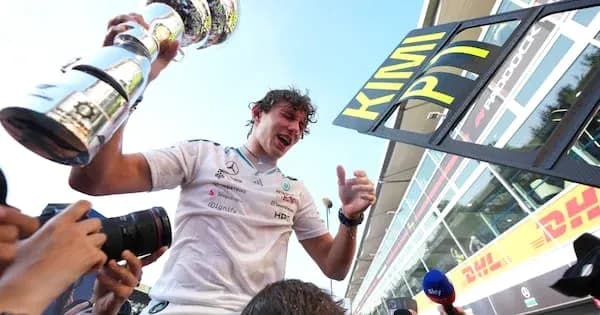
From 19th on the grid to the top step of the podium in fewer than 17 laps, the 20-year-old Italian didn’t just win the Italian Grand Prix. He owned it. He became the first Italian to triumph at Monza in 60 years, and he did it with a ferocity that shook the championship picture and electrified the tifosi who had arrived expecting Ferrari glory and instead found their new hero in silver.
“It feels like a dream,” he gasped over team radio, voice cracking as he crossed the line. You believed him. You also believed the rest: “Unbelievable, unbelievable. I am so happy, I could not have imagined to be here today but we managed to pull it off.”
From the back to the front
The scale of the climb was outrageous. Only John Watson’s charge from 22nd to victory at Long Beach in 1983 stands ahead of it in the record books. Antonelli started 19th after Mercedes took a hefty grid penalty to change his power unit. On paper, this was supposed to be damage limitation.
By the end of Lap 2, it was something else entirely.
The early drama belonged to Ferrari. Charles Leclerc, carrying the hopes of the red-clad masses, lost control coming out of Parabolica, slammed into the barriers at high speed and climbed out to sit, shattered, near the track. The race was red-flagged. Around him, the Monza grandstands sagged in disbelief. Many tifosi wept.
Amid the chaos, one detail slipped easily under the radar: Antonelli was already up to 12th.
When the race restarted, he drove like a man who had suddenly realised what was possible. He sliced through the midfield with ruthless efficiency, picking off cars one by one, the Mercedes’ straight-line speed and his own confidence turning the long Monza straights into a private runway.
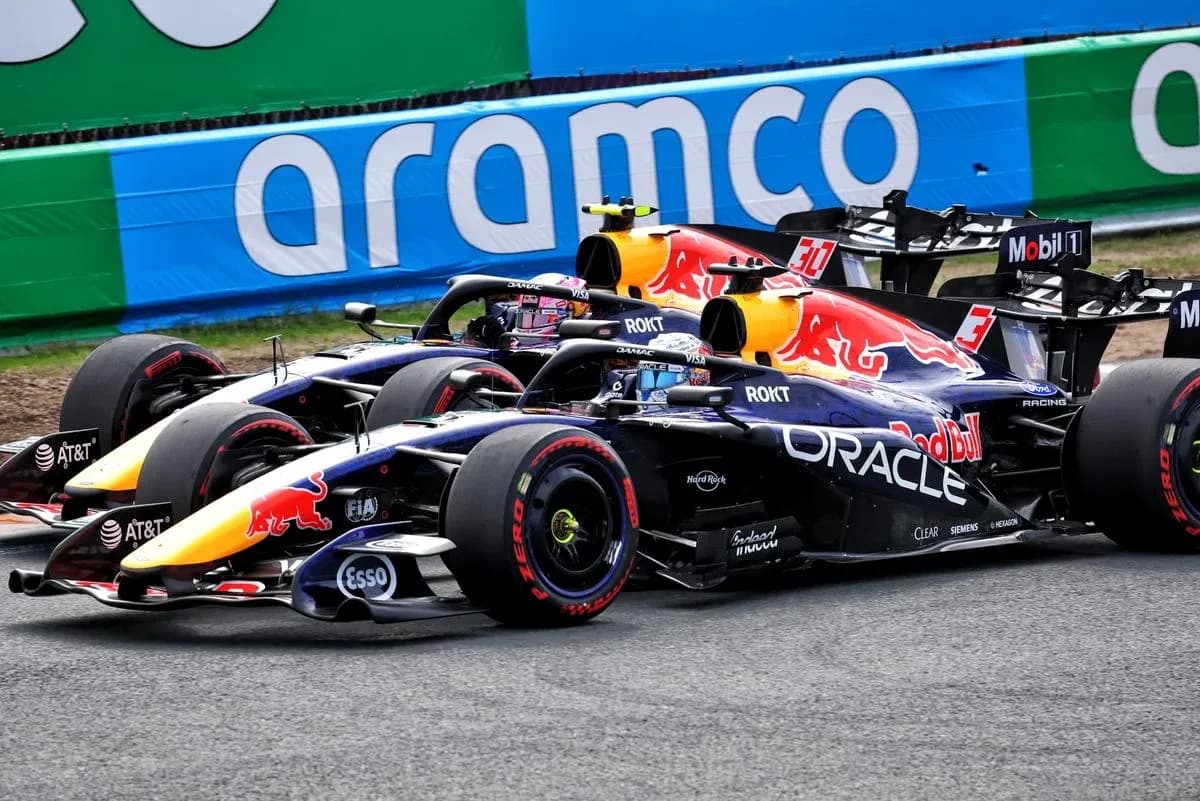
At the front, George Russell had jumped surprise polesitter Pierre Gasly at the start of the second lap and was busy trying to control the pace. That control didn’t last. The black cars closed in on each other, and the grand prix became a private duel in silver.
Teammates, rivals, combatants
This was supposed to be Russell’s chance to haul himself back into the title fight. He started second. He had track position. His teammate was buried down the order with a penalty. Instead, he found himself locked in wheel-to-wheel combat with the very man he needed to reel in.
The pair traded the lead, ignoring the comfort zone most teams like to keep between their drivers. Mercedes intervened, telling them to build a gap to Max Verstappen in third before settling it among themselves. They listened, briefly.
Antonelli’s pace, though, made the strategy calls more than just theory. On Lap 29, under a virtual safety car, Mercedes split their options. Antonelli pitted. Russell stayed out.
“To be honest, I thought we were both going to stay out,” Russell admitted later. “I was surprised to see him pitting. In the end it was a roll of the dice both ways. In the moment, the team wouldn’t have known which strategy was better, made sense to split the car. In the end Kimi had great pace.”
Antonelli rejoined in sixth. Fresh tyres. Clear mind. Same mission.
He began hunting again, this time with his own teammate as the final target. The gap shrank. Russell defended. The tension rose.
A mistake, then a statement
On Lap 49, it looked like the fairytale might crack. Antonelli lunged, ran through the gravel, and for a heartbeat his miracle comeback wobbled. The crowd groaned. Russell escaped.
But only briefly.
Such was Antonelli’s speed that the error barely slowed the narrative. Within a lap he was back on Russell’s gearbox, this time making the move stick and sweeping past with three laps to go. No second invitation. No hesitation. Just a decisive overtake to seal one of Monza’s great drives.
From there, he didn’t look back. Verstappen, a distant third, never came into the conversation for the win. The Red Bull driver finished behind both Mercedes, just ahead of McLaren pair Lando Norris and Oscar Piastri, who filled out the top five.
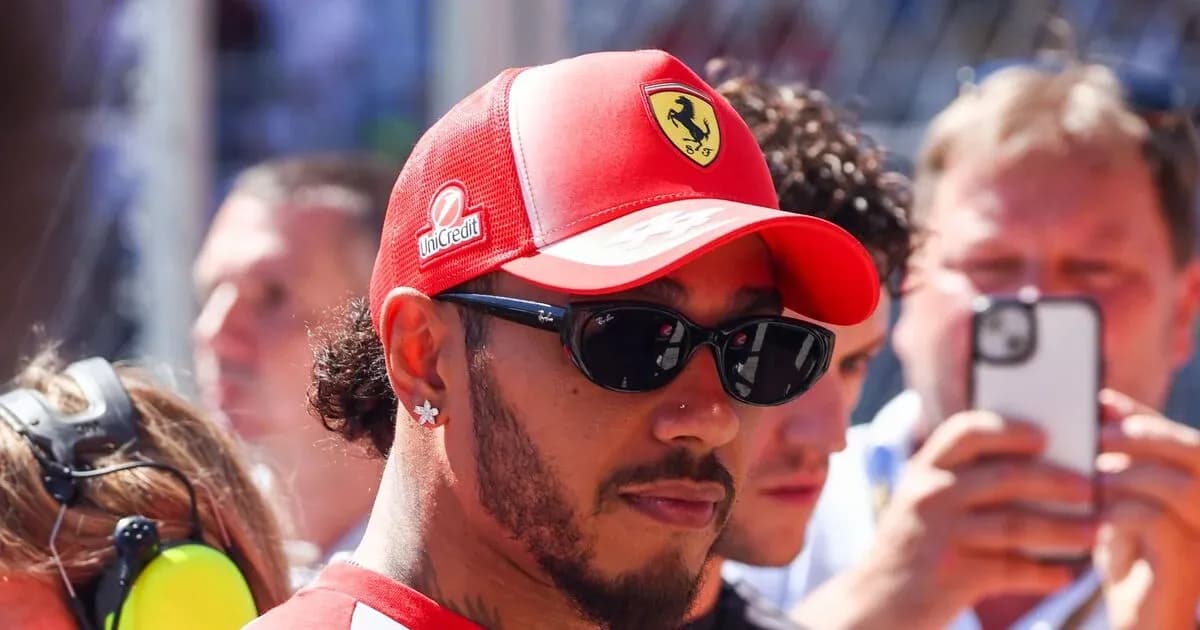
Lewis Hamilton salvaged sixth in the remaining Ferrari, a muted result for the Scuderia at their home race after Leclerc’s early crash left the tifosi stunned and searching for something, someone, to lift them. Antonelli provided it, even in the wrong colours.
At the other end of the points fight, Liam Lawson brought his car home 14th, a solid but unspectacular afternoon for the Kiwi.
A title race tilts
This was Antonelli’s seventh win of a fledgling Formula 1 career and of this season alone. More importantly, it stretched his lead in the championship to 66 points over Russell. The gap is no longer a subplot. It is the story.
“Kimi is in control of it and he’s deserving to be in control of it,” Russell said, the respect clear. “For me personally, I’m not even thinking about a fight or a comeback or anything. He’s performing incredibly well. It’s going to be exceptionally challenging to overcome that gap so I’m just sort of accepting that it is what it is.”
Antonelli, in only his second season in F1, sounded almost dazed by what he had done, but not by what might come next.
“The best race is yet to come,” he said. “But I feel like it was one of the best races I've done so far and one that I will remember forever.”
On a day when Ferrari’s dream died in the barriers at Parabolica, Monza still found a home winner to roar for. An Italian, 20 years old, starting 19th, driving a Mercedes, and marching towards the record books as the youngest champion Formula 1 has ever seen.
The question now is not whether this was his breakthrough. It’s how many more afternoons like this the rest of the grid can survive.