IPL Media Rights: BCCI's Next Move and ICC's Strategy
The next great auction in world cricket is on the horizon, but the biggest player in the room is still sitting on its hands.
Last week, the ICC quietly signalled the start of its 2028-31 media-rights campaign, appointing a five-member working group tasked with one blunt objective: protect, or preferably improve, the value of its rights in a rapidly shifting broadcast landscape. The group will study every possible price-discovery model, scan global trends, and try to ensure the ICC doesn’t lose ground in the next cycle.
Yet, for all that planning, the ICC can’t actually step into the market. Not yet.
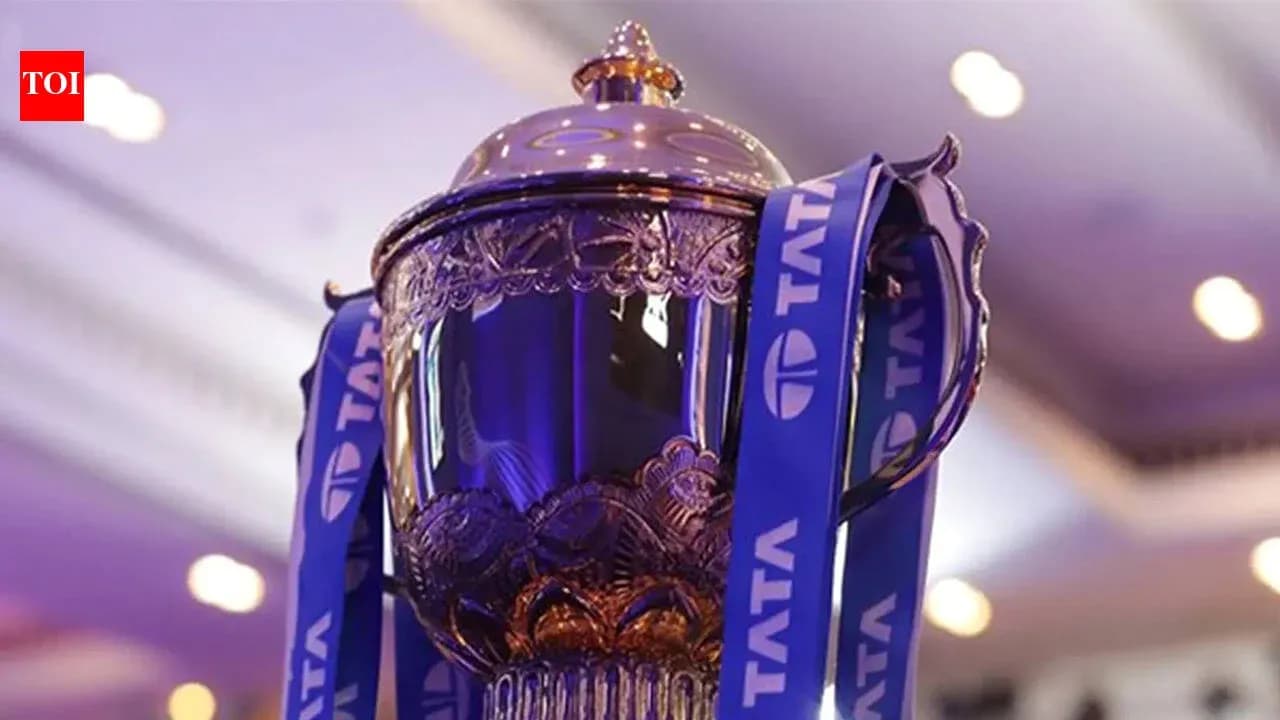
Because in cricket’s media economy, one property dictates the tempo for everyone else: the IPL. And until the BCCI drafts and releases its new IPL media-rights tender, every other rights sale — including the ICC’s — is effectively on hold.
BCCI’s silence, ICC’s wait
The BCCI, usually described as a sleeping giant that only stirs when the stakes demand it, has so far chosen not to move. No tender. No formal word on whether it will again bring in a financial advisory firm to help shape the auction, as it did last time around.
That hesitation is being watched closely in Dubai.
Adding another layer of intrigue, BCCI secretary Devajit Saikia sits on the ICC’s own media-rights working group, chaired by ECB chief Richard Thompson and including ICC chairman Jay Shah. The same administrator helping shape the ICC’s strategy is part of the board that must first set the benchmark with IPL’s rights.
Until that happens, the rest of the cricket world waits.
The KPMG blueprint and a digital turning point
The last IPL cycle in 2022 changed the rules of the game.
Back then, the BCCI brought in KPMG to help craft a tender that didn’t just sell matches, but sliced and packaged them with surgical precision. The standout innovation was a special non-exclusive digital package for the Indian subcontinent — a curated ‘bouquet’ of 18 high-value matches per season in a 74-game structure.
That one package alone climbed to Rs 3,273 crore, at Rs 33.24 crore per match.
The impact was historic: for the first time, internet rights from the subcontinent generated more revenue for the BCCI than traditional TV rights. A fundamental shift in where the money lay — and where the audience was heading.
Industry insiders expected that lesson to become the starting point for the next tender. Instead, they’re still waiting.
“We were expecting to hear something from them (BCCI) on this. Given the way tech is changing how we consume sport, we thought the board would be keen to explore these changing revenue patterns and models for IPL. Look at the YouTube sports-bundling model in the US, for instance. The NFL Sunday Ticket is a case study in itself,” an industry executive said.
The message from the market is clear: the potential is enormous if the BCCI is prepared to go deeper into this space.
AGM in Mumbai, big decisions on the table
BCCI members gather in Mumbai from Friday for the AGM, and those tracking the ecosystem see one subject towering above the rest: the upcoming sale of IPL media rights.
The IPL already sits on the strongest cricket platform in the world. It is the premium product in a market that consumes the sport relentlessly. But the next phase of growth may not lie inside the live match feed.
“India has a strong cricket platform. The IPL is already a premium property on that platform. All you need to build on it is effectively what can be done outside of the live match feed. Archives, highlights, documentaries, regional storytelling, fan engagement etc. You may have one or two broadcasters in the race for rights but building a separate non-live consumer base to monetise premium properties selectively is another subject matter altogether,” the executive added.
The future, in other words, is modular.
Not one giant, all-inclusive deal that shoves everything into a single basket, but a layered structure: live rights, non-live content, regional plays, digital-only segments, premium add-ons. Different audiences, different products, different price points.
Right now, the IPL leans heavily on one broadcaster for its live output. That concentration worries some stakeholders.
“Perhaps not a very healthy model either, considering all your eggs happen to be in one single basket,” an IPL franchise executive said, pointing to the league’s dependence on JioStar for live broadcasts.
The missing giants: Netflix, Amazon, YouTube
Globally, the streaming heavyweights have circled live sport with caution.
OTT giant Netflix has not gone all-in on live events, choosing instead to build sport-adjacent content and specials that keep users inside its ecosystem without committing to massive rights fees. Yet it has never closed the door on sport; it has simply folded what it does acquire into existing plans to reinforce subscription loyalty.
That raises an obvious question in India: why haven’t Netflix, Amazon or YouTube become serious bidders for IPL live rights?
Inside the industry, the answer is blunt.
“We keep wondering why an Amazon or a Netflix or a YouTube hasn’t looked at the India market. Well, the fact is, the onus lies on us to market our products to them and only then can we catch their attention. So, in the case of IPL rights, the onus certainly lies on the BCCI to go out and start talking to these platforms,” the franchise executive said.
The technology is ready. The audience is there. The global platforms have the scale.
The next move belongs to the BCCI — and the shape of cricket’s media economy for the next decade may depend on how bold it chooses to be.