Interlagos Prepares for Unique Brazilian Grand Prix Challenge
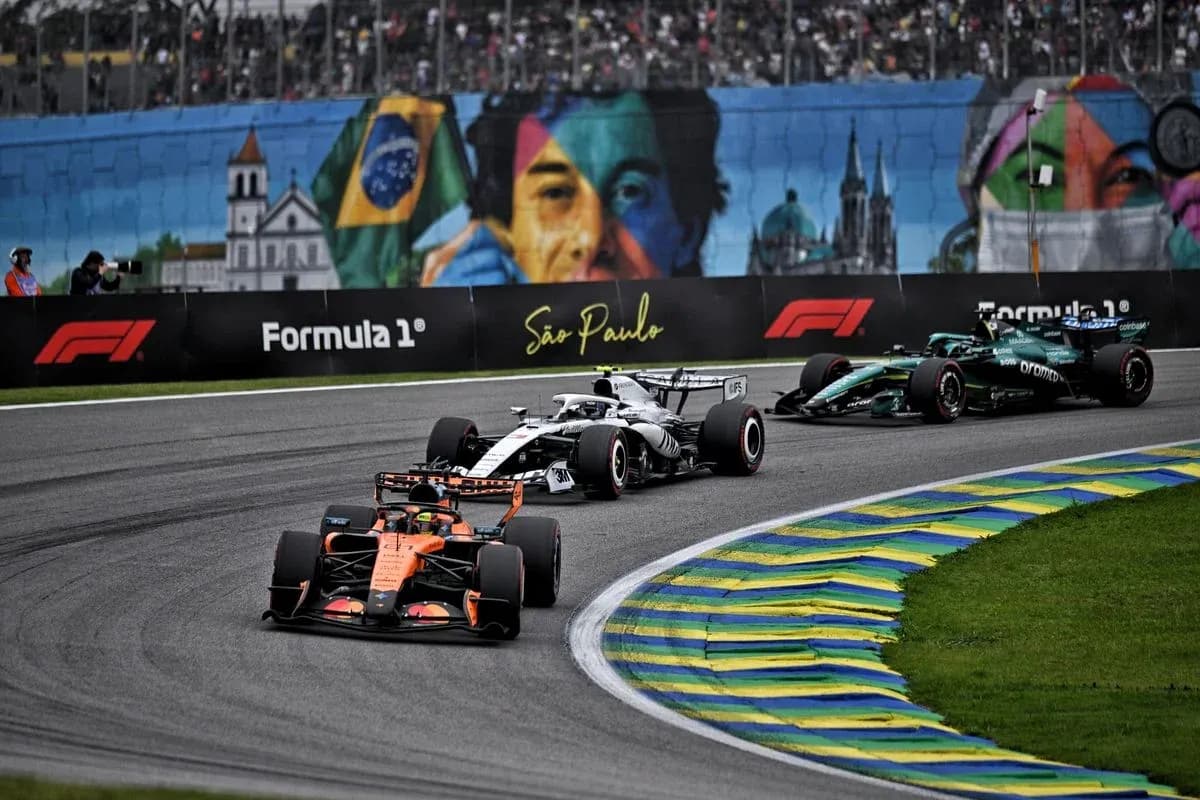
Interlagos is used to chaos from the back. This is the circuit where big names carve through the pack, where the long drag to Turn 1 and the plunging infield usually reward bravery and race craft.
This year, the drivers fear the rulebook might get in the way.
The 2026 regulations, already under intense scrutiny after Mexico, loom over Sunday’s Brazilian Grand Prix with a sense of inevitability. The concern is simple: the tools that once turned this place into an overtaking playground have been dulled, and the spectacle could go with them.
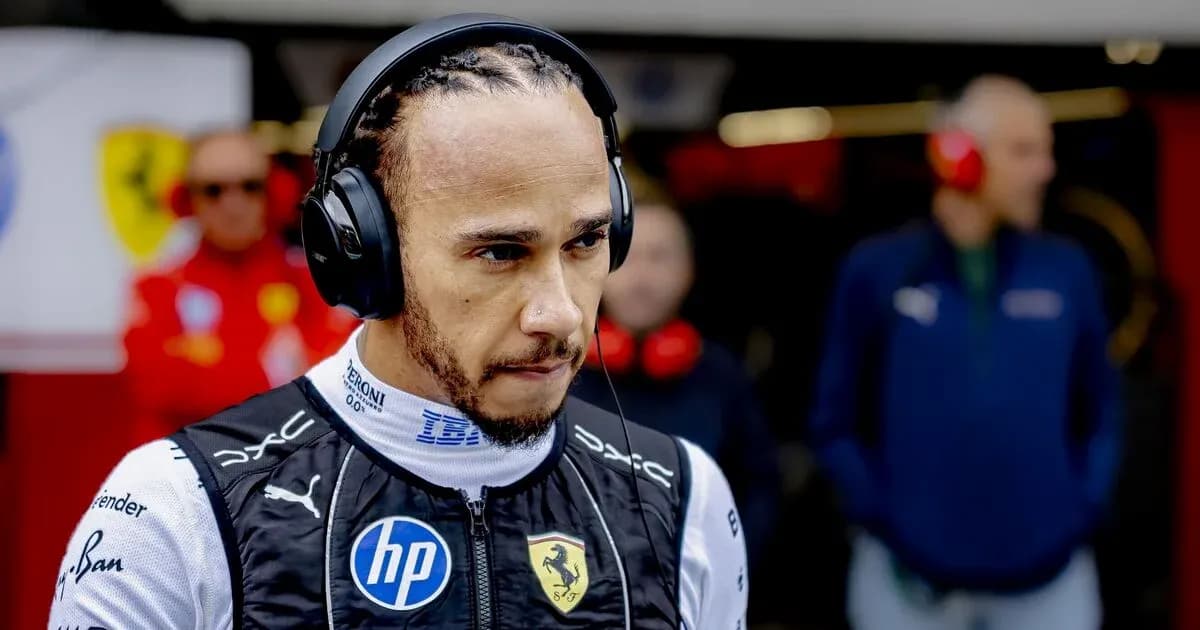
Lewis Hamilton and Lando Norris were already seething in Mexico about the way the current energy deployment tails off once the cars hit higher speeds. Hamilton labelled the system “stupid”. Norris said it “kind of ruin[s] racing”. Those complaints now feel amplified at a venue that has long thrived on slipstreams and late lunges.
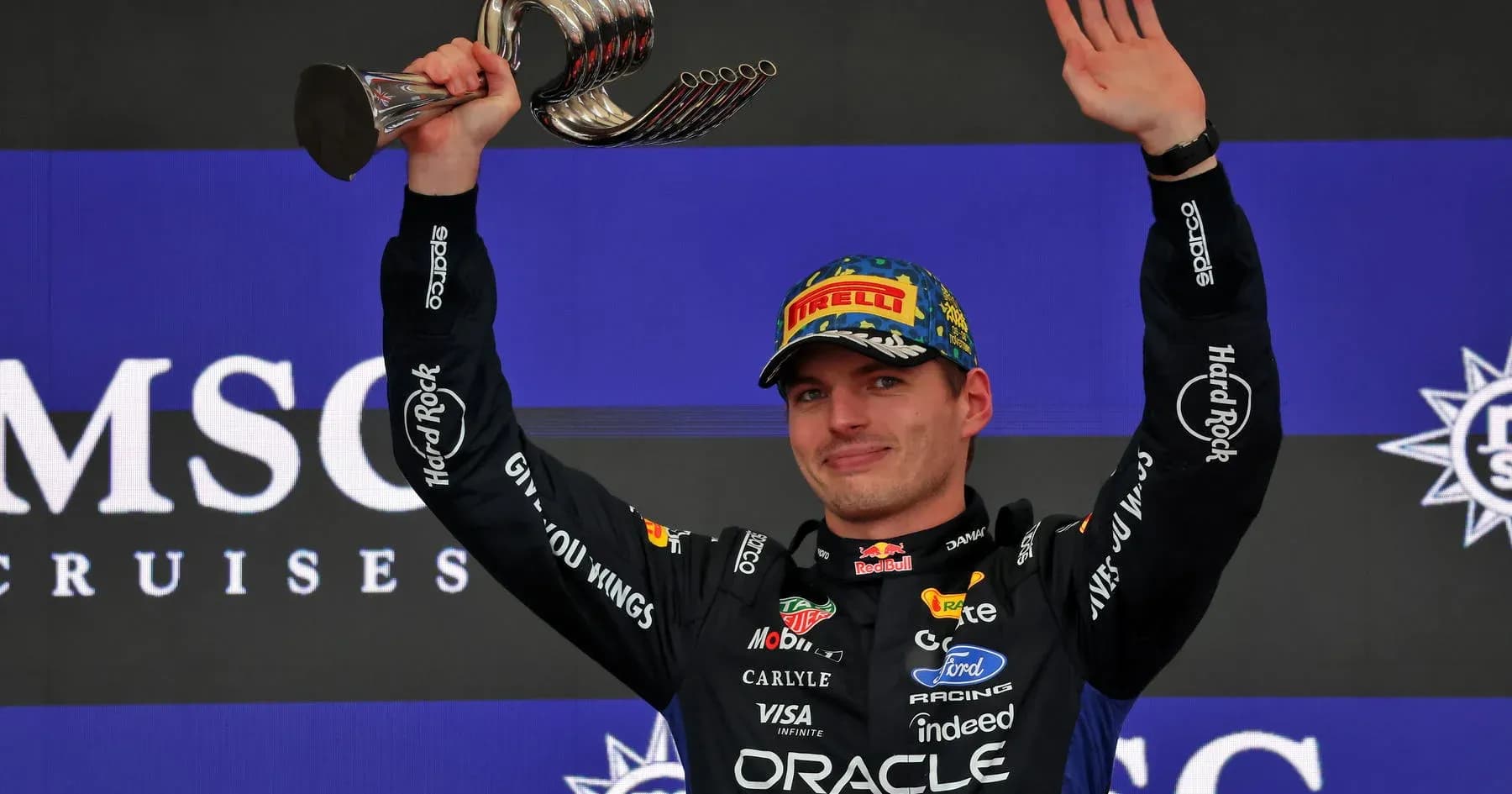
Hamilton has history here from lowly grid slots. So does Max Verstappen. Both have launched famous comebacks in Brazil. Both now sound resigned to something far more static.
Hamilton starts 20th after a 10-place grid penalty and did not sugarcoat the challenge.
“Overtaking will be very, very, very hard,” he warned. “I'm not sure you're going to see the same sort of races that you've seen in the past.”
That is a stark contrast to 2021, when Hamilton turned a weekend of penalties into one of the great modern drives. He stormed from the back in the sprint with a fresh engine, then won the grand prix itself from 10th on the grid. The difference then? Drag Reduction System offsetting cars on the straights, creating big closing speeds and bold moves into Turn 1.
Now every car sheds drag in straight-line “mode” under the 2026 rules. Instead of a hunter with a weapon, you have a train of cars armed with roughly the same tool. The expectation is obvious: fewer passes, less chaos, more stalemate.
Verstappen, who took the 2024 Brazilian GP from 17th on the grid, reads it exactly the same way.
“Now we don't have DRS anymore and the overtake mode is very limiting around here because of the long straight, everyone is draining the battery,” he said.
“So your speed difference on the straight is going to be a lot less, a bit like Mexico really. So it will be quite a lot harder, I think, to pass [on] the long straight.”
The numbers back that up. The overtake mode gives any driver within one second of the car ahead an extra 0.5MJ of energy. On paper, that sounds significant. On track, Williams driver Carlos Sainz pegs it at “one or two tenths” of a second in lap time. Useful, yes. Transformational for overtaking? Not even close.
“Anyway I'm not expecting to look forward too much with the amount of penalties that are happening and everything,” Sainz added, sounding unconvinced that the system will rescue those mired in the midfield and beyond.
Weather: The Great Disruptor
If the regulations threaten to suffocate the racing, the sky above São Paulo might yet rip the script apart.
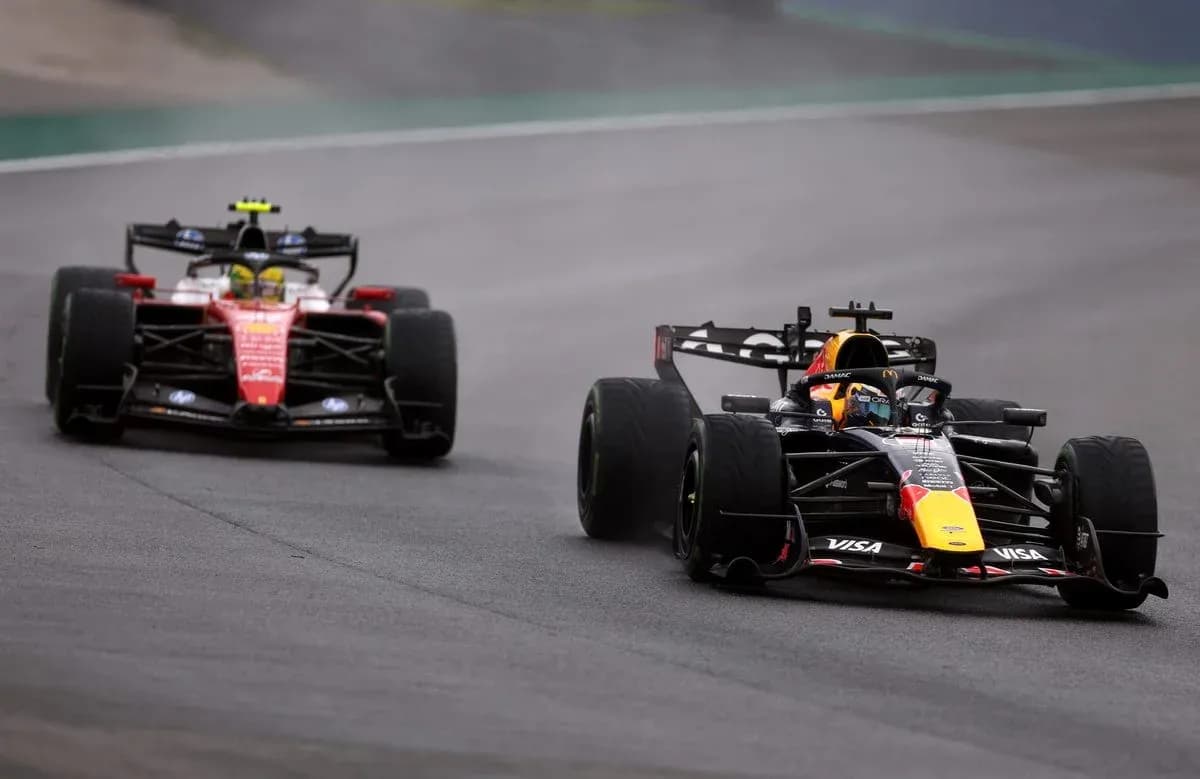
The limitations of overtake mode and active aero belong to the dry. Once the rain arrives, the equation changes. Active aero can be disabled, the cars punch a bigger hole in the air, and the slipstream grows stronger. Interlagos, already a rollercoaster, becomes even more unpredictable.
McLaren team principal Andrea Stella is reading the radar and expecting trouble.
He said he “would be surprised if we have a dry race,” pointing out that Formula 1 has had very limited experience of a full wet grand prix under this ruleset. The Bahrain GP in Malaysia had almost dried by the start, while Singapore’s wet race turned into a processional sprint on a circuit that rarely allows overtaking, regardless of regulation tweaks.
“At the moment in the forecast, there's quite a lot of rain, so I would be surprised if we have a dry race,” Stella said.
“It's unclear how much rain, what the intensity is going to be. It could be steady, but not too heavy.
“In some conditions, the visibility is just the fact that the tyres and the cars, they just lift a certain amount of water, and there's nothing you can do, you just have to stop the session because of the visibility and the aquaplaning.
“I think if the visibility can be somehow acceptable, then I think we can have a race, and I hope, like I said, that based on the forecast, even if the rain will be steady, it should be lower class, a lower level of rain.
“And we have seen in qualifying that actually the cars, from a visibility and tyre grip point of view, they can tolerate a certain amount of water. So I'm optimistic that we should be able to have a race. I'm not that optimistic that it will be in dry conditions.”
From Pirelli’s vantage point, qualifying has already done an important job: both sets of wet tyres have proved they can cope. Whether it is full wets or intermediates, the tyre supplier is confident it has the range to cover whatever arrives over Interlagos.
Strategy on a Knife Edge
If, against the forecasts, the clouds hold back and the race stays dry, strategy becomes the main lever for excitement.
High tyre degradation points towards a two-stop race. The most likely combinations are soft/medium/soft or medium/hard/soft, with teams juggling track position against tyre life. The hard compound only really comes into play if temperatures drop enough to bring its lower working range into the sweet spot. A one-stop is on the table, but with an estimated 10-second disadvantage, it looks like a gamble too far unless chaos erupts elsewhere.
Everything, though, comes back to 2pm local time.
By then, Formula 1 will know whether the morning showers have swept through or decided to linger over the hills that cradle this old, bumpy circuit. If the rain clears, the paddock’s fears about muted overtaking and neutered comebacks may well be realised.
If it does not, the 2026 regulations could meet their most searching examination yet, on a track that has never taken kindly to predictability.