Honda Reshapes F1 Power Unit Leadership Amid Aston Martin Struggles
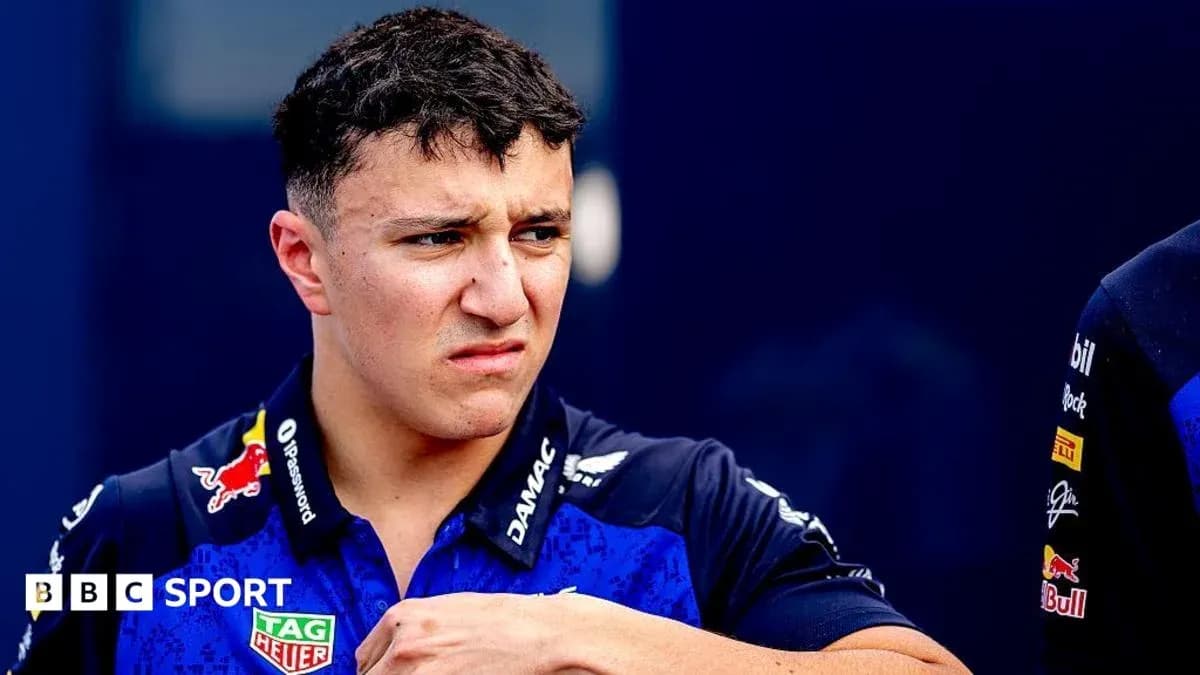
Honda has moved to reset the leadership of its Formula 1 power unit project, installing Yoichiro Fukao as the new figurehead of its engine programme as the company and partner team Aston Martin endure a bruising season.
The Japanese manufacturer confirmed a “planned transition” that will see Fukao, currently deputy leader of the F1 project and head of the software division, step up to the role of Large Project Leader. He will replace long-time chief Tetsushi Kakuda, who has overseen Honda’s current F1 power unit era.
The change will formally take effect on 1 October, 2026, and is being framed inside Honda as a decisive step towards the sport’s looming rules revolution.
A generational handover
Honda Racing Corporation set out the move as part of a wider strategy to speed up development and pass on hard-won knowledge to a new wave of engineers.
“Yoichiro Fukao, currently serving as Assistant LPL (Deputy Leader of the F1 Project, Head of the Software Division), will assume the role of LPL (Large Project Leader), succeeding Tetsushi Kakuda, who has led the PU development to date,” the company stated.
The message from Tokyo is clear: this is not a panic move, but a baton change.
“This organisational change is a planned transition designed to ensure the reliable transfer of technical expertise to the next generation of engineers,” Honda added, underlining that the reshuffle is designed to lock in experience before the rules reset.
With new power unit regulations arriving in 2026 and further tweaks already anticipated from 2027, Honda wants its new structure bedded in early. The aim is blunt and ambitious: “a robust development framework” and “a highly competitive PU”.
Right now, though, the reality on track looks very different.
Aston Martin marooned near the bottom
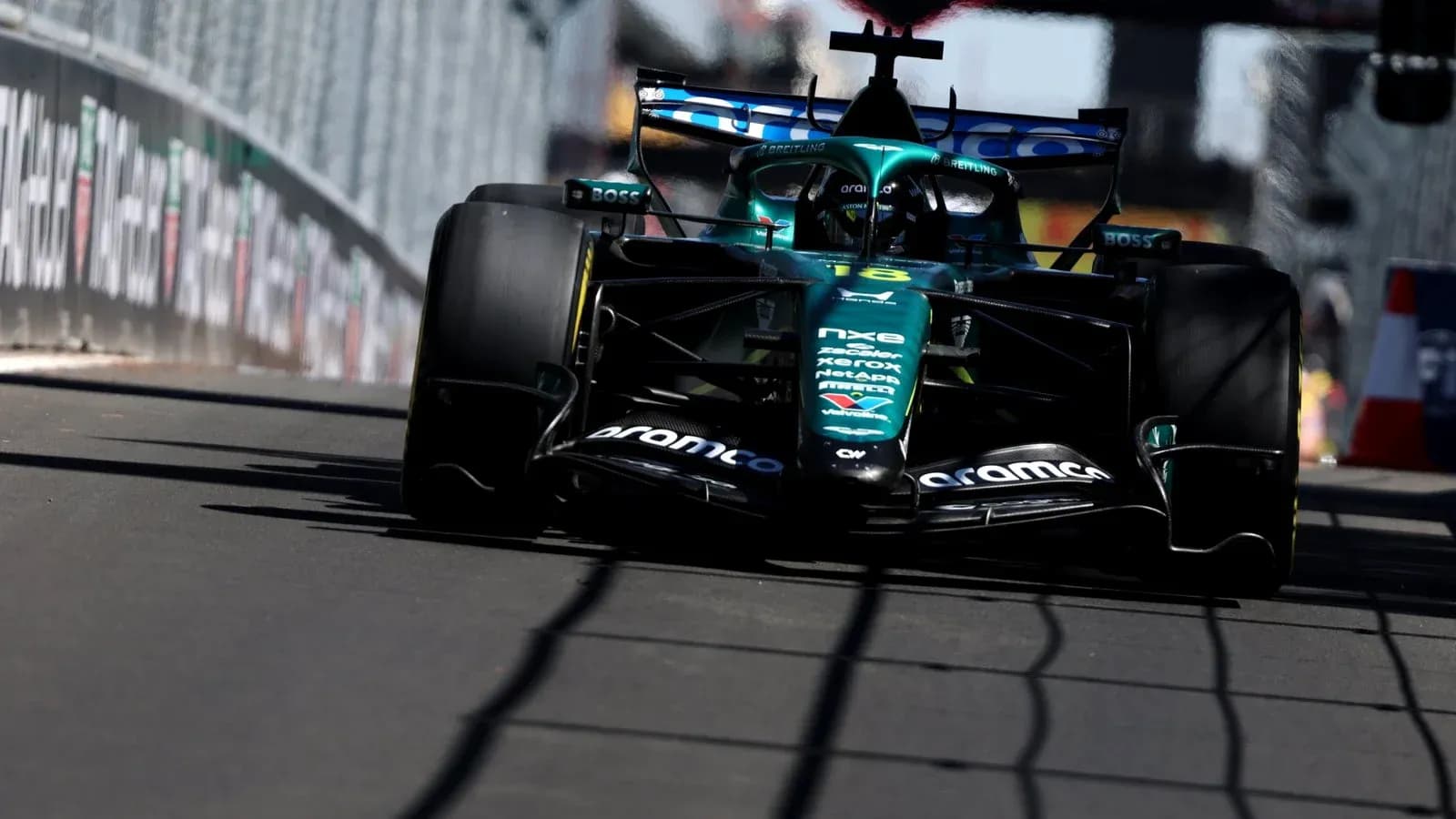
The timing of the announcement lands against a grim backdrop. Aston Martin, powered by Honda, is mired in a miserable campaign and has failed to turn the current engine regulation window into a springboard.
Fernando Alonso’s second home race of the season, the Spanish Grand Prix, delivered only frustration. The two-time world champion trailed home in 17th, far from the points and even further from the expectations that surrounded the project not long ago. Lance Stroll did not see the chequered flag at all, retiring with brake problems.
The constructors’ table tells the story in brutal shorthand. Aston Martin sits 10th with just three points, ahead of only new entrants Cadillac.
Upgrades, but little uplift
Honda has not stood still. A spec 2 power unit arrived at the Dutch Grand Prix, billed as a step forward. On paper, it targeted driveability first, performance second.
On the ground, the gains have been harder to spot.
“Today’s result isn’t what we wanted, but we need to look at the learnings and improvement points that we can take forward to future races,” said Shintaro Orihara, Honda’s trackside general manager and chief engineer, after the latest setback.
Over the last three races, Honda has focused on taming the engine’s behaviour rather than chasing outright power numbers.
“Over the past three races we’ve improved the driveability of our spec 2 power unit, which was introduced at the Dutch Grand Prix. By reducing the driveability issue, we can now focus on the performance side,” Orihara explained.
The work has been detailed, incremental, and largely invisible to the outside world. Calibration tweaks, session by session, aimed at sharpening the engine’s response and unlocking the next layer of speed.
“This weekend, for example, we changed some calibrations to improve this aspect and session-by-session we saw some good signs in the data. This shows us all that we are working in the right direction,” Orihara said.
Direction is one thing. Results are another.
2026 on the horizon
Honda’s leadership shuffle is designed with that distinction in mind. The current season may be slipping away, but the manufacturer is already living in a future defined by the 2026 regulations and whatever follows a year later.
By elevating Fukao now, Honda is betting that a fresh voice at the top of the project, rooted in software and modern power unit management, can help shape an engine capable of dragging its partner out of the midfield mire and back into contention.
For Aston Martin, anchored near the foot of the standings and staring up at the established giants, the question is stark: how long can they afford to wait for that promise to turn into pace?