Honda Reshuffles F1 Engine Leadership After Aston Martin Struggles
Honda has moved swiftly to shake up the leadership of its Formula 1 engine project, reacting to a flat and deeply underwhelming start to its new era with Aston Martin.
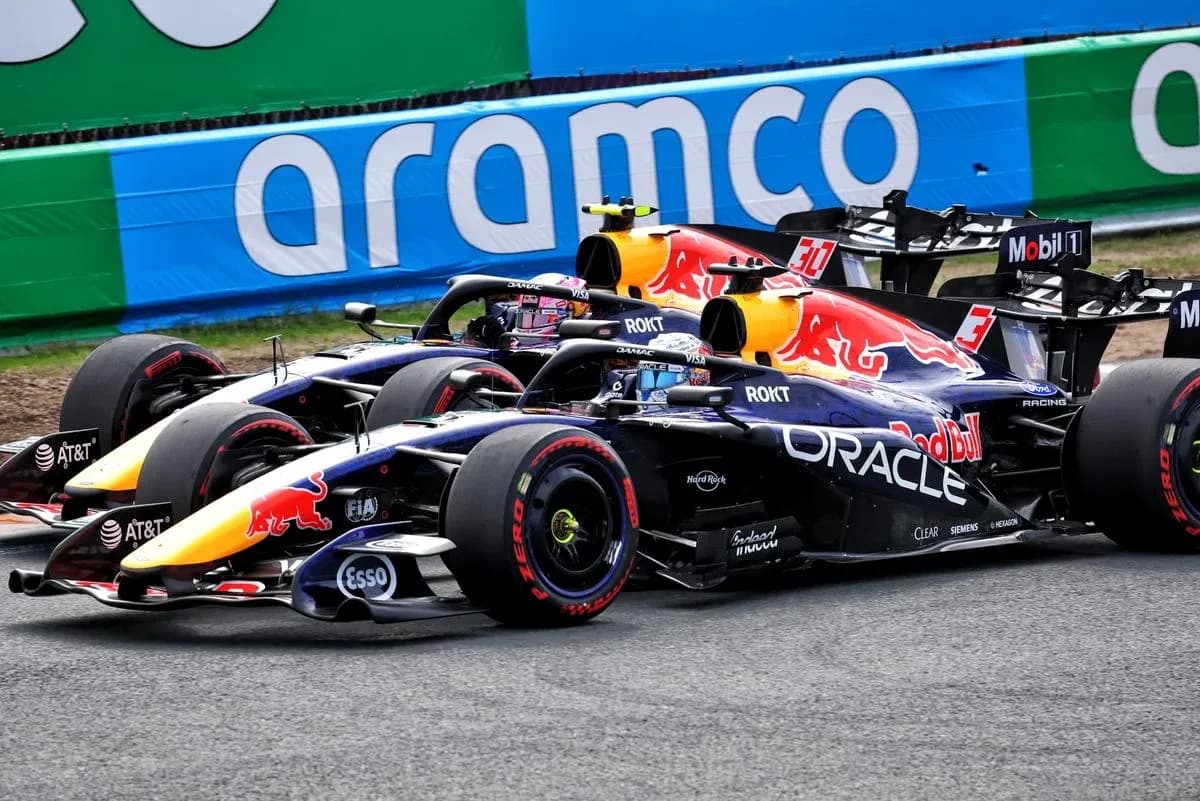
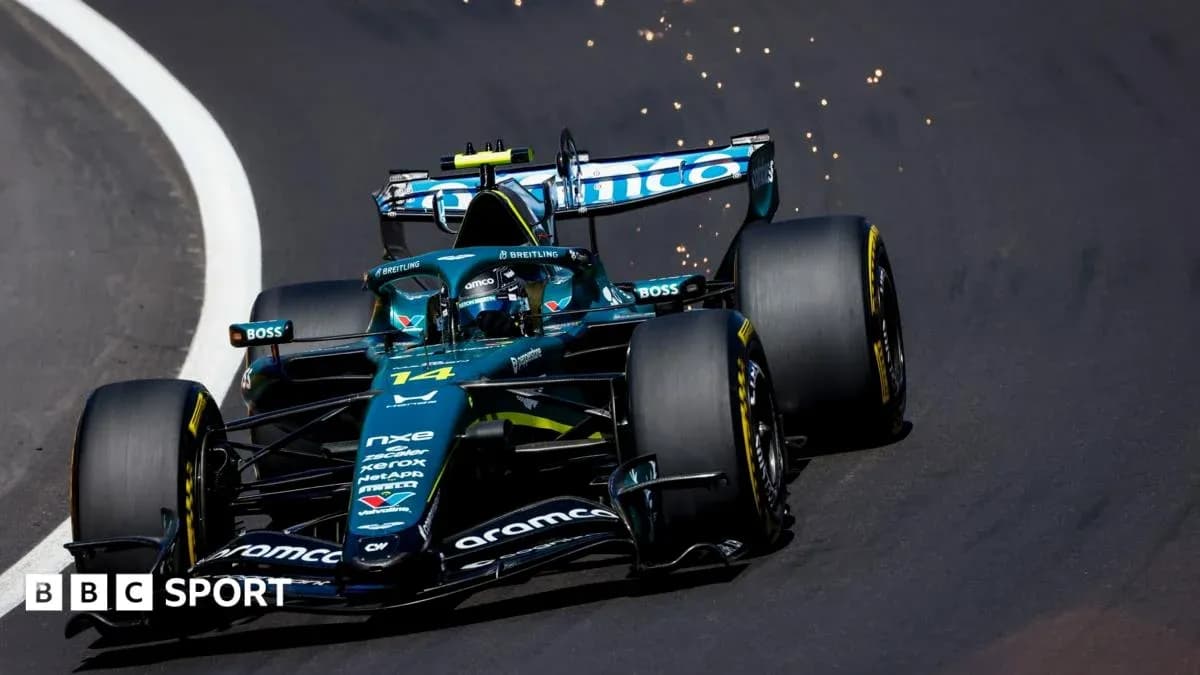
This is the company that powered Red Bull and Max Verstappen to four consecutive world titles between 2021 and 2024. Now it finds itself supplying an Aston Martin works team languishing 10th out of 11 in the constructors’ standings, with a solitary ninth place for Fernando Alonso at Zandvoort the meagre highlight of the campaign so far.
That gap between past glory and present reality has forced a change.
Fukao steps up, Kakuda steps aside
On Monday, Honda announced that Yoichiro Fukao, previously the deputy leader of the F1 power-unit project, has been promoted to Large Project Leader of the programme.
He replaces Tetsushi Kakuda, who had been overseeing power-unit development this season.
Honda framed the move as part of a longer-term succession plan rather than a panic reaction. In a statement, the manufacturer described the reshuffle as “a planned transition designed to ensure the reliable transfer of technical expertise to the next generation of engineers,” tying the timing directly to the looming 2026 regulation overhaul and further expected changes from 2027.
The aim is clear: lock in a structure now that can deliver a “highly competitive PU” when the next rules cycle begins.
The timing, though, tells its own story. The pressure has been building.
Small upgrade, big disappointment
Honda rolled out its first engine upgrade of the season at the Dutch Grand Prix. On paper, that should have marked the start of a climb back towards the sharp end.
Shintaro Orihara, Honda’s head of trackside operations, spoke of a “step forward in terms of performance on our metrics.” Inside the garage, though, the verdict has been harsher. The gain is understood to be modest, certainly smaller than Aston Martin had hoped for from a much-anticipated development step.
The numbers behind the frustration are stark. The Honda power unit is believed to be costing Aston Martin at least a second per lap when all the deficits are added together – from the internal combustion engine’s raw output to the way the hybrid system deploys and recovers energy.
In modern F1, that is not a gap. It is a chasm.
A 2026 problem hurting in 2025
The concern runs deeper than a single upgrade failing to live up to expectations.
From 2026, F1’s power units will lean heavily on electrical power, with an almost 50-50 split between the internal combustion engine and the hybrid system. Efficiency in energy recovery and deployment will decide who fights for titles and who fights to escape Q1.
Batteries will be constantly emptying and recharging multiple times a lap. Any weakness in that loop will be ruthlessly exposed.
Honda knows this. It has already conquered one turbo-hybrid era after a brutal early learning curve with McLaren. The fear in the paddock now is that the company risks falling behind again just as the sport pivots towards an even more demanding hybrid formula.
The leadership change is an attempt to get ahead of that risk, to hard-wire a more robust development framework before the new rules bite.
Alonso feeling the pain
For Alonso and Aston Martin, the consequences are immediate and painful.
At last weekend’s Spanish Grand Prix, the two-time world champion was knocked out in Q1, 2.2 seconds off the fastest time of the session. On a circuit he knows intimately, in front of a home crowd, he never had the machinery to threaten the front.
Aston Martin’s chassis and aero package are not blameless, but the engine shortfall is a central part of the story. When the stopwatch shows a full second or more missing from the power unit side alone, the margin for the rest of the car to compensate all but disappears.
This is not what Aston Martin signed up for when it committed to Honda as its works partner for 2026 and beyond. It is not what Honda expected either, fresh from a title-winning run with Red Bull.
So the manufacturer has made its move. Fukao steps into the spotlight with a clear mandate: close the gap, fast, and build an architecture that can survive the next regulation storm.
The titles with Verstappen are already in the history books. The question now is whether Honda’s next chapter with Aston Martin will read like a sequel – or a cautionary tale about how quickly F1 can turn on even its most recent champions.