Lewis Hamilton's Struggles at Monza: Ferrari's Team Dynamics in Question
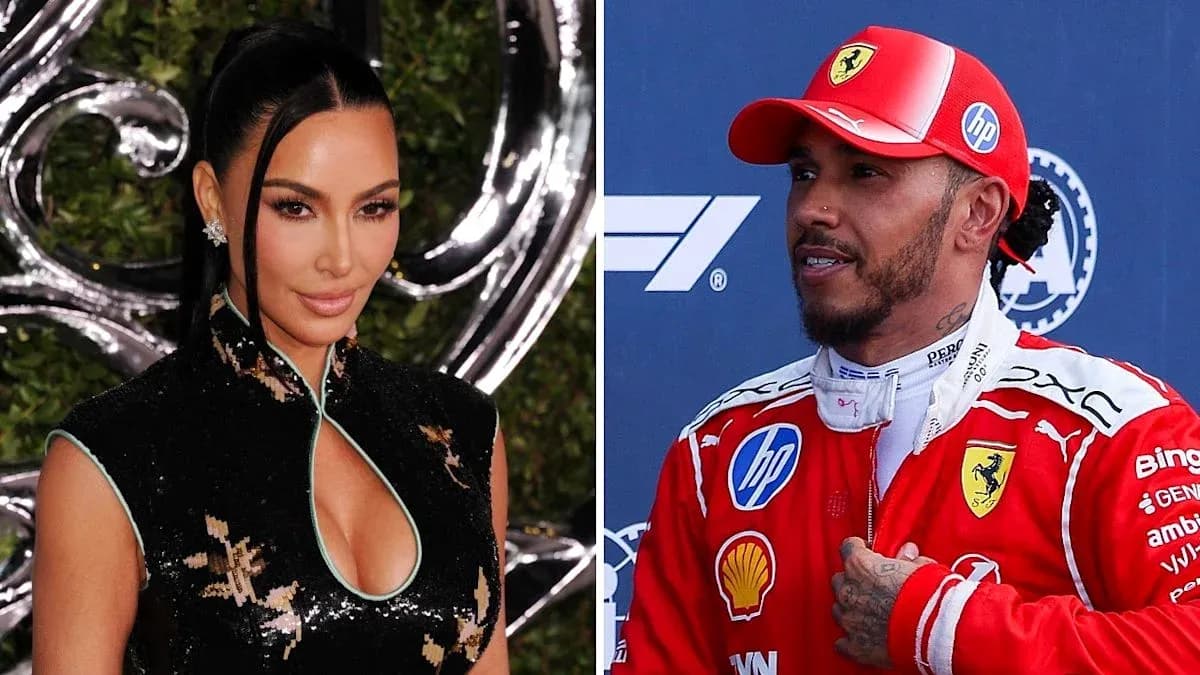
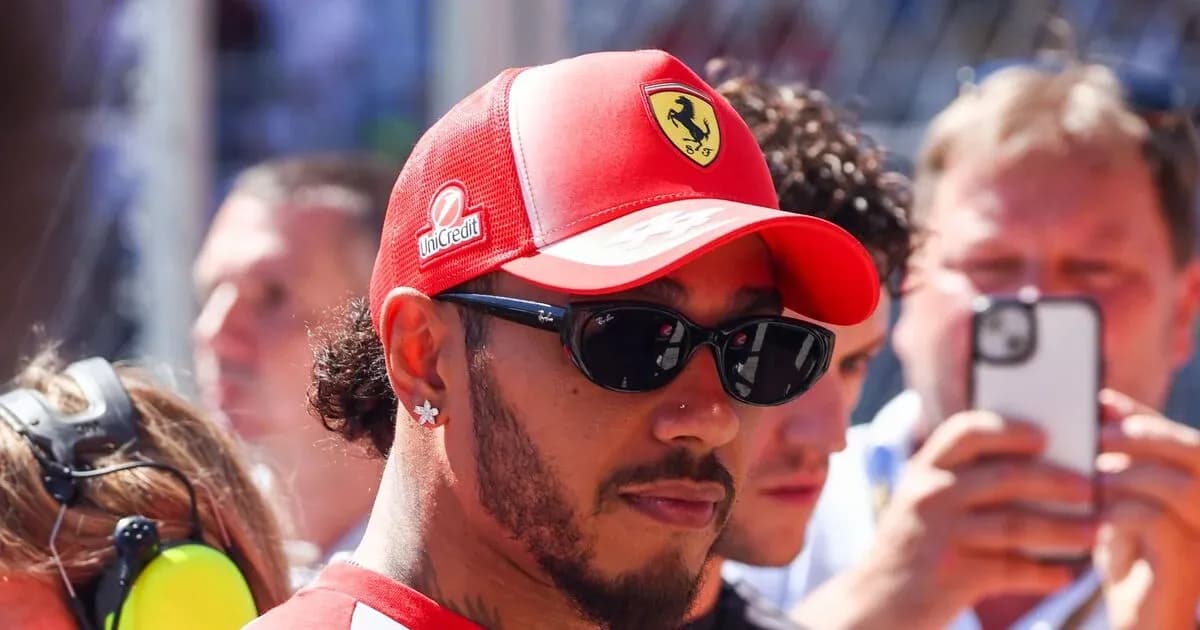
Lewis Hamilton cut a resigned figure at Monza, admitting it is “far too late” for Ferrari to swing their weight behind him in the title chase after a bruising home Grand Prix that exposed both internal tension and a widening gap to Mercedes.
The seven-time world champion arrived level on points with George Russell in the standings. He left with a sixth-place finish, a 10-point deficit to his former team-mate, and a championship mountain that now looks close to insurmountable.
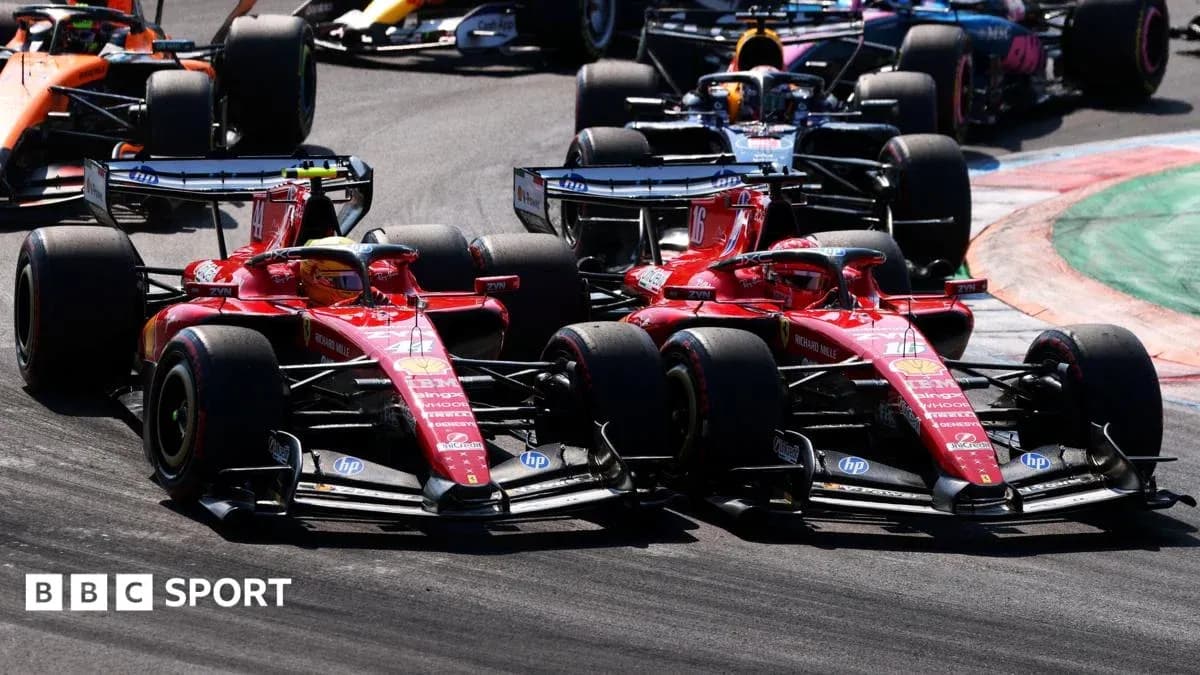
Wheel-to-wheel, then off the road
The drama started almost immediately.
Hamilton launched from fourth, Charles Leclerc from third. Into the first chicane, the Ferrari pair went side by side, Hamilton on the outside, Leclerc fighting for the inside line. On the exit, as the cars snapped back to the right, Hamilton was squeezed onto the grass and shuffled down to 10th.
Leclerc’s race didn’t last much longer. Pushing hard at the Parabolica, he lost control and slammed into the barriers at high speed, triggering a red flag and leaving Hamilton as Ferrari’s only realistic hope of salvaging a podium on home soil.
That hope never truly materialised.
Once the race restarted, Mercedes took control. Russell and his team-mate delivered a commanding one-two, while Hamilton hovered on the fringes of the lead group without ever properly threatening. The Ferrari never looked like it had the pace – or the strategy – to take the fight to the Silver Arrows.
“I think from today, we've just lost so much ground to [Mercedes] on points,” Hamilton said afterwards. “It's far too late for those decisions to come. It's too late. All I can do is just try and turn up. I'll get up tomorrow morning and I'll give it my best.”
The numbers tell the story. Hamilton now trails Russell by 10 points and sits a daunting 76 behind championship leader and Monza winner Antonelli.
“It's never over until it's over,” he added. “I don't know how many points it is now, but I'm sure it's 60, 70. It's an amount that, with the pace that they have, it's a very, very difficult amount to close out.”
Old questions, new flashpoint
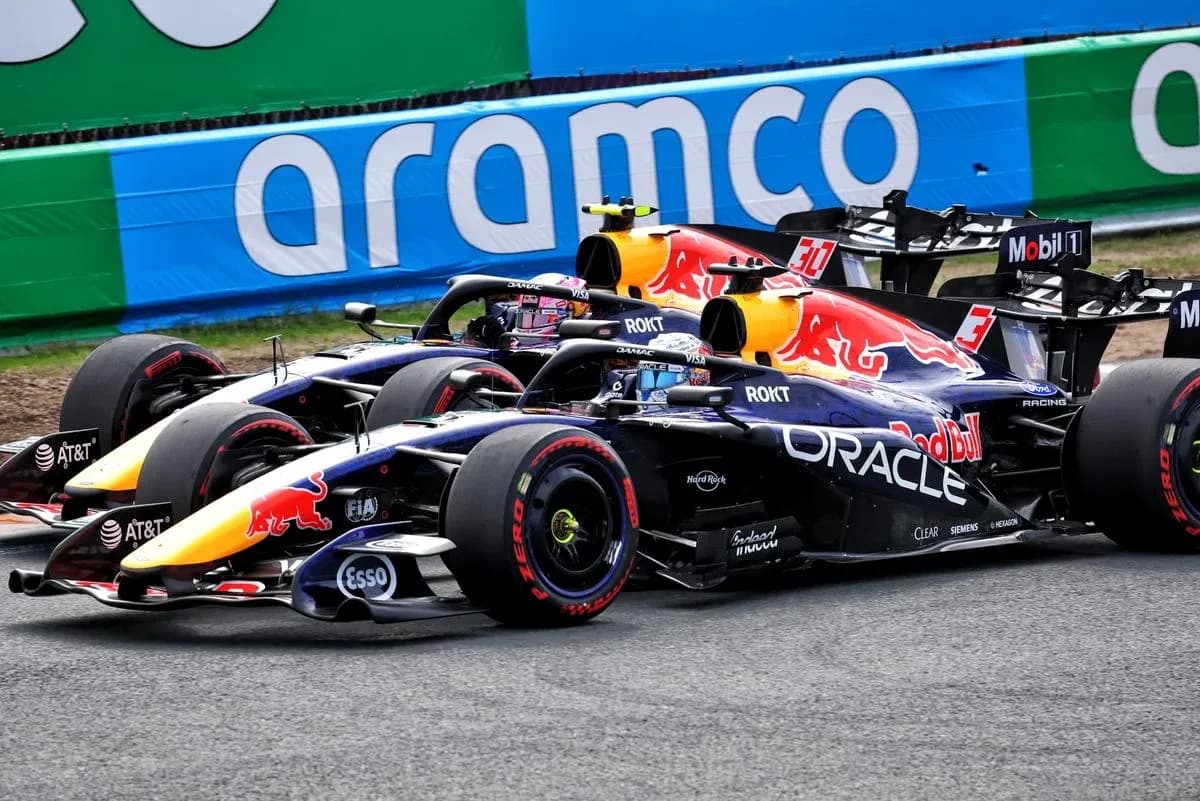
Ferrari have been here before this season. Team orders, priorities, and the uneasy balance between two elite drivers have hovered in the background for weeks. The Dutch Grand Prix at Zandvoort was the previous flashpoint.
There, Hamilton – on fresher tyres and clearly quicker – felt Ferrari waited too long to move Leclerc aside while the Monegasque ran third on a different strategy. When Leclerc finally pitted, Hamilton’s frustration spilled over on team radio: “Great way of wasting time, good job.” He later apologised, but the irritation lingered.
Monza has now turned that simmer into something far more visible.
Leclerc, speaking after his heavy crash, acknowledged how fine the margins had been between the two Ferraris at the start.
He described the first-lap fight as “way too close into turn one” and said he did not know if there had been contact, explaining he had been “quite a lot on the inside kerb” and failed to make the corner tight enough. “I only saw in the mirrors what happened, which is never what you want between two cars of the same team,” he said.
Hamilton’s view was sharper.
“I was ahead in turn two by the ethics, I was ahead,” he insisted. “There was no ‘we’ in it.”
Asked whether Ferrari fans should fear that the relationship with Leclerc could slide into a full-blown feud, Hamilton pushed back.
“Look, I don't race dirty. I've always raced clean and fairly and always left space. So I don't think they should be worried about me,” he said. “I've come into the team and tried to be respectful of space and definitely not put the team in jeopardy. I stand by that and that's all I can talk about.”
Ferrari caught between principle and pragmatism
Team principal Frederic Vasseur did not hide his displeasure at seeing his two cars so close to disaster on lap one.
The clash, he admitted, was “not good”. But he also pointed out that every front-running team has to navigate similar internal tensions when both drivers believe they have a claim to lead the charge.
Vasseur resisted the idea that Ferrari should already have thrown their full support behind Hamilton before Monza, drawing a comparison with last season.
He referenced how Oscar Piastri led McLaren at a similar stage of the previous campaign and argued that even if McLaren had put everything behind the Australian, Max Verstappen would still have cruised to the title for Red Bull. For Vasseur, that underlined the risk of committing too early.
“For sure, at one stage you have to make a decision,” he said, “but I think it was too early to make a decision before Monza. Now we have time to discuss with the guys.”
Time, though, is exactly what Hamilton believes he no longer has in the championship context.
“We’ve got to change things”
Hamilton’s criticism stretched beyond the first-lap fight. His wider message was clear: Ferrari’s processes, especially in communication and decision-making, must evolve if they are to stop leaving points on the table.
“If we continue to travel the same path, we get the same result,” he said. “And it's like we keep getting the same result. We've got to change things because it's not helping us to move forward. I think they're receptive to it and we'll take it offline.”
That line cut to the heart of Ferrari’s dilemma. The car is quick enough to live in the podium conversation most weekends, yet Mercedes are now converting opportunities with ruthless efficiency while Ferrari too often find themselves talking about what might have been.
Hamilton did not call publicly for outright number-one status. He simply underlined the reality: with Antonelli stretching away and Mercedes now clear in race trim, any delay in choosing a lead driver – or in cleaning up wheel-to-wheel rules between team-mates – only makes his own late-season charge even more remote.
Monza, the stage Ferrari cherish above all others, was meant to be a springboard. Instead, it turned into a mirror, reflecting back all the cracks Hamilton has been hinting at for weeks.
The question now is not whether Ferrari will talk. It is how quickly those conversations turn into hard decisions – and whether they come in time to stop this season sliding from frustration into acceptance.