Lewis Hamilton's Frustration at Ferrari After Monza
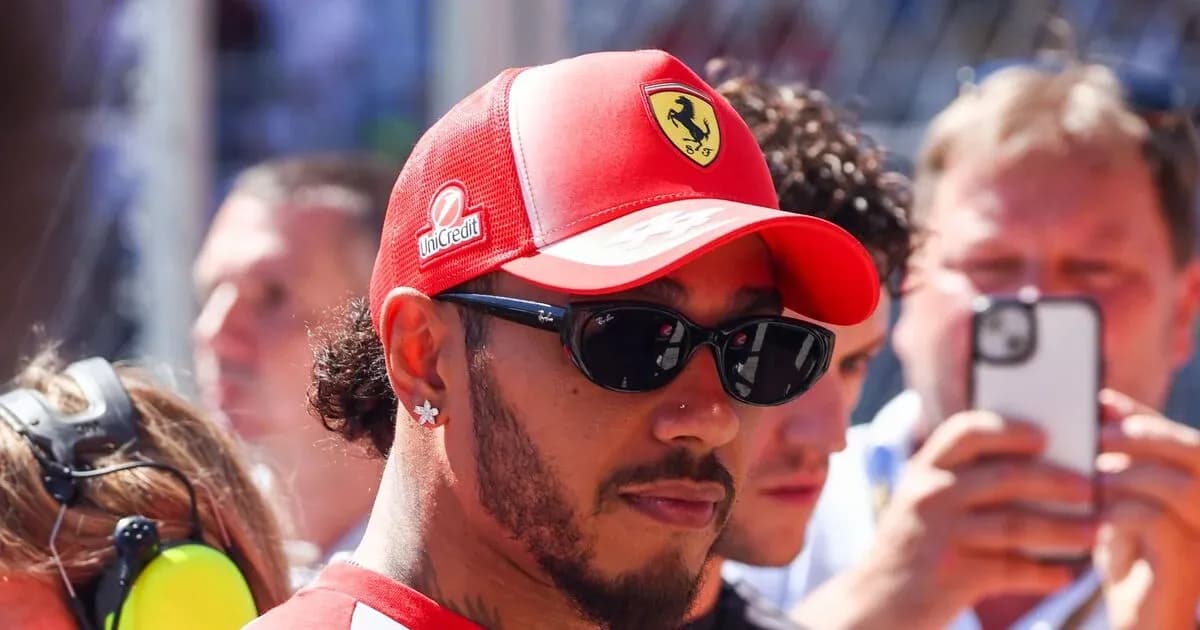
Lewis Hamilton left Monza with points, but no patience.
A bruising Italian Grand Prix, shaped within seconds of the start and soured by what he sees as a vacuum of team rules at Ferrari, ended with the seven-time champion firing a rare public shot at his new employers and their handling of wheel-to-wheel combat and race operations.
Turn 1 flashpoint ignites simmering tension
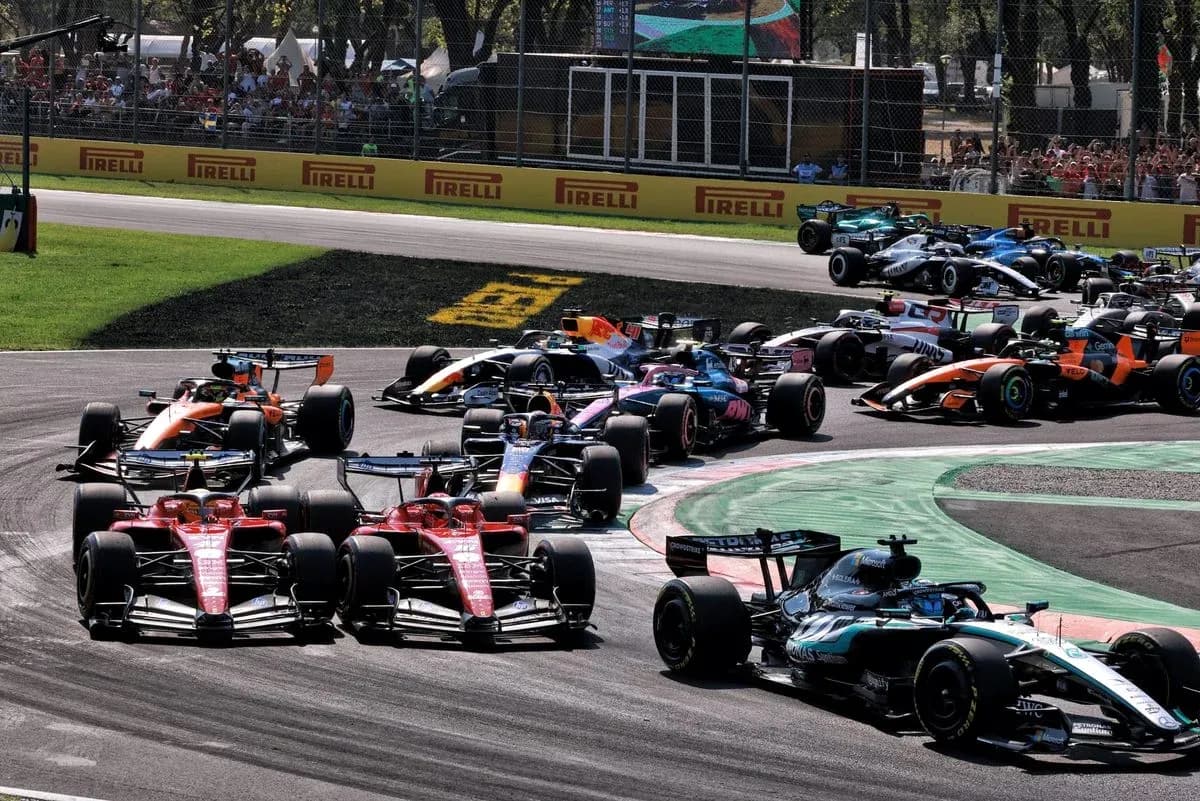
The race – and the mood – turned at the very first chicane.
Hamilton lunged down the inside into Variante del Rettifilo, a bold but committed move that left him, by his account, ahead into Turn 2. Charles Leclerc, determined not to cede track position in front of the Tifosi, tried to hang on around the outside and then squeeze back across through the second part of the corner.
The squeeze sent Hamilton skating into the gravel on exit. The #44 Ferrari dropped down the order, his race instantly compromised.
Leclerc later suggested shared blame, even hinting Hamilton bore the greater responsibility. Hamilton’s reply cut through that narrative in one line.
“I was ahead in Turn 2. By the apex, I was ahead. So there was no ‘we’ in it.”
For Leclerc, the incident preceded a bigger disaster. His crash on lap two brought out the red flag, ended his home race, and framed the rest of Hamilton’s afternoon around damage limitation rather than opportunity.
Strategy missteps and a title bid left exposed
When the race eventually settled, Hamilton’s Sunday became a grind. Sixth at the flag, on used medium tyres, told only part of the story.
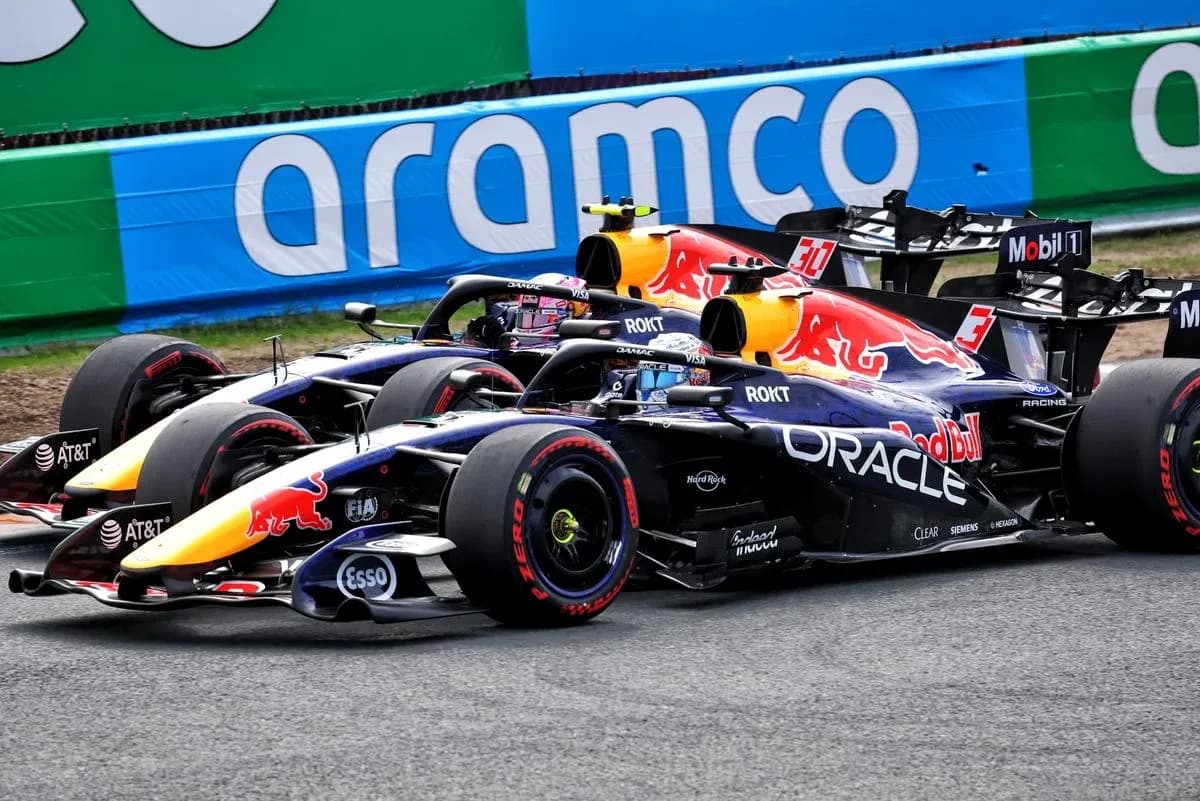
Ferrari chose not to pit him under the virtual safety car triggered by Lance Stroll’s hydraulic failure. Kimi Antonelli and Max Verstappen did, taking what looked like a “free” stop ahead of him. The VSC ended just seconds after they rejoined, making the call marginal on paper – but Hamilton knew that even marginal chances matter in a title fight.
Ferrari also had another lifeline: the red flag from Leclerc’s crash. They could have bolted on a harder tyre for Hamilton and reset his race. They didn’t.
By the finish, he trailed Verstappen by 10 seconds, having been around six to seven seconds behind before the VSC. Team principal Fred Vasseur argued that pitting would have dropped Hamilton behind Yuki Tsunoda and Pierre Gasly and risked him getting stuck. On first glance, the traffic picture looked kinder than that, but the decision was made, and Hamilton was left to nurse worn rubber to the line.
The frustration ran deeper than one strategy call. Hamilton pointed to a pattern.
“Yesterday I said we’ve got to look at just how we communicate because if we continue to travel the same path, we get the same result. It’s like, we keep getting the same result. We’ve got to change things because this is not helping us move forwards.”
His annoyance had already flared on Saturday, when a Q2 run plan on Leclerc’s side of the garage interfered with his own qualifying preparation. For a driver chasing a title, those are not small details.
“Here there are no rules”
If the gravel excursion at Turn 1 lit the fuse, Ferrari’s internal framework – or lack of it – became the real target.
Asked whether Ferrari fans should fear a team-mate feud, Hamilton drew a sharp line between his own approach and what he feels is missing.
“Look, you know, I don’t race dirty. I’ve always raced clean and fairly and always left space. So I don’t think they should be worried about me.
“I’ve come into the team and tried to be respectful of space – and definitely not put the team in jeopardy. I stand by that and that’s all I can talk about, on my side. You have to speak to Fred about the other side.”
Then came the most telling comparison. At Mercedes, Hamilton said, there were clear, written “rules of engagement” for how team-mates raced each other. It didn’t stop flashpoints – his history with Nico Rosberg proves that – but it set boundaries.
“I think it comes down to rules of engagement. When I was at Mercedes, we had a written rule of engagement. We never really, really had too bad. There was a moment maybe with me and Nico a couple of times. But more often than not it was good, I mean, especially with Valtteri…
“Here there are no rules.”
In a team still trying to knit together a coherent title push, that line will sting.
Hamilton pushes back, but spares the factory
Hamilton spoke to the written media for an unusually long time after the race. He bristled at any suggestion of a deeper “cultural” problem at Ferrari, refusing to be drawn into that narrative.
“I know what you guys are trying to do! I don’t want to get into arguing and fighting about my team,” he said. “At the end of the day, I’m trying my hardest to make this team and help this team get to where it needs to be.”
He didn’t shield the operation from criticism – “Yes, we didn’t get it right today. It isn’t good enough” – but he pointedly defended the people behind the scenes, stressing their effort and the pain of a bad day.
The structural issue, he suggested, sits higher up.
“Ultimately it comes from the top. It trickles down decisions – and so, it starts with Fred.”
Hamilton made it clear he has been pushing hard internally. There is, he implied, only so much shouting from the “mountaintop” a driver can do before the organisation itself has to change.
He expects those conversations to intensify after the next race, when Ferrari can take a breath and examine “how we can procedurally do things different so the same thing can’t keep happening.”
Vasseur holds the line – for now
Vasseur, for his part, chose not to fan the flames. He said he had not yet gone through the start incident in detail with Leclerc and had only spoken to Hamilton “for two seconds”.
“I prefer to discuss with them first than with you first,” he told reporters when pressed for his view.
On strategy, he defended the VSC call with the Verstappen gap argument and the fear of dropping Hamilton into traffic behind Tsunoda and Gasly. On the bigger question – whether Ferrari should now tilt decisively towards Hamilton’s title bid – he reached for a comparison.
He pointed to last season, when Oscar Piastri led McLaren at this stage. Had McLaren thrown everything behind Piastri, he argued, Verstappen would still have walked away with the championship. The implication was clear: overcommitting too early can be pointless.
“But for sure, at one stage, you have to take a decision. But I think it was too early to take a decision before Monza. Now we have time to discuss with the guys.”
Time is exactly what Hamilton doesn’t have in the standings.
He sits 76 points behind championship leader Kimi Antonelli. Leclerc is 112 adrift. There are 258 points left on the table. The window for hesitation is closing fast.
Hamilton’s own verdict on the timing of Ferrari’s support for his title push was blunt.
“It’s far too late for that, for those decisions to come. It’s many, many weeks too late. So, all I can do is just try and turn up.”
A team at a crossroads
Monza should have been Ferrari’s celebration, a statement weekend at home with two star drivers and a car capable of banking big points. Instead, it exposed fault lines.
A first-corner clash between team-mates. A title contender left off the optimal strategy. A champion calling out “no rules” in public and pointing straight at the top of the structure.
Ferrari and Vasseur insist the real conversations will happen behind closed doors. They will need to be honest ones. Because if Hamilton is to haul down Antonelli in the final stretch of this season, Ferrari can’t just give him a quick car.
They’ll have to give him something he clearly doesn’t believe he has yet: a team with rules, clarity, and the courage to use both.