Haas Team Principal Ayao Komatsu on Driver Line-Up and Car Performance
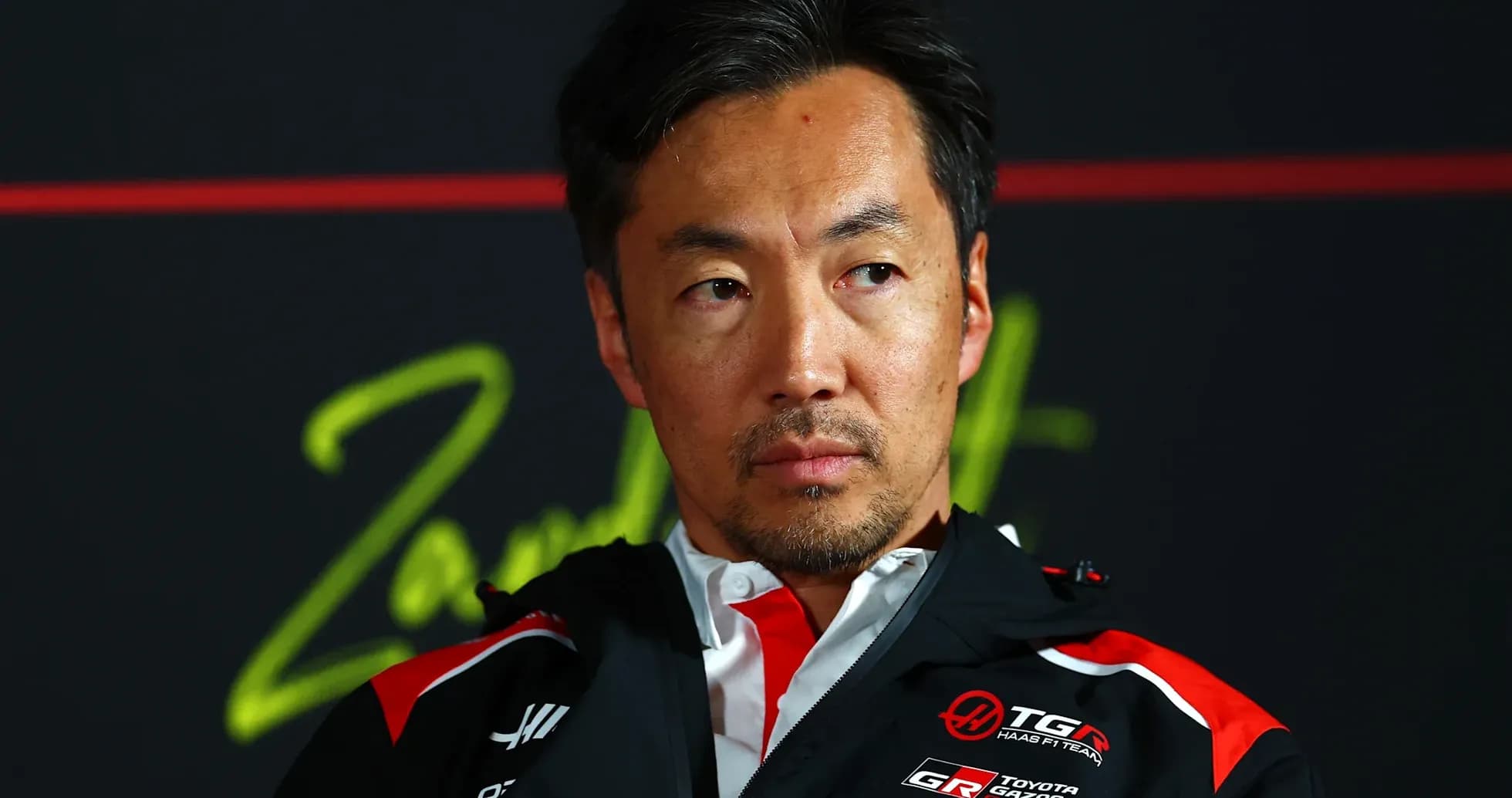
Ayao Komatsu isn’t panicking. He can see the standings, he knows the questions are coming about 2027 and about his drivers, but the Haas Team Principal is refusing to be dragged into a rushed decision while the team is still fighting to understand its car.
For now, the message is simple: protect Ollie Bearman and Esteban Ocon, and try to give them something worthy of their talent.
Drivers on hold, pressure rising
Haas have slipped into one of those grim Formula 1 spirals where early-season promise fades into a long, joyless slog. Bearman’s superb P5 at the Chinese Grand Prix felt like the start of something. Instead, it has become an outlier.
Since then, the team have gone six races without a point. The midfield has surged past them. Racing Bulls and Alpine, once within reach, have disappeared up the road as the development race has exposed Haas’s limits.
Against that backdrop, the driver market noise grows louder. Neither seat is confirmed for 2027. Inside the paddock, the expectation is that Bearman is more likely to stay than Ocon, with the likes of Rafael Camara and Yuki Tsunoda hovering in the background, waiting for a gap to open.
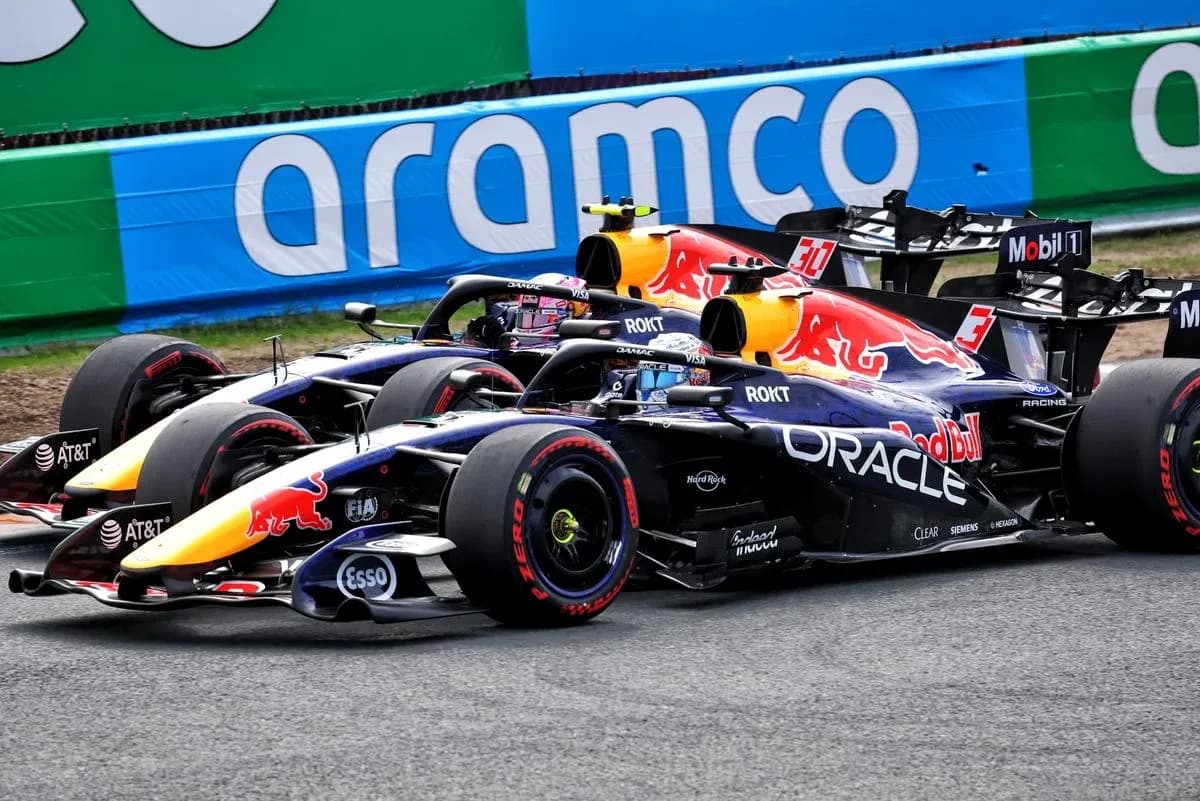
Komatsu, though, refused to bite when pressed before the Dutch Grand Prix – a weekend that ended in a bruising double DNF.
“We’re not in any rush,” he said. “We’re focused on our two drivers, Ollie and Esteban, trying to get the best out of them.”
That’s the crux of it. Haas know what they have. Bearman has already shown flashes of something special; Ocon, when comfortable in the car, is a proven points scorer and race winner in the right machinery. The problem is not the names on the overalls. It’s what they’re being given to drive.
Bearman leads, but numbers don’t tell the full story
On paper, Bearman is winning the internal battle by a distance: 18 points to Ocon’s three. For a rookie, that looks like a statement.
Yet even Bearman has been quick to play down the gap. He has hinted that the points table doesn’t quite reflect the true fight between them, pointing to “inconsistency” in the parts and specification between the two cars over the season.
Komatsu hasn’t hidden from the reality. Haas, the smallest team on the grid, have been exposed by what he calls “the biggest regulation change ever”. The scale of the 2026 rules shift has magnified every weakness in resource and infrastructure.
“We started the season extremely well, much better than anyone can think of,” he admitted. “And then from that moment I think that’s the reality. With our constraints, we’re trying to develop the car as fast as possible, but the other guys are putting performance on the car faster than us. That’s the reality.”
The result is a familiar Haas storyline: a car that begins the year sharper than expected, then slowly drifts backwards as the months roll on and rivals stack upgrade upon upgrade.
A team stretched, but not fractured
Komatsu is careful to shield his staff. He insists the problem is not effort or attitude inside the factory and garage.
“It’s nothing against the guys in the team – they’re doing a fantastic job, they’re working together,” he said. For Haas to keep up, he argues, everything has to be perfect. Every upgrade, every correlation, every operational detail. And life, as he bluntly puts it, does not allow perfection on demand.
So the emphasis shifts to environment. Komatsu talks about needing to “provide them with a better environment, facilitate it, so that they can show what they’re capable of.” That applies to the engineers as much as it does to Bearman and Ocon.
There is no blame culture, he stresses. Instead, there is a methodical dissection of what has gone wrong: where the downforce is missing, why drivability has suffered, what specifically the drivers are wrestling with in the cockpit. The team, he says, is aligned on the problems and united in trying to fix them.
But alignment doesn’t equal instant lap time. The upgrades and structural changes they are putting in place will take time to bear fruit. Time that, on current form, the team can feel slipping away with every point-less Sunday.
Belief versus the clock
Komatsu’s stance on the driver line-up makes more sense in that light. Locking in 2027 now does nothing to solve the immediate crisis of performance. The priority, in his eyes, is to give Bearman and Ocon a car that allows a fair judgment.
So Haas wait. They work. They talk about belief, teamwork, and riding out tough periods as they have “the last two years”. The rhetoric is familiar in Formula 1, but the stakes are real. If the upgrades don’t land, if the gap to the midfield hardens into a new normal, the questions about the future – of the drivers, of the project itself – will only grow sharper.
For the moment, Haas are betting that character, cohesion, and a patient call on their driver line-up will be enough to keep them in the fight.
Sooner rather than later, the stopwatch will decide whether that faith was justified.