Formula One 2027: Expanded Calendar with New Sprint Races
Formula One rips up the recent script in 2027, loading the calendar with more racing, more travel, and more jeopardy.
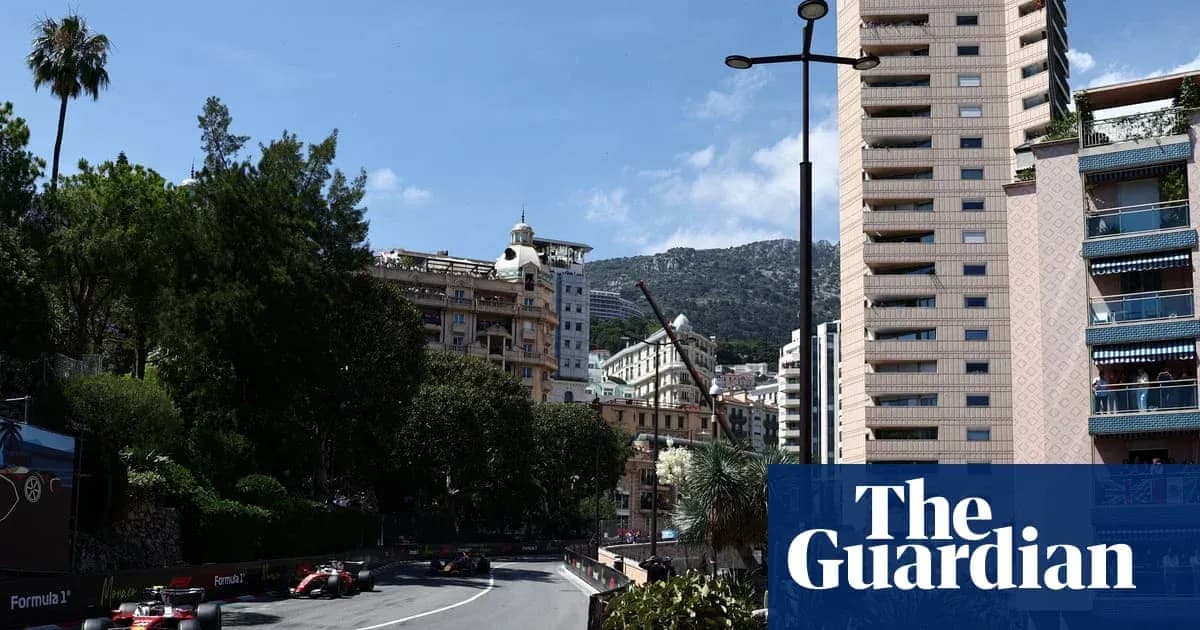
The headline change: sprint races jump from six to 10, with Monaco – the sport’s most traditional stage – now hosting a short-form shootout for the first time. Portugal and Turkey return, Barcelona drops out for a year, and Zandvoort disappears altogether.
This is not a gentle tweak. It’s a statement.
A 24‑race marathon, bookended by Bahrain and Abu Dhabi
The 2027 season will again stretch to 24 grands prix. It begins in Bahrain on 14 March and ends in Abu Dhabi on 12 December, with all four Middle Eastern rounds staying in their familiar calendar slots.
Bahrain also steps into the sprint spotlight, one of five new venues for the format alongside Australia, Japan, Monaco and Abu Dhabi. The short Saturday races also return to Montreal, Silverstone, Monza, São Paulo and Lusail, completing a 10‑event sprint roster that F1 insists fans have embraced.
Silverstone’s British Grand Prix lands on the weekend of 2‑4 July, right in the heart of the European summer, a date that will please both the home crowd and the broadcasters who love a packed mid-season.
Portugal and Turkey back on the map
The calendar’s middle section carries a strong sense of déjà vu from the pandemic years. Portimão returns on 20 June, its sweeping Algarve layout back in play after last hosting F1 in 2021. The circuit earned plenty of admirers during its brief cameo; now it gets another shot in a “normal” season.
Istanbul Park also reappears, scheduled for 3 October. The Turkish venue, famous for its punishing Turn 8 and its 2005–2011 stint as a regular host, last featured in 2021 when Covid reshuffled the deck. This time, it returns as part of a planned, permanent-looking run, not an emergency stand-in.
Barcelona steps aside, Zandvoort bows out
The price of expansion is always paid somewhere. For 2027, that bill lands hardest in Spain and the Netherlands.
Barcelona drops off the calendar entirely, as had been trailed, as it begins an alternating arrangement with Spa. The Belgian Grand Prix survives, but only as part of a rotation that will see the two circuits share a slot year-on, year-off.
Zandvoort, meanwhile, has already had its farewell. The Dutch Grand Prix, revived with such fanfare for Max Verstappen’s homecoming, was held for the last time this year. In a sport that rarely stands still, even popular races can find themselves squeezed out.
Triple‑headers and a softer landing from Vegas
The logistics remain brutal. F1 has pencilled in three triple‑headers for 2027.
The first comes in April, a long-haul run through Australia, Japan and China. Later in the year, Azerbaijan, Turkey and Singapore form a September–October block, before the Americas take over with the US, Mexico and Brazil stacked across October and November.
Teams have complained for years about the physical and mental toll of such sequences. Those concerns did, however, shape one notable change: Las Vegas finally steps away from its punishing back‑to‑back slot with Qatar and Abu Dhabi. The neon night race will now be followed by a one‑week gap before the season heads to the Gulf, easing what had become an unpopular, gruelling finale.
Middle East uncertainty lingers in the background
For now, F1 insists the current season’s schedule remains intact, with Qatar and Abu Dhabi still set to close out the championship. That stance comes despite the disruption earlier this year, when the Bahrain and Saudi Arabian grands prix were called off because of the war in the Middle East.
Bahrain’s race for this season has already been relocated to Malaysia in October, a reminder that even the most polished calendar can shift quickly.
Officially, there is no contingency plan on the table for 2027’s Middle Eastern events. Unofficially, the sport has been weighing alternatives. For this season, Imola is expected to host the finale in December if Qatar and Abu Dhabi fall away, a clear indication that F1 will move fast if it has to.
Domenicali leans into global boom
F1 CEO Stefano Domenicali framed the 2027 calendar as proof of a sport still on the rise.
“Formula One continues to go from strength-to-strength, attracting new audiences around the globe,” he said, pointing to a line‑up that stretches from traditional bastions such as Silverstone and Monza to newer powerhouses like Las Vegas and Lusail.
Week after week, he argued, the “world’s greatest drivers” will fight on “some of the most challenging tracks in motor sport”, backed by “outstanding teams, world-class manufacturers, and global partners”.
The message is clear: more races, more formats, more markets. The question is whether the teams, the drivers – and eventually the fans – can keep up with a championship that shows no sign of easing off the throttle.