Formula 1 Expands Sprint Races to 10 Events in 2027
Formula 1 will lean even harder into its sprint experiment in 2027, expanding the format to 10 events and taking it to some of the sport’s most historic and glamorous venues.
The new calendar, formally unveiled with 24 grands prix across five continents, marks the boldest reshaping yet of a race weekend that traditionalists still eye with suspicion but promoters and broadcasters increasingly love.
Sprints go global – and hit Monaco
The headline change is clear: sprint races jump from a maximum of six to 10. For the first time, fans in Bahrain, Australia, Japan, Monaco, and Abu Dhabi will get the shortened Saturday race and an extra qualifying session on Friday.
Canada, Britain, Italy, Brazil, and Qatar retain their places as sprint hosts, giving the format a spread that runs from the Gulf to Suzuka, from Montreal’s island circuit to Interlagos.
The move is no small commercial play. Sprint weekends cost organisers more, yet they remain highly sought after. Three days of meaningful track action sell tickets. Silverstone is the proof: the British Grand Prix’s sprint this year coincided with the circuit’s highest ever attendance, with 64,000 more fans through the gates over four days than the previous, non-sprint year.
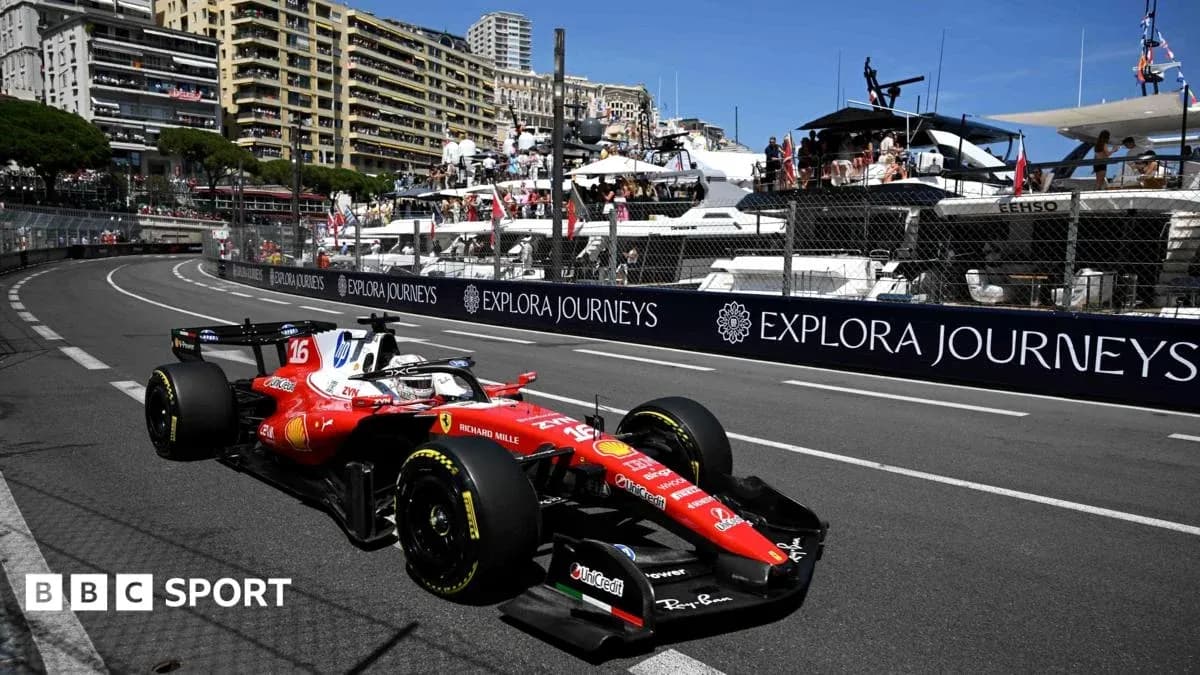
Monaco, though, is the lightning rod. A sprint around the tight, unforgiving streets will split opinion more than anywhere else.
Overtaking there is almost impossible. Everyone in the paddock knows that once the field funnels through Sainte Dévote and up the hill, the order is likely to set like concrete unless accidents or reliability shake things up. The risk is obvious: a processional sprint that simply locks in Sunday’s grid.
Formula 1 is selling a different angle. Two qualifying sessions at Monaco. Twice the tension, twice the jeopardy, twice the chance for a driver to thread the needle around one of the most demanding laps in motorsport. Two separate grid-setting sessions could also throw up mixed starting orders, injecting some unpredictability into a race that often relies on strategy and mistakes rather than overtakes for drama.
Bahrain on the edge, Middle East in doubt
On paper, the 2027 season opens in Bahrain on 12-14 March, with Saudi Arabia following a week later. In reality, both races sit under a cloud.
The ongoing conflict involving the US/Israel and Iran has already forced Formula 1 to think beyond the usual logistics and weather patterns. While the series intends to run the calendar as planned, it is actively working on contingency plans if racing in Qatar and Abu Dhabi at the end of the 2026 season becomes impossible, or if starting 2027 in the Middle East proves unworkable.
Bahrain remains the default curtain-raiser, yet Australia has stepped into that role for the last two years, largely because of the timing of Ramadan. That kind of flexibility may be needed again if the security situation does not stabilise. A summit of nations involved in or affected by the conflict has already called for “maximum restraint”, but Formula 1 cannot base a global schedule on hope alone.
The same uncertainty hangs over the start of next season. Alternative opening options are on the table if, by the end of this year, racing in the region still looks too risky.
Old favourites return: Portugal and Turkey
Amid the political tension and format debate, there is a nostalgic twist. Portugal and Turkey return to the calendar in 2027, back for the first time since they served as pandemic-era stand-ins.
Portimão’s rolling Algarve layout and Istanbul Park’s sweeping turns, including the famous Turn 8, both won fans and drivers over when they reappeared in 2020 and 2021. Their comeback now is framed not as an emergency fix but as part of a deliberate blend of “tradition, innovation and fan engagement”, as FIA president Mohammed Ben Sulayem put it.
For Formula 1, it is a neat narrative: a 24-race season that stretches from the Middle East to Europe, the Americas, and Asia, with a calendar that tries to respect history while chasing new audiences and formats.
Power brokers back the vision
The sport’s leadership is united behind the expansion.
F1 president and chief executive officer Stefano Domenicali hailed the return of Portugal and Turkey and the move to 10 sprints, promising “more intensity, drama, and the wheel-to-wheel action that make our sport so special”.
Ben Sulayem called the 2027 schedule “a strong reflection of the global appeal and continued growth of our sport”, pointing to the five-continent spread, the expanded sprint programme, and a commitment to “the highest sporting standards”.
Their message is clear: this is not an experiment on the fringes anymore. Sprint racing now sits at the heart of Formula 1’s long-term vision.
Testing, tension, and the next step
Pre-season testing will once again be anchored in Bahrain, pencilled in for 24-27 February. Teams will roll out their new cars under the desert floodlights, trying to decode not just performance but how best to attack a season where 10 race weekends come with an extra competitive session and a compressed learning curve.
For drivers, engineers, and strategists, the stakes rise. Less practice, more risk, more chances for a bad Friday to wreck a weekend – or for a brave call to transform it.
The calendar is set. The format is stretching at the seams. The only question now is whether the sport’s most daring schedule yet delivers the spectacle its architects promise, or exposes the limits of how far Formula 1 can push its own boundaries.