Ferrari's Monza Meltdown: Hamilton and Leclerc Clash Explored
Ferrari arrived at Monza with two superstar drivers on the second row, the soft tyres bolted on, and a golden chance to attack. They left with bruised egos, lost points and fresh questions about who, if anyone, is actually in charge.
Lewis Hamilton and Charles Leclerc lined up side by side behind George Russell and Pierre Gasly, both Ferrari drivers gambling on the softer compound for maximum bite off the line. The script wrote itself: launch well, gang up on the medium-shod cars ahead, and let the tifosi roar them into Turn 1.
Instead, the red cars turned on each other before they ever truly attacked the front.
A first chicane that told a bigger story
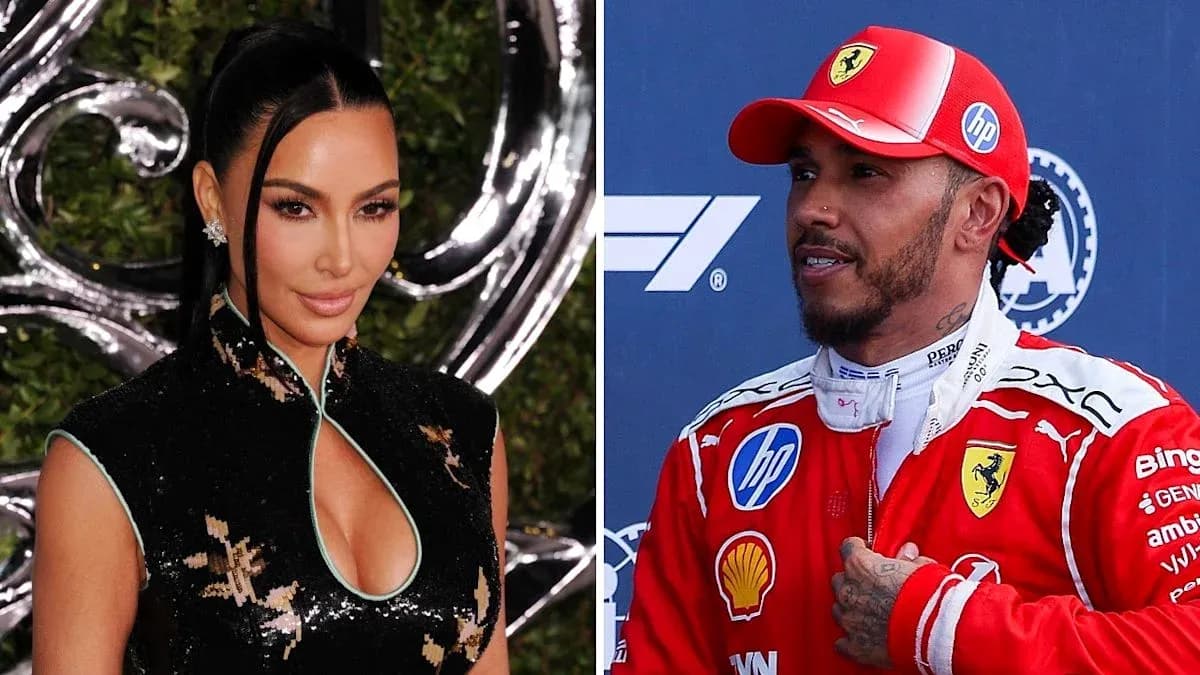
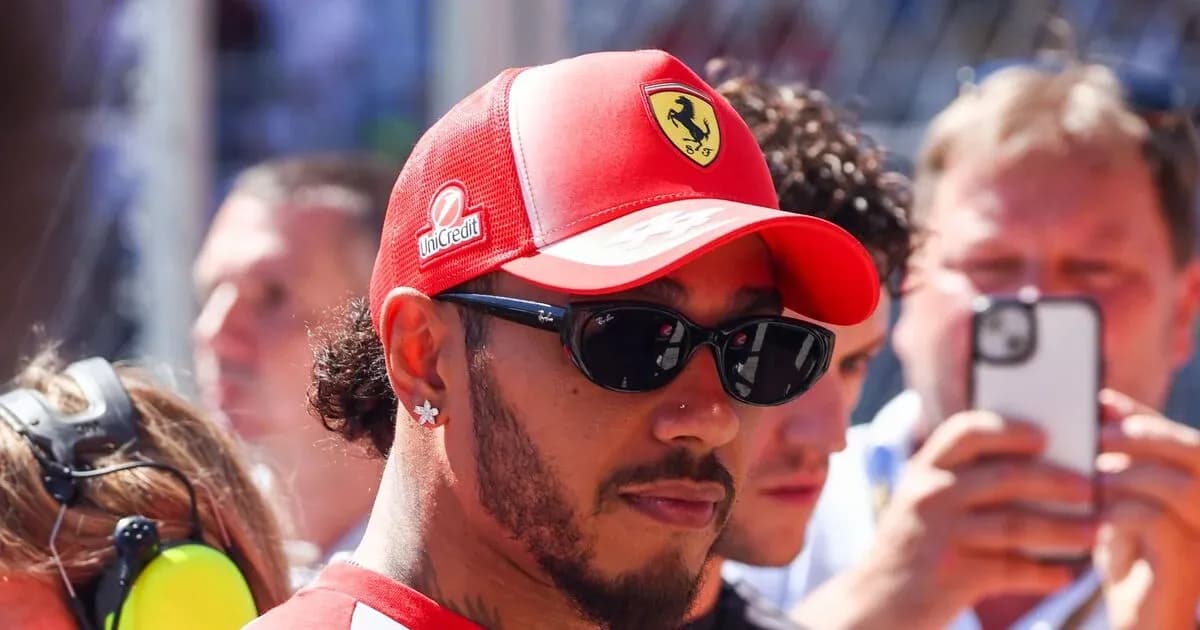
Into the Rettifilo chicane, Hamilton dived for the inside of Leclerc. Rather than working together to pressure Russell and Gasly, the Ferraris locked into an immediate civil war. The seven-time world champion and his younger teammate banged wheels, Hamilton was forced onto the dirt, and several cars streamed past.
Any hope of an early charge vanished in a cloud of dust and frustration.
Hamilton, furious on the radio, demanded clear rules of engagement with Leclerc, openly comparing the chaos to the strict protocols he once had at Mercedes. There, he said, the opening laps between teammates were governed. At Ferrari, they looked improvised.
Former Williams team manager and F1 analyst Peter Windsor did not sugar-coat his assessment.
“It’s all a result of Ferrari not having the discipline that they should have, that we’ve talked about endlessly,” he said in his post-race breakdown, pointing squarely at the team’s reluctance to lay down the law with two A-list drivers.
According to Windsor, the problem runs deeper than one clumsy clash.
“That’s arisen ever since you’ve got these two superstars in the cars and everybody on the pit wall at Ferrari is afraid to say to Lewis or to Charles, ‘This is what is going to happen at the first corner.’ They just won’t do it. What we saw was a classic example of no discipline in the team. I think Charles felt bad about it. I think Lewis felt very upset about it.”
Who owned the corner?
On the incident itself, Windsor drew a clear line. Leclerc, he felt, had the right to the corner at the initial phase.
As they braked into the chicane, Leclerc held a marginal advantage and, in Windsor’s view, could claim the racing line “in classic motor racing parlance.” Hamilton still threw his Mercedes up the inside and stayed committed as they reached the apex of the right-hander.
Then came the crunch.
Hamilton held his ground. Leclerc, Windsor argued, began to use more of the road as the pair snaked through the complex. With the space evaporating, Hamilton had to bail out over the dirt to avoid heavier contact, suffering a “bit of a bash” and dropping three or four positions.
“Lewis, of course, was livid and felt he had been pushed off. He technically had been pushed off, and there’s no doubt about it,” Windsor said.
The clash didn’t just cost Hamilton track position. It inflamed a simmering tension about how Ferrari manage – or fail to manage – their own drivers when the lights go out.
Leclerc’s brief recovery, brutal end
Leclerc initially appeared to escape the drama better than Hamilton. He climbed to second, restoring some order after the ragged opening exchanges. But the recovery was fragile.
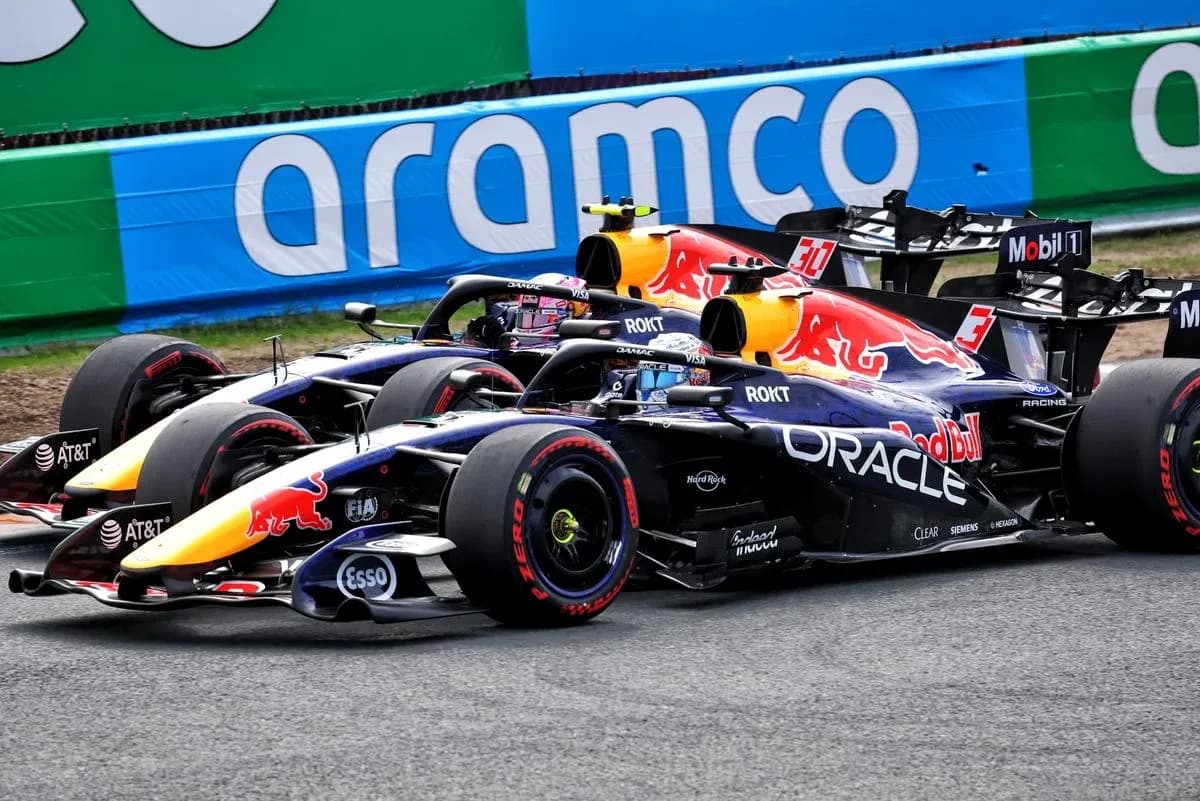
The Monegasque soon slipped back, losing out to Gasly and then Max Verstappen. Under pressure again later in the race, he found himself defending from Oscar Piastri through the Parabolica. This time, there was no escape. Leclerc crashed heavily, his race ending in the barriers at one of Monza’s most iconic corners.
Hamilton salvaged sixth at the flag, but that was scant consolation. The early contact had ruined any realistic shot at a podium and left him nursing what-ifs rather than trophies. In the championship picture, the damage was clear: he now trails Kimi Antonelli by 76 points.
A team afraid of its own stars
The numbers matter, but the optics may sting Ferrari even more. On a day when they had the tyres, the track position and the home crowd, they allowed their two marquee names to freelance the most critical corner of the race.
No firm pre-race instruction. No visible hierarchy. No clear code that would have prevented two red cars from tripping over each other before Turn 2.
Windsor’s verdict was blunt: this was not just a racing incident; it was a symptom. A team with “two superstars” and a pit wall too timid to dictate terms at the moment that counts most.
Monza has a way of exposing weakness. This time, it wasn’t the car. It was the control. And unless Ferrari find the courage to tell Hamilton and Leclerc exactly how to race each other, how many more points – and how many more championships – will slip through their fingers at the first corner?