Ed Cowan Sounds Warning on BBL Privatisation
Ed Cowan has sounded a clear warning to Australian cricket: be careful what you sell to stay in the game.
As the Big Bash League stares down the global T20 arms race, the former Test opener and current Cricket NSW board member believes the rush to privatise could do more damage than any rival competition.
Cowan urges calm as privatisation push gathers pace
Cricket Australia has already set the wheels in motion. Earlier this month it confirmed an opt-in model that lets state associations take their BBL clubs to market, with the option to sell stakes or even entire franchises to private investors.
The logic from head office is blunt: the world is moving, and the BBL must move with it.
Cowan isn’t convinced.
Speaking on the ABC Cricket Podcast, he argued fears of an imminent player exodus to richer T20 leagues are overstated and warned that selling off teams now risks losing control of the competition’s future.
He pointed to recent seasons as proof that the BBL can still pull weight without outside money.
“[In previous seasons] they've been able to reshape scheduling, to reshape international stars and the salary cap around that. We've seen already there's no friction to attracting some of the world's best players,” Cowan said.
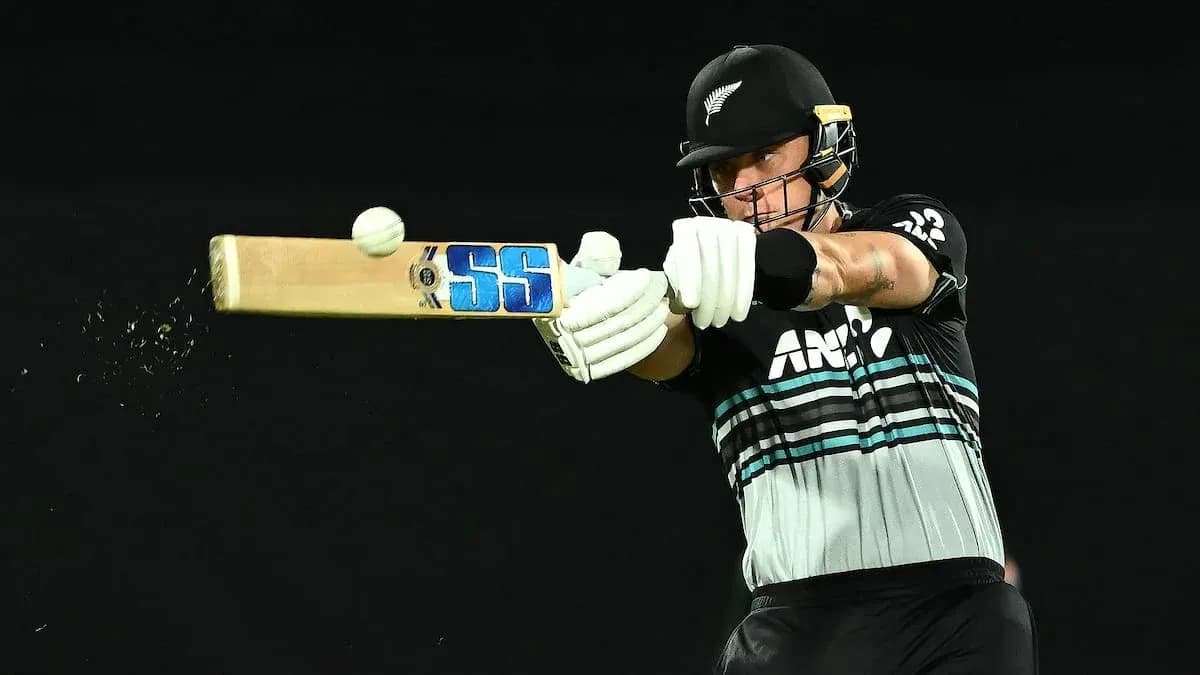
The evidence is there. Ben Stokes heading to Adelaide. Finn Allen signing what’s been described as a mega deal. The league, Cowan argued, is not yet being stripped bare by the South African SA20 or The Hundred in England.
“So the argument that is put forward is we're gonna lose players to the South African League. We haven't lost one yet,” he said.
His broader concern cuts deeper than one off-season tug-of-war.
“There’s a view that the business could be run more effectively, which would enable some time to work out whether you actually do need to sell your star assets or not.
“Because when you start burning the furniture to warm the house, it can spiral quickly out of control from there.”
BBL still attracting star power
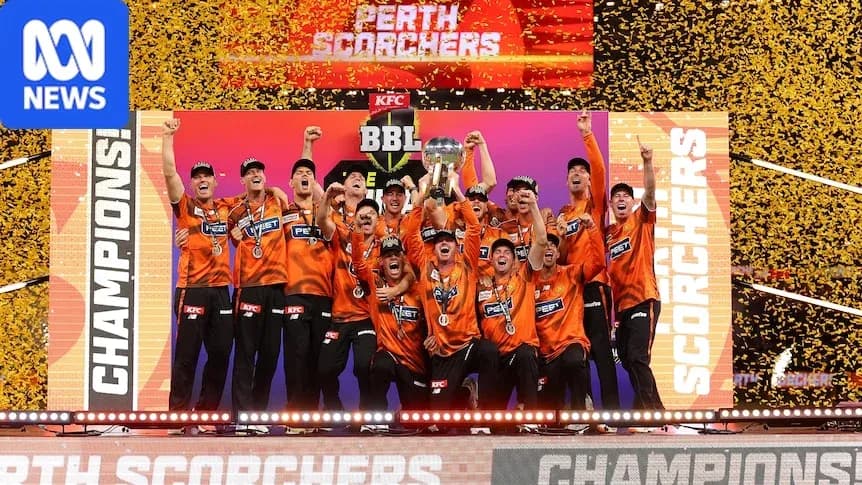
The BBL has already undergone major surgery. Schedules have been trimmed, windows tightened, and the result has been a sharper product that has started to win back viewers while luring serious talent.
In the 2025/26 season, fans watched Colin Munro, Chris Jordan, Muhammed Rizwan and Sam Billings light up the competition. When the Test summer loosened its grip, Steve Smith, Alex Carey and Mitchell Starc dropped in and added heavyweight star power.
Stack that against The Hundred, where Mitchell Marsh, Adam Zampa, Jos Buttler and Trent Boult have been among the headline acts in recent years. All four have either played in the BBL or are set to feature in the upcoming BBL16 season.
For Cowan, that’s the point: the league is still relevant, still attractive, still capable of drawing elite talent without having yet sold itself off.
CA pushes back: “We can’t wait”
Cricket Australia sees the same landscape and draws a very different conclusion.
Chief executive Todd Greenberg has framed privatisation as a necessary step to keep pace with rival T20 competitions, particularly as salary caps abroad swell and calendar clashes intensify.
“There are opportunities now for our best Australian players to play in other leagues at the same time potentially with bigger salary caps. So when we talk about should we wait for two years or four years? No, we can't wait,” Greenberg said.
“Those challenges are on our doorstep today. So we've got to make some decisions about how we compete.
“We're a relatively small country in a big global sport. So it's incumbent on us to make decisions that we can compete with elsewhere and that's exactly what we're doing.”
The message from Jolimont is clear: stand still and get left behind.
States split as market opens
Inside Australia’s domestic structure, the debate is already drawing battle lines.
Cricket NSW, where Cowan sits on the board, has been the most outspoken critic of the current model. Queensland Cricket has taken a more cautious stance, flagging concerns but stopping short of any immediate sale.
“We will closely monitor the sales process and at this stage, intend to retain 100 percent ownership of the Brisbane Heat, but of course remain open to private investment at the appropriate time,” Queensland Cricket chair Kirsten Pike and CEO Terry Svenson said in a joint statement.
On the other side sits Cricket Victoria, firmly in favour of the shift. It will lead the way, with the Melbourne Renegades to be the first licence taken to market and offered in full.
“Private investment will unlock value for reinvestment across Victorian cricket, from the grassroots through to the elite game,” Cricket Victoria director Shaun Richardson said.
That contrast captures the crossroads perfectly: some see a lifeline, others see a fire sale.
Original BBL era nearing its end
While the arguments rage, the clock keeps ticking.
CA and the state associations will continue negotiations in the lead-up to BBL16 and WBBL12, seasons that are widely expected to be the last played under the original eight-franchise framework.
What comes next could reshape Australian cricket’s summer for a generation: privately owned clubs chasing global dollars, or a more cautious evolution under state control.
Cowan’s warning hangs over it all. Is the BBL strengthening its foundations, or about to start burning the furniture?