Cricket Australia Opens Door to Private Investment in Big Bash
Cricket Australia has cracked open the door to private money in the Big Bash – but it will be the states, not the centre, who decide how far it swings.
After years of internal debate, the governing body has approved a “self-determination model” for the Big Bash League (BBL) and Women’s Big Bash League (WBBL), abandoning an earlier push for a league-wide sale of all franchises. New South Wales and Queensland dug in against that centralised plan, and they have won a crucial concession: each state will now choose if, when and how to sell stakes in its own club.
The move comes with a clear benchmark in mind. The England and Wales Cricket Board’s sale of stakes in The Hundred’s eight teams last year generated more than £500m, with the competition’s franchises collectively valued at over £975m. That kind of money has not gone unnoticed in Australian boardrooms.
Officials from Cricket Australia met some of The Hundred’s franchise owners during the recent northern summer, and several of those investors have already signalled interest in the Big Bash. The first opportunity is on the table.
Renegades go to market
Cricket Australia has put the Melbourne Renegades up as the test case, inviting bids to purchase 100% of the club’s licence. The target is ambitious: the Renegades are expected to be under new ownership in time for the 2027-28 Big Bash season.
Until then, the club will be run in caretaker mode by Cricket Australia. The sale process is not expected to disrupt the 2026-27 BBL or WBBL campaigns, with the competition structure and operations to continue as normal while the auction plays out in the background.
How far the experiment spreads will depend on the Renegades deal. In a statement, Cricket Australia made it clear the outcome of that sale will shape what happens next.
“Pending the result of that process, Cricket Australia will consider taking other clubs to market under a self-determination model that gives each state member the ability to assess the optimal pathway for its own club and community,” the governing body said.
The language is careful, but the intent is bold. This is the first concrete step towards reshaping the financial architecture of Australia’s domestic T20 game.
Divided clubs, united control
Behind the scenes, the eight Big Bash clubs are far from aligned.
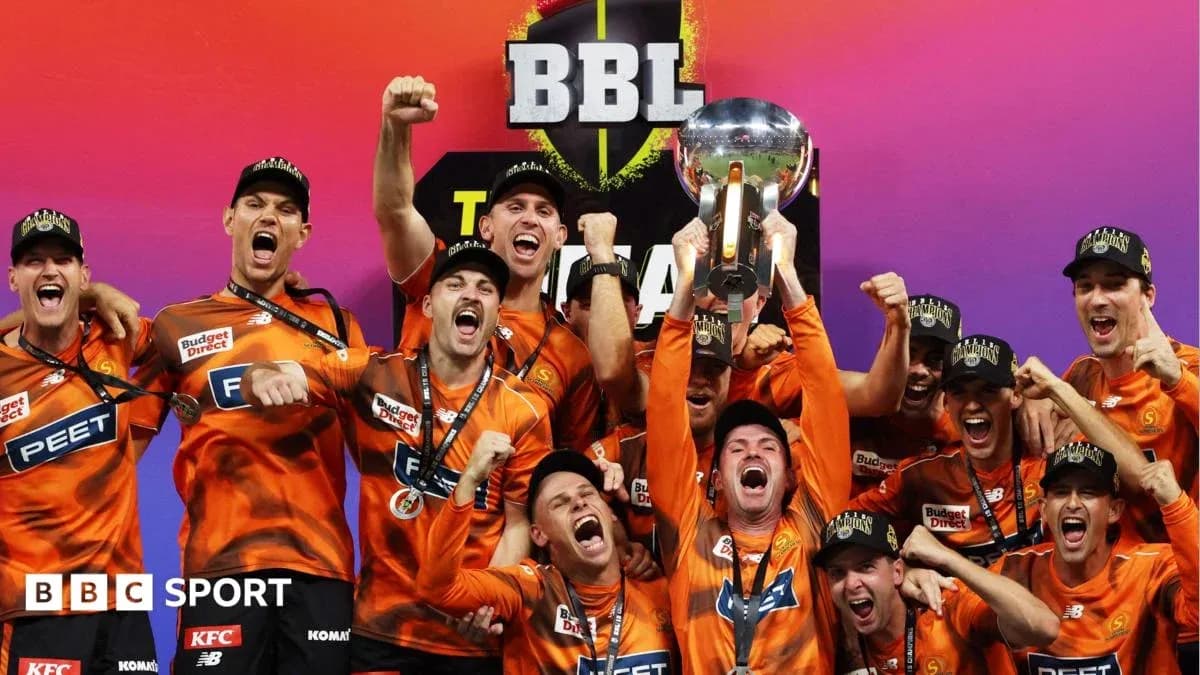
Hobart Hurricanes, Melbourne Stars and Perth Scorchers are understood to be keen on bringing in private investment. On the other side sit the two Sydney franchises – Sixers and Thunder – along with Brisbane Heat and Adelaide Strikers, all reluctant to commit to a sale in the short term.
The self-determination model gives those cautious states something priceless: time. They can watch the Renegades process unfold, study valuations, assess the impact on fan engagement and governance, then decide whether to follow.
What will not be up for sale is the spine of the competition. Cricket Australia plans to retain control of international scheduling, player availability, salary caps and media rights. The governing body will also hold the power to approve or veto prospective investors and to set a reserve price for the Renegades sale.
In other words, private money may flow in, but the levers that shape the on-field product will stay in Jolimont.
Cricket Australia chair Mike Baird framed the decision as a strategic shift designed to protect – not dilute – the domestic game.
He said the governing body and state associations were “united in our commitment to investing in and growing the BBL and WBBL” and focused on “advancing the interests of cricket at every level”.
“By opening the door to private investment in the Big Bash Leagues, Cricket Australia is taking a deliberate step to strengthen and secure the long-term future of the game,” Baird said, adding that new capital could “accelerate growth” and help maintain investment in community cricket, grassroots participation, pathways and the elite level.
A landmark move, with a shadow in the background
Cricket Australia has called the decision a “landmark step” for the country’s T20 tournament. It is also a calculated gamble at a time when global franchise cricket is booming and local competitions are jostling for relevance in a crowded calendar.
The board is betting that carefully controlled private investment can boost the Big Bash’s competitiveness without surrendering the national game’s core priorities to external owners.
One unresolved issue lingers in the background. Talks continue with the Australian Cricketers’ Association over an ongoing pay dispute. Fresh money from franchise sales could sharpen those negotiations, raising questions about how any windfall will be shared across players, states and central programs.
For now, the spotlight rests on one club in red. How the Melbourne Renegades are valued – and who lines up to buy them – will say plenty about where the Big Bash sits in the global T20 marketplace, and how far Australian cricket is willing to go in reshaping its future.