Charles Leclerc's Costly 2026 Season: Crashes and Consequences
Charles Leclerc is having the kind of season every team principal dreads and every accountant fears.
By early September, his crashes alone have saddled Ferrari with an estimated $1.888 million in repair costs, a staggering figure that makes the Monegasque the most expensive driver on the 2026 Formula 1 grid. The numbers are brutal. The pattern behind them is even more so.
A season of speed – and scrap bills
The spiral began in Miami. On the final lap, chasing a stronger result, Leclerc brushed the wall. The contact was enough to earn a 20-second post-race penalty, dropping him to eighth and turning what might have been a damage-limiting afternoon into the first line item on a growing bill.
Then came Monaco, his home race and a circuit that punishes even the slightest misjudgment. Leclerc crashed in Q3, then again late in the race while running in podium contention. Two heavy mistakes in one weekend, at the track that means more to him than any other, and Ferrari’s mechanics were working deep into the night yet again.
Barcelona brought no respite. Another qualifying crash, another rebuild. He did at least see the chequered flag in the Grand Prix, but only as a classified retirement after a mechanical issue ended his race. The pattern was set: speed, promise, then a wrecked SF-26.
And then Monza.
On home soil for Ferrari, in front of the Tifosi, Leclerc lost the rear of his car on acceleration through the Parabolica. The SF-26 snapped away, skated across the gravel at high speed and slammed into the tyre barrier with a brutal 60G impact. The race was red-flagged on lap three. Ferrari’s lead car sat destroyed in the gravel at its own cathedral of speed.
That shunt alone ranks as the second most expensive single crash of the year. It also turned an already costly campaign into something bordering on extraordinary.
Stroll comparison lays bare the scale
To grasp just how severe Leclerc’s tally is, you only need to look at Lance Stroll.
Stroll’s heavy crash in Monaco this season cost Aston Martin around $375,000. Painful, but manageable. That figure is less than a fifth of Leclerc’s total damage bill.
And this is Lance Stroll: the first driver in Formula 1 history to rack up 100 Q1 eliminations, a man who has gone the entire 2026 campaign without scoring a single point. Yet in this particular table – the one no driver wants to lead – Stroll is comfortably clear of Leclerc.
Inside Ferrari, the comparison that really stings sits on the other side of the garage.
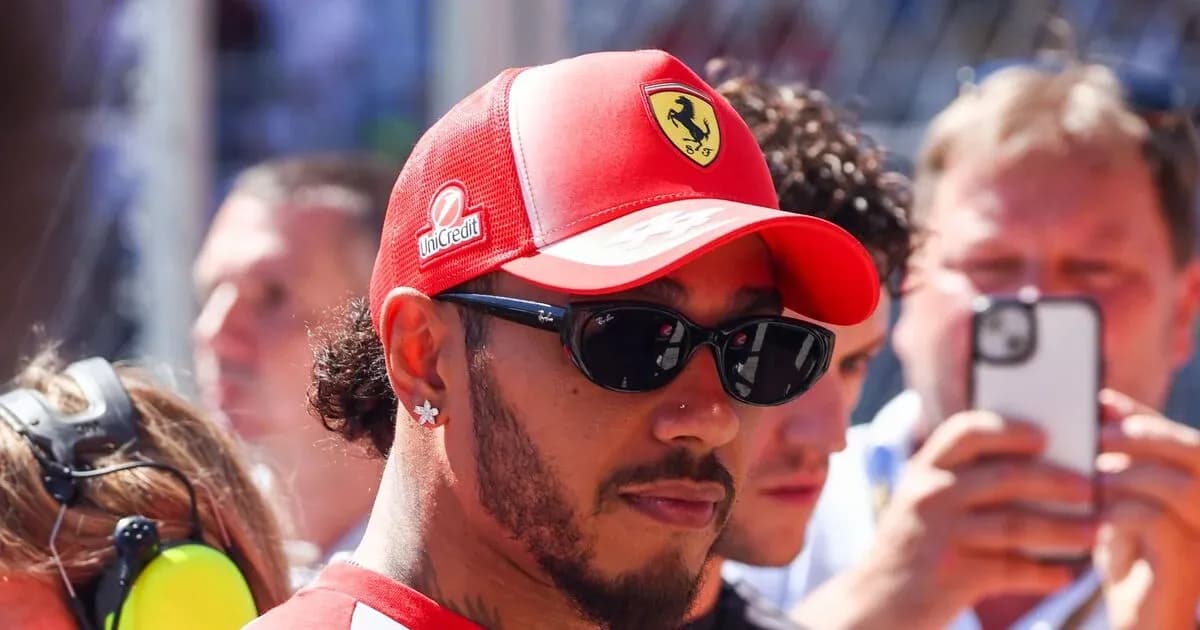
Lewis Hamilton has completed every racing lap of the 2026 season. Every single one. No retirements, no classified DNFs, just relentless mileage and points. Leclerc, by contrast, has failed to see the flag three times, even if Barcelona technically counts as a classified finish.
The numbers in the standings reflect that gulf in consistency. Hamilton trails championship leader Kimi Antonelli by 76 points. Leclerc is 112 points adrift in fifth. Between them, the gap has stretched to 36 points, a chasm in a title fight decided by fine margins.
Ferrari, as a result, now sits 87 points behind Mercedes in the Constructors’ Championship. Those are not just abstract figures; they are the competitive cost of those smashed front wings, broken suspensions and shattered carbon fibre.
The hidden cost: body and mind
Monza did not just hurt Ferrari’s budget and championship prospects. It hurt Leclerc himself.
The violence of the 60G impact left him with temporary vision issues in his right eye. Climbing out of the wreckage, that was his biggest fear. Not the championship. Not the bill. His sight.
He later revealed that his right eye “was not showing me great vision,” a worrying admission after such a high-speed accident. The vision has since cleared, but the scare was real enough that he will undergo further medical checks before he is cleared to race in Madrid for the Spanish Grand Prix.
“It should be the case, but better be safe than sorry,” he said of his expected participation. That line, from a driver known for his aggression and commitment, tells its own story about the force of the crash.
A season at a crossroads
Leclerc’s raw pace has never been in doubt. He remains one of the fastest drivers over a single lap, a man capable of wringing time from a car that others simply cannot find. Yet 2026 is exposing the other side of that coin in brutal fashion.
Ferrari needs points, not repair invoices. Hamilton is banking them with metronomic regularity. Mercedes is stretching away. The title fight is hardening without Leclerc truly in it.
Madrid now looms as more than just another race. It is a medical hurdle, a psychological test and a competitive reckoning.
How many more times can Ferrari afford to pay for his speed?