Brazilian Grand Prix: Major Grid Penalties Ahead of Qualifying
The Brazilian Grand Prix weekend has not yet reached qualifying, but the stewards’ room is already doing the heavy lifting.
Engines, turbos, exhausts – the 2026 race at Interlagos is turning into a parade of penalties before a wheel has even been turned in anger on Sunday. At least five drivers are already guaranteed to tumble down the grid, and the list may not be complete.
A grid turned upside down
The headline numbers are stark.
- Max Verstappen: 30-place grid drop.
- Sergio Perez: 30 places.
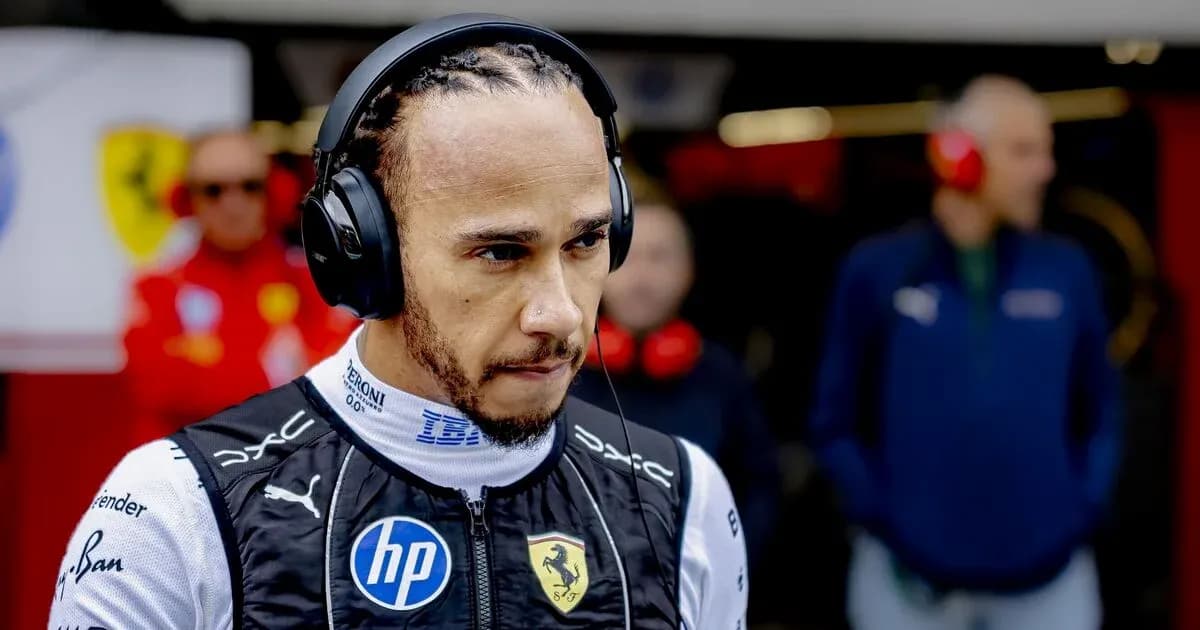
- Lewis Hamilton: a mammoth 65 places.
- Charles Leclerc: 10 places.
- George Russell: 5 places.
On paper, that’s more than two full grids’ worth of penalties. On track, it means the starting order will bear little resemblance to raw qualifying pace.
All of these sanctions stem from the same core issue: power unit allocations. Each driver has a limited number of components they can use over the season. Go beyond that, and the bill arrives in the form of grid drops.
Verstappen and Perez: Red Bull power, at a price
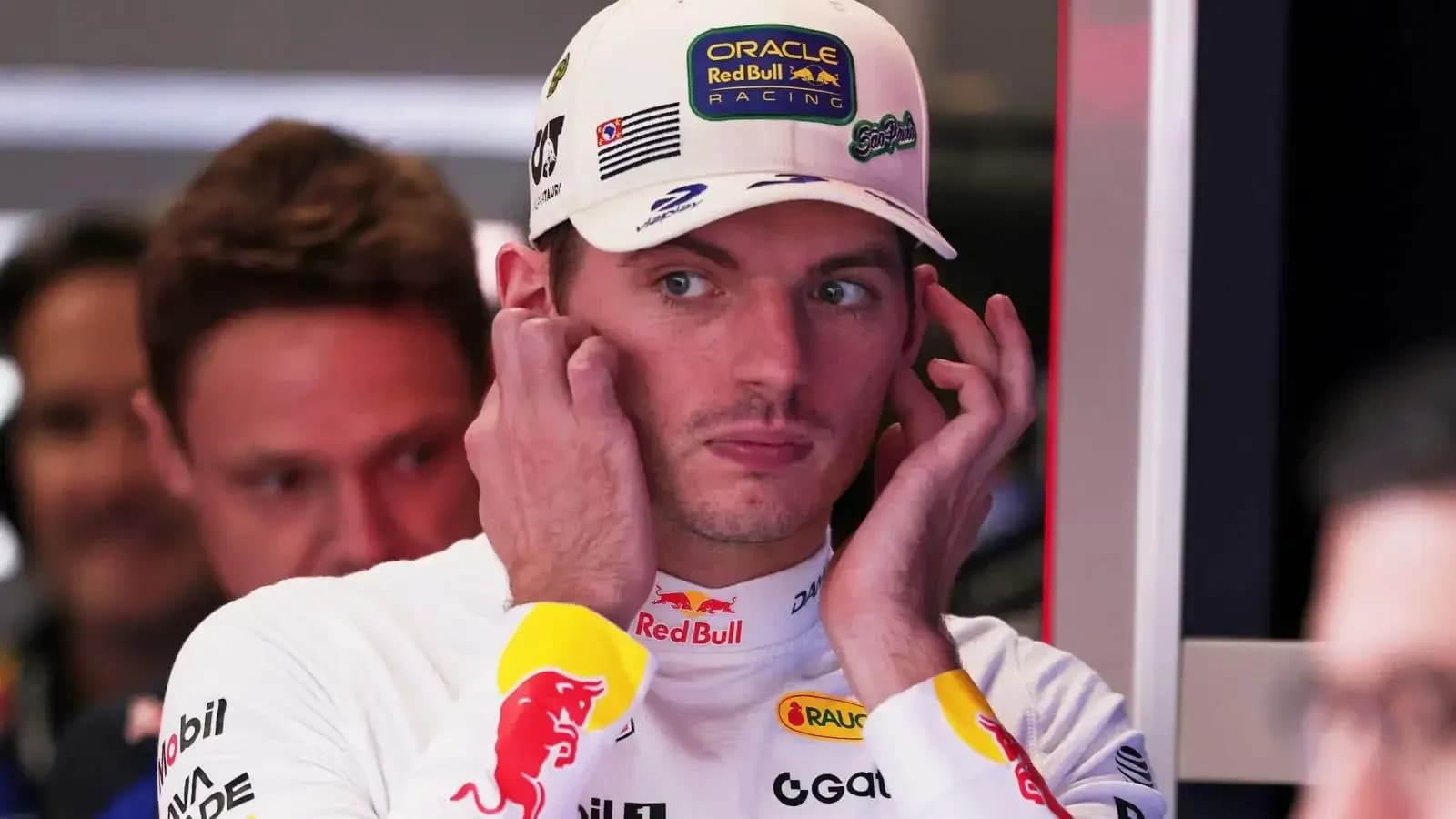
For Verstappen, the stewards’ verdict is brutal but straightforward. He has taken a new internal combustion engine (ICE), turbocharger and exhaust system. Each of those is his first component beyond the permitted seasonal pool in that category, and each first infringement carries a 10-place penalty. Three fresh elements, three 10-place hits. Thirty places in total.
Perez finds himself in the same storm. The Cadillac-branded entry may look different, but the rules are the same. He has opted for a new ICE, turbocharger and MGU-K. Again, each is his first step over the line, so he too racks up 30 places.
His Saturday story doesn’t end there. After FP3, the stewards issued Perez with a formal warning for throwing a small cable organiser out of his car and onto the circuit, leaving him judged to have driven in an unsafe condition. No extra grid drop for that, but the reprimand underlines how closely every move is being watched this weekend.
Ferrari’s gamble explodes into a 65-place hit
Ferrari tried to thread the needle.
Initially, the team chose a conservative route for Brazil: only a new ICE for both Hamilton and Leclerc. Because it was the first engine beyond the allocation for each driver, the cost was a manageable 10-place penalty apiece.
Then came FP3. Then came the rethink.
After the final practice session, it emerged that Hamilton would take an entire new power unit. Seven key elements make up the modern F1 power unit package; Hamilton is changing six of them beyond his season allowance. Each of those first infringements triggers another chunk of penalties, and the total swelled to a scarcely believable 65-place grid drop.
The number is academic, of course – you can’t start further back than last – but it underlines just how aggressively Ferrari has chosen to reset Hamilton’s engine pool for the run-in.
Leclerc, by contrast, remains on the original plan. His only additional component is that new ICE, so his punishment stays at 10 places.
Russell’s smaller but still costly hit
George Russell arrived in São Paulo already knowing what awaited him. Mercedes had decided he would take another ICE, and crucially, this is not his first extra engine of the year.
That matters. The first time a driver goes over the limit with a component, the penalties are heavier. When they exceed it again with the same type of part, the sanction is reduced. For Russell, this second extra ICE translates into a five-place grid drop.
It is still enough to complicate his Sunday. In a field this tight, five places can turn a front-row challenge into a midfield dogfight.
A race built on recovery drives
What does all this mean for Sunday?
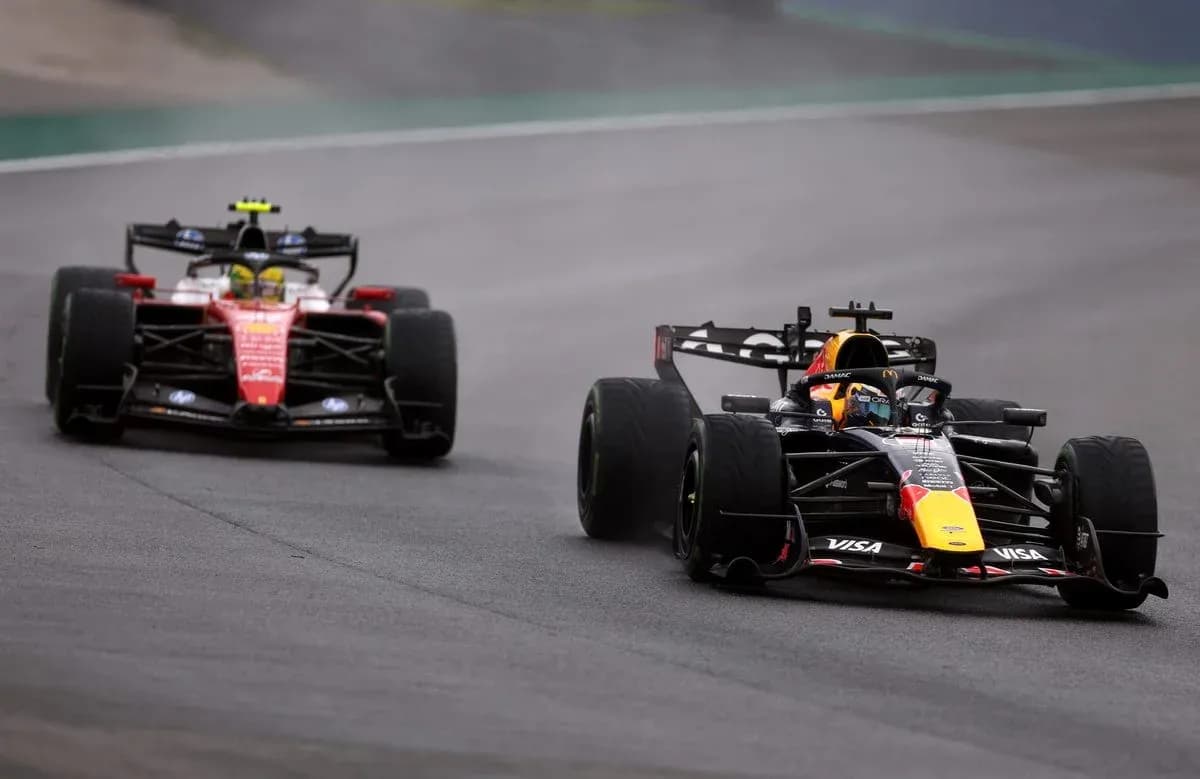
It points to a Brazilian Grand Prix loaded with recovery drives, strategy gambles and late-braking lunges from some of the sport’s biggest names. Verstappen, Hamilton, Perez, Leclerc, Russell – all with faster cars than their starting positions will suggest, all forced to slice through traffic at a circuit that loves chaos.
The stewards have spoken. Now the grid reshuffle sets the stage. Interlagos has rarely needed help to produce drama; this time, the penalties alone have lit the fuse.