BCCI's Stance on National Sports Governance Act and Odisha Cricket Elections
New Delhi: A routine election dispute in Odisha has opened a much bigger fault line in Indian cricket governance.
At the heart of it lies a blunt claim from the Board of Control for Cricket in India: the National Sports Governance Act, 2025, does not apply to cricket. Not yet.
BCCI Draws a Line
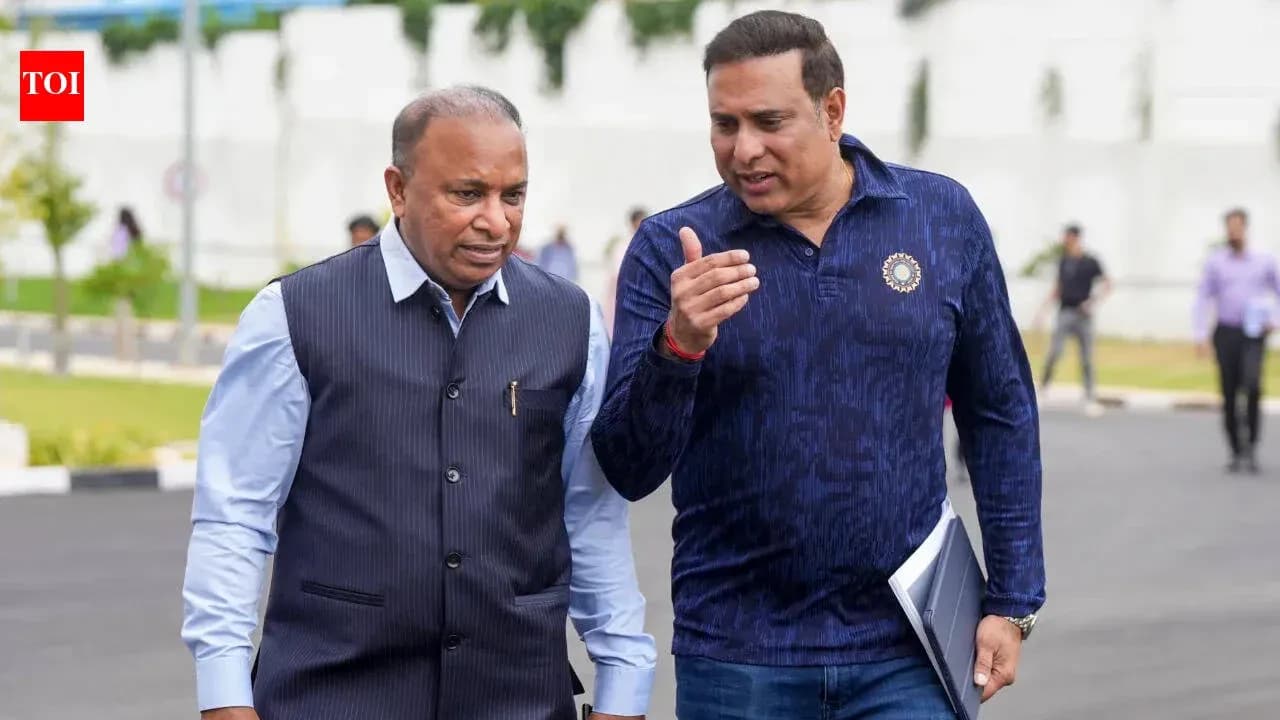
In an affidavit filed before the Odisha High Court in a matter concerning the Odisha Cricket Association (OCA) elections, the BCCI’s legal team, authorised by secretary Devajit Saikia, has taken a clear position. OCA, it says, must hold its elections strictly under the existing BCCI constitution, the one reshaped in 2019 after the Lodha Committee recommendations.
The key assertion is striking. Cricket, the affidavit states, has not been notified as a “designated sport” under the National Sports Governance Act. Without that notification, the BCCI argues, the Act simply does not govern the game.
That stance effectively keeps the board outside the ambit of the National Sports Board (NSB) for now and has left several state units scrambling for clarity.
State Units Caught in the Crossfire
Many state associations had been operating under a different assumption. After the sports ministry issued a notice last December, they believed fresh elections for certain posts could be deferred until December 2026.
The OCA leadership has leaned on that government advisory. They have maintained that they are following the Centre’s directions. The BCCI has pushed back.
The biggest flashpoint is the cooling-off period for office-bearers.
Under the BCCI’s constitution, no office-bearer can continue for more than two consecutive terms without stepping away. The National Sports Governance Act, by contrast, does not prescribe any cooling-off period and eases some conflict-of-interest provisions. For power brokers who prize continuity, the Act is a far more forgiving framework.
The BCCI affidavit underlines why it wants OCA to stick to the old script.
It notes that OCA has “similar provisions of no office-bearer continuing for more than two terms consecutively” and stresses that “timely elections should be held in order to avoid continuation of any person for more than two terms consecutively and to uphold the spirit of the judgment of the Hon’ble Supreme Court.”
The next hearing in the case is scheduled for September 1. The implications, though, are already being felt across state units.
A Mixed Message from Delhi
The confusion is sharpened by what has played out in Parliament and in the corridors of India’s information watchdog.
During a parliamentary discussion in August 2025, Vijayawada MP and Andhra Cricket Association president Kesineni Sivanath welcomed the National Sports Governance Act. He said the BCCI already followed its core principles. The government, he pointed out, had only kept the board outside the Right to Information (RTI) Act because it did not depend on public funds.
In May, the Central Information Commission echoed that exemption, ruling that the BCCI would not come under RTI. It also described the Lodha Committee recommendations as “advisory in nature”.
Those two strands now tug in different directions. On one hand, the BCCI is held up as a body aligned with the spirit of sports governance reforms. On the other, it is arguing in court that the newest governance law in sport does not yet bind it.
A senior board official summed up the unease within the system.
“If the government has notified that sports bodies can defer elections till December 2026, every state unit would believe it can wait until then before holding elections for select posts. The power forces in BCCI have always advocated the importance of continuity in administration. The board’s reluctance to adhere to government directives can disrupt it just when the new office-bearers were gaining experience.
“It has also created confusion over the governance of the sport. The state bodies need to know if they have to follow the Sports Governance Act or the BCCI constitution,” the official told TOI.
Cooling-Off vs Continuity
The BCCI’s own election cycle adds another layer.
The board conducted its elections last September, months before the sports ministry’s advisory on deferring polls. Under the current BCCI constitution, vice-president Rajiv Shukla will complete six years in office next year. Secretary Devajit Saikia is in his second term and is set to complete six years in 2028, after which the mandatory cooling-off period will kick in.
If, at any point, the BCCI is brought under the NSB’s ambit and the National Sports Governance Act becomes applicable to cricket, those cooling-off rules would fall away. Office-bearers could, in theory, enjoy longer, uninterrupted tenures.
For a board that has long wrestled with the balance between reform and control, that is no small detail.
The Odisha case, then, is about far more than one association’s election calendar. It is testing where the real line of authority in Indian sport now runs: through the government’s new governance law, or through a cricket board determined to hold its ground until someone formally tells it otherwise.